Discover the Beauty and Tradition Behind Essaouira’s Unique Thuya Wood Products
There’s something almost magical about holding a piece of Thuya wood for the first time. That warm, cedar-like aroma hits you immediately, and those swirling grain patterns? They’re enchanting. This rare hardwood comes from the Tetraclinis articulata tree, and you’ll find it almost exclusively in Essaouira, Morocco—a coastal town that has become synonymous with this extraordinary material.
But here’s the thing: Thuya wood isn’t just about aesthetics. It carries centuries of Moroccan craftsmanship in every grain. From intricate jewelry boxes to stunning decorative furniture, these pieces represent a living tradition that artisans have carefully preserved through the generations. And if you’re considering bringing one of these treasures home, you’ll want to know what to look for.
That’s exactly what this guide covers—how to buy Thuya wood items with confidence, what distinguishes quality craftsmanship from tourist souvenirs, and where to find the best Thuya wood products in Essaouira.
Historical Significance of Thuya Wood
The Thuya tree thrives in the Mediterranean climate of Morocco, particularly in the Argan forests spread across the western Atlas Mountains. And its history? It goes way back. The Romans valued this wood for sacred artifacts and fine furniture—they understood its worth long before it became a Moroccan specialty.
Fast forward to today, and the artisans of Essaouira have elevated Thuya burl (which grows in frustratingly limited quantities) to an art form. The techniques they use have been passed down from father to son, mother to daughter, creating a lineage of craftsmanship that makes this city the undisputed capital of Thuya woodworking.
Understanding this history changes how you see these pieces. That jewelry box on your dresser? It’s not just functional — it’s a direct link to centuries of artistry. Quite remarkable when you think about it.
Current Trends in Thuya Wood Craftsmanship
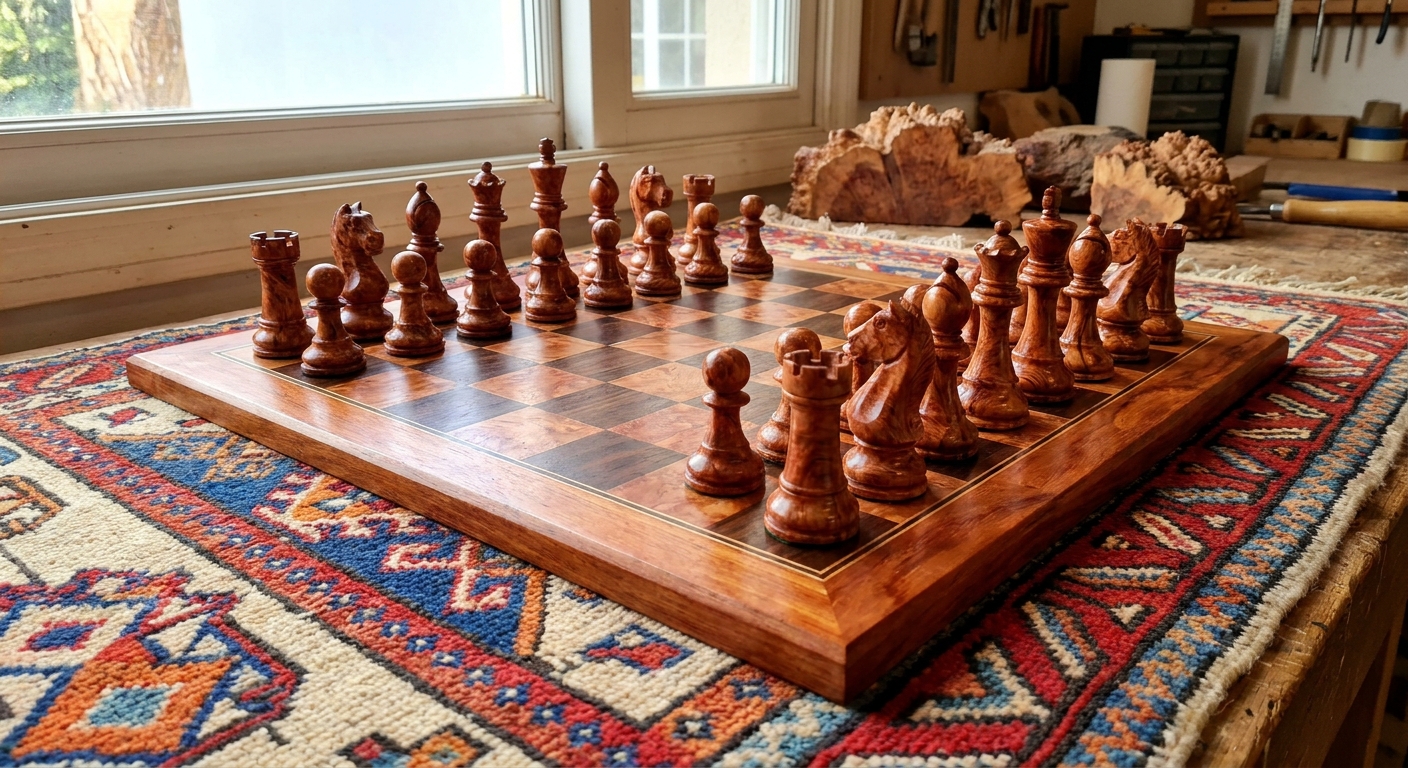
Essaouira’s woodworking scene is honestly thriving right now. Both local and international buyers can’t get enough of these unique wooden treasures. Walk through the medina, and you’ll find artisans making everything from delicate jewelry boxes to elaborate chess sets and intricate marquetry pieces.
However, there’s a shift happening. With Thuya forests under pressure from overexploitation and climate challenges, sustainability has become a serious focus. Artisans are adapting—they have to.
What’s interesting is how Thuya wood has gained ground in contemporary design circles. The influx of tourists (and their Instagram accounts) has boosted demand for authentic Moroccan crafts. Savvy artisans are riding this wave, maintaining traditional quality while adding modern touches that appeal to global tastes.
Understanding Quality and Value
So, how much should you really be paying? Let’s talk numbers. Authentic Thuya wood jewelry boxes typically range from $30 to $150. Custom luxury pieces? Those can easily cost more than $200. And honestly, once you understand how much work goes into them, these prices make sense.
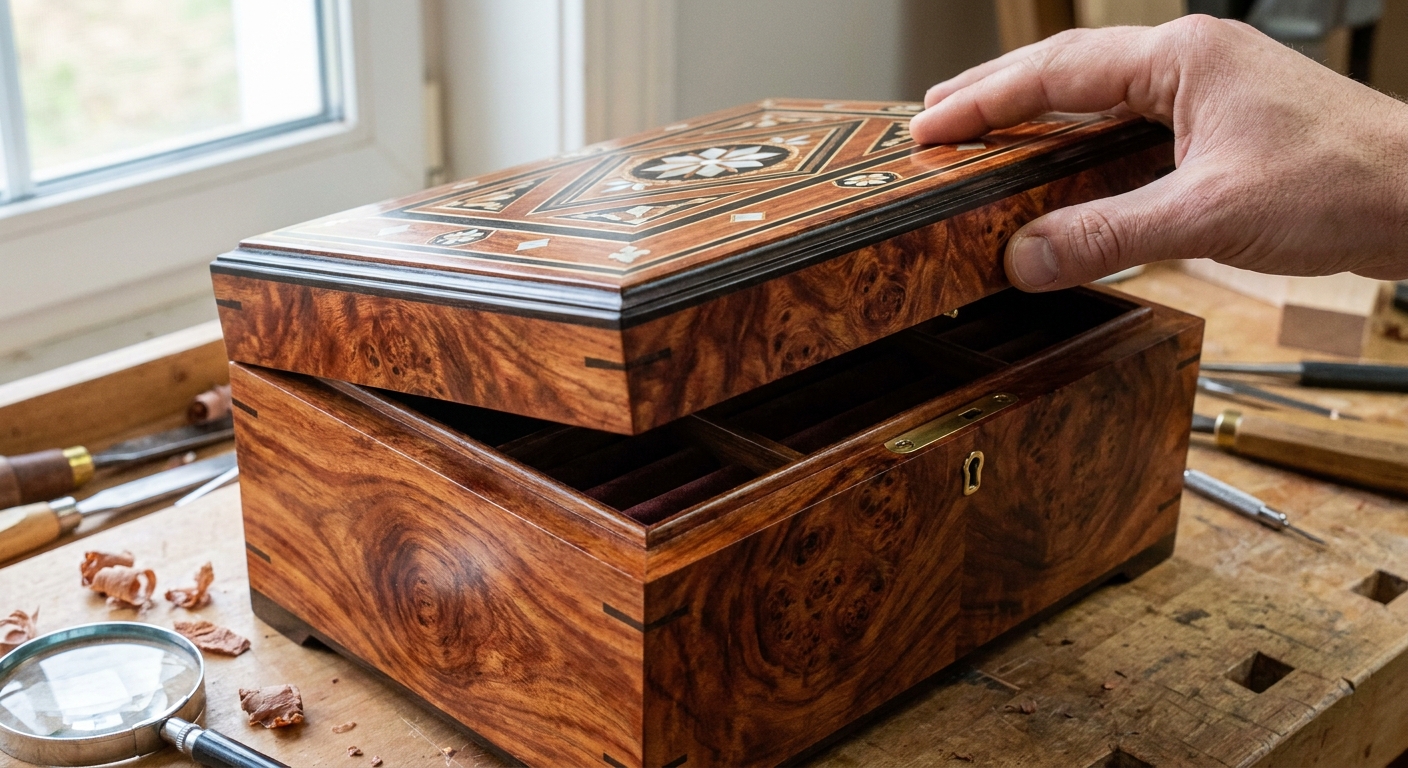
Creating a high-quality Thuya piece isn’t a weekend project. We’re talking days, sometimes weeks, of meticulous work. The real deal feels noticeably dense and heavy in your hands — that’s the burl wood speaking. If something feels light or hollow, that’s a red flag.
Here’s what to look for: the weight, the density, the complexity of any inlay work, and whether the finish lets that distinctive aroma come through. These details set it apart from mass-produced knock-offs.
Expert Insights and Quotes from Artisans
Ask any expert, and they’ll tell you the same thing: always opt for burl over standard wood. That chaotic, swirling grain pattern isn’t just beautiful—it’s rare, which is why the prices are higher. The best artisans know how to work with these natural patterns, using traditional marquetry techniques to make each piece shine.
A local craftsman I spoke with put it perfectly: “Thuya wood isn’t just a material; it’s a part of our heritage, and each piece reflects the story of our country and craftsmanship.” That kind of passion shows in the work. Truly.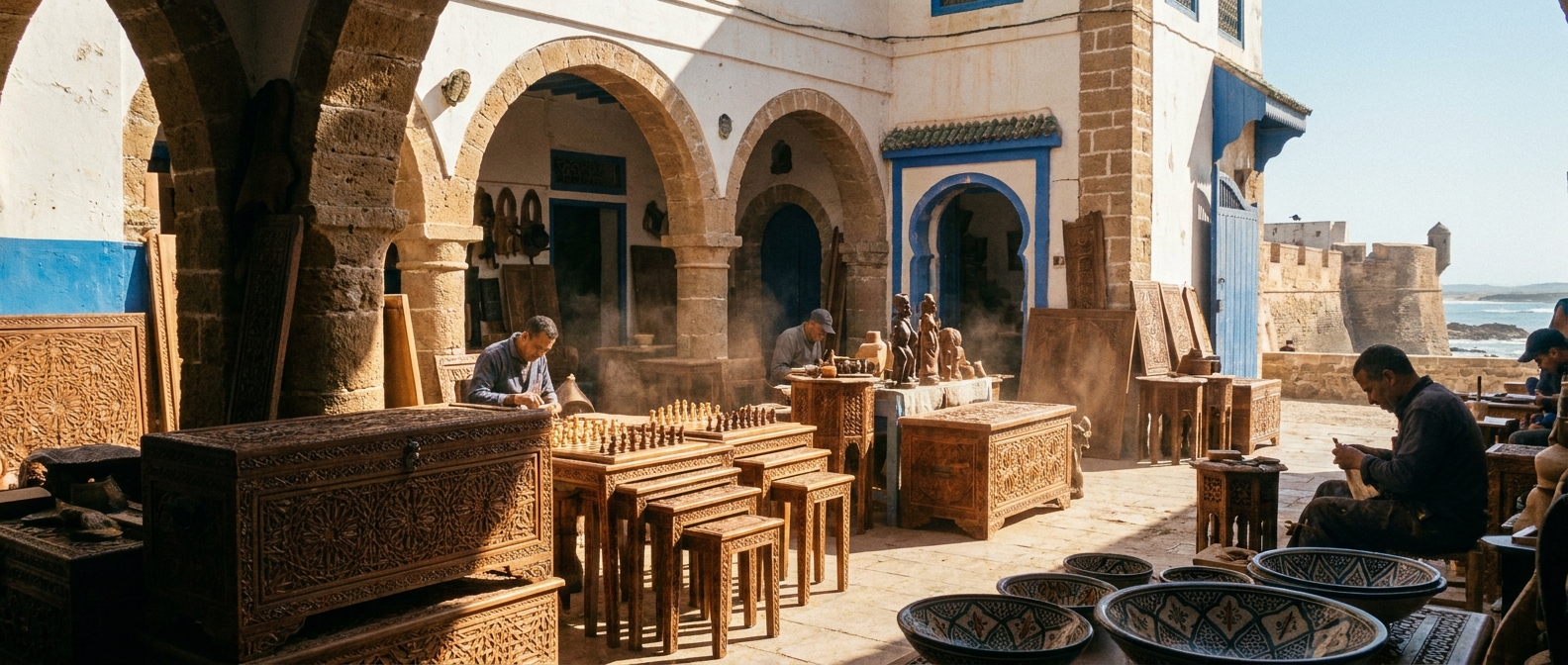
Challenges Facing the Thuya Wood Market
 Let’s be frank about the issues. The Thuya forests are fragile ecosystems, and irresponsible harvesting threatens both the trees and the artisans who rely on them. It’s a delicate balance that’s becoming increasingly difficult to maintain.
The good news? Artisans aren’t just waiting around for things to get better. Many have formed cooperatives dedicated to ethical harvesting and eco-friendliness. Educational initiatives are spreading awareness about sustainable practices. These efforts matter—they’re what will keep this tradition alive for future generations.
When you buy from artisans who prioritize sustainability, you’re voting with your wallet for the preservation of something truly special.
Strategies for Buying Thuya Wood Products
Want to avoid getting ripped off? Skip the tourist markets. Seriously. Go straight to the workshops. Yes, it takes more effort, but the difference in quality (and authenticity) is night and day.
Look for craftsmen who can tell you about their process, who truly seem passionate about their work, and who employ sustainable methods. These artisans produce the best pieces—and they’re usually happy to explain what makes their work special.
When examining a potential purchase, don’t be shy. Pick it up. Feel the weight. Check the details of the marquetry. Inhale that distinctive aroma. If something feels off, trust your instincts and walk away. There are plenty of authentic pieces out there; you don’t need to settle.
Conclusion
Thuya wood sits at this beautiful intersection of heritage and artistry. It’s not just about owning something beautiful—though these pieces certainly are. It’s about connecting with an age-old tradition and supporting the people who keep it alive.
Now that you understand what makes Thuya wood special, why sustainable practices matter, and how to recognize true craftsmanship, you’re ready to make choices that honor both the artisans and the environment.
Bring a piece of this remarkable tradition into your home. Every time you catch that cedary scent or notice those swirling patterns, you’ll remember: this isn’t just wood. It’s a story—a story you’re now part of.
Frequently Asked Questions
What is Thuya wood, and where does it come from?
Thuya wood comes from the Tetraclinis articulata tree, a rare species found primarily in Essaouira, Morocco. It is known for its distinctive aromatic quality and beautiful grain patterns, and it has been central to Moroccan woodworking traditions for centuries.
How can I recognize high-quality Thuya wood products?
Real pieces feel dense and heavy—that’s your first clue. Look closely at the marquetry work; it should be precise and refined. The finish should be natural enough to let the wood’s fragrance come through. And remember: burl wood (with its wild, swirling patterns) is always more valuable than standard cuts.
What is the price range for Thuya wood items?
 You can expect to pay somewhere between $30 and $150 for quality jewelry boxes. Larger pieces or custom work can cost over $200—sometimes significantly more, depending on complexity and craftsmanship.
Can I find eco-friendly Thuya wood products?
Absolutely. Many artisans have embraced sustainable practices, working with wood sourced from plantations and supporting reforestation efforts. Ask about the provenance while shopping—responsible artisans are usually happy to share their eco-friendly commitments.