There’s something almost magical about watching a skilled Moroccan henna artist work. The steady hand, the intricate swirls, the earthy scent of the paste — it’s an experience that stays with you long after the stain fades. In Essaouira, this ancient art form isn’t just a tourist attraction; it’s a living tradition that pulses through weddings, births, and celebrations of all kinds.
But here’s the thing: navigating the henna experience as a visitor can be tricky. Between understanding fair pricing, avoiding potentially harmful products, and respecting local customs, there’s quite a bit to know before you extend your hand to an artist. Let’s walk through everything you need for a safe, authentic, and truly memorable henna experience.
Historical Significance of Henna
Henna comes from the Lawsonia inermis plant, and people have been using it for thousands of years. It traveled from South Asia and the Middle East to North Africa, where it became deeply woven into Moroccan culture. In Essaouira specifically, you’ll find designs that blend Berber and Arab influences — each pattern carrying meaning related to good fortune, fertility, or joy.
This isn’t just body art. Not really. Henna marks life’s big moments here. A bride’s hands tell stories in swirling patterns the night before her wedding. A new mother receives blessings traced in reddish-brown. These rituals bring women together, connecting generations through shared traditions that have survived centuries.
The Current State of Henna Art in Essaouira
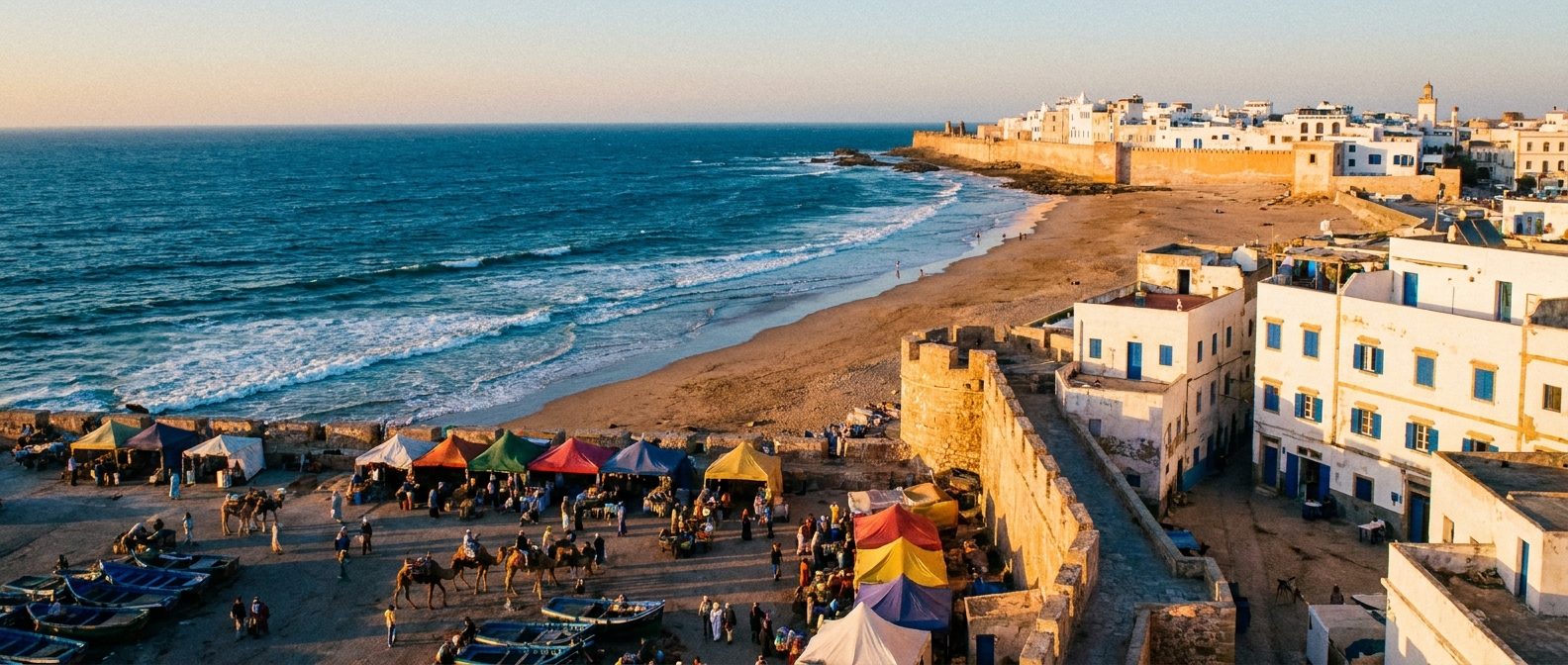
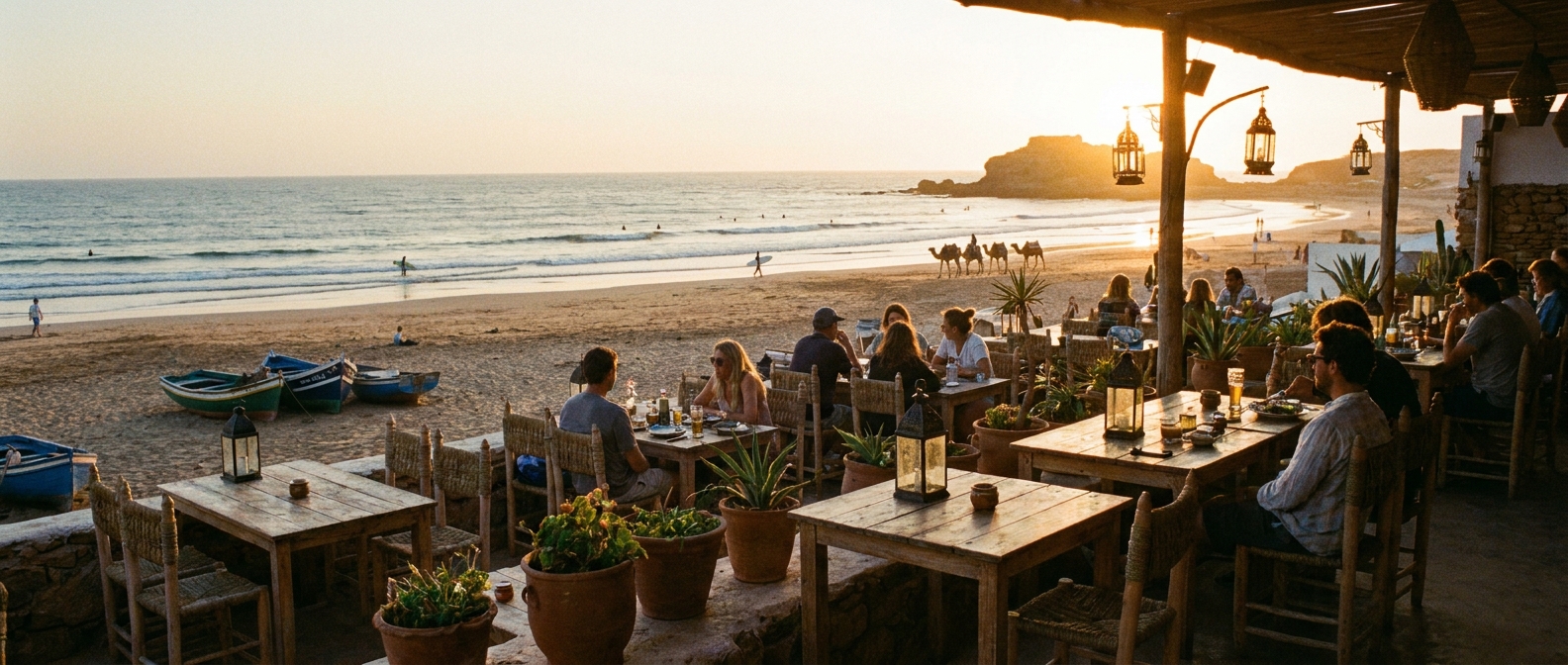
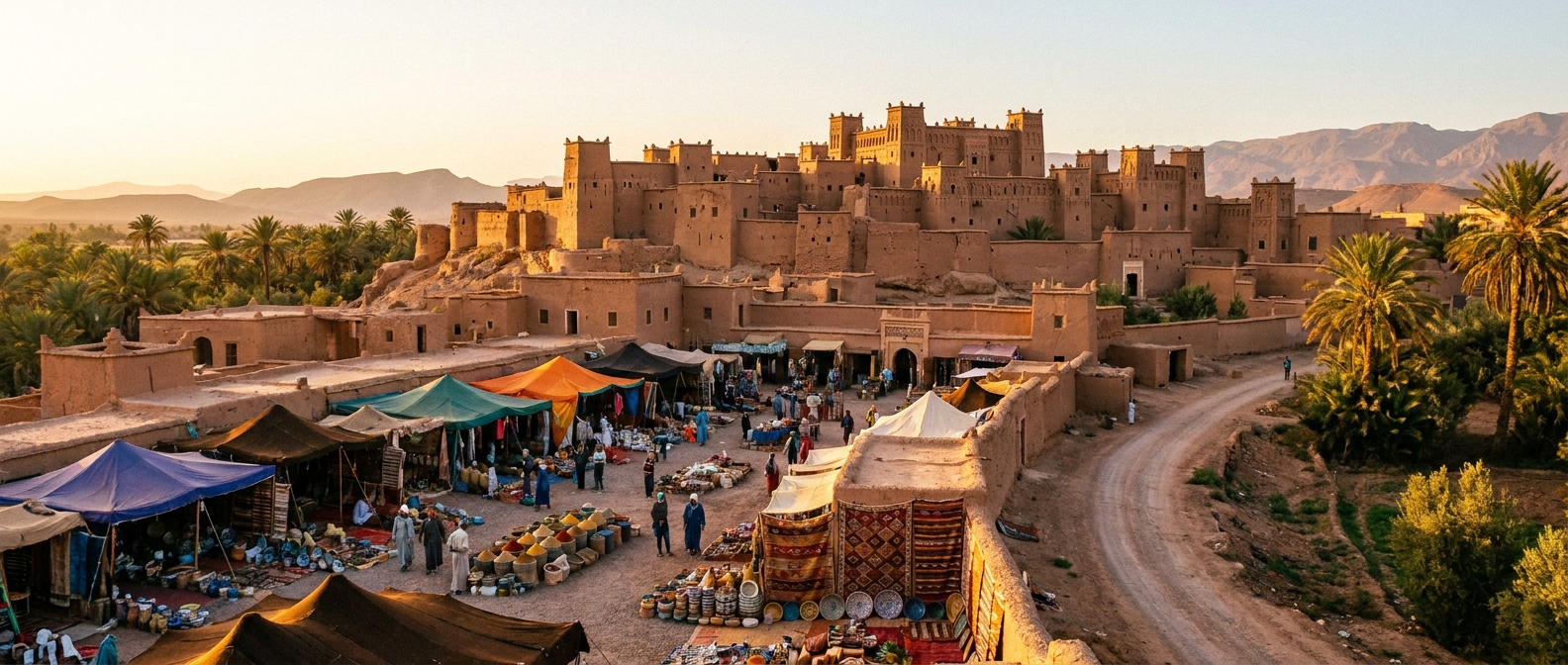
Essaouira draws visitors with its windswept beaches and bustling souks — and many of those visitors are eager to try henna for themselves. Wander through the medina and you’ll spot artists ready to create everything from traditional Moroccan motifs to contemporary designs.
The growing interest is wonderful, honestly. But it’s also created some challenges. Not every henna product is safe, and not every price quoted is fair. Some tourists have had disappointing (or even painful) experiences because they didn’t know what to look for. A little knowledge goes a long way here.
Pricing for Henna in Essaouira
So, what should you actually expect to pay? Prices vary based on how complex your design is, how large an area you’re covering, and the artist’s reputation. Here’s a rough breakdown:
- Small or simple designs: 50 to 150 MAD (roughly $5 to $15)
- Detailed designs: 200 to 500 MAD (about $20 to $50)
- Bridal henna: Full hands and feet can run 500 to 2,000 MAD ($50 to $200)
Knowing these ranges puts you in a stronger position. You can negotiate confidently and recognize when someone’s trying to overcharge. And yes — you should negotiate. It’s expected and perfectly polite when done respectfully.
Ensuring Safety with Henna
This part matters. A lot.
You’ve probably seen “black henna” advertised — it promises darker, more dramatic results. Avoid it. Black henna typically contains para-phenylenediamine (PPD), a synthetic dye that can cause serious problems. We’re talking allergic reactions, blistering, even permanent scarring. Studies suggest around 10-15% of tourists experience some kind of adverse reaction from black henna products.
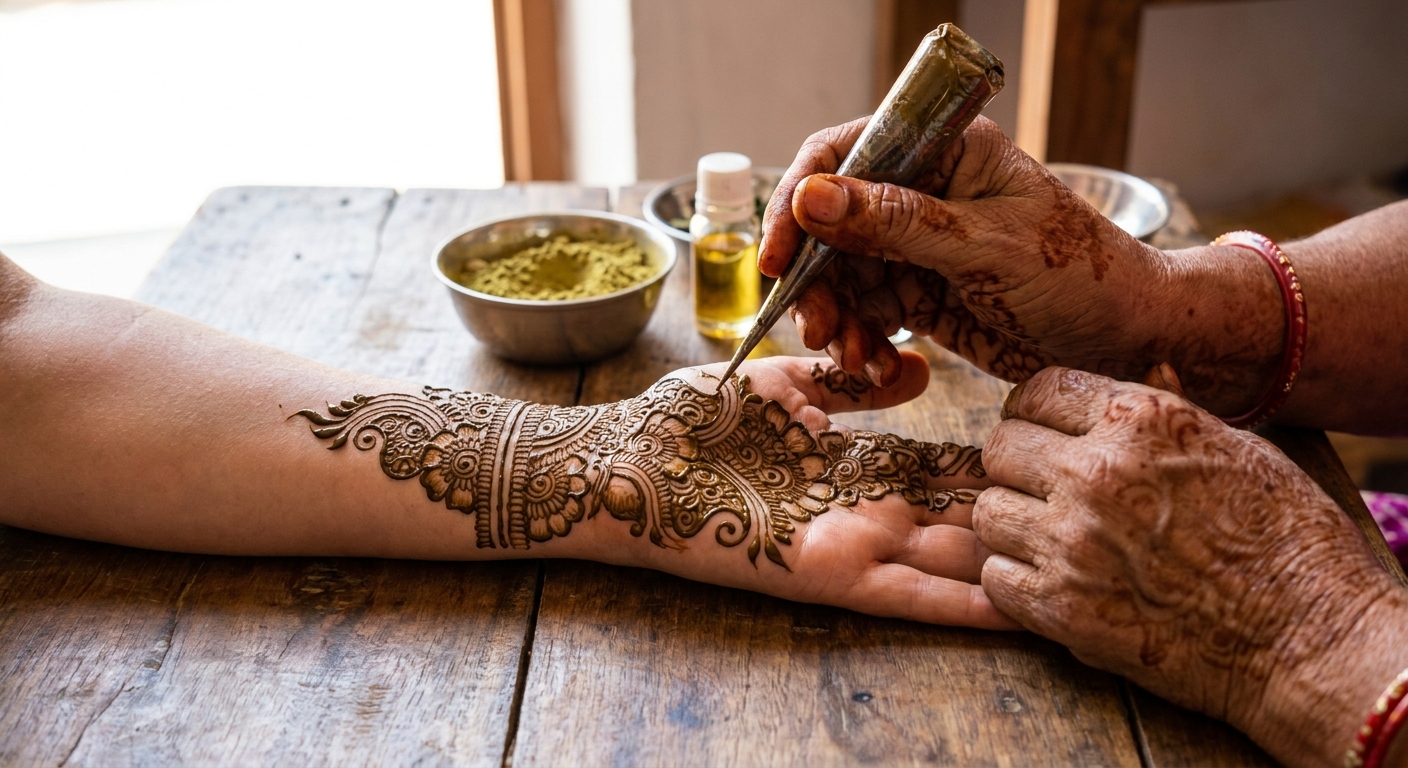
Natural henna? It gives you that beautiful reddish-brown color and comes without the health risks. Local artist Habiba puts it simply: “Natural henna is a gift from nature. It’s essential to respect its use and ensure it’s 100% natural to avoid complications.”
Don’t be shy about asking what’s in the paste. A reputable artist will happily tell you — and should be using nothing but natural ingredients.

Trends in Henna Design
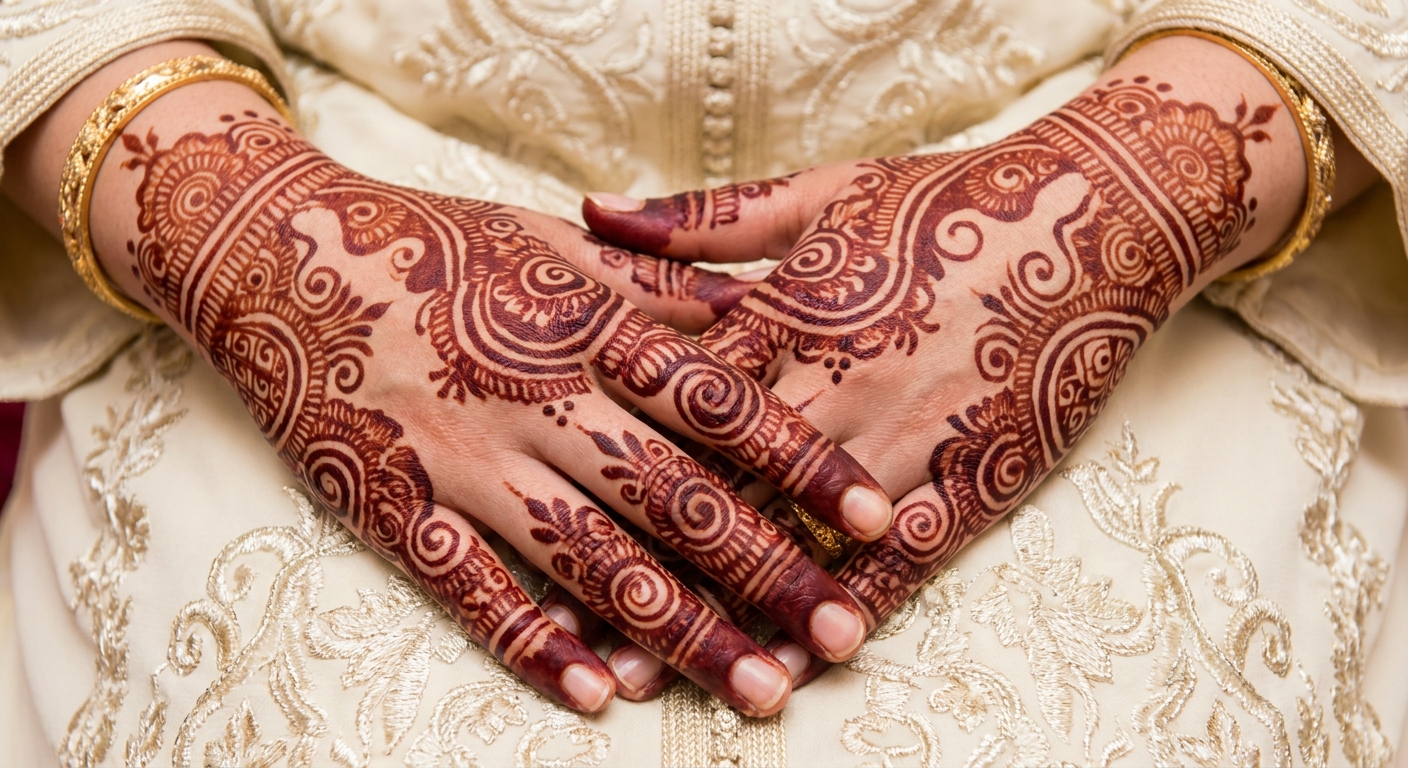
Henna art in Essaouira isn’t stuck in the past. While traditional Moroccan patterns remain popular (and beautiful), you’ll also find artists creating fusion designs that blend classic motifs with modern aesthetics. Instagram and Pinterest have definitely influenced what people request — geometric minimalism alongside ornate traditional work.
There’s another shift happening too. More artists are emphasizing organic, sustainably-sourced henna products. Eco-conscious travelers appreciate knowing their temporary tattoo isn’t harming anyone — themselves included. It’s a nice evolution that respects both tradition and contemporary values.
Common Challenges and Controversies
Let’s be real about some issues you might encounter.
Scams happen, particularly in tourist-heavy areas. Artists sometimes approach visitors unprompted, start applying henna before discussing price, then demand inflated payment. The solution? Always — always — agree on a price before anyone touches your skin. Get specific about what you’re getting and what it costs. No exceptions.
The black henna situation remains a genuine public health concern. Despite warnings, some artists continue offering it because tourists request that darker color. There’s an ongoing tension between traditional practices using safe, natural ingredients and newer products that can cause real harm. When in doubt, walk away.
Key Takeaways
Want to enjoy henna in Essaouira without any regrets? Keep these points in mind:
- Stick with natural henna: That reddish-brown color means it’s the real deal. Black henna is a hard no.
- Know your price ranges: Come prepared so you can spot unfair pricing immediately.
- Do your homework on artists: Check their work, confirm costs upfront, and ask about ingredients.
- Care for your henna properly: Let it dry completely, keep it away from water for 24 hours, and consider a patch test if your skin tends to be sensitive.
- Understand what designs mean: A little research helps you communicate exactly what you want.
- Trust your instincts: If something feels off about an artist or their approach, move on. There are plenty of legitimate options.
Follow these guidelines and you’ll come away with more than just a beautiful design — you’ll have a genuine connection to one of Morocco’s most treasured traditions.
Frequently Asked Questions
What is Moroccan henna, and why is it important?
Moroccan henna is a traditional body art using natural plant-based paste to create intricate designs. It’s deeply significant culturally — marking celebrations like weddings and births while symbolizing beauty, joy, and good fortune.
How much does henna cost in Essaouira?
Expect anywhere from 50 MAD for simple designs up to 2,000 MAD for elaborate bridal work. Most tourist-friendly designs fall somewhere in the 100-300 MAD range.
How can I ensure the henna I use is safe?
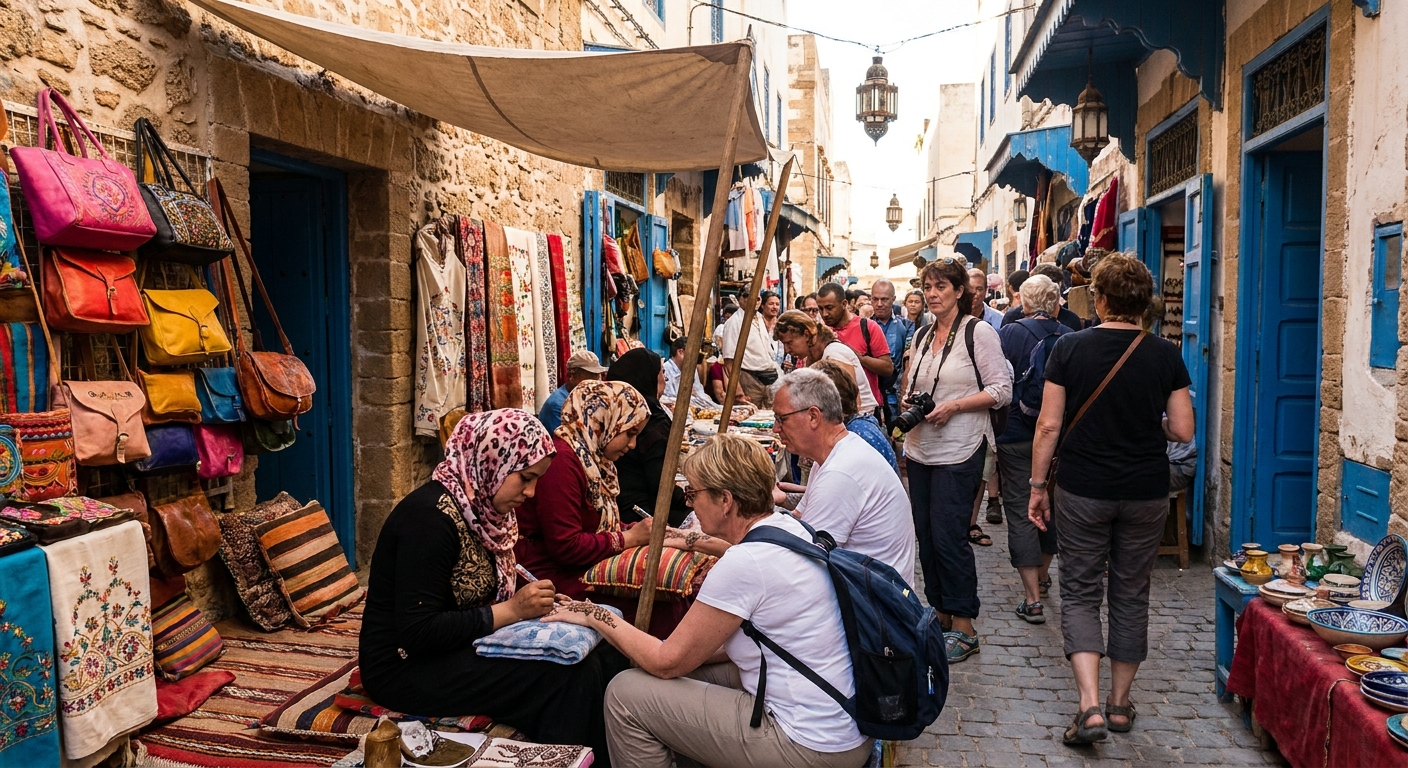
Ask questions! Natural henna produces a reddish-brown stain — nothing darker. If an artist offers black henna or can’t explain what’s in their paste, find someone else.
What should I do if I have a sensitivity to henna?
Request a small patch test first. Apply a tiny amount to your inner arm and wait a few hours to see if any reaction develops before committing to a full design.