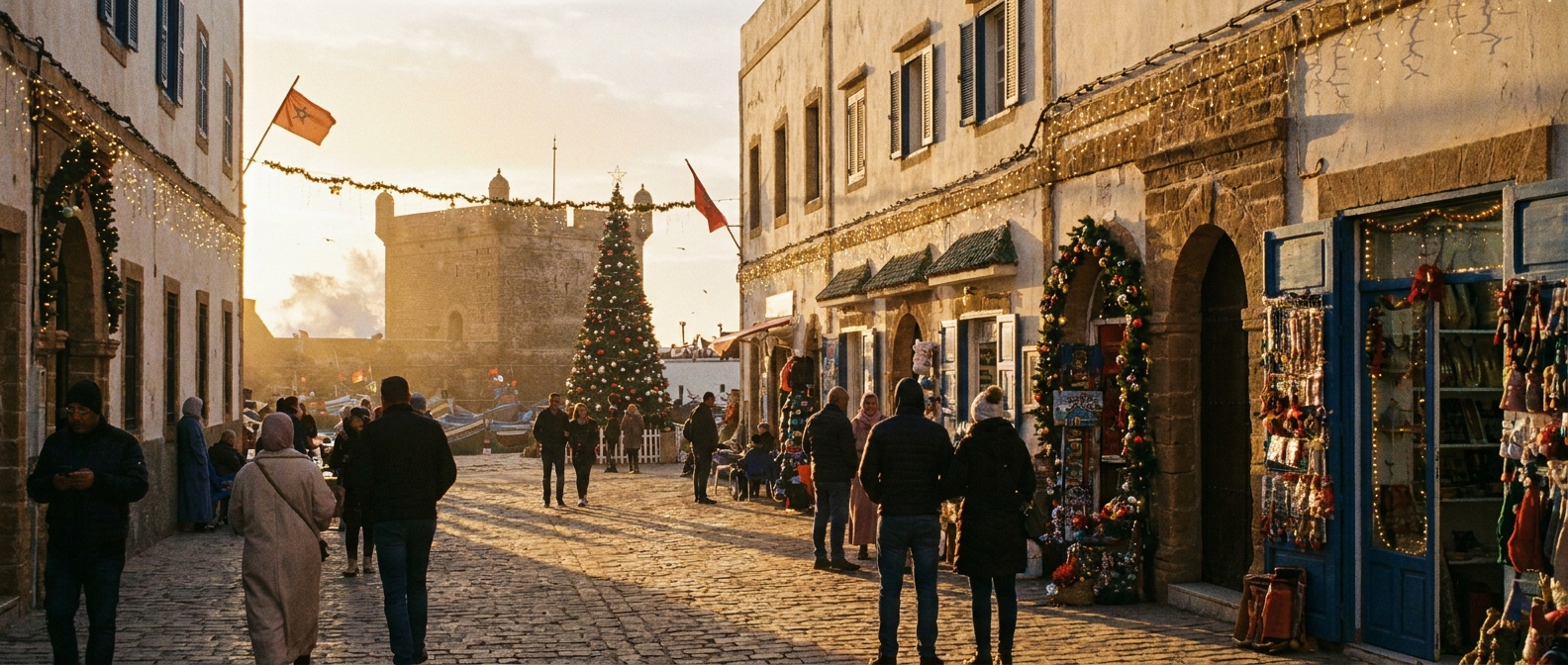
Here’s the thing about travel: the way we interact with animals says a lot about who we are as tourists. And honestly? More of us are starting to care — really care — about making sure our adventures don’t come at an animal’s expense. Essaouira, that windswept coastal gem on Morocco’s Atlantic coast, happens to be one of those places where you can actually do animal tourism right.
This city has so much going for it — the bustling souks, centuries of history practically seeping from the blue-shuttered walls, and a genuine commitment to doing tourism sustainably. Whether you’re dreaming of a camel trek along golden beaches or simply curious about the hardworking donkeys that navigate the medina’s narrow streets, Essaouira offers experiences that don’t require you to check your conscience at the door. Let’s dive into what responsible animal tourism looks like here, the hurdles that still exist, and how you can be part of the solution.
Historical Context of Animal Tourism in Morocco
Animals and Moroccan culture go way back. Camels and donkeys weren’t just novelties for tourists — they were (and in many places still are) essential to daily life. For generations, these animals hauled goods through mountain passes, carried families across desert expanses, and served as the backbone of rural economies. That history runs deep.
But times have changed, and so have traveler expectations. People are asking tougher questions now. Is this camel getting enough rest? Does this donkey look healthy? And Essaouira has been paying attention. Local authorities and a handful of dedicated NGOs have stepped up, pushing for better standards and actually educating both tourists and tour operators about what humane treatment looks like — proper food, fresh water, reasonable workloads, and genuine care.
The Current Landscape of Responsible Animal Activities
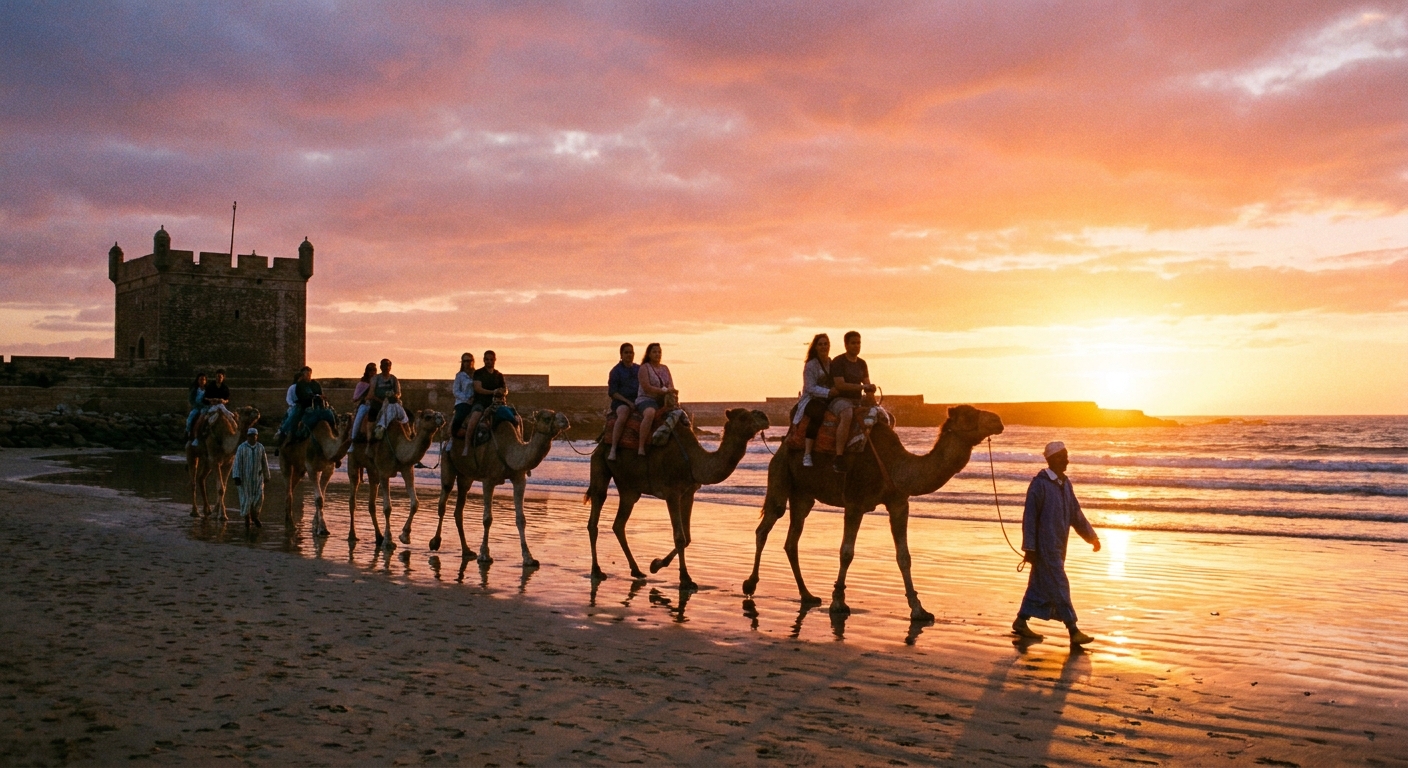
So what does ethical animal tourism actually look like in Essaouira today? It’s pretty encouraging, actually. More and more tour operators have gotten serious about putting animal welfare first. Take camel trekking, for instance — the responsible outfits now ensure their camels aren’t overloaded, get plenty of breaks, and aren’t worked to exhaustion under the Moroccan sun.
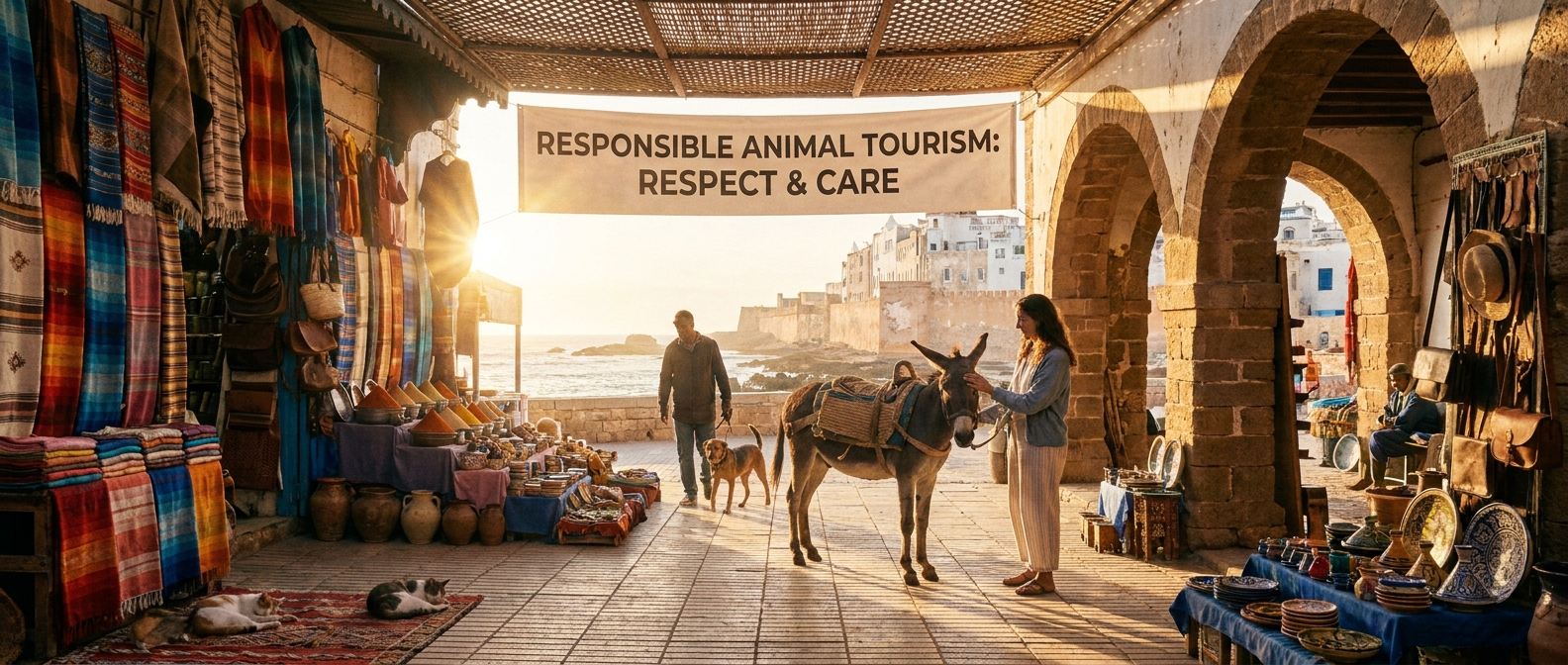
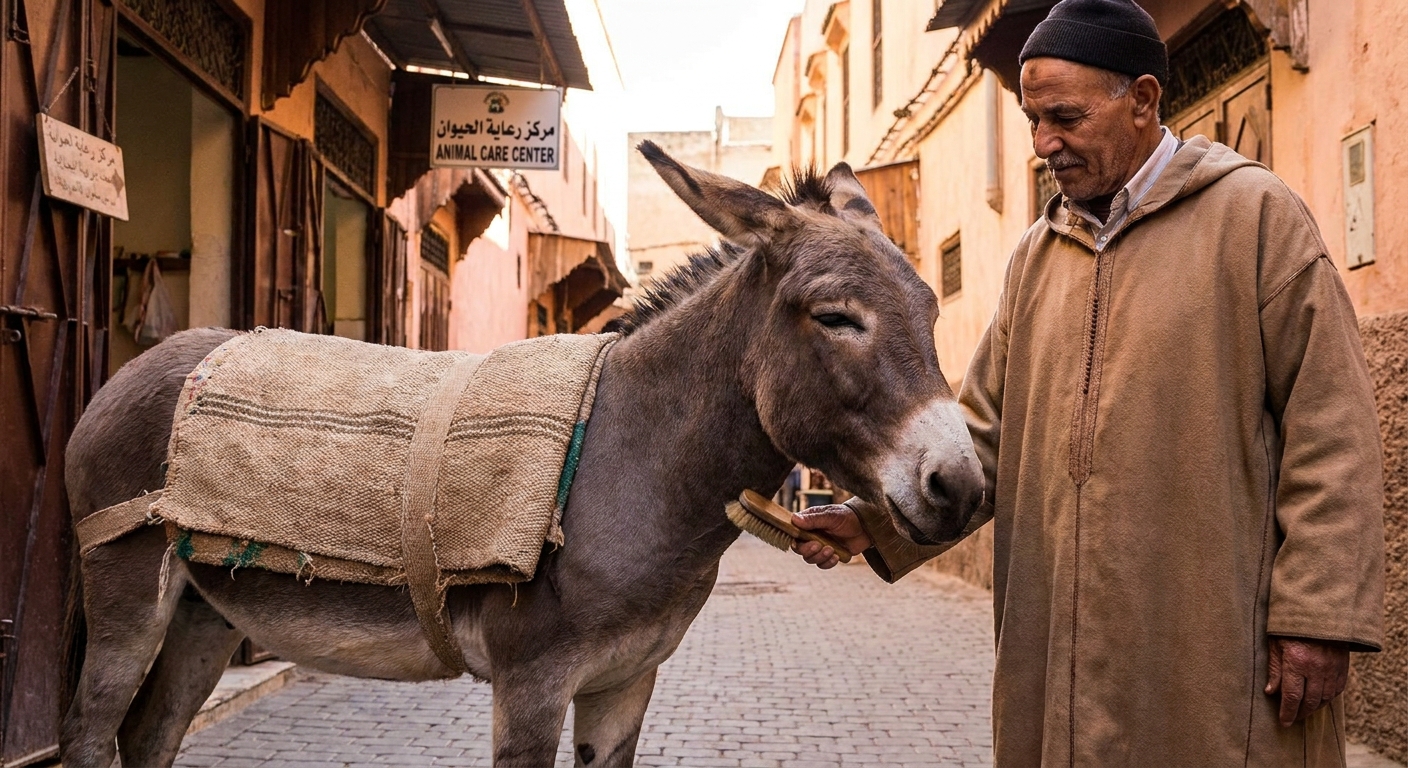
There’s also been a wonderful shift toward tours focused on animal rescue and rehabilitation. These give you a chance to connect with animals in a way that feels good — for you and for them. And those donkeys you’ll see clip-clopping through the medina? They’re not just charming; they’re vital to how this city functions. Several organizations now work specifically to protect and care for these animals, rescuing those that have been neglected and giving them a second chance.
Statistics Reflecting the Shift Towards Ethical Tourism
Numbers don’t lie, and these paint an interesting picture of where Essaouira’s animal tourism is headed:
- 45%-60%: That’s how much awareness about animal welfare has jumped among travelers in just the past three years. People are waking up.
- 80%: The percentage of tours in Essaouira now meeting animal welfare standards. Not perfect, but pretty impressive progress.
- 1 million+: The estimated number of visitors Essaouira welcomes each year — many of whom participate in some form of animal tourism.
- 3-5: The number of registered organizations actively rescuing donkeys and advocating for humane treatment in the region.
Expert Insights and Perspectives on Ethical Tourism
Talk to anyone who studies sustainable tourism, and they’ll tell you something that might surprise you: ethical animal tourism isn’t just good for the animals — it’s good for everyone. A representative from the Morocco Tourism Board put it well: “Ethical tours enhance the travel experience and simultaneously bolster local economies while safeguarding animal welfare.”
Organizations like SPANA (Society for the Protection of Animals Abroad) have been championing this message for years, pushing for better treatment within the tourism industry and encouraging travelers to vote with their wallets by supporting businesses that do things right.
Emerging Trends in Animal-Centric Tourism
The landscape is shifting — you can feel it. More operators are pursuing certifications that prove they meet animal welfare standards. The local tourism authority has become noticeably more proactive, actively promoting ethical tours and running education programs for operators who want to improve their practices.
Wildlife observation tours are gaining serious traction too. Think less “performing animals” and more “watching them in their natural element.” There’s also a growing interest in ecotourism experiences — walking tours and camel rides through natural habitats that tread lightly on the environment while giving visitors authentic encounters with Morocco’s incredible wildlife. It’s the kind of tourism that leaves places better than you found them.
Challenges and Controversies in Animal Tourism
Let’s be real for a moment. Despite all this progress, problems remain. Not every operator has gotten the memo — or chosen to follow it. Some still offer experiences that push animals too hard, skimp on proper care, or prioritize profit over welfare. As a traveler, you need to stay alert.
And then there’s the marketing problem. Some companies have become experts at greenwashing — making their tours sound ethical when the reality doesn’t quite match. Animal welfare advocates can’t stress this enough: do your homework before booking anything. Read reviews carefully, ask direct questions, and trust your gut. If something feels off, it probably is.
Summary of Key Insights
The bottom line? Responsible animal tourism in Essaouira is gaining real momentum. Many operators genuinely prioritize animal welfare and give back to their communities. Travelers are increasingly seeking out ethical experiences — from camel trekking done right to wildlife observation that respects natural habitats. That said, the inconsistency among some operators means education and awareness remain crucial. The more we know, the better choices we make.
Frequently Asked Questions
What constitutes responsible animal tourism?
Simply put, it’s engaging with animals in ways that respect their welfare and wellbeing. We’re talking about ethical practices that benefit the animals involved, support local communities, and don’t exploit anyone — human or otherwise — in the process.
How can tourists ensure they are participating in ethical tours?
Do your research. Look for operators with clear commitments to animal welfare, read reviews from previous travelers, and prioritize companies with recognized ethical certifications. Don’t be afraid to ask questions directly — reputable operators will be happy to answer them.
What animals are typically involved in animal tourism in Essaouira?

You’ll mostly encounter camels and donkeys, used primarily for trekking and transport. The key is ensuring their welfare comes first — reasonable workloads, proper nutrition, adequate rest, and veterinary care when needed.
Are there any challenges to ethical animal tourism in Morocco?
Unfortunately, yes. Some operators still don’t follow animal welfare guidelines consistently, and others use misleading marketing to appear more ethical than they actually are. That’s why traveler vigilance matters so much.