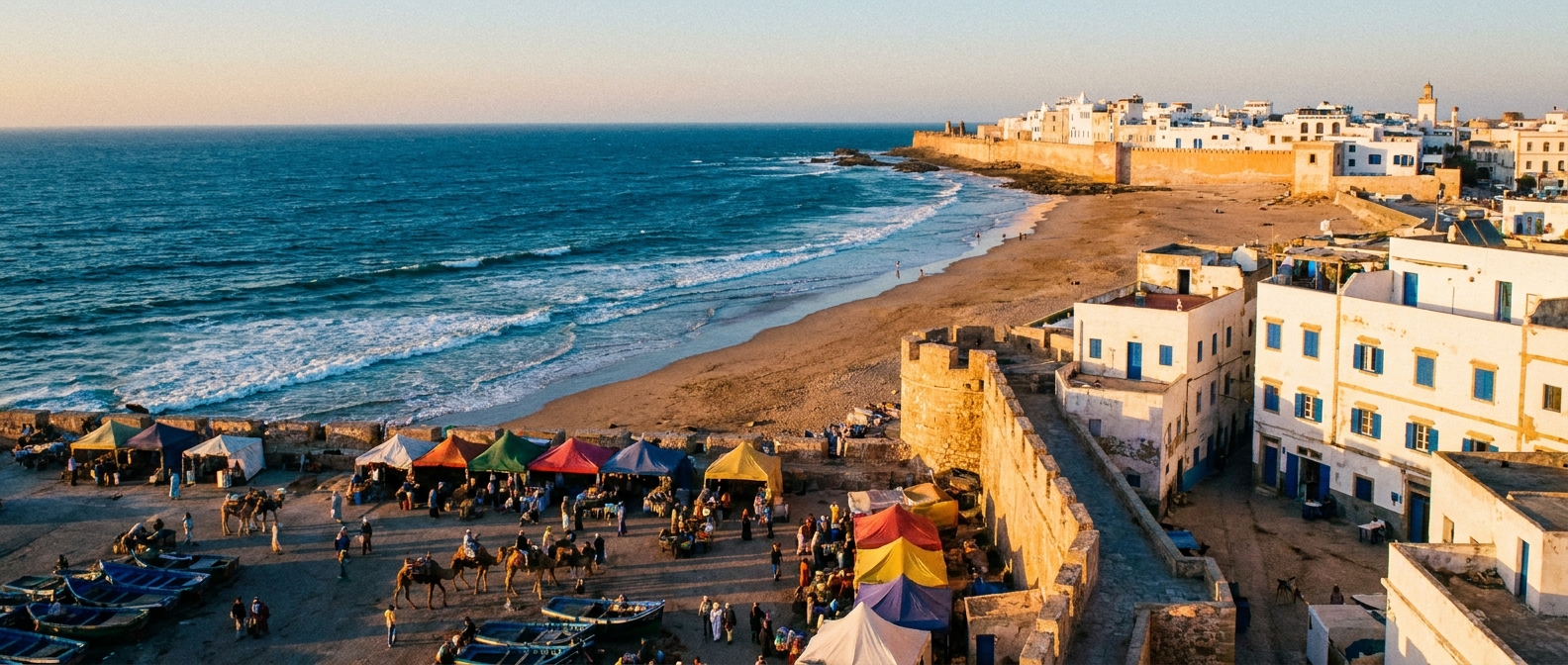
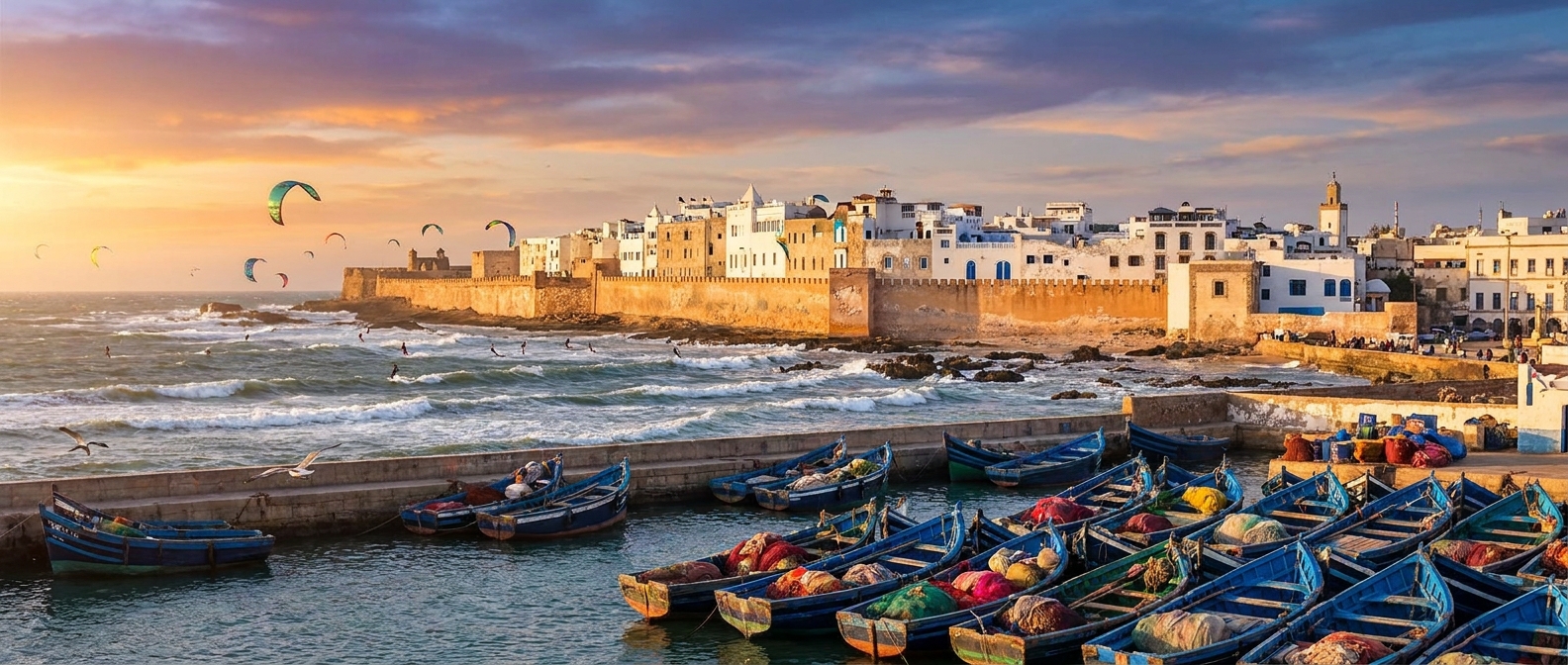
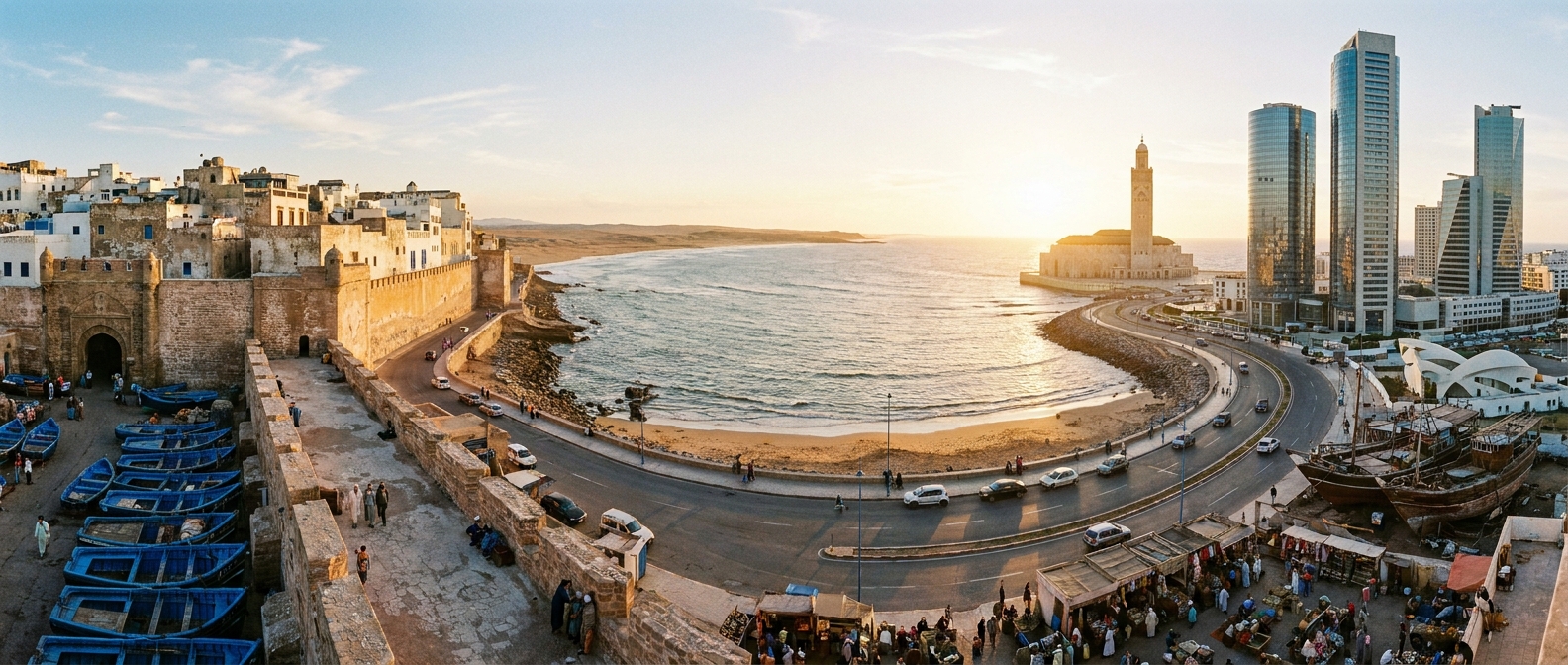
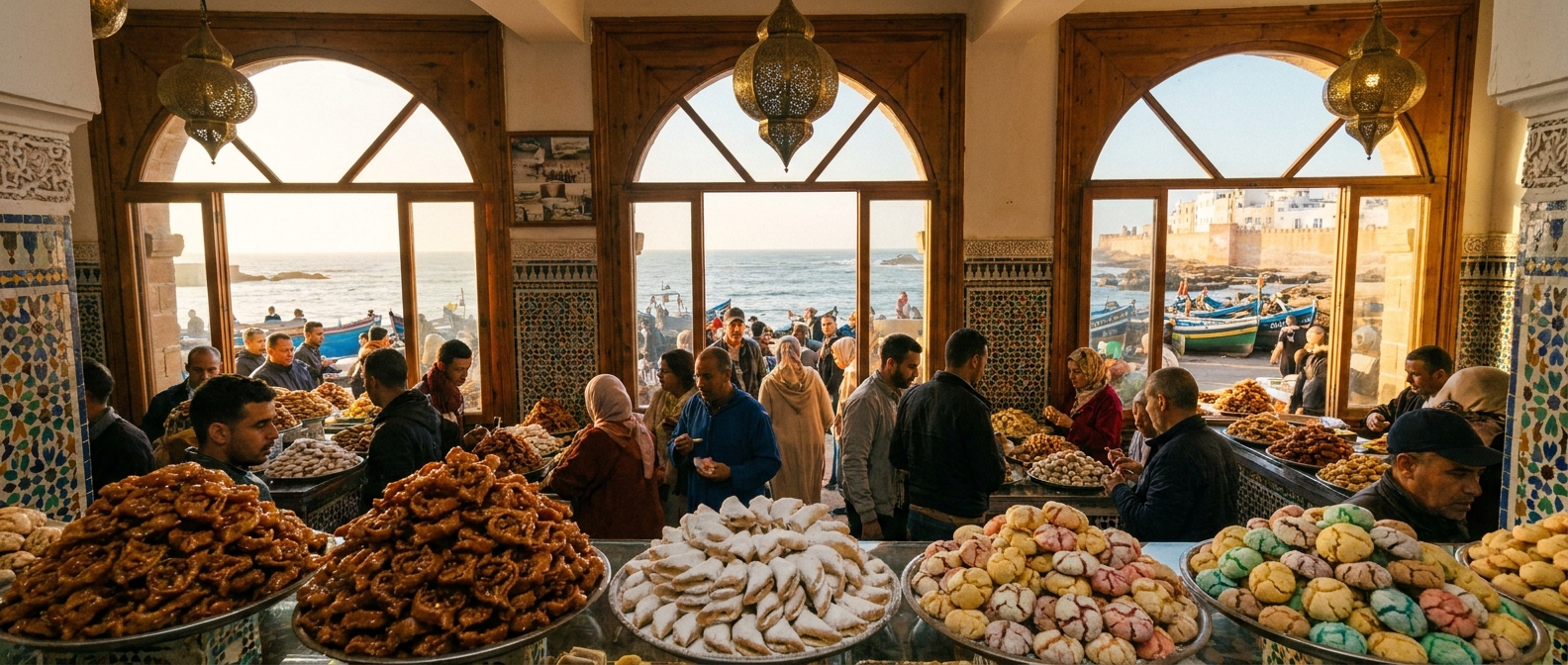
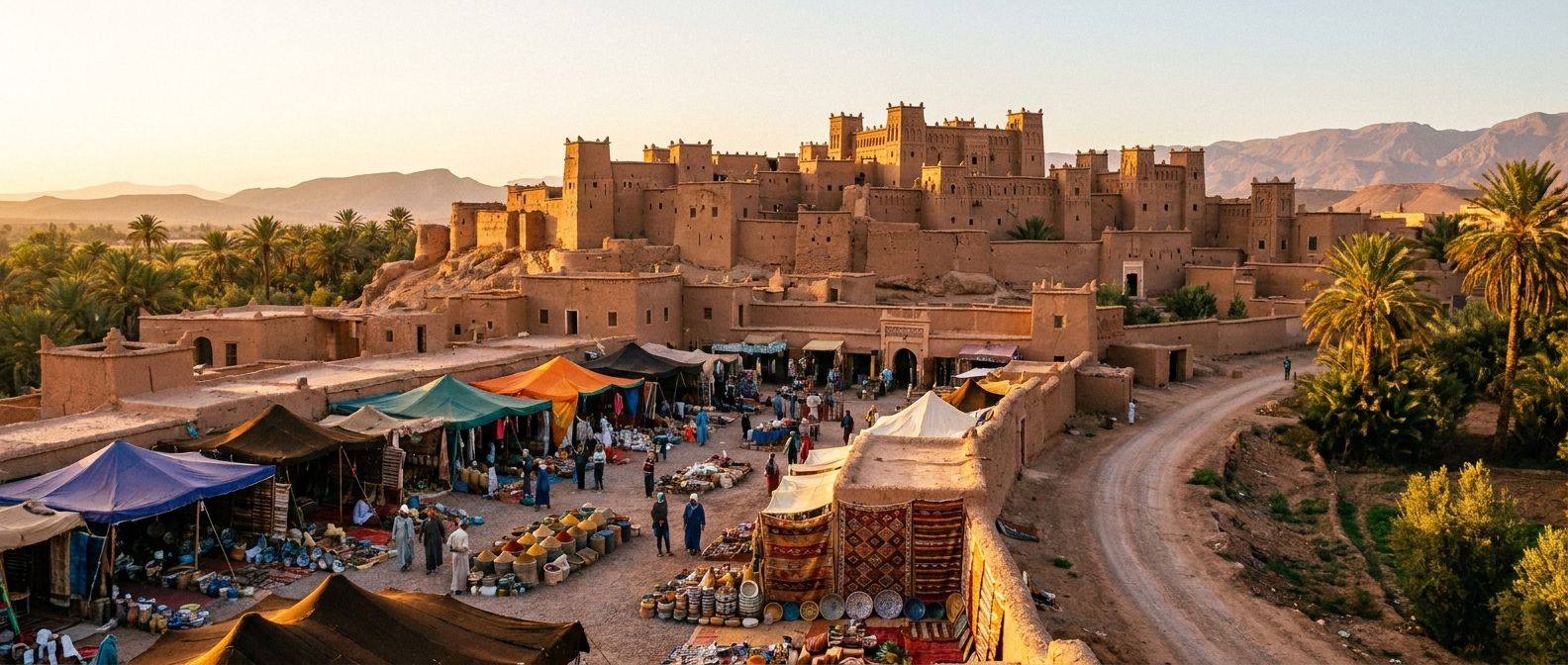
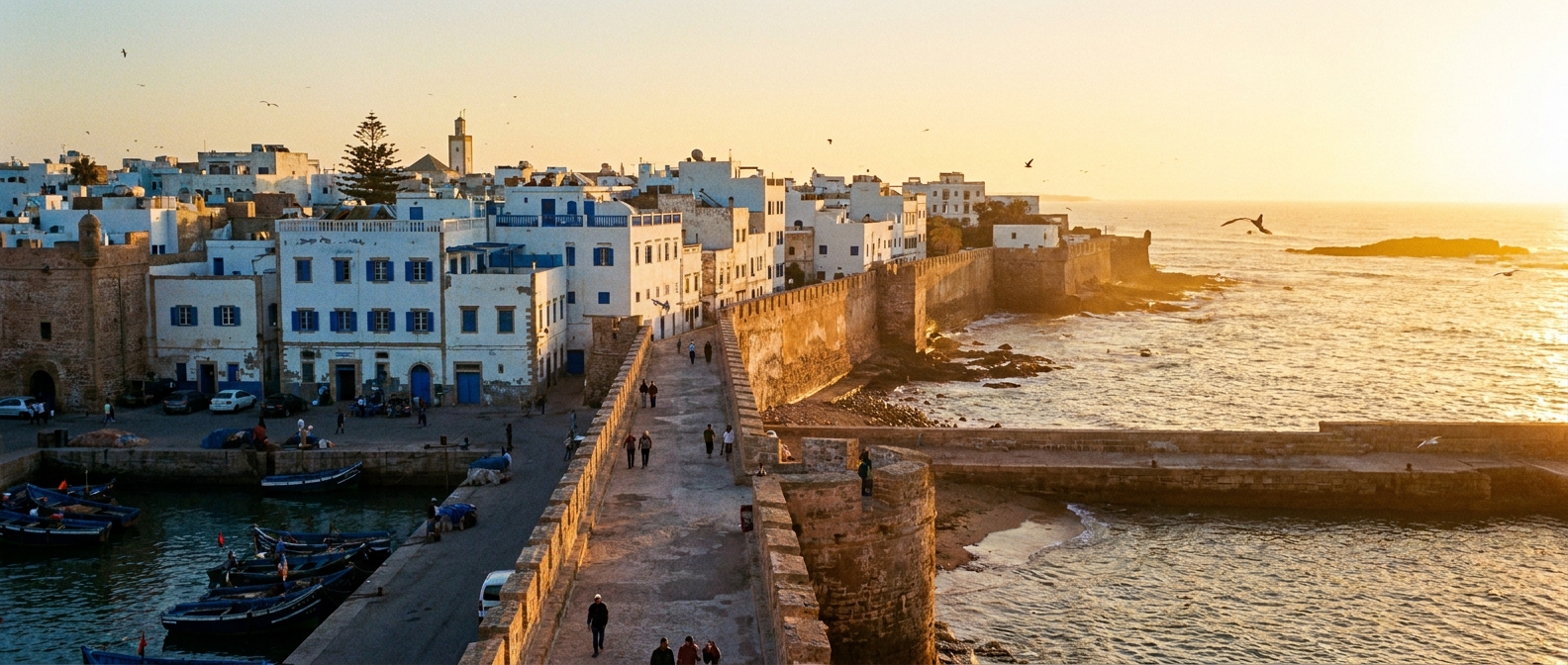
There’s something almost magical about walking through Essaouira’s windswept streets. This Atlantic coast gem — once known as Old Mogador — carries the weight of centuries in its blue-shuttered buildings and weathered ramparts. The Phoenicians spotted its potential first, establishing a trading post here that would eventually become one of Morocco’s most captivating destinations.
But here’s what really fascinates me about this place: it’s never stopped evolving. From ancient traders to modern artists, Essaouira has always attracted people who see possibility in its salt-tinged air. In the pages ahead, we’ll trace how a small trading outpost became a UNESCO World Heritage site — and why the challenges it faces today might shape its next chapter.
Historical Foundations of Old Mogador
Picture this: it’s the 7th century BCE, and Phoenician merchants are scanning the Moroccan coastline for the perfect harbor. They find it in Mogador. The waters here teemed with opportunity, and soon enough, goods were flowing through this strategic port like water through a channel.
Fast forward a couple of centuries to the 5th century BCE. Carthaginian navigator Hanno sails past, essentially putting Mogador on the ancient world’s map. His visit confirmed what traders already knew — this spot mattered.
Then came King Juba II of Mauretania in the late 1st century BCE, and he had big plans. He built a dyeing factory that harvested local murex shells to produce Tyrian purple — you know, that impossibly expensive dye that made emperors and kings look imperial. Suddenly, Mogador wasn’t just a pit stop. It was a manufacturing hub.
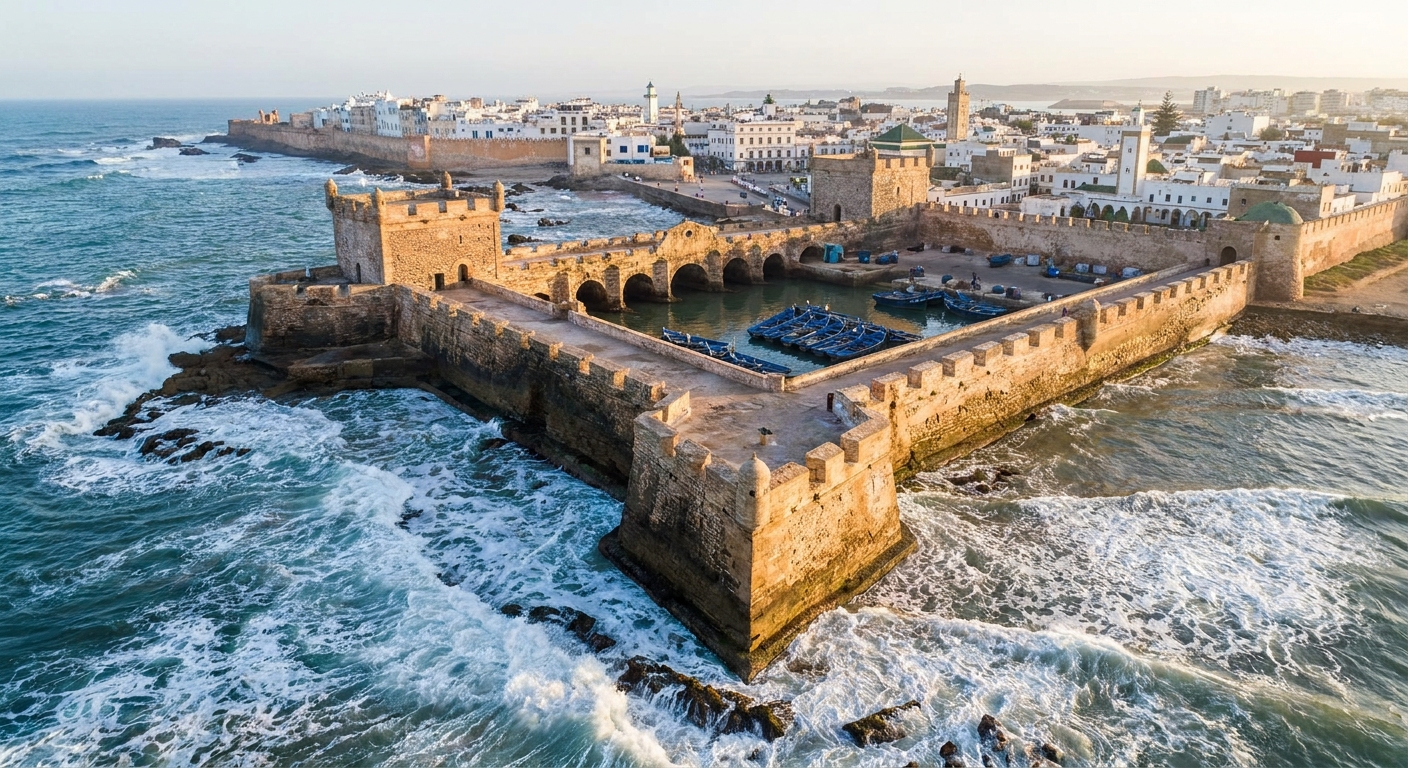
The real transformation, though? That happened in the 18th century when Sultan Sidi Mohammed ben Abdallah decided to reimagine the entire city. Working from European urban planning principles (quite forward-thinking for the time), he created the fortified port city we recognize today. The famous medina rose from the ground, incorporating bits and pieces of old Portuguese structures into something entirely new. Walk through it now, and you’re essentially walking through a conversation between cultures.
Essaouira Today: A Cultural Mosaic
Modern Essaouira? It’s nothing short of a living museum — though that phrase doesn’t quite capture its energy. The UNESCO World Heritage designation is well-deserved, sure. But what really sets this city apart is how it wears its history without being weighed down by it.
The architecture tells multiple stories at once. Portuguese military structures stand alongside Berber craftsmanship. Jewish mellah neighborhoods echo with memories of a once-thriving community. Each street corner offers a different chapter.
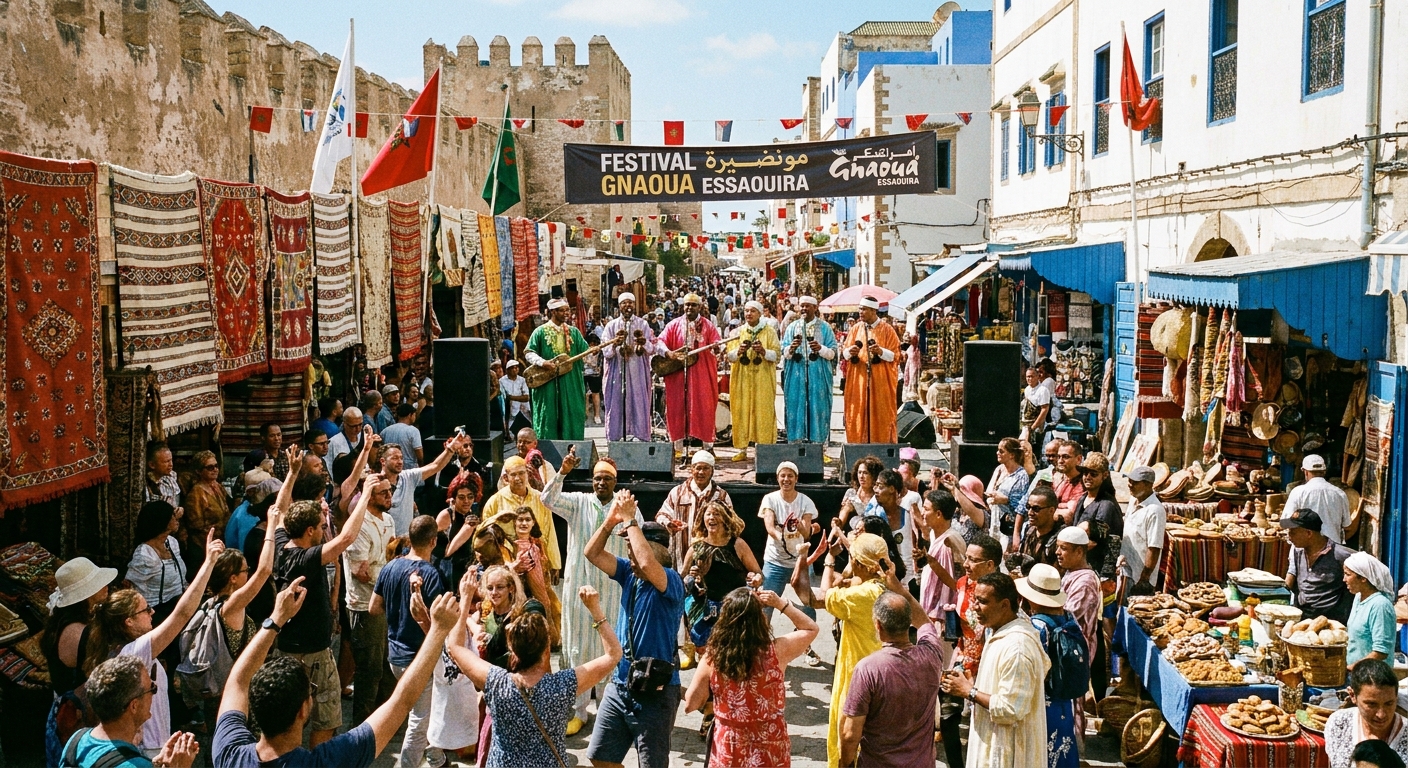
And then there’s the Gnaoua World Music Festival. Every year, thousands pour into the city to experience traditional Gnaoua rhythms colliding with contemporary sounds. It’s not just a concert series — it’s a statement about what Essaouira has always been: a place where different worlds meet and make something new together.
Key Statistics That Define Mogador’s History
Sometimes the timeline tells the story best. Here are the moments that shaped Mogador into what it is today:
- 7th Century BCE: Phoenician traders establish their post — Mogador’s first chapter begins.
- 5th Century BCE: Hanno’s visit puts the port on Carthaginian trading maps.
- 1764-1765: Sultan Sidi Mohammed ben Abdallah rebuilds the city from scratch.
- UNESCO World Heritage Site: International recognition for its architectural and cultural significance.
Each of these dates marks a turning point. Together, they trace a city that somehow kept reinventing itself while staying true to its identity as a crossroads.
Expert Insights on the Maritime Legacy
Historians get genuinely excited when they talk about Mogador — and honestly, you can see why. The Phoenicians, Carthaginians, Portuguese, and Alaouite dynasty all left their fingerprints here. That’s a remarkable amount of cultural DNA packed into one coastal city.
As historian John Smith puts it, “Mogador stands as a bridge between civilizations, a node in the trade networks that not only shaped Morocco but influenced trans-Saharan and Atlantic trade routes for centuries.”
Think about that for a moment. This wasn’t just a local port. It was a connection point that helped shape how Africa and Europe understood each other. The implications? They’re still playing out in conversations about globalization and cultural exchange today.
Modern Challenges and Sustainable Tourism
Here’s the uncomfortable truth: popularity comes with a price. Essaouira’s charm draws visitors by the thousands, and those footsteps take their toll on centuries-old stones. The challenge facing local authorities isn’t simple — how do you share a treasure with the world without wearing it out?
There’s another layer to this too. The colonial narratives embedded in the city’s Portuguese and French influences spark ongoing conversations among scholars and residents. Some of these discussions are complicated, even painful. But ignoring them isn’t an option — not if Essaouira wants to tell its full story.
Balancing preservation with progress, heritage with hospitality — it’s a tightrope walk. And the people working on these questions don’t have easy answers. What they do have is genuine commitment to getting it right.
Significance of Heritage in Essaouira
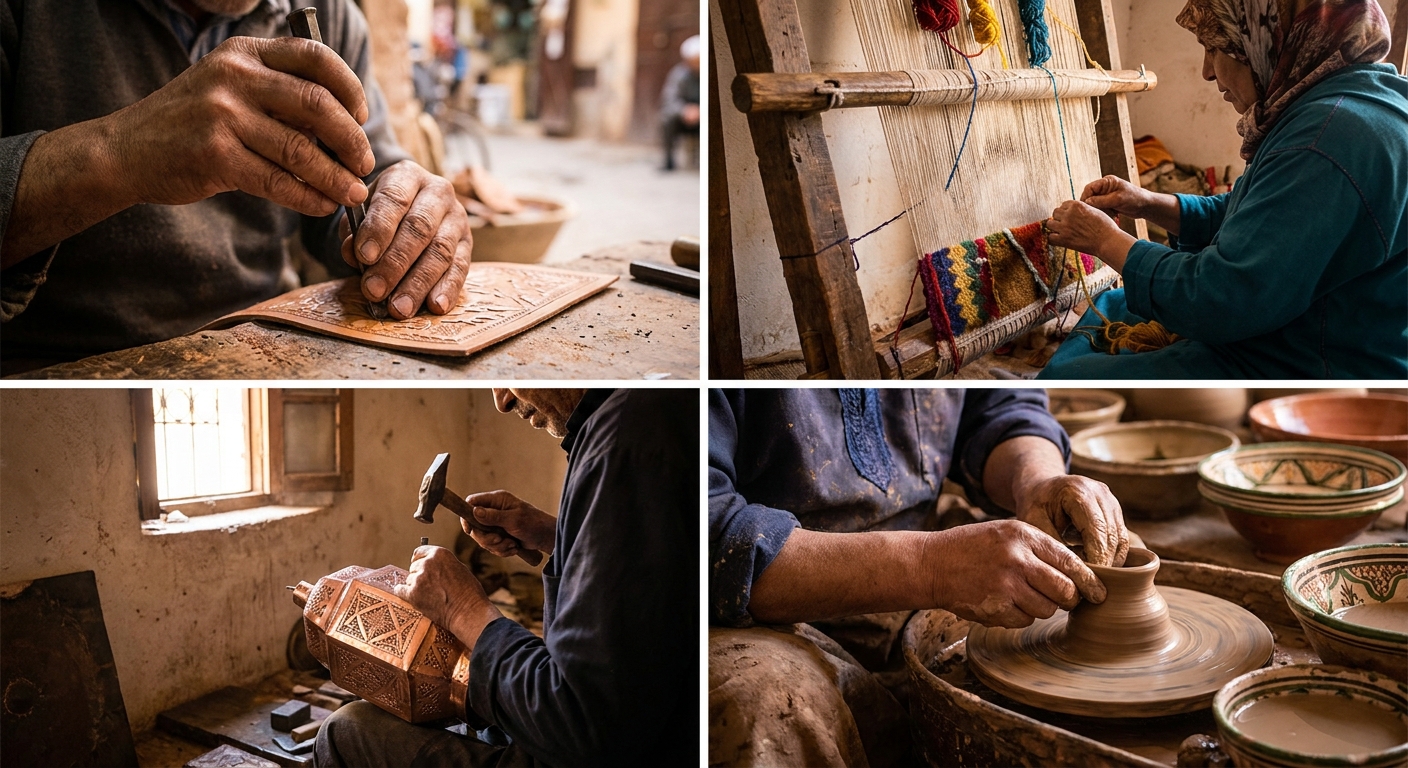
What strikes you most about Essaouira is how alive its history feels. This isn’t a place frozen in amber. Artisans still practice traditional crafts in workshops that smell of cedar shavings and dye. Musicians still improvise on forms their grandparents taught them. And yes, contemporary artists add their own voices to the mix.
Local initiatives work hard to ensure heritage sites stay vibrant, not just preserved. There’s an understanding here that culture isn’t something you lock away — it’s something you live. And that philosophy shapes everything from restoration projects to festival programming.
When you wander through Essaouira, you’re participating in something that’s been happening for millennia: people from different places, finding common ground in a city built for exactly that purpose. The streets still whisper their old stories. But they’re also making room for new ones — including yours.
Frequently Asked Questions
What is the historical significance of Essaouira?
Essaouira started life as Old Mogador, a trading post that connected civilizations across continents. Its real transformation came in the 18th century under Sultan Sidi Mohammed ben Abdallah, who built it into the fortified port city that still stands today. Essentially, it’s been a meeting point for cultures for over 2,500 years.
How does Essaouira preserve its cultural heritage?
The city takes a multi-pronged approach: robust heritage tourism that highlights (rather than exploits) traditional crafts, music, and arts; UNESCO World Heritage protection; and local initiatives that keep traditional practices alive in everyday life. It’s preservation through participation, not just protection.
What challenges does Essaouira face today?
The big ones? Tourism sustainability and site preservation. More visitors mean more wear on historic structures. Plus, there’s the ongoing work of balancing tourist expectations with authentic cultural identity — a challenge that requires constant attention from local authorities and community members alike.
What makes Essaouira a popular tourist destination?
Take a beautifully preserved medina, add a thriving arts scene, throw in world-class wind conditions for water sports, and top it off with events like the Gnaoua World Music Festival. The result? A destination that offers something for nearly everyone — history buffs, artists, adventure seekers, and culture enthusiasts all find their niche here.