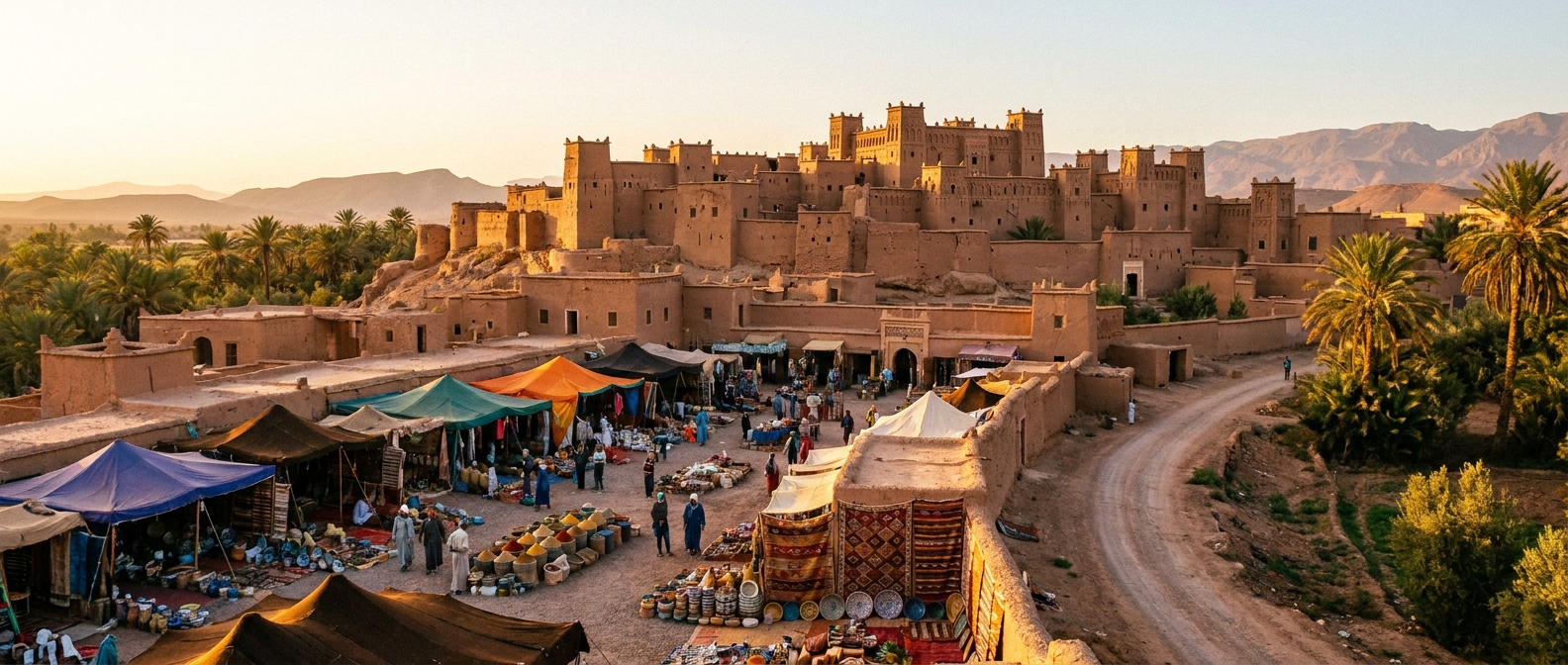
There’s something about Essaouira that makes you want to stay. Maybe it’s the way the Atlantic breeze sweeps through the ancient medina, or how time seems to move differently here — slower, gentler, more forgiving. This charming coastal city on Morocco’s Atlantic shore has quietly become a magnet for long-term travelers who’ve grown tired of rushing from one destination to the next.
What draws people here? A little bit of everything, really. The rich history woven into every stone, the vibrant art scene, a medina that feels like stepping into another era, and beaches that stretch on forever. If you’re the kind of traveler who wants to actually *live* somewhere rather than just pass through, Essaouira might just be your place. This guide covers everything you’ll need — when to go, where to stay, what to expect, and how to settle into the rhythm of this coastal gem.
Historical Significance of Essaouira
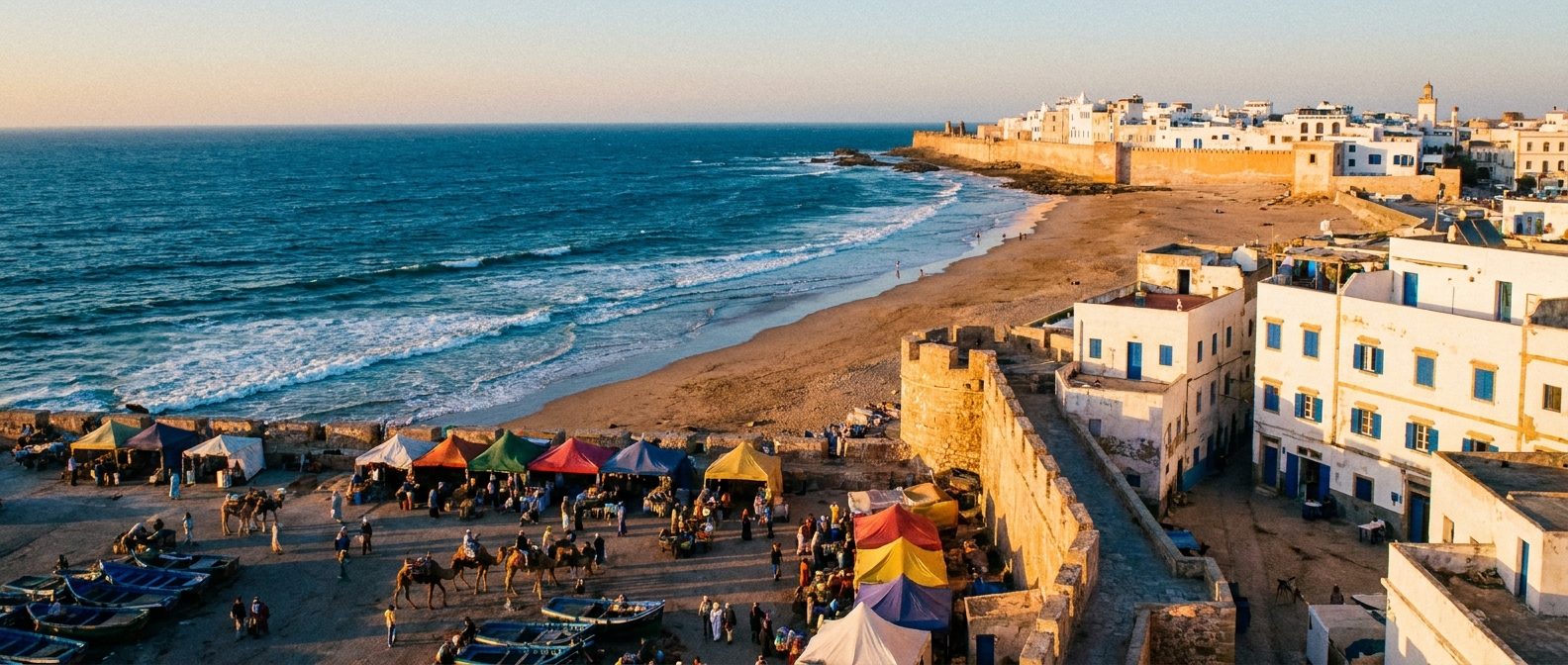
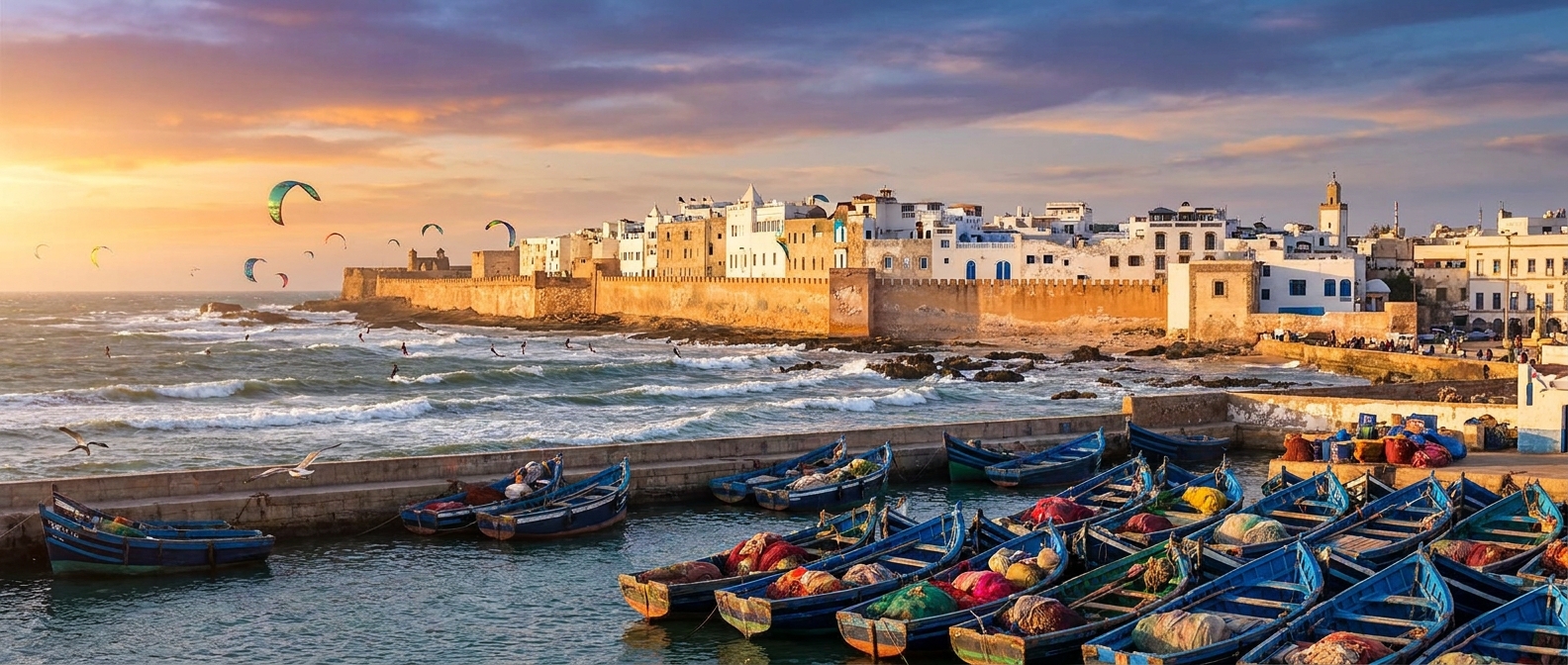
Essaouira wears its history proudly. The city once buzzed with activity as a crucial trading port, first under Portuguese rule, then French. Walk through the medina today and you’ll understand why UNESCO designated it a World Heritage site. Those distinctive blue and white buildings? They’re not just Instagram-worthy — they tell the story of centuries of cultural exchange and architectural evolution.
Getting lost in the winding streets here is half the fun (and trust me, you *will* get lost). Around every corner, there’s something to discover: ancient fortifications standing guard against the sea, souks overflowing with handcrafted treasures, artisans practicing techniques passed down through generations. The city’s creative spirit isn’t new — it’s been cultivating artists and dreamers for centuries. Whether you’re a history buff or simply someone who appreciates beautiful places with soul, Essaouira rewards those who take their time.
The Current Landscape of Essaouira
These days, Essaouira has evolved into something of an artistic haven. Musicians, painters, and creatives of all stripes have made this place home — and it shows. The annual Gnaoua and World Music Festival in June transforms the city into a celebration of sound that draws visitors from around the globe.
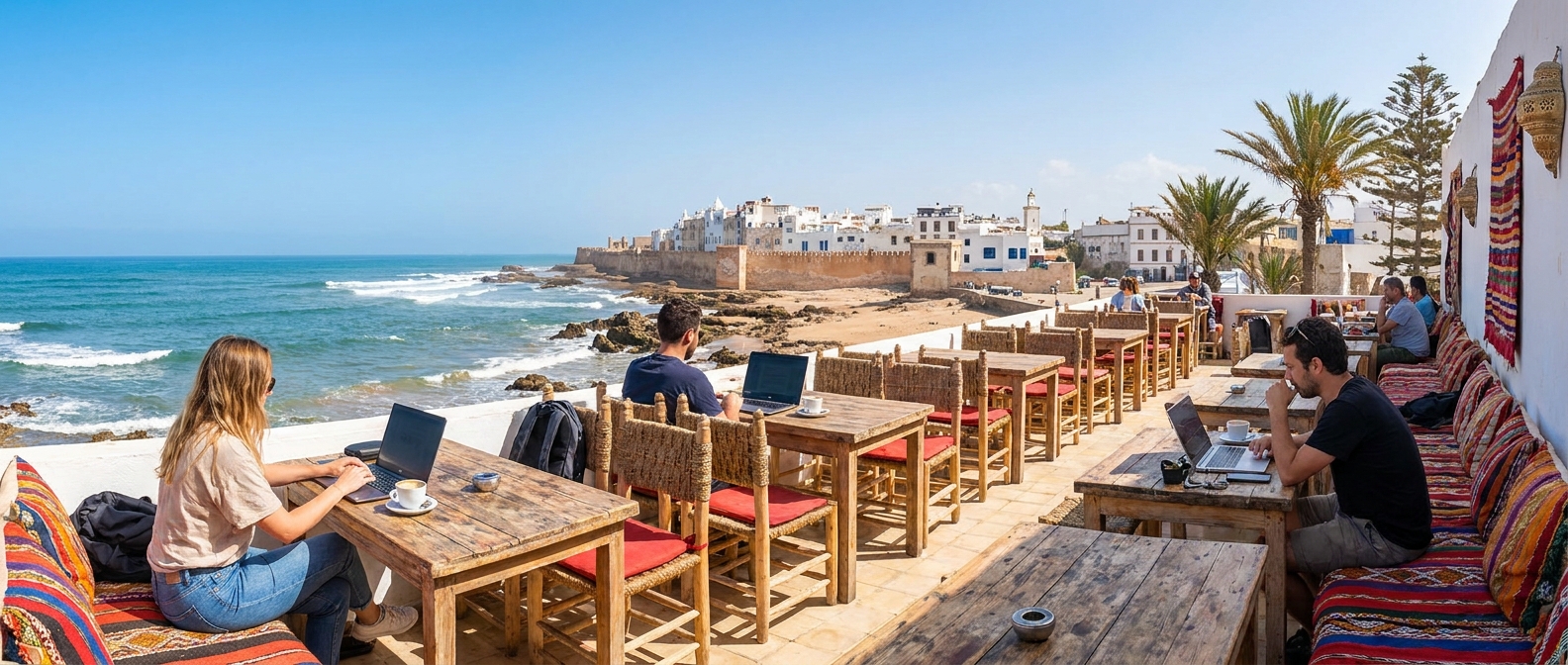
But here’s what’s really changing: Essaouira is no longer just a quick day trip from Marrakech. More and more people are choosing to stick around. Digital nomads tap away at laptops in seaside cafes. Retirees have traded hectic city life for morning walks along the ramparts. Families rent furnished apartments for months at a stretch. There’s now a thriving community of expats and long-term visitors who’ve discovered what the locals have always known — this city has a way of making you feel at home. The markets, galleries, and cafes hum with energy, creating natural gathering spots where newcomers quickly become regulars.
Statistics and Insights on Long-Term Stays
Let’s talk numbers, because they tell an interesting story. While the average visitor spends about a week in Essaouira, a growing number are opting for month-long stays — or longer. And the cost? Surprisingly reasonable. You can find a decent furnished apartment for somewhere between €250 and €400 per month. Want something fancier — say, a villa with ocean views? Expect to pay €500 to €1,200, depending on what you’re after and where it’s located.
Getting here is straightforward too. Hop on a bus from Marrakech or rent a car, and you’re looking at roughly three hours of scenic driving. That accessibility is part of what makes Essaouira work so well for extended stays — close enough to major hubs for easy logistics, far enough to feel like a genuine escape.
When to Visit Essaouira: Perfect Timing for Slow Travel
Timing matters here. The sweet spots? March through May, and September through November. During these shoulder seasons, the weather hits that perfect balance — warm enough to enjoy the beach, cool enough to explore without melting. Plus, you’ll dodge the summer crowds and the sometimes-intense Atlantic winds that Essaouira is known for.
Travel writer Linda O’Donnel, who specializes in Morocco, puts it well: “Essaouira’s charm lies in its slower pace and the community that thrives here, which fosters a relaxing environment for long stays.” She’s right. Visit during these quieter months and you’ll find yourself actually connecting with locals rather than jostling through tourist crowds. That’s when the magic happens.

Healthy Trends in Essaouira

Slow travel isn’t just a buzzword here — it’s practically a lifestyle. There’s been a noticeable shift toward wellness-focused activities: yoga retreats overlooking the ocean, surf schools for all skill levels, hands-on cultural workshops where you might learn traditional Moroccan cooking or carpet weaving. These experiences let you dig deeper into local culture rather than just skimming the surface.
And for those of us who can’t completely unplug from work? Essaouira’s got you covered. The digital nomad scene is growing steadily, with coworking spaces popping up and internet reliability improving. It’s becoming easier to balance that morning surf session with an afternoon of productive work — not a bad way to live, if you ask me.
Challenges to Consider
Now, let’s be honest — no place is perfect. Essaouira has its quirks and challenges you should know about. During peak tourist seasons, prices can creep up noticeably. And those charming souks? Sometimes the vendors can be… let’s say *persistent*. It’s nothing personal, and a friendly but firm approach usually works, but it can feel overwhelming at first.
There’s also an ongoing conversation about sustainability. As more visitors discover this coastal gem, the city grapples with familiar questions: How do you preserve cultural authenticity while welcoming tourism? What about waste management along the coast? These are real issues that the community is actively working through — something worth being mindful of as a respectful long-term guest.
Conclusion: Embrace the Essaouira Experience
So here’s the bottom line: if you’re craving a place where you can slow down, breathe deeply, and actually experience a destination rather than just photograph it, Essaouira deserves serious consideration. The combination of affordable living, welcoming locals, artistic energy, and natural beauty creates something special — a place where long stays feel less like extended vacations and more like coming home.
Aim for those shoulder seasons (spring and fall) for the best experience. Whether you find yourself hypnotized by waves crashing against the seawall or wandering through the medina’s kaleidoscope of colors, Essaouira has a way of getting under your skin. Plan thoughtfully, arrive with an open heart, and prepare to fall a little bit in love with this coastal Moroccan treasure.
Frequently Asked Questions
What are the best months to visit Essaouira for a long stay?
You’ll want to aim for March through May or September through November. The weather during these months is pleasantly mild, and you won’t be competing with peak-season crowds for space on the beach or in your favorite cafe.
How much does it cost to live in Essaouira for a month?
Budget around €250 to €400 monthly for a comfortable furnished apartment. If you’re looking for something more upscale — think villa with amenities — expect to spend between €500 and €1,200, depending on location and what’s included.

Is Essaouira suitable for digital nomads?

Absolutely. The city has really stepped up its game for remote workers, with more coworking spaces opening and internet reliability improving significantly. You can definitely maintain a productive work schedule while enjoying everything the city offers.
What activities are family-friendly in Essaouira?
Plenty! Kids love the beaches (think sandcastles, kite flying, and beginner-friendly water sports). Exploring the medina becomes an adventure for little ones, and there are cultural workshops — pottery, cooking, crafts — that engage the whole family.