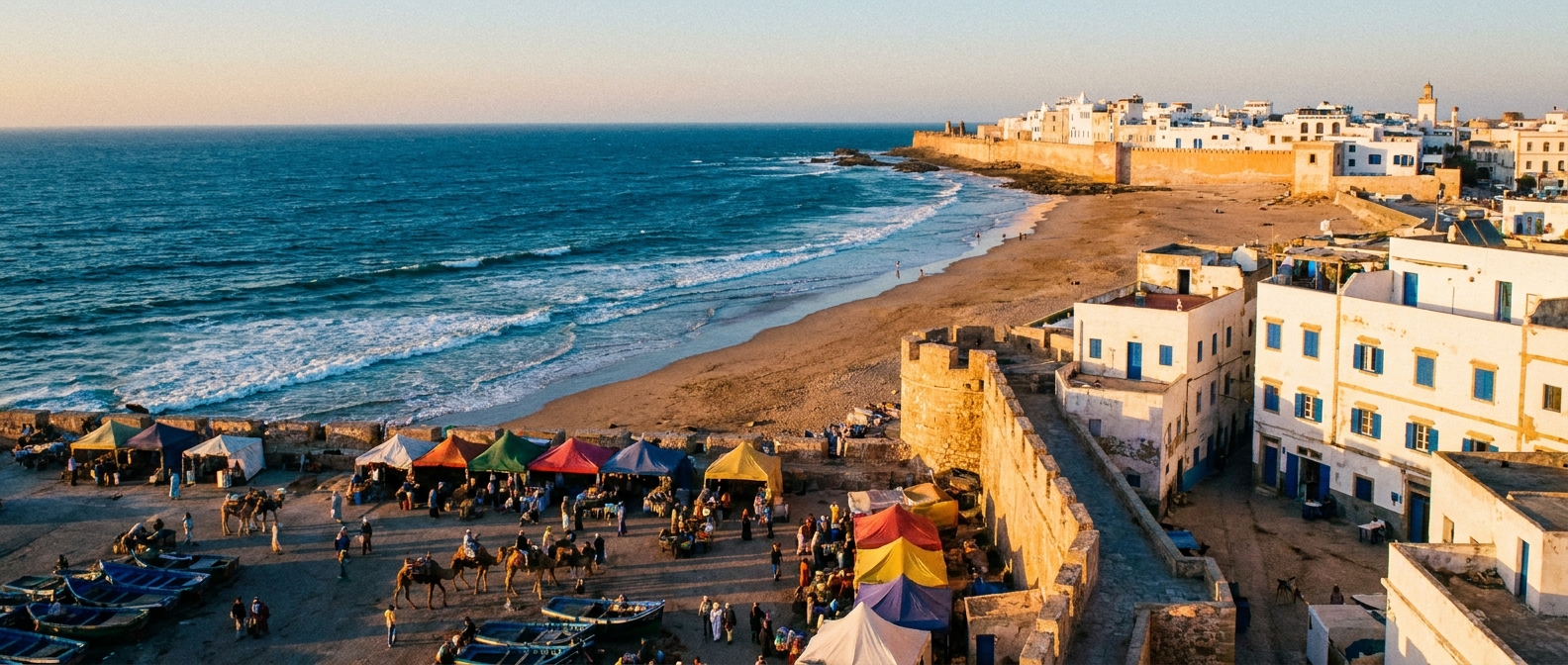
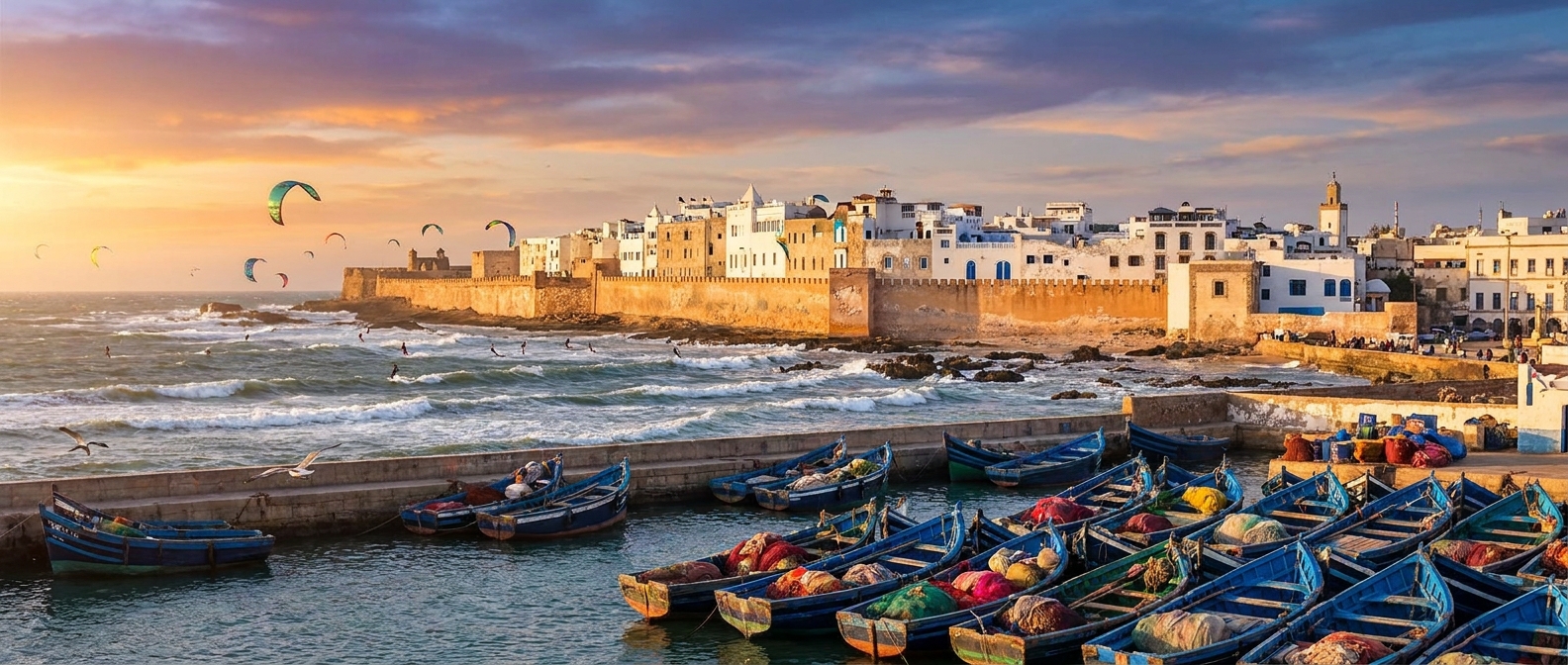
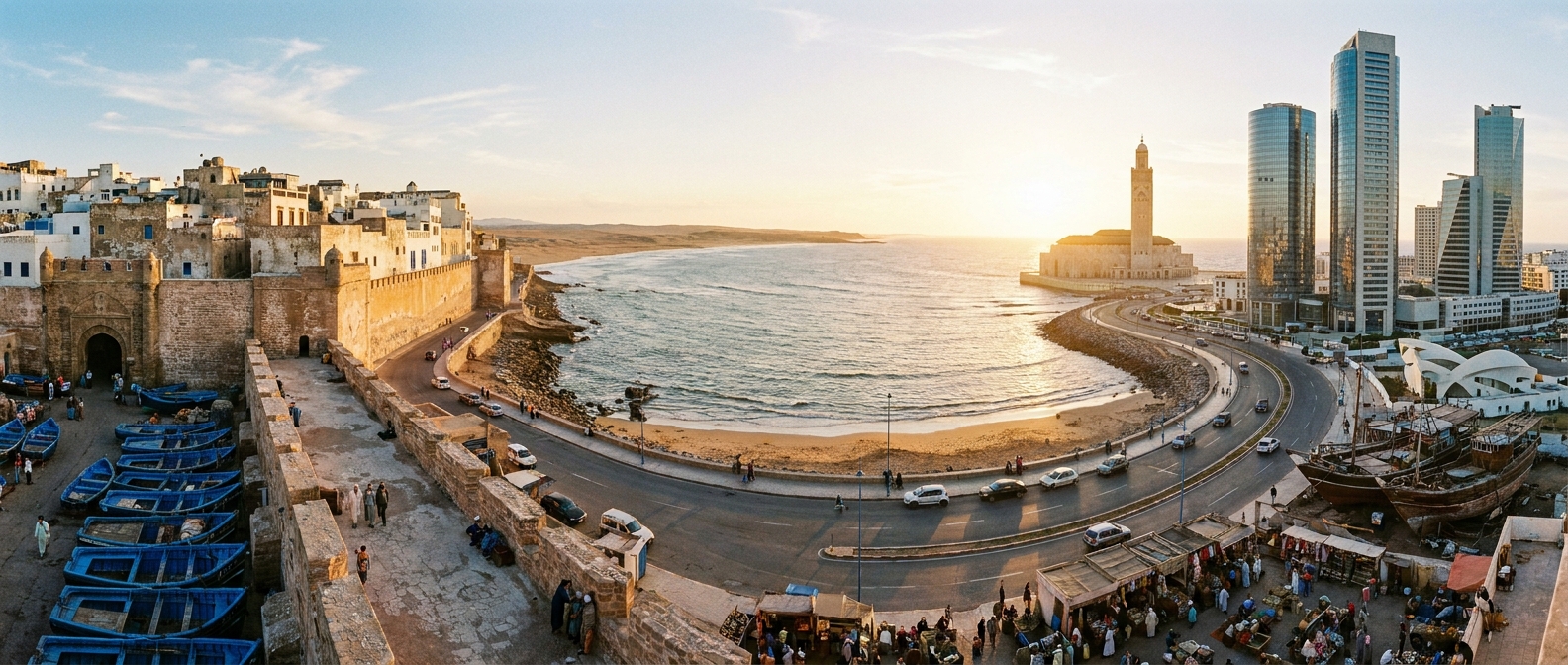
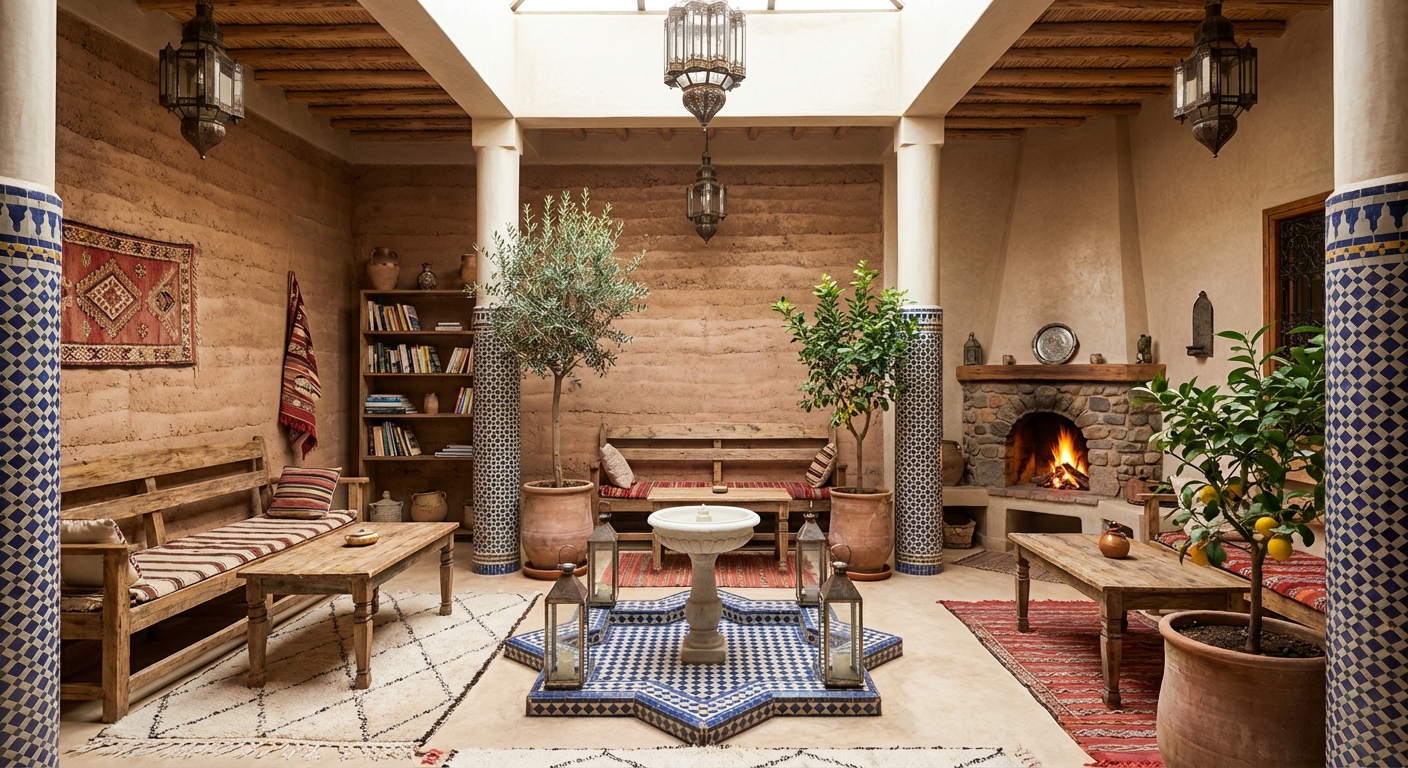
Walk through the winding streets of Essaouira, Morocco, and you’ll notice something almost immediately — cats. Everywhere. These furry residents lounge in sunny doorways, weave between market stalls, and have essentially claimed the entire city as their personal kingdom. And honestly? The locals wouldn’t have it any other way.
The coastal city isn’t just famous for its breathtaking Atlantic views and centuries of rich history. It’s become equally known for its remarkable feline population, creatures that have woven themselves into the very fabric of daily life here. So, why are there so many cats in Essaouira? The answer involves a fascinating blend of cultural reverence, practical wisdom, and genuine community care that’s been building for generations.
These aren’t your typical strays, either. Essaouira’s cats are watched over, fed, and genuinely appreciated by everyone from shop owners to tourists passing through. Let’s dig into what makes this feline phenomenon tick — and where you can go to experience it yourself.
Historical Importance of Cats in Morocco
Here’s the thing about cats in Morocco — they’ve always been more than just cute faces. Historically, they served a vital purpose: keeping pests under control in bustling urban centers where food storage could make or break a community. But there’s something deeper going on, too.
Islamic teachings consider cats ritually clean animals, which gave them an elevated status that dogs and other animals didn’t enjoy. Stories about Prophet Muhammad showing extraordinary kindness to cats have been passed down through centuries, shaping attitudes that persist today. You won’t find people shooing cats away here — quite the opposite, actually.
This historical connection runs deep. Cats in communities like Essaouira aren’t just tolerated; they’re celebrated. The relationship reflects both practical thinking (pest control matters) and something more emotional — a sense of companionship that’s been cultivated over countless generations.
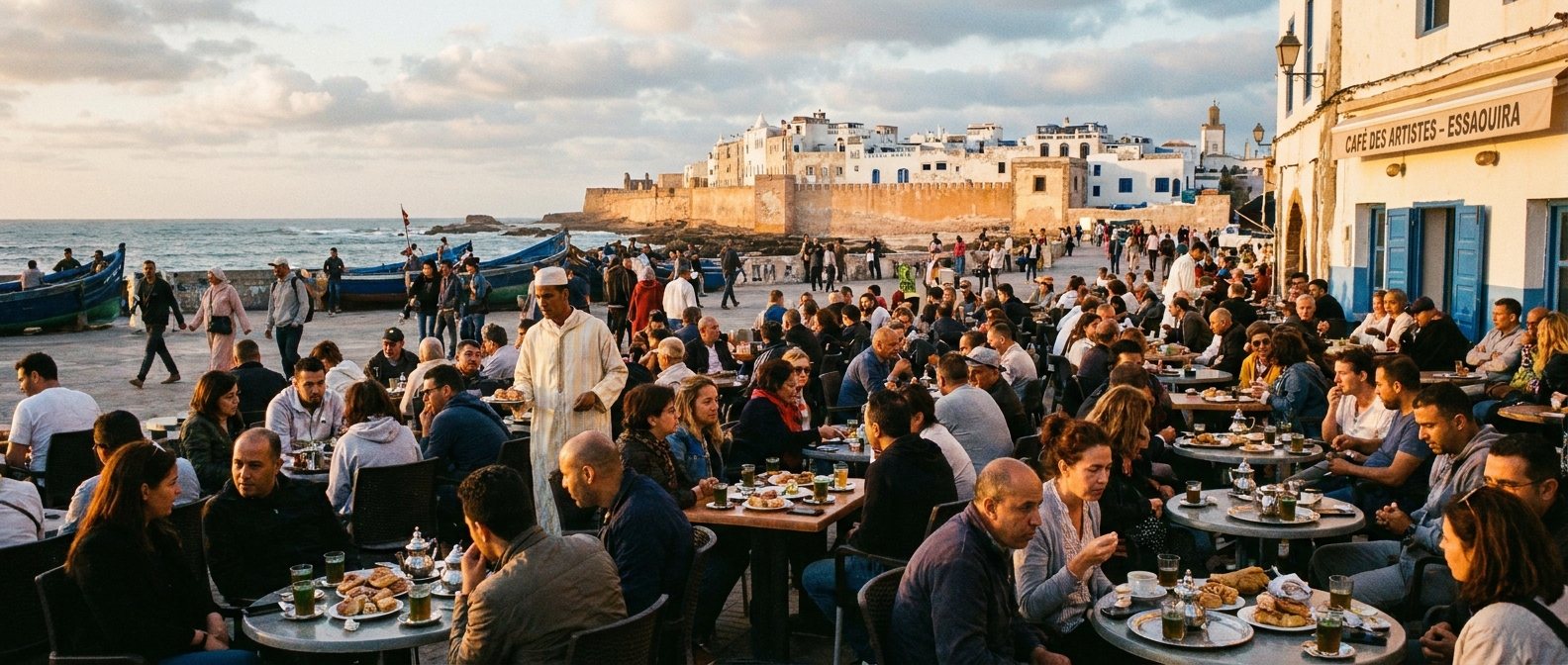
Fast forward to 2023, and Essaouira’s cat population is thriving. You’ll spot them absolutely everywhere — threading through the bustling medina, stalking around the fishing port (smart cats, those), and being slipped treats by café owners who’ve long since adopted them as unofficial staff members.
The Current State of Essaouira’s Cat Population
The community here genuinely views cats as good luck. It’s not just lip service, either — people actively support initiatives that help stray cats, contributing food and organizing medical care when needed. This isn’t charity; it’s just how things work here. The cats live alongside people, not apart from them.
Current estimates put Essaouira’s cat population somewhere between 2,000 and 3,000. That’s a lot of cats for a city this size. But those numbers tell a story — one of lasting respect and a lifestyle where animals roam freely, genuinely coexisting with the human population.
Dr. Abdellah Ben Khalifa, a cultural anthropologist who’s studied this phenomenon, puts it simply: “In Islam, cats are viewed as pure and good, thus influencing the respectful attitude Moroccans have towards them.” That explains why you’ll see cats lounging in cafés, wandering through markets, even hanging around mosques — and nobody bats an eye. It’s just… normal.
Cultural Significance and Community Involvement
Organizations like Cat Essaouira are doing important work on the ground. They run sterilization campaigns and provide medical care, tackling population growth while keeping these animals healthy and safe. It’s a serious commitment backed by the entire community — not just animal lovers, but regular residents who see cats as essential to everyday life.
And here’s where it gets interesting for visitors: local businesses have leaned into this feline presence hard. Cat-friendly spaces are popping up all over, places where you can grab coffee while a tabby curls up nearby. These spots aren’t just good for the cats — they’re drawing tourists and locals alike who want to experience Essaouira’s unique street-level charm.
There’s been a noticeable shift in recent years toward responsible pet care and street animal advocacy across Morocco. In Essaouira specifically, cats have inspired cafés and shops to embrace their presence, creating spaces where patrons dine with feline company. Tourism boards have caught on, too — plenty of travelers now actively seek out experiences centered around Essaouira’s famous cat culture.

Trends in Cat Culture

Social media has amplified all of this, naturally. Hashtags like #EssaouiraCats are blowing up, spreading awareness and rallying support for cat welfare. The online visibility has created something powerful: a growing sense of collective responsibility, where both locals and visitors feel invested in these animals’ well-being.
That said, having this many cats does come with complications. Health concerns and population control remain ongoing challenges. Local initiatives are working hard to address these issues humanely, but striking that balance — caring deeply while managing numbers practically — isn’t always straightforward.
Let’s be honest: challenges persist. Many kittens are still born without shelter or access to medical care. While feeding and sterilization programs help, the debate continues about how to best support these animals. Some folks push for full community integration; others argue for stricter controls to limit population growth. Both sides have valid points.
Challenges Facing Essaouira’s Cats
The conversation tends to circle back to sustainability — finding solutions that balance compassion with practicality. What’s encouraging is that policies around animal welfare are evolving, signaling a broader societal acknowledgment that these cats belong here, as part of the community.
So what’s the takeaway? Essaouira’s cats represent something special — a relationship between humans and animals that’s deeply rooted in culture and faith. The respect for cats in Moroccan society traces directly back to Islamic teachings that view them as pure and deserving of kindness.
Community-driven initiatives focus on feeding, caring for, and humanely managing the stray population. Local businesses have adapted, creating cat-friendly environments that work for everyone. And while challenges around health and population management remain, the commitment to these animals isn’t going anywhere.
Frequently Asked Questions
Why are there so many cats in Essaouira?
It comes down to a mix of history, culture, and practicality. Cats are seen as symbols of good fortune and receive genuine community care — a reflection of the deep cultural respect they’ve earned in Moroccan society over centuries.
Are the cats in Essaouira well cared for?
Most of them, yes. The community chips in with food and medical care, and local organizations focus on humane treatment and responsible population management. These aren’t abandoned animals — they’re community cats.

How does local culture influence the treatment of cats?

Islamic teachings emphasize that cats are pure creatures worthy of respect. This religious foundation shapes cultural attitudes, translating into genuinely positive treatment of cats throughout the community.
What challenges do Essaouira’s cats face?
Population control and health issues remain the biggest hurdles. There’s also ongoing debate about the best approach — full integration versus stricter management. Finding that balance while ensuring welfare is the key challenge.