So you’re heading to Essaouira — that gorgeous, wind-swept coastal city that looks like it belongs in a movie. Great choice. But here’s a question that trips up a lot of travelers: should you bring cash or rely on your cards?
The answer isn’t as straightforward as you might hope. Essaouira is this beautiful collision of old and new, where ancient medina walls meet modern cafés, and payment preferences reflect that same mix. While card acceptance is creeping in (especially at tourist spots), cash is still very much the currency of daily life here.
Let’s break down exactly what you need to know so you’re not stuck haggling for a rug with no way to pay for it.
Why Cash Still Rules in Essaouira
Essaouira has been a trading hub for centuries. We’re talking about a place where generations of merchants, fishermen, and artisans have built their livelihoods through face-to-face transactions — and that tradition hasn’t faded.
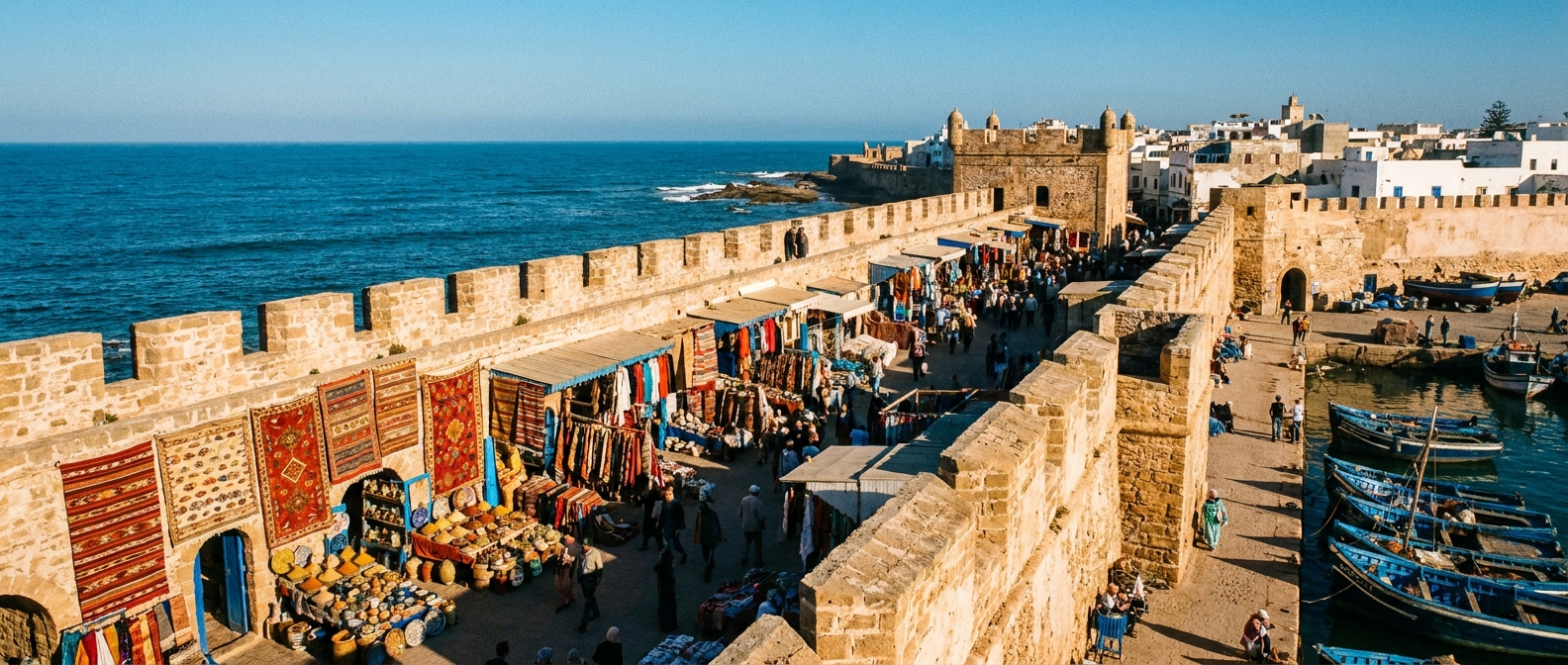
The local economy still runs on small businesses, handcrafted goods, and bustling market stalls. Cash has always been king here, and honestly? It probably will be for a while longer. Sure, the influx of tourists and new technology has nudged some businesses toward card machines, but this shift is happening slowly. Really slowly in some parts of town.
Understanding this helps you get why the guy selling gorgeous handwoven baskets might look confused if you pull out your Visa.
What’s the Payment Situation Actually Like?
Here’s the deal: cash dominates within the medina and among smaller vendors. You’ll need Moroccan Dirhams (MAD) — there’s no getting around it.
Now, some larger hotels and sit-down restaurants do accept credit cards. That’s great if you’re treating yourself to a nice dinner. But local eateries? Market stalls? Taxis? That spice shop with the amazing argan oil? Cash only, my friend.
The smart move is carrying a mix of both. Plastic for bigger purchases at established places, cash for everything else. Trust me, this combo will save you a lot of awkward moments.
The Numbers You Actually Need
Let’s get practical. Here’s what you should know before you go:
- Daily spending: Budget around 150-300 MAD per day in cash, depending on how much shopping and exploring you plan to do.
- The currency breakdown: Moroccan Dirhams come in notes of 20, 50, 100, and 200, plus coins from 1 to 10 Dirhams. Pro tip: smaller notes are your best friend in the medina.
- ATM access: You’ll find ATMs scattered throughout town. Most accept international cards, though withdrawal limits usually cap at 2000 MAD per transaction.
What the Locals and Experts Say
Cash is still king. Ask any local guide and they’ll tell you the same thing. Your daily coffee, taxi rides, market finds, interactions with craftsmen — all of it runs on paper money.
One travel expert put it perfectly: “Even basic services depend on cash. Having small notes ready can completely change how your day goes.” Think about it — when you can hand over exact change, negotiations go smoother, vendors are happier, and you avoid the dreaded “I don’t have change” dance.
The Digital Shift Is Coming (Slowly)
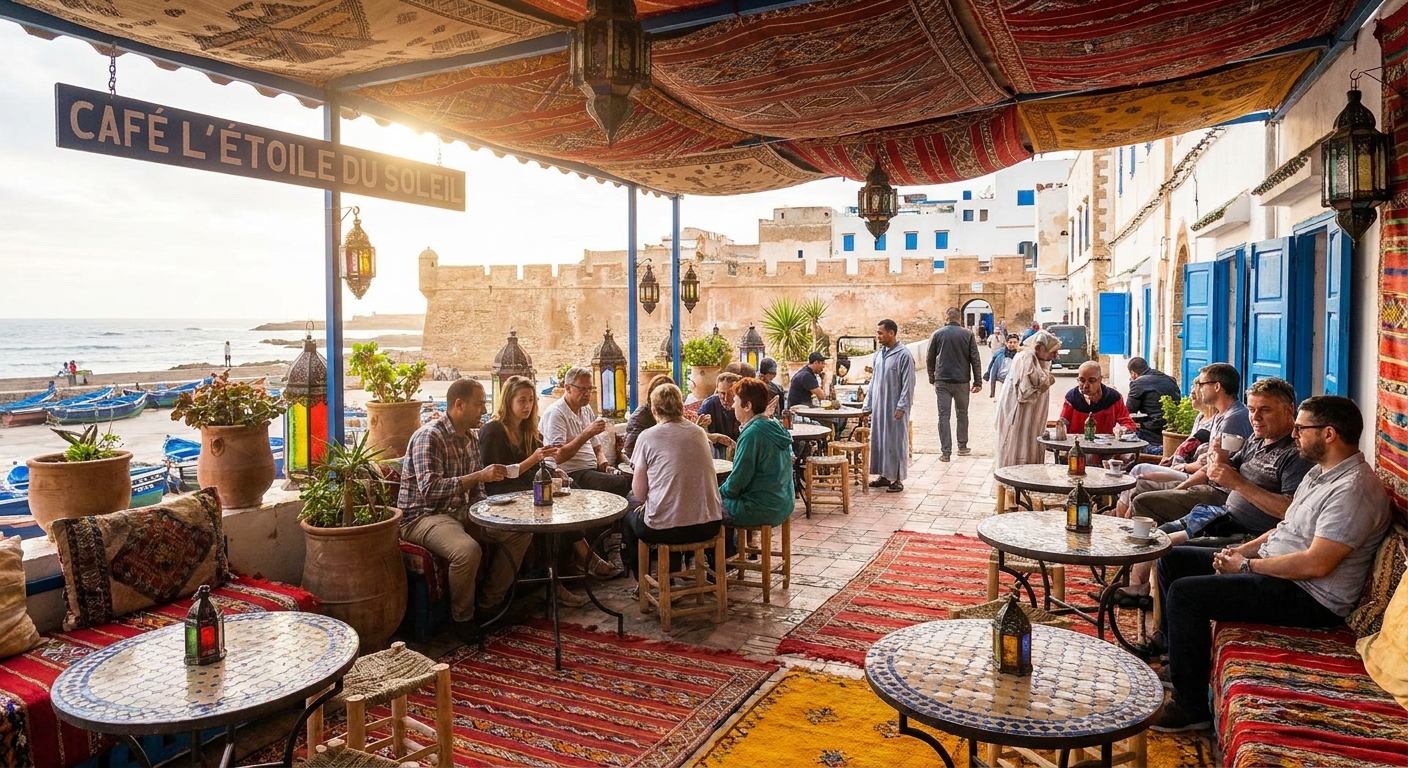
Things are changing, just not overnight. More tourist-focused spots — especially trendy cafés and newer restaurants in the medina — are installing card readers. It’s happening.
But many smaller vendors simply don’t have the setup for card payments. Or the interest, frankly. As tourism keeps growing, cashless options will probably expand too. For now though? Don’t count on it.
Watch Out for These Gotchas

Even if you love the convenience of plastic, Essaouira has some realities you need to face:
- Card acceptance is spotty: Many — probably most — small businesses simply won’t take your card. If that’s all you’ve got, you’re stuck.
- Those sneaky fees add up: Foreign transaction charges hit hard, especially on smaller purchases. Your bank and the merchant might both take a cut.
- You can’t get Dirhams before you arrive: Here’s the kicker — Moroccan Dirhams aren’t available outside Morocco. You’ll need to exchange currency or hit an ATM once you land. Plan accordingly.
Bottom line? Cards are slowly finding their place in Essaouira, but cash remains your most reliable companion for exploring the medina and soaking in local life.
The Takeaway
Cash wins in Essaouira — at least for now. Plan on spending roughly 150-300 MAD daily for your typical adventures, and keep local currency on hand for market haggling, street food, and taxi rides.
Bigger hotels and upscale restaurants? Your card should work fine there. But for the authentic Essaouira experience — the souks, the artisans, the hole-in-the-wall tagine spots — you’ll want Dirhams in your pocket.
Scope out ATM locations before you wander too far, and you’ll avoid those panicked “where can I get cash?” moments. A little preparation goes a long way toward making your Essaouira trip smooth and stress-free.
Frequently Asked Questions
Is cash or card preferred in Essaouira?
Cash, definitely. Local markets and small businesses run on Dirhams. Larger hotels and some restaurants take cards, but don’t assume everywhere will.
How much cash should I bring to Essaouira?
Plan for 150-300 MAD per day to cover meals, transport, and some shopping. Adjust based on your spending style.
Can I find ATMs in Essaouira?
Absolutely. ATMs are spread throughout the city, and most work with international cards. Just keep an eye on withdrawal limits your bank might impose.
Are there any fees for using cards in Essaouira?
Usually, yes. Foreign transaction fees can apply, and smaller establishments that do accept cards might tack on extra charges.

Can I use foreign currency in Essaouira?
Nope. Merchants only accept Moroccan Dirhams. Exchange your money or withdraw from ATMs when you arrive — it’s the only way.