“`html
Research on the USA and Iran War
Overview
The United States and Iran have never formally declared war on each other, yet their relationship has been marked by persistent tension, proxy conflicts, economic sanctions, and military confrontations since Iran’s 1979 Islamic Revolution. These interactions have profoundly shaped Middle Eastern stability and left their fingerprints across global geopolitics, particularly regarding oil security and nuclear concerns.
Historical Context
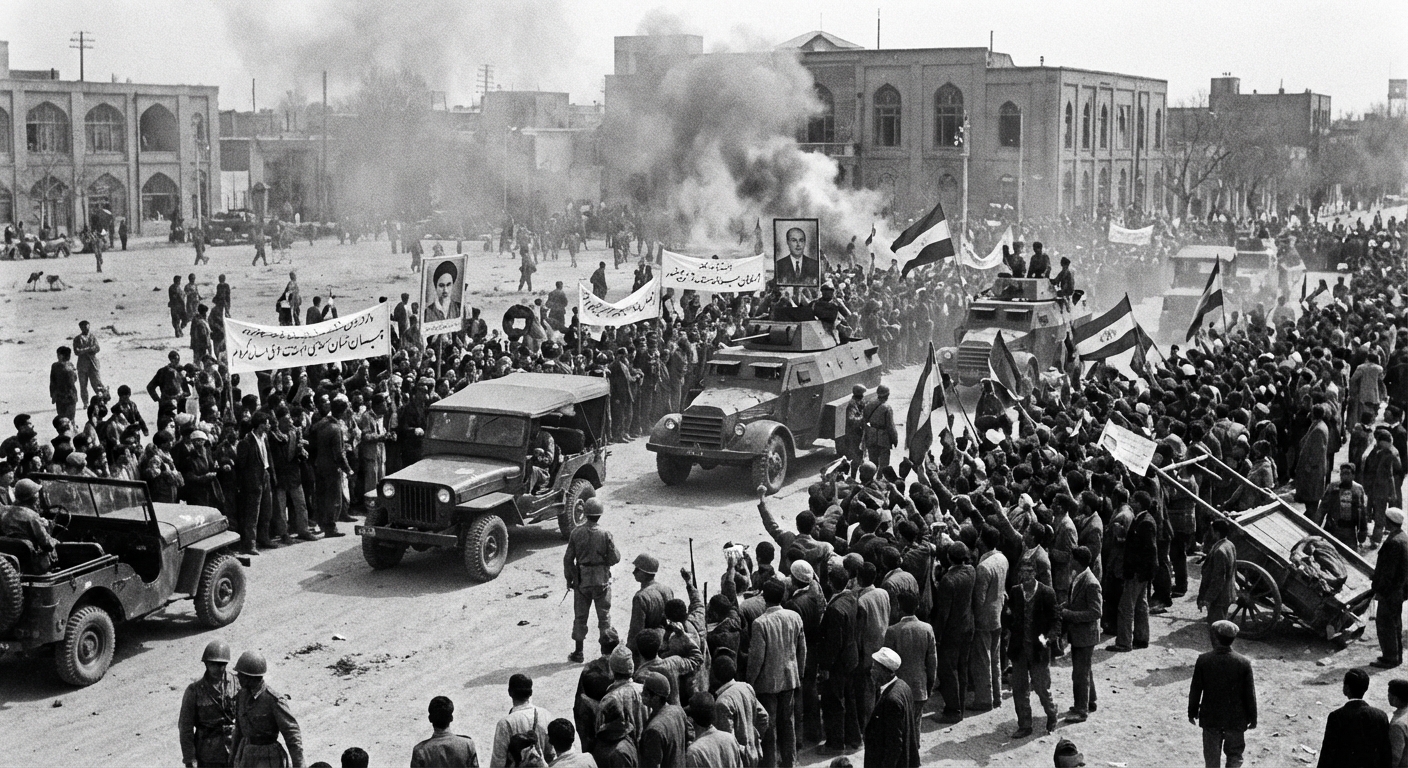
To understand modern U.S.-Iran tensions, you need to look back at pivotal historical moments. The 1953 coup stands out as particularly significant—it toppled Iran’s democratically elected Prime Minister Mohammad Mossadegh and paved the way for a pro-American monarchy under Shah Mohammad Reza Pahlavi. This history matters enormously when examining post-1979 hostilities, as many Iranians view it as a foundational grievance.
Key Historical Incidents
1979-1981 Iran Hostage Crisis
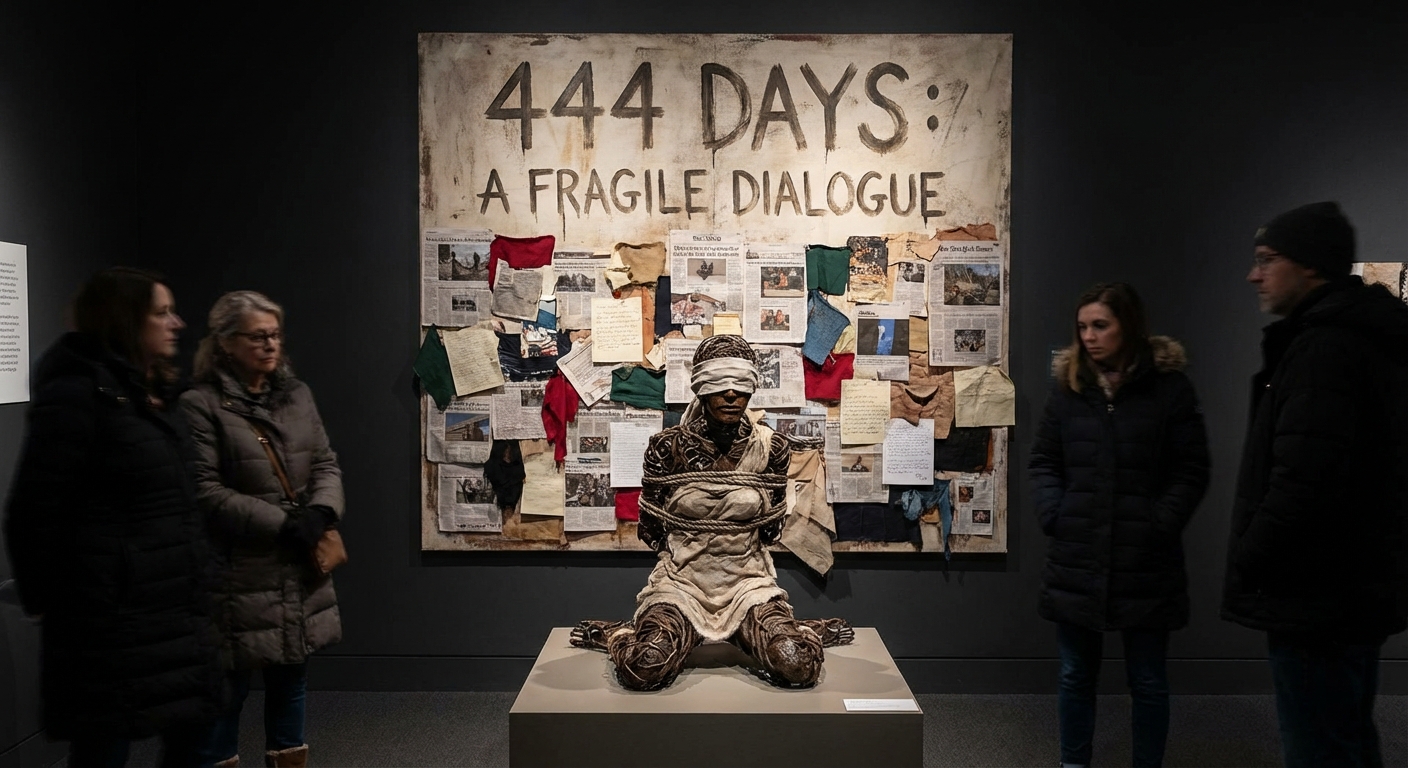
Iranian revolutionaries stormed the U.S. embassy in Tehran, taking 52 Americans captive for 444 days. This dramatic event effectively ended diplomatic relations and triggered U.S. economic sanctions that would persist for decades.
1980s Proxy Wars and Operation Praying Mantis (1988)
During the Iran-Iraq War, America quietly backed Iraq while Iran struggled on the battlefield. When that conflict wound down in 1988, the U.S. responded to Iranian actions in the Persian Gulf by launching Operation Praying Mantis, a major naval operation targeting Iranian military assets.
2000s Escalations
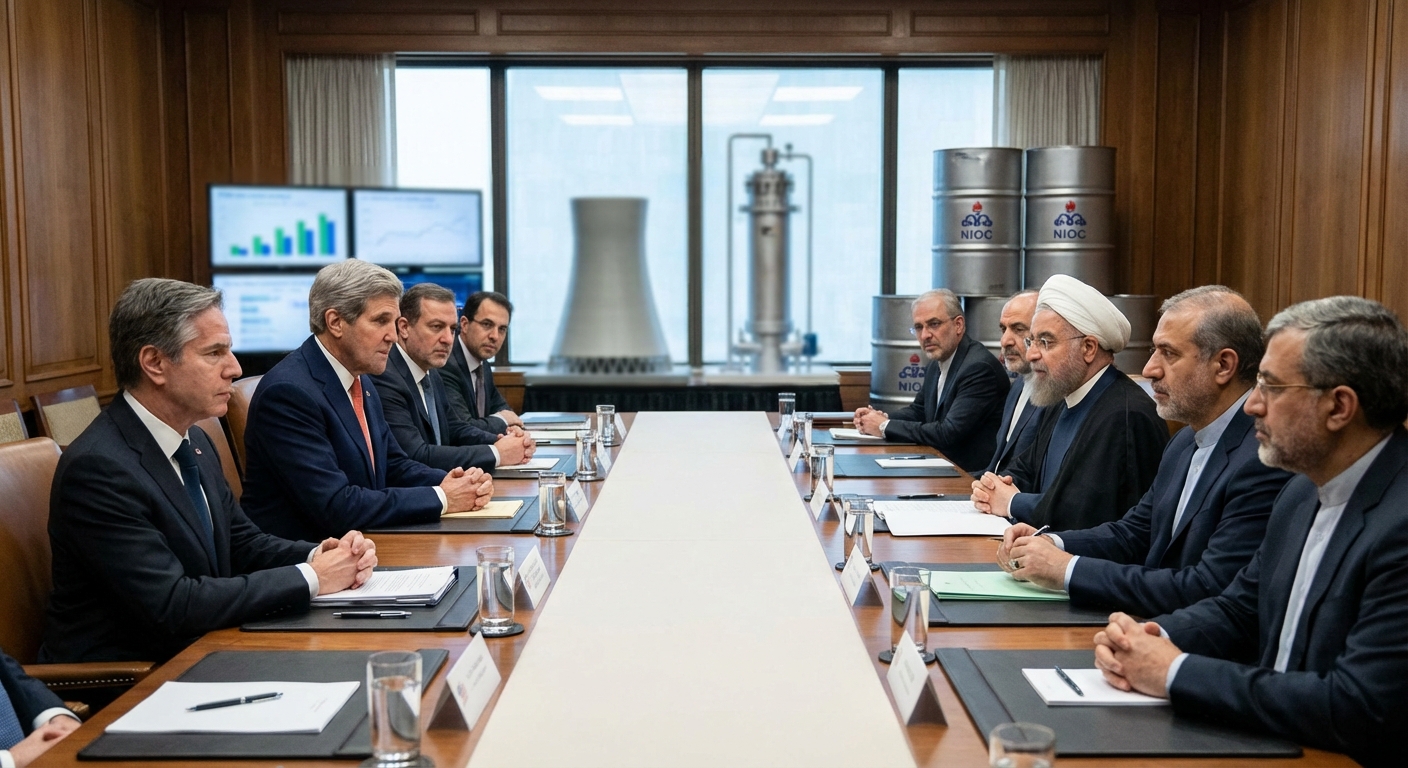
Fast-forward to the 2000s, and American officials grew increasingly concerned about Iranian support for Iraqi militias and broader regional destabilization efforts. Things really heated up when the Trump administration withdrew from the nuclear deal (the JCPOA) in 2018, setting off a cascade of new sanctions and military posturing from both sides.
Current Status (as of 2026)
Today, U.S.-Iran relations remain fundamentally adversarial. Both countries pursue a containment strategy, alternating between engagement attempts and coercive measures—with Iran’s nuclear program at the center of most discussions. The situation is further complicated by Iran’s support for various proxy groups across Iraq, Lebanon, and Yemen, which keeps the region perpetually unstable.
Causes of Tension
Nuclear Proliferation
Iran’s nuclear ambitions remain a core concern for U.S. policymakers, especially given regional tensions involving Israel and Saudi Arabia. This issue refuses to go away and continues to dominate diplomatic conversations.
Support for Proxy Groups
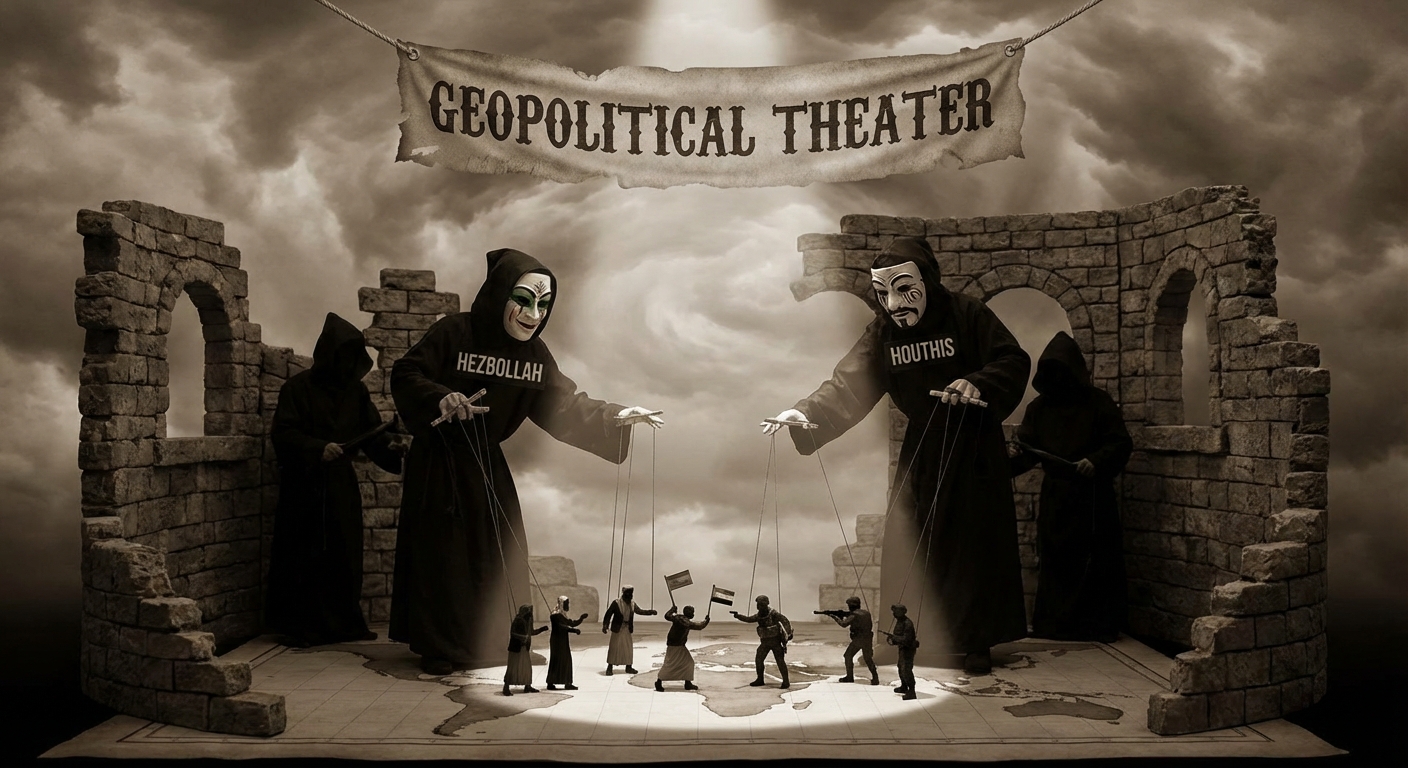
Iran’s funding and arming of organizations like Hezbollah and the Houthis in Yemen fuels ongoing conflicts and gives Iran a way to extend its influence throughout the region without direct military engagement.
Trends and Statistics
The U.S. “maximum pressure” campaign has hammered Iran’s economy hard. Inflation has skyrocketed, and ordinary Iranians face significant economic hardship directly tied to international sanctions.
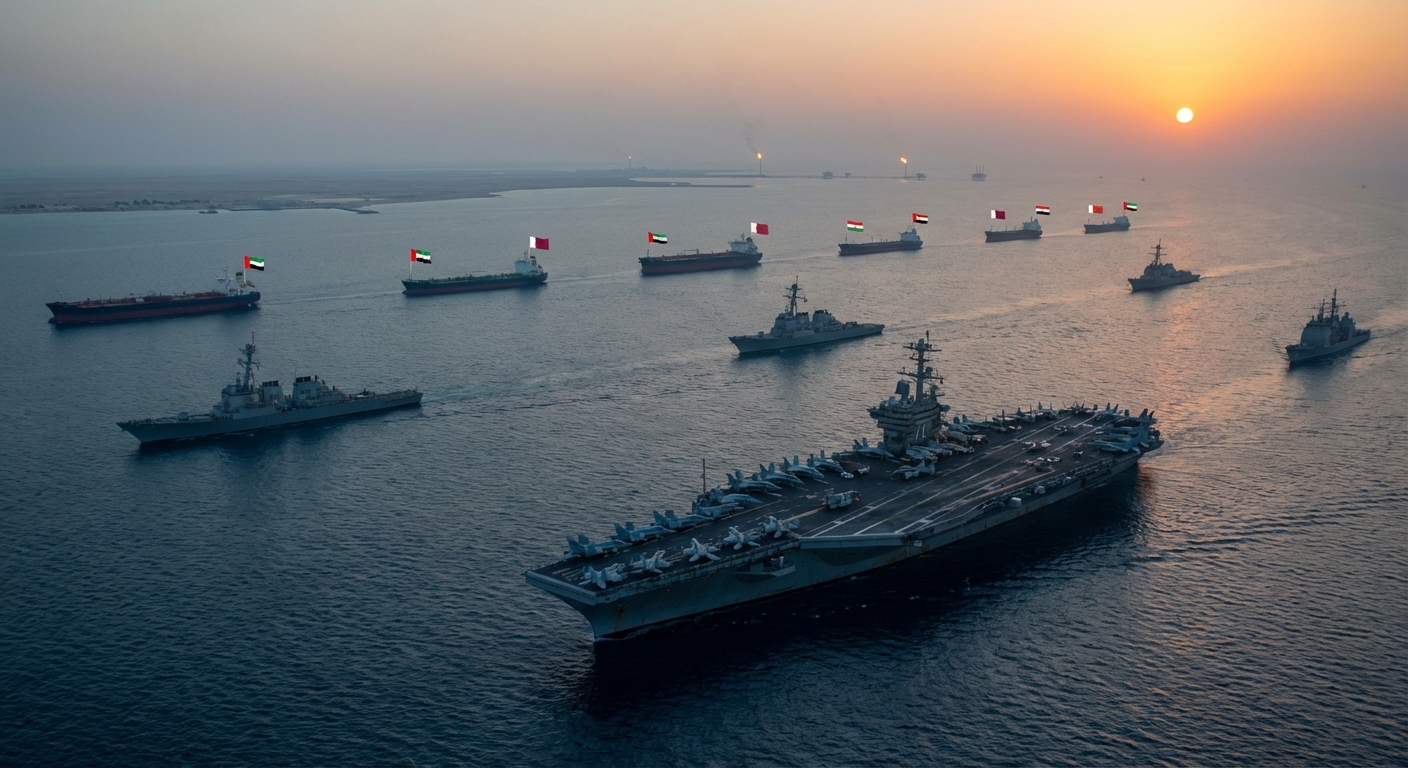
American military deployment in the Gulf region hasn’t remained static—it tends to spike during crises involving Iran. These fluctuations ripple through global oil markets and international relations more broadly.
Key Factors Influencing Relations
U.S. Military Presence
Iran frequently cites American military forces stationed throughout the Gulf as provocative. These deployments create a tense environment and lead to regular security incidents that keep both sides on edge.
Regional Rivalries
Iran’s complicated relationship with Saudi Arabia—rooted partly in sectarian differences—adds another layer of tension. These regional rivalries make diplomatic solutions considerably more difficult to achieve.
Expert Insights
Analysts generally agree that meaningful engagement with Iran requires grappling with its historical grievances and understanding what it wants regionally. However, negotiations keep stumbling because of hardliners within Iran who resist compromise, combined with wildly inconsistent U.S. policies that shift dramatically whenever administrations change.
Recent Developments
As we move through late 2026, there’s been no meaningful improvement in diplomatic relations. Both countries continue holding firm to hardline positions. International observers remain anxious about Iran’s nuclear activities, especially as regional conflicts persist and Iranian forces stay actively involved.
Summary of Key Findings
Historical Background
U.S.-Iran tensions didn’t emerge in a vacuum. They’re rooted in Cold War-era political interventions—particularly America’s support for the Shah—and the upheaval of the 1979 revolution.
Ongoing Conflicts
While they’ve never officially declared war, military clashes and proxy fighting continue steadily, sustained by deep mutual suspicion and unresolved historical grievances.
Current Dynamics
The relationship today revolves around sanctions and military positioning, with significant consequences for regional security and diplomatic efforts worldwide.
Future Considerations
Moving forward might require acknowledging how history shapes each country’s perspective while simultaneously managing today’s geopolitical complexities in the Middle East.
The research paints a sobering picture: while an outright declared war hasn’t happened, the situation remains dangerously unstable. It demands careful diplomatic handling to prevent escalation into direct military confrontation.
Sources
- Council on Foreign Relations: US Relations with Iran
- Wikipedia: Iran–United States relations
- American Public University System: US-Iran Relations
“`