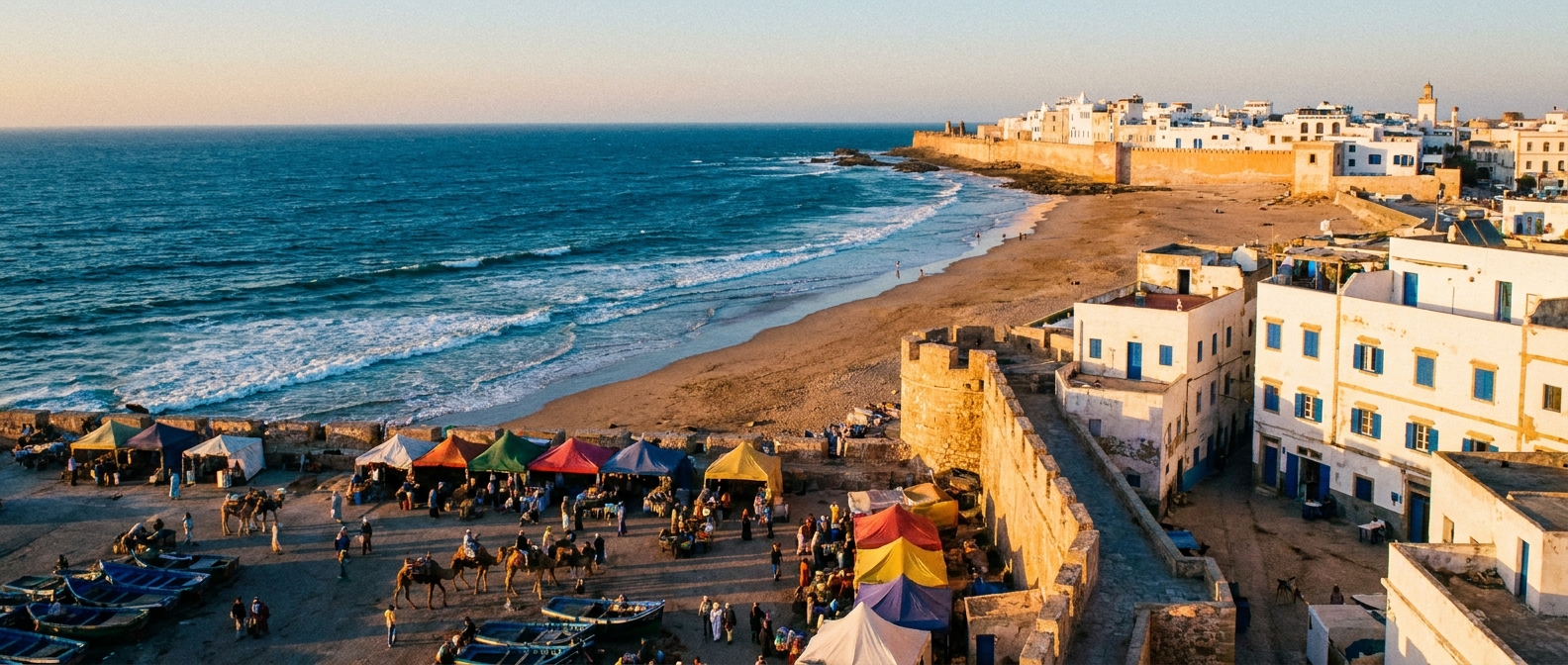
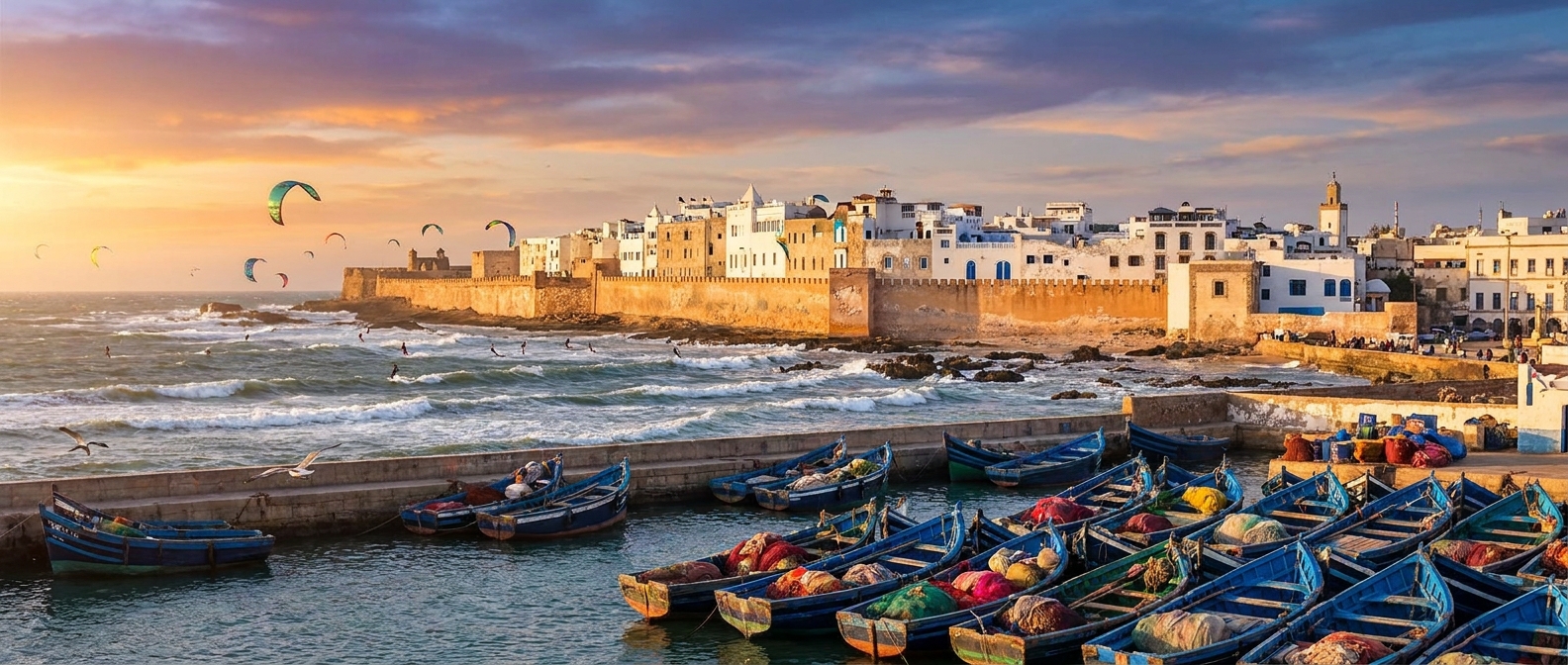
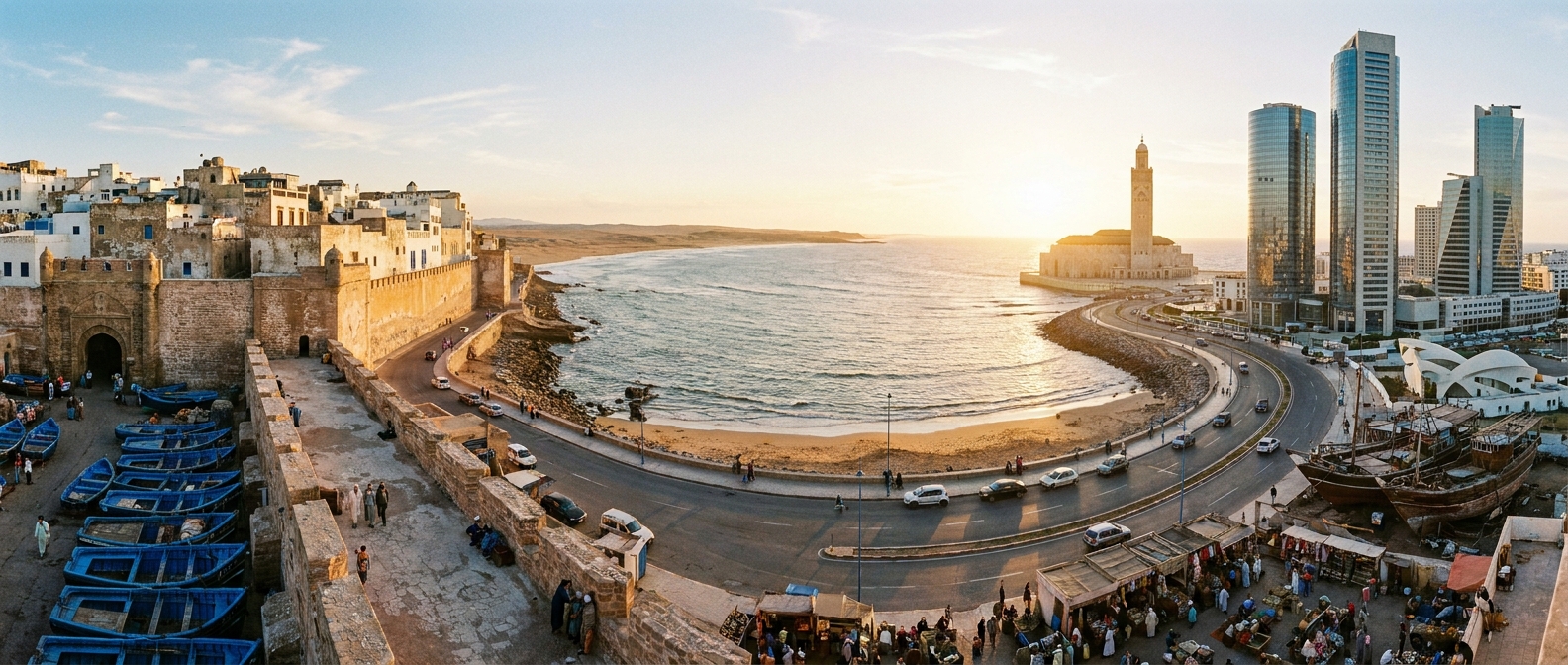
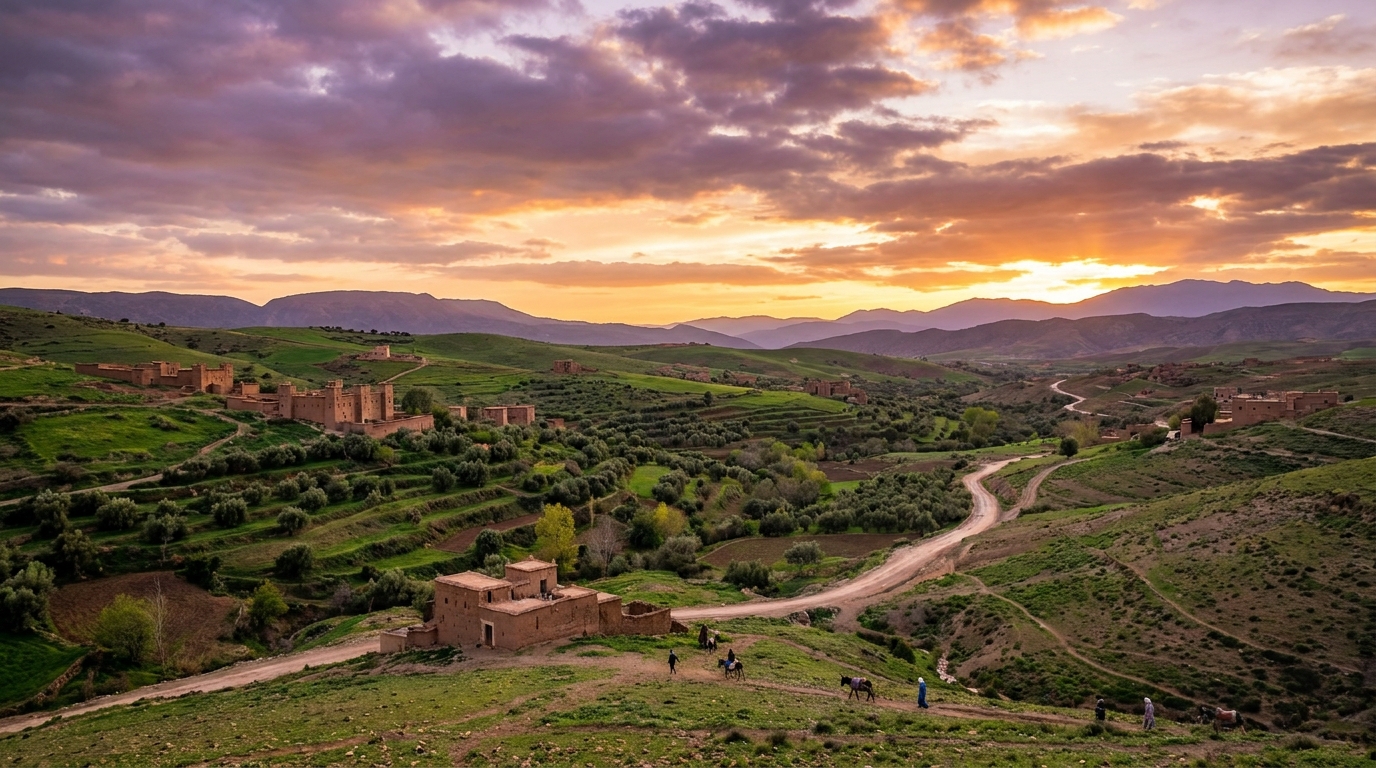
Let’s be honest — Essaouira isn’t your typical driving destination. This windswept coastal gem in Morocco captivates visitors with its rich history, stunning Atlantic views, and that unmistakable creative energy you feel the moment you arrive. Most travelers happily wander its medina streets on foot, and there’s good reason for that. But here’s the thing: if you want to discover what lies beyond those ancient walls — the hidden beaches, sleepy fishing villages, and dramatic coastal cliffs — you’ll need wheels.
So before you grab those car keys, let’s walk through everything you need to know. These driving tips for Essaouira will help you navigate local roads confidently and keep your adventure stress-free.
Background and Historical Significance
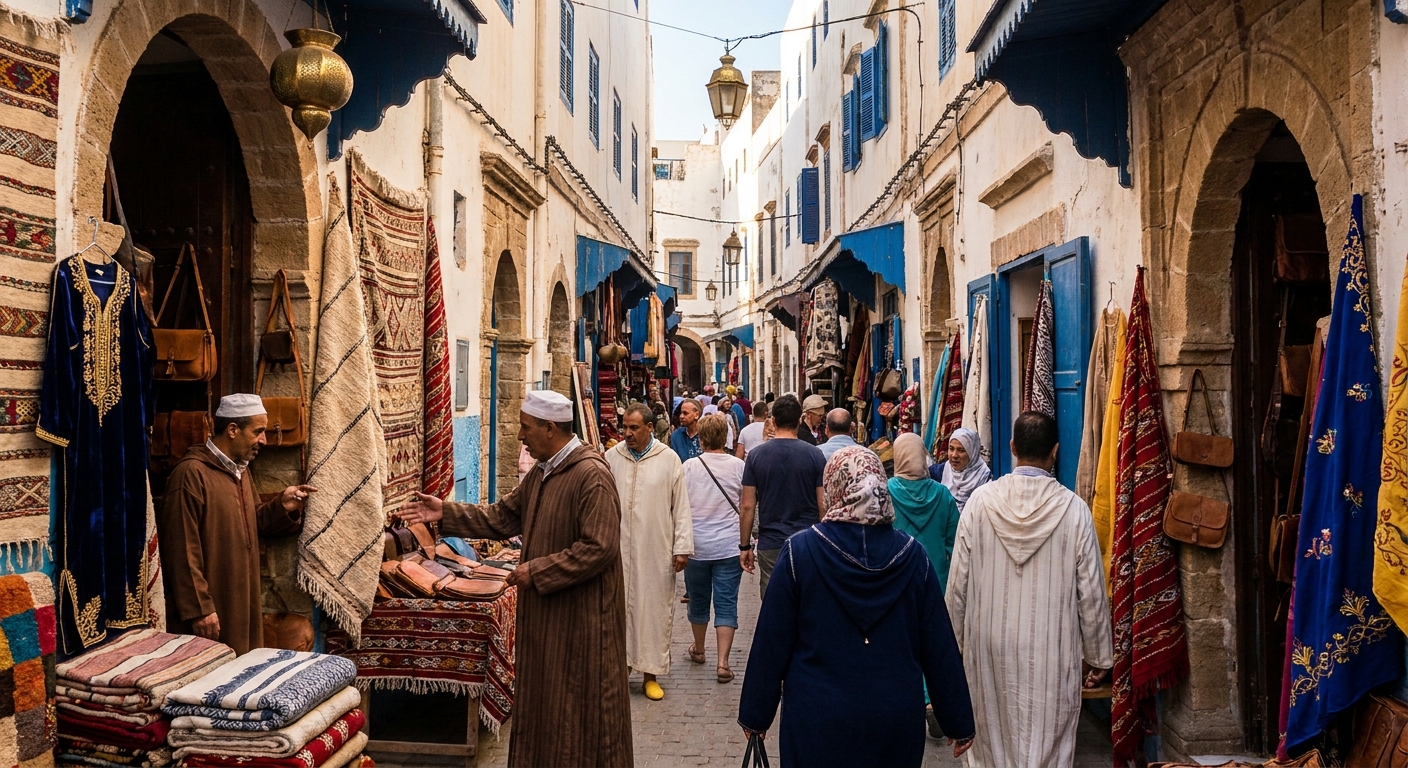
Once known as Mogador, Essaouira earned its spot as a UNESCO World Heritage site for good reason. The city’s 18th-century roots run deep, and you can see them everywhere — in the distinctive blue-and-white architecture, the Portuguese ramparts, and those winding medina alleys that seem to tell stories of ancient traders and artists.
Now, the medina itself? Definitely a walking-only zone. Those narrow passages were designed centuries before cars existed (obviously). But venture outside, and you’ll find well-maintained roads that open up Morocco’s spectacular Atlantic coastline for exploration.
Current State of Driving in Essaouira
These days, Essaouira pulls in crowds year-round — locals escaping Marrakech’s heat in summer, international visitors chasing that famous wind, surfers hunting the perfect wave. All this popularity has changed the driving scene quite a bit. Local authorities have stepped up traffic management, especially during peak seasons, and road safety initiatives have improved noticeably.
What does this mean for you? Well, expect heavier traffic during summer months and local festivals. The Gnaoua World Music Festival, for instance, transforms the city into a vibrant (and busy) hub. Planning around these events can save you headaches.
Key Driving Statistics and Data
Before hitting the road, you’ll want to get familiar with Morocco’s traffic laws. They apply throughout the country, including Essaouira:
- Speed Limits: Stick to 40-60 km/h in urban areas. Rural roads allow up to 100 km/h, and highways max out at 120 km/h.
- Traffic Rules: Drive on the right. At roundabouts — and there are plenty — yield to vehicles already circling.
- Alcohol Limits: Morocco enforces a zero-tolerance policy. Don’t even think about it.
- Mobile Phone Use: Texting while driving? Illegal. Calls without hands-free? Also illegal.
Expert Insights on Driving Challenges
Here’s some real talk from seasoned travelers: driving in Essaouira comes with its quirks. The streets near the medina can feel impossibly tight, and you might encounter the occasional unexpected roadblock. Many visitors recommend renting a smaller vehicle — trust me, you’ll thank yourself when squeezing through narrow passages or finding parking spots.
Another thing worth mentioning: not every local driver follows the rules to the letter. Defensive driving goes a long way here. And those police checkpoints? They’re routine, not personal. Just keep your driver’s license, passport, and rental papers within easy reach, and you’ll breeze through.

Trends and Developments Impacting Driving
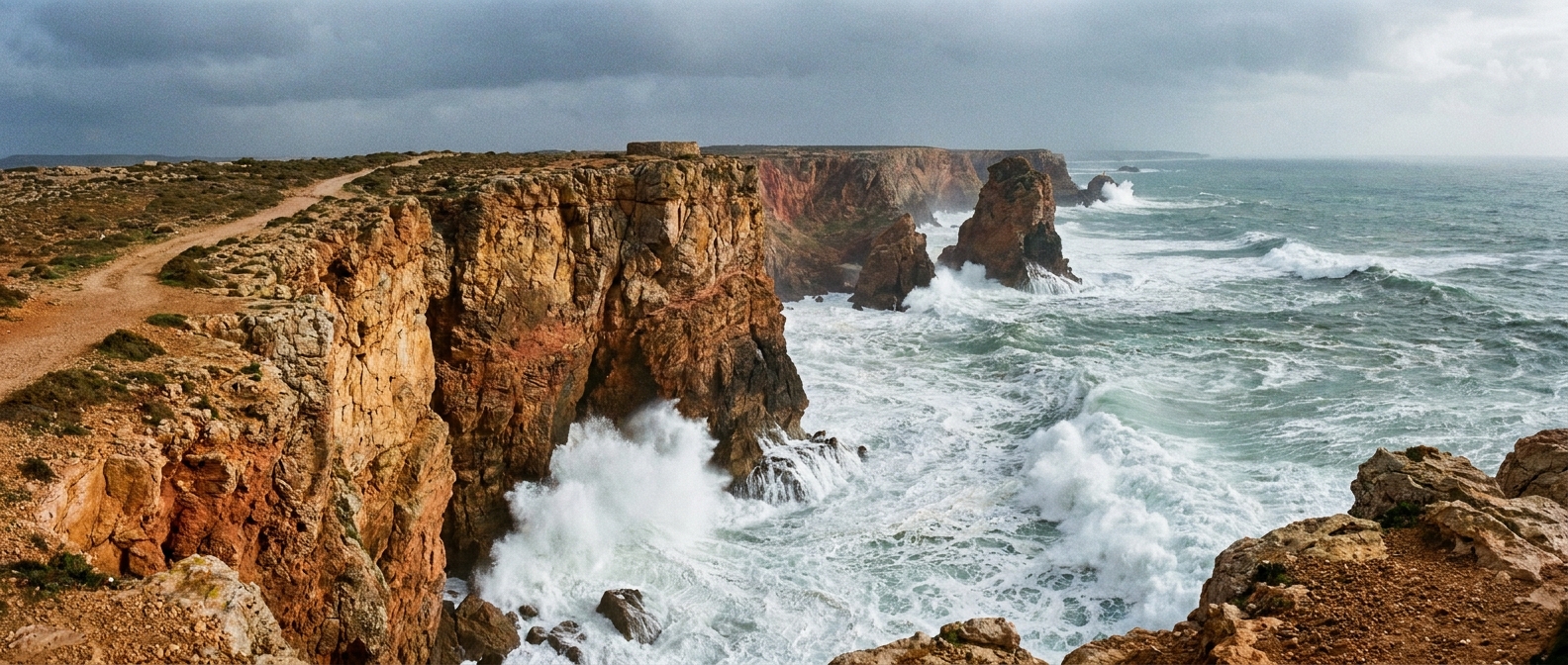
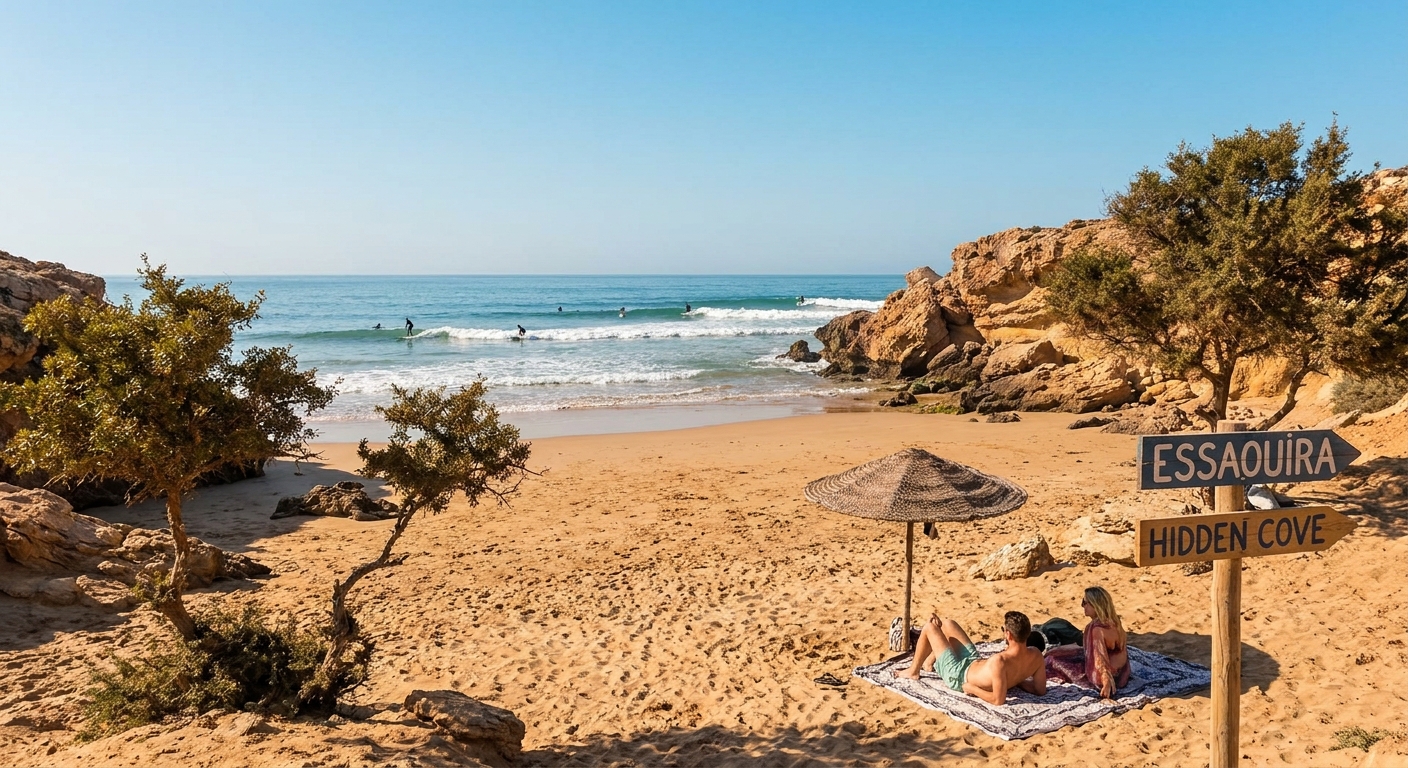
Car rental in Essaouira has exploded in recent years, and it’s easy to see why. More travelers are venturing beyond the city to discover spots like Sidi Kaouki — a surfer’s paradise just 25 kilometers south — or the dramatic cliffs of Cap Sim. This uptick means busier roads and more services catering to drivers.
Timing matters here. The sweet spots for driving? Spring (April through June) and autumn (September to October). You’ll dodge the summer crowds, enjoy comfortable temperatures, and find roads much more manageable. Oh, and one more thing — avoid driving at night if you can. Poor lighting and unexpected hazards make daytime travel far safer.
Driving Challenges to Consider
Let’s not sugarcoat it — driving here has its tricky moments:
- Narrow and Crowded Streets: The medina is completely car-free, and nearby streets get packed with pedestrians, donkeys (yes, really), and vendors. Patience is your friend.
- Frequent Checkpoints: Police stops happen regularly. They’re typically quick, but factor in potential delays during busy periods.
- Fuel Availability: Plenty of gas stations dot the town, but fill up before heading into remote areas. Running low on a coastal road with no station in sight? Not fun.
Summary of Key Findings
Alright, let’s bring it all together. Here’s your quick-reference checklist for driving in Essaouira:
- Adhere to Traffic Laws: Speed limits, phone rules, zero alcohol — know them and follow them.
- Navigating the Medina: Park outside and explore on foot. Those ancient streets weren’t built for cars.
- Plan for Checkpoints: Keep your documents handy and accessible. It saves time and stress.
- Select Appropriate Vehicles: Smaller is better for city driving. Save the SUV for desert adventures.
- Avoid Night Driving: Stick to daylight hours whenever possible.
- Fuel Planning: Top off before rural excursions. Better safe than stranded.
- Timing is Key: Spring and autumn offer the best driving conditions by far.
Driving in Essaouira opens up a whole new dimension of your Moroccan adventure. With a bit of preparation and these tips in your back pocket, you’ll be cruising coastal roads, discovering hidden beaches, and soaking in views that most tourists never see. That’s the real magic of having your own wheels here.
Frequently Asked Questions
What are the speed limits in Essaouira?
You’ll need to keep it between 40-60 km/h in town. Once you hit rural roads, you can push up to 100 km/h, and highways allow 120 km/h. Speed cameras are common, so stay alert.
Is it necessary to rent a car when visiting Essaouira?
Honestly? The medina and main attractions are perfectly walkable. But if you’re itching to explore the surrounding coast — hidden beaches, nearby villages, dramatic cliffs — a rental car transforms your trip completely.
Are there frequent police checkpoints while driving in Essaouira?
Yes, and they’re pretty standard across Morocco. Nothing to worry about as long as you’ve got your license, passport, and vehicle documents ready. Most stops take just a minute or two.
What time of year is best for driving in Essaouira?
Spring (April through June) and autumn (September to October) hit the sweet spot. You’ll enjoy lighter traffic, comfortable temperatures, and roads that don’t feel like parking lots.