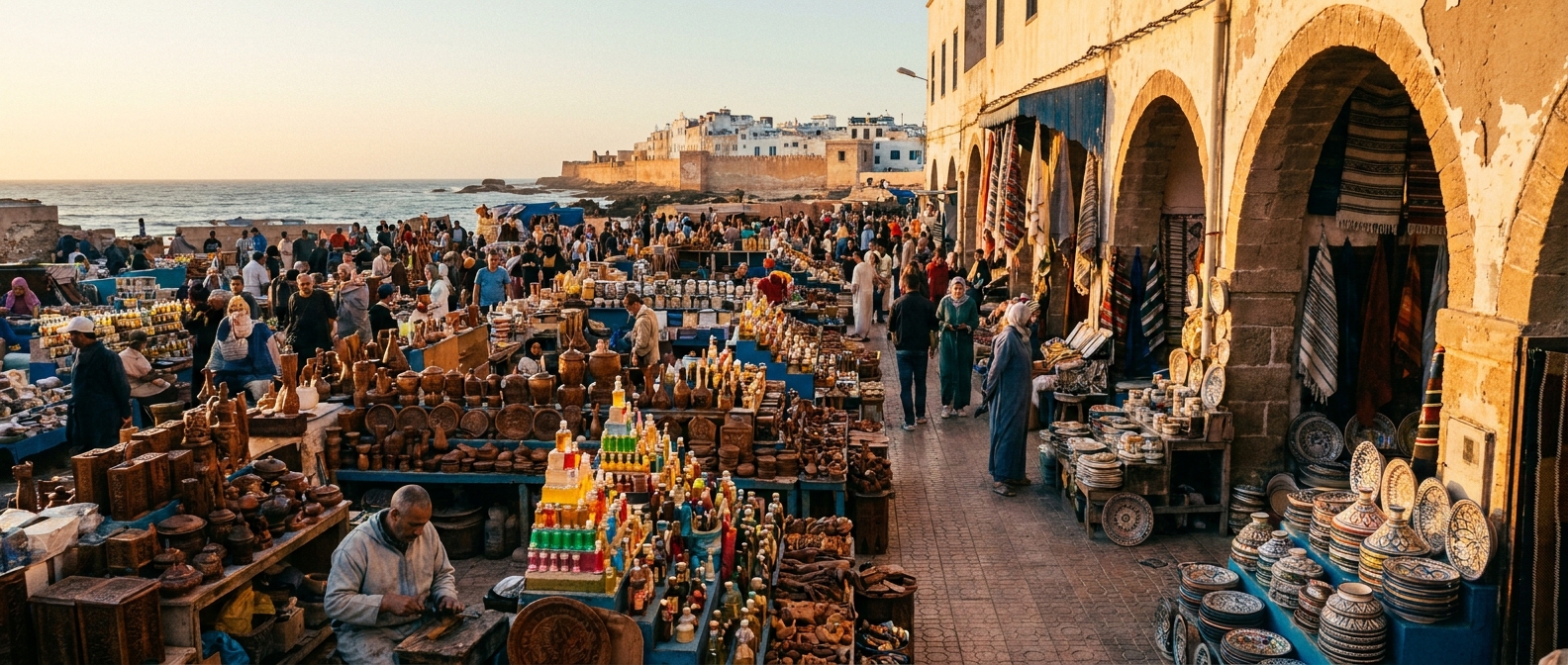
There’s something magical about getting lost in Essaouira’s winding streets. Around every corner, you’ll stumble upon workshops and stalls overflowing with handcrafted treasures — each one a small piece of Morocco’s soul waiting to come home with you. This coastal city has earned its reputation as an artisan haven, and honestly? It’s well-deserved.
What makes shopping here special isn’t just the quality of the craftsmanship (though that’s exceptional). It’s knowing that your purchase helps keep centuries-old traditions alive. From aromatic *thuya wood gifts* to silky *argan oil products*, these aren’t just souvenirs — they’re stories you can hold in your hands.
Thuya Wood Crafts: A Symbol of Essaouira’s Artistry
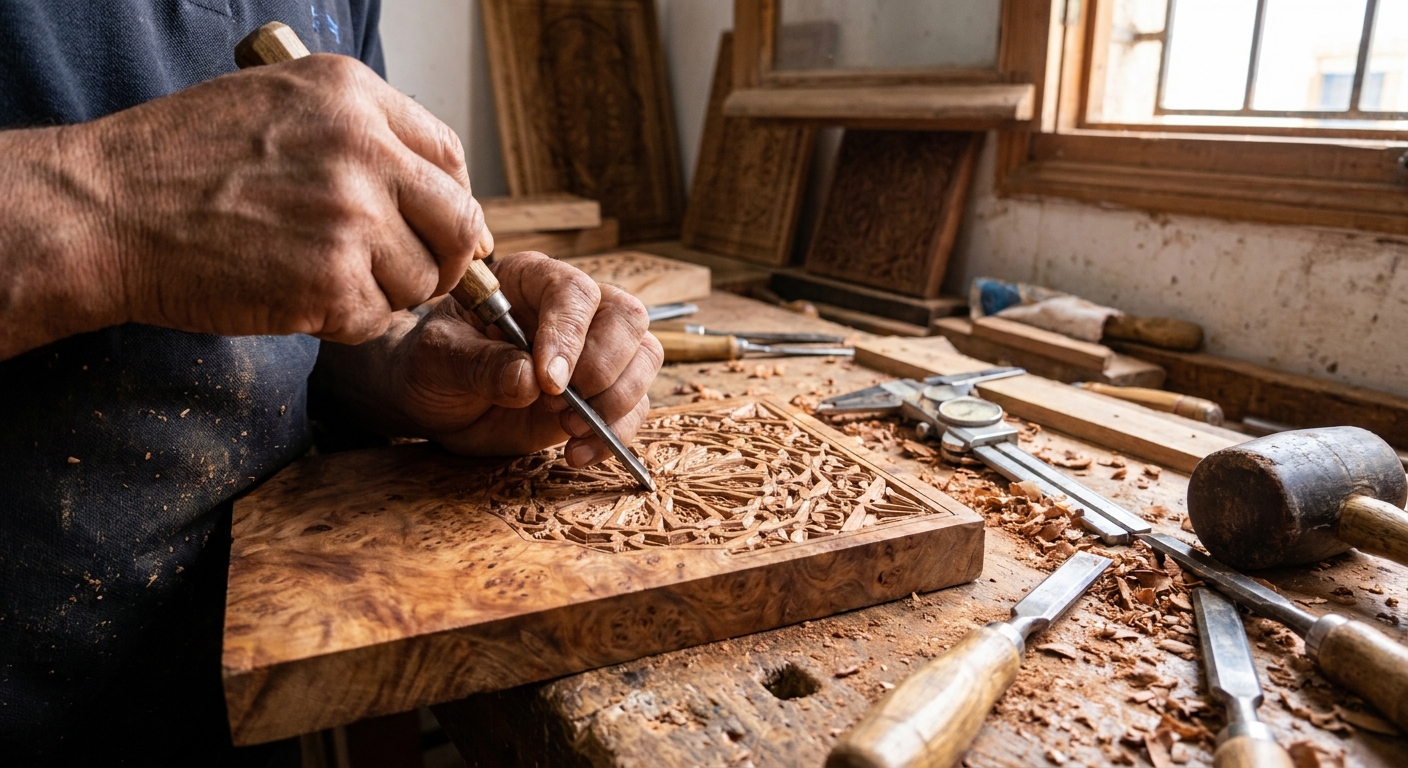
If Essaouira had a signature material, it would be thuya wood. This fragrant, gorgeously grained wood grows only in this region, and local artisans have been transforming it into works of art for generations. We’re talking everything from tiny decorative boxes to jaw-dropping chess sets that could double as sculptures.
Here’s the thing about thuya — the scent alone is worth the purchase. That warm, cedar-like aroma will remind you of Essaouira every time you open that jewelry box or writing desk. Prices swing wildly based on size and intricacy. Small pieces start around 30 MAD, but prepare to spend 2,000 MAD or more for those show-stopping furniture pieces.
My advice? Seek out the workshops where you can actually watch artisans at work. One craftsman told me, “Each piece embodies our culture and heritage.” And watching their hands move with such precision, you believe it. Don’t be shy about asking questions — most artisans love sharing the stories behind their techniques.
Argan Oil: The Gold of Morocco
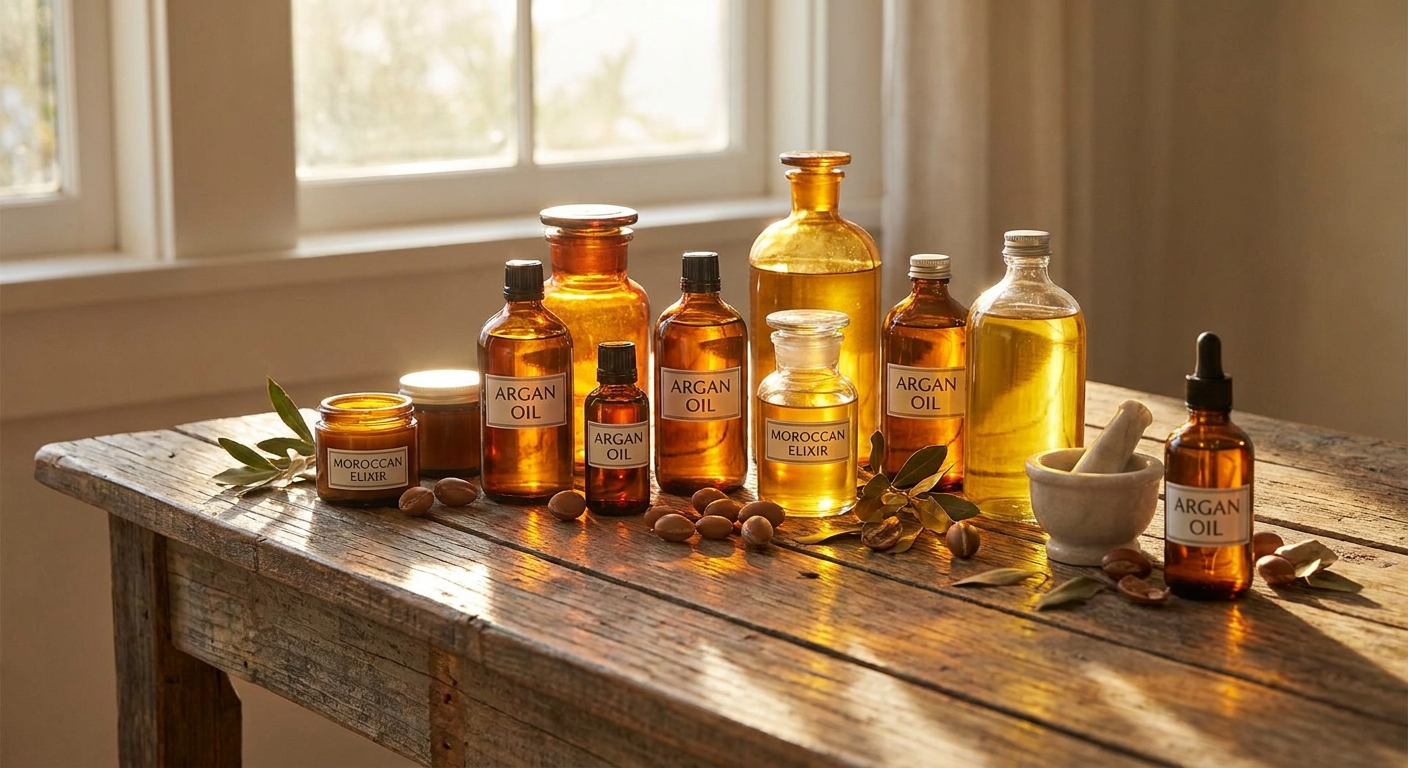
“Liquid gold” sounds like marketing hype until you actually see (and use) authentic Moroccan argan oil. Extracted from the nuts of argan trees that grow almost exclusively in this region, this stuff has earned its legendary status. Whether you’re after culinary oil for drizzling over couscous or cosmetic-grade oil for your skincare routine, Essaouira’s got you covered.
But — and this is important — not all argan oil is created equal. The real deal will cost you anywhere from 40 MAD for a small cooking bottle to several hundred MAD for premium cosmetic oils. Look for fair trade labels, and don’t hesitate to ask where and how the oil was produced.
Most reputable shops will let you sample before you buy. Take them up on it! Pure argan oil has a distinctive nutty smell (the culinary version) or a lighter, almost odorless quality (cosmetic grade). If something seems off, trust your instincts and move on.
Silver Jewelry: Artistry in Every Piece
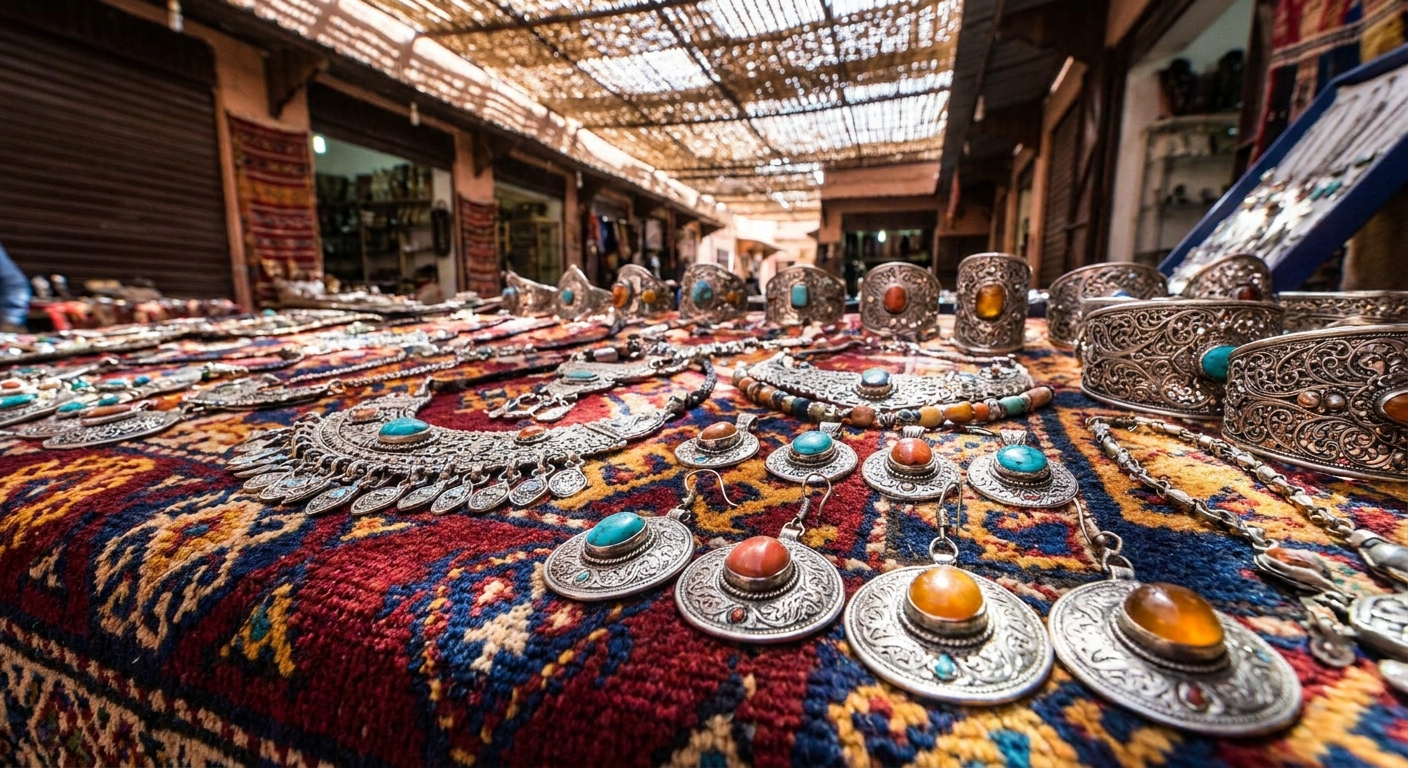
Moroccan silver jewelry is the kind of thing you’ll find yourself reaching for years after your trip. The craftsmanship here is extraordinary — we’re talking delicate filigree work that seems almost impossible to create by hand. Yet somehow, artisans do it daily in tiny workshops throughout the medina.
You’ll find everything from simple stud earrings to statement necklaces dripping with semi-precious stones. Prices typically kick off around 150 MAD and climb from there depending on complexity. The key is taking your time and visiting multiple shops. Each artisan has their own style, and you’ll know the right piece when you see it.
What I love most about these pieces is how they carry meaning. Many designs incorporate traditional Berber symbols — protection motifs, fertility signs, cosmic representations. You’re not just wearing jewelry; you’re wearing centuries of cultural heritage.
Handwoven Textiles: Colorful Moroccan Heritage
Walking through Essaouira’s textile stalls is like stepping into a living rainbow. Handwoven blankets, scarves, and shawls in every imaginable color cascade from walls and ceilings, each one representing hours (sometimes days) of painstaking work. These aren’t factory products — they’re labors of love.
A simple scarf might run you about 100 MAD, while larger, more elaborate pieces can cost several hundred. The variation comes down to size, complexity of the pattern, and the materials used. Natural fibers dyed with traditional methods tend to command higher prices, and they’re worth it.
Pro tip: ask the weavers about the patterns. Many have specific meanings or regional significance that adds another layer to your purchase. That geometric design might represent mountains, water, or protection. Suddenly, that scarf becomes a conversation piece with a story attached.
Ceramics: Artistic Expressions of Essaouira
Moroccan ceramics have this incredible ability to brighten any room. Bold blues, sunny yellows, intricate geometric patterns — each piece feels like a little burst of Essaouira sunshine captured in clay. And the best part? They’re actually functional.
Small decorative plates start around 50 MAD, while larger serving dishes can reach 500 MAD or beyond. Quality matters here, so take a moment to examine pieces closely. Well-crafted ceramics have even glazing, consistent patterns, and feel substantial in your hands.
The artisans creating these pieces often draw on centuries of design tradition while adding their own contemporary touches. It’s tradition meeting innovation, and the results are genuinely beautiful.
Leather Goods: Craftsmanship and Durability
Morocco has been famous for its leather since, well, forever. Essaouira’s leather artisans continue this tradition, creating bags, wallets, shoes, and accessories that combine style with genuine durability. These aren’t fast-fashion throwaways — they’re investment pieces.
Expect to pay from 150 MAD and up, depending on what you’re after. When shopping, feel the leather carefully. Genuine, well-tanned leather should be supple, have a natural texture, and smell earthy (not chemical). Many shops offer customization options too, so you can create something truly one-of-a-kind.
Increasingly, you’ll find artisans focusing on sustainable practices and ethical sourcing. Ask about it — supporting these conscious creators feels good and usually means better quality products.
Pottery: Caprice of Form and Color
Don’t confuse pottery with ceramics here — while they’re related, Essaouira’s pottery tradition has its own distinct character. These pieces tend toward earthy tones and organic shapes, from stunning plant pots to everyday dishes you’ll actually want to use.
Smaller items hover around 30 MAD, with more elaborate creations pushing past 100 MAD. When choosing pottery, check the glaze quality and overall craftsmanship. A well-made piece will feel balanced and finished, with smooth edges and even coloring.
Buying directly from the artisans — which is totally possible here — creates a connection that mass-produced goods simply can’t match. Plus, you’re directly supporting families who’ve been perfecting these techniques for generations.
Summary and Final Thoughts
Shopping in Essaouira isn’t really shopping in the traditional sense. It’s more like treasure hunting, with the added bonus of meeting the incredibly talented people behind each creation. Whether you’re drawn to thuya wood’s intoxicating scent, argan oil’s golden promise, or the sparkle of handcrafted silver, you’re taking home something meaningful.
A few parting thoughts: chat with the artisans whenever possible (their stories are half the magic), look for fair trade and eco-friendly options, and don’t rush. The best finds often come when you least expect them. The handmade gifts you bring back won’t just sit on a shelf — they’ll remind you of sun-drenched streets, friendly faces, and a city that pours its heart into everything it creates.
Frequently Asked Questions
What types of handmade gifts can I find in Essaouira?
You’ll discover an incredible range — thuya wood crafts, argan oil products, silver jewelry, handwoven textiles, ceramics, leather goods, and pottery are just the highlights. Each category reflects a different facet of Essaouira’s rich artisan culture.
How can I ensure the products I buy are authentic?
Your best bet? Buy directly from artisan workshops or established shops within the medina. Talk to the makers, ask about their techniques, and trust your instincts. Authentic pieces typically come with stories attached.
Are handmade gifts in Essaouira eco-friendly?
Many are, yes. A growing number of artisans use natural dyes, sustainably sourced materials, and traditional methods that have minimal environmental impact. If sustainability matters to you, simply ask — most vendors are happy to discuss their practices.
What should I budget for handmade gifts in Essaouira?
It depends on what catches your eye. Budget travelers can find beautiful small pieces from 30-80 MAD, while those seeking statement pieces might spend up to 2,000 MAD or more on intricate jewelry or furniture. There’s genuinely something for every budget.