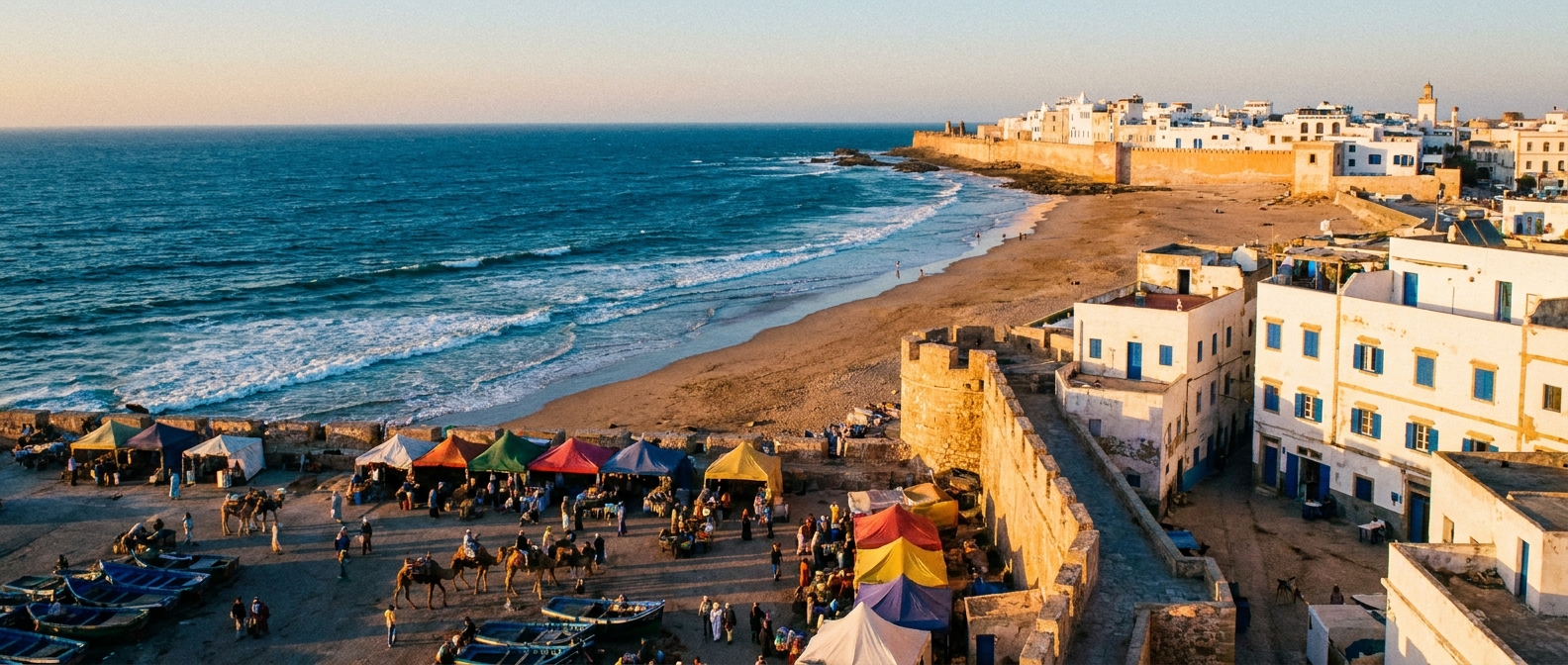
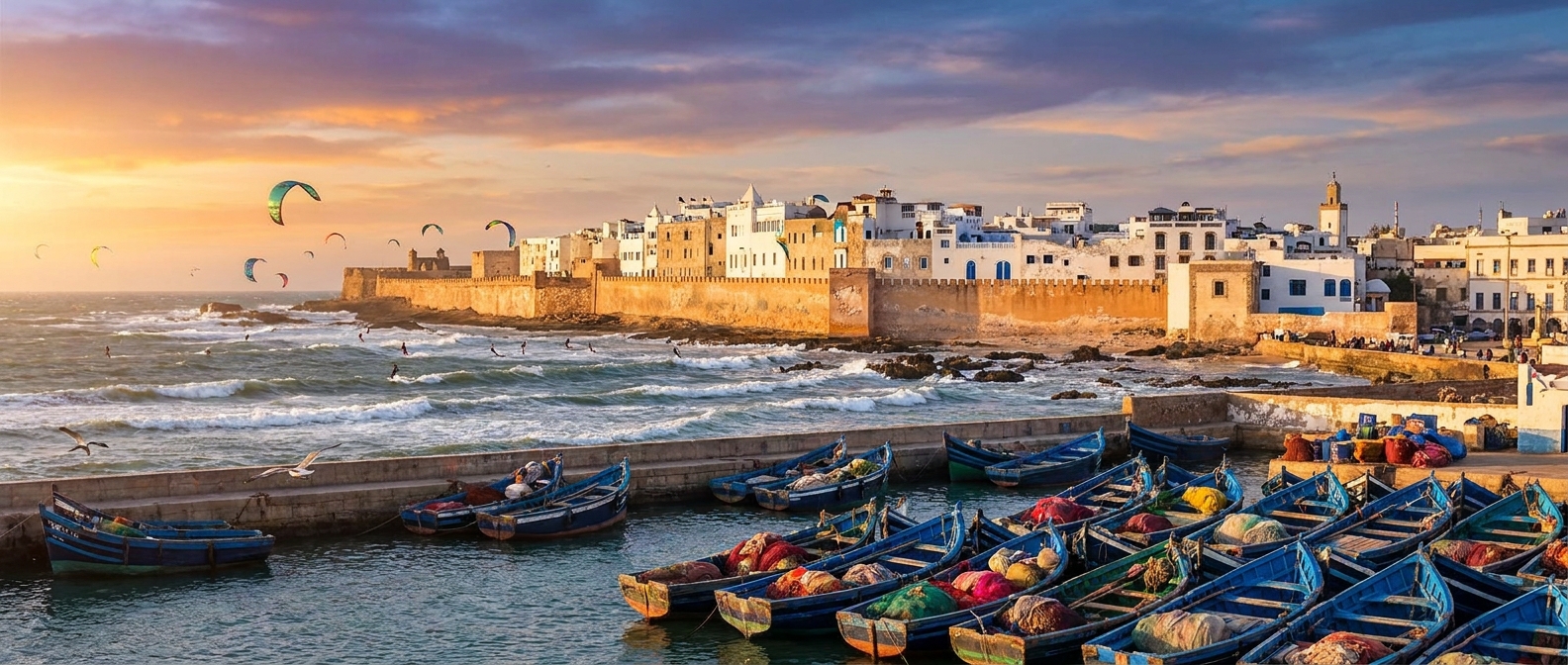
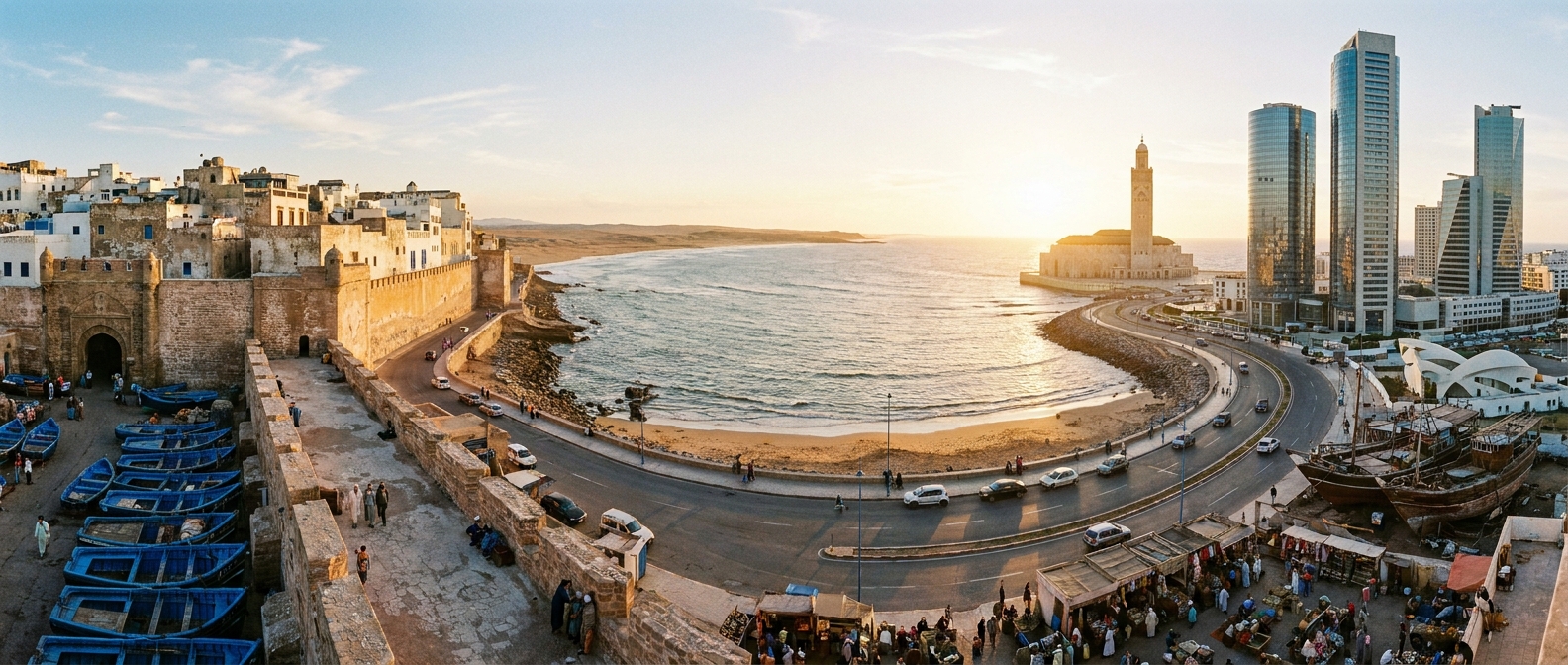
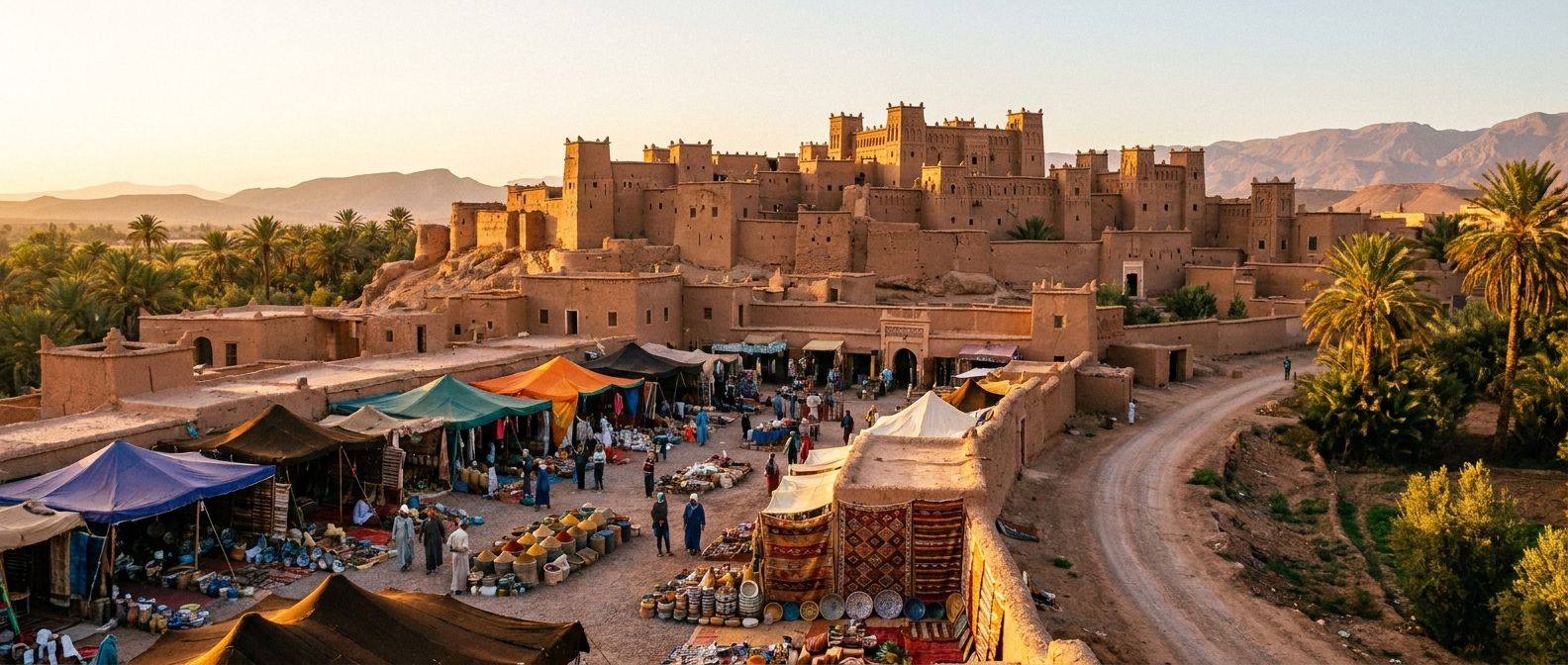
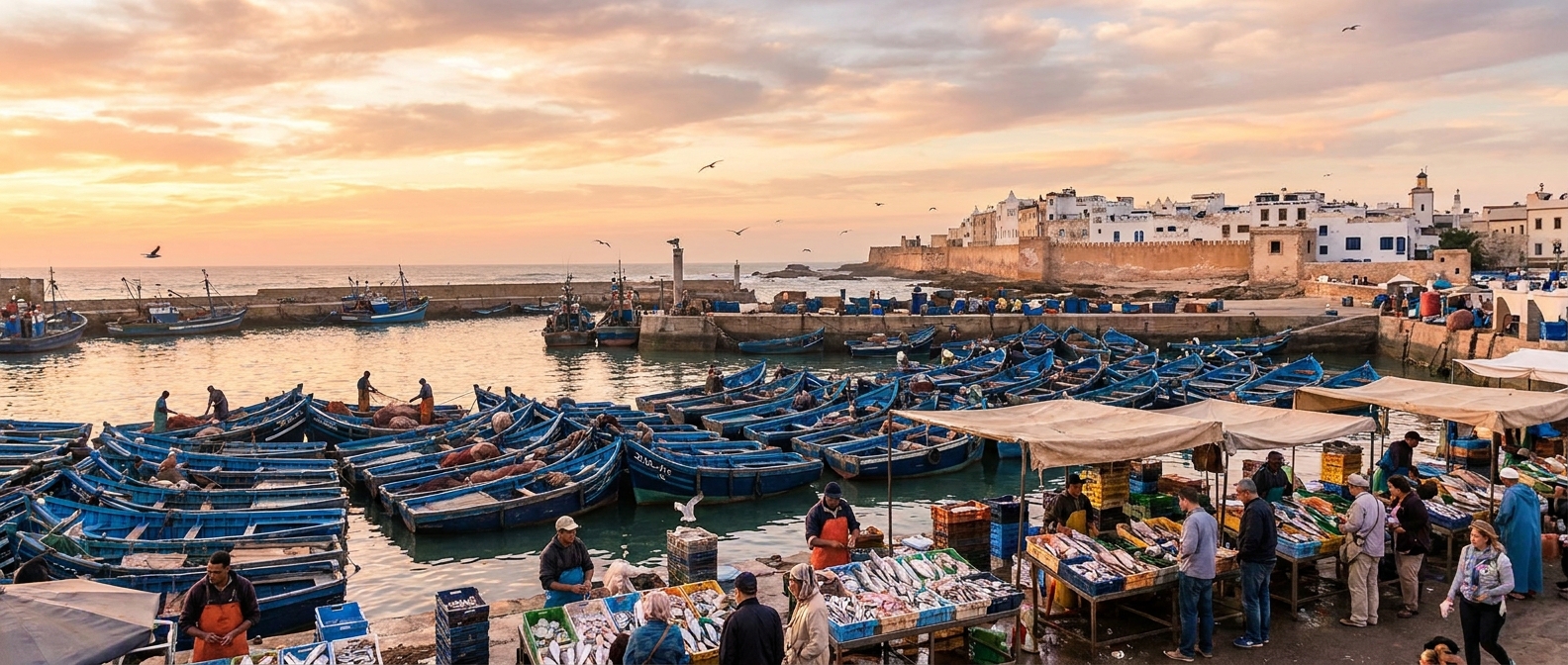
There’s something magical about watching the sun rise over Essaouira’s harbor. The air smells of salt and fresh catch, fishermen call out to each other in rapid-fire Arabic, and those iconic blue boats bob gently against the dock. This coastal gem on Morocco’s Atlantic coastline isn’t just beautiful — it’s built on a fishing culture that runs generations deep.
The city’s fishing port pulses with life, driven largely by artisanal sardine fishing that’s been sustaining families here for as long as anyone can remember. And here’s the thing: it’s not just about feeding locals anymore. Visitors from around the world make their way to the Essaouira fish market to taste the freshest seafood they’ll probably ever eat, all while soaking in the chaotic, beautiful energy of it all.
But fishing here? It’s way more than a job. It’s identity. Walk down to the picturesque harbor with its fleet of blue boats, and you’ll feel it immediately — that profound connection between the people of Essaouira and the sea that sustains them.
Historical Roots of Essaouira’s Fishing Heritage
Essaouira’s relationship with fishing stretches back to the 18th century. The harbor was originally built for trade (smart thinking, right?), but it didn’t take long for fishing to become the main event. Coastal families have depended on these waters for food and income ever since, passing down fishing techniques from father to son, generation after generation.
What’s remarkable is how the city has managed to hold onto these traditions while still moving forward. As one of Morocco’s key fishing ports, Essaouira has earned serious bragging rights for its sardine catches. But beyond the economics, the cultural practices surrounding fishing — the net weaving, the boat building, the stories shared over mended lines — reflect something deeper about community and artistic expression here.
The Vibrant Current State of Fishing in Essaouira
Fast forward to today, and Essaouira’s fishing scene is still going strong. Every morning before most tourists have finished their first coffee, fishermen are already heading out in their wooden boats, using hand-crafted nets that would make any Instagram influencer jealous. When they return? That’s when the real action starts.
The port transforms into organized chaos — fish being sorted, auctions happening at lightning speed, and deals being struck in seconds. If you want to understand daily life in Essaouira, this is where you need to be.
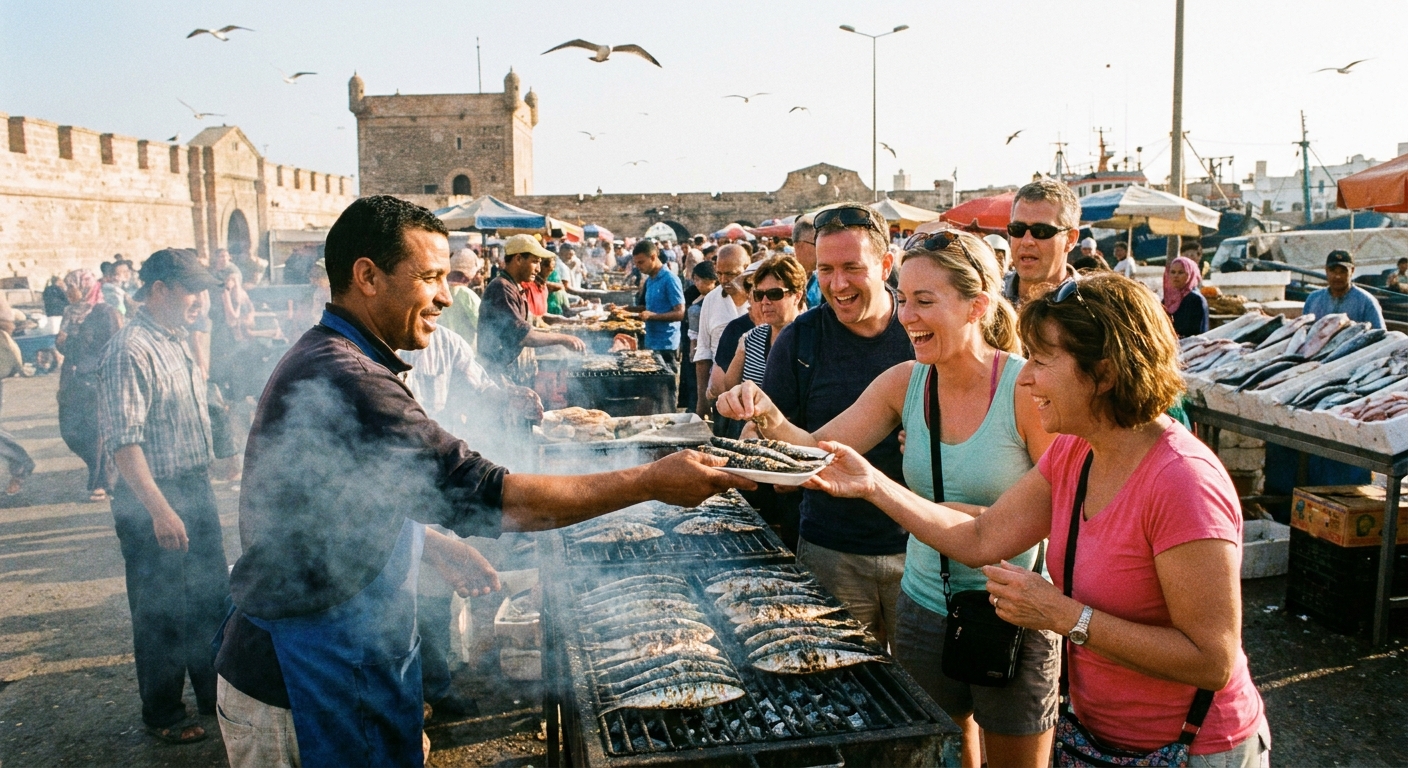
The Essaouira fish market is basically seafood heaven. Grilled sardines straight off the boat? Yes, please. The stalls near the harbor serve them up fresh each day, and honestly, once you’ve tasted them, you’ll understand what all the fuss is about. The market feeds local restaurants and draws tourists in droves — a win-win for everyone involved.
Key Statistics Highlighting Fishing’s Economic Impact
Let’s talk numbers for a second (and yes, they’re impressive).
Essaouira ranks as the second largest sardine fishing port in all of Morocco — only Agadir beats it out. The harbor is home to over 1,000 fishing boats, most painted that distinctive blue you’ve probably seen in photos. Fun fact: locals believe the color actually attracts sardines. Whether that’s science or tradition, who’s to say?
Here’s the statistic that really drives the point home: roughly 30% of Essaouira’s entire economy depends on fishing. That’s not a small number. It means that for many families here, the sea isn’t just scenic backdrop — it’s their livelihood, their heritage, and their future all wrapped into one.
Insights from Local Fishermen
“Our methods may seem simple,” says local fisherman Ahmed El Hamidi, “but they carry centuries of practices that connect us to the ocean.” He pauses, looking out at the water. “The cultural significance of fishing in Essaouira runs deep. It’s not just about supporting our families — it enriches our community spirit and keeps our traditions alive.”
The cooking traditions that have grown up around the fresh catch are equally important. Sardines, in particular, have inspired recipes and techniques that define Essaouira’s food culture in ways that fancy restaurants simply can’t replicate.
Local historian Dr. Fatima Zahra Hani puts it beautifully: “What we see today is living heritage. It reflects our history and our daily life. Fishing bridges the past with the present — and honestly, it’s vital for both our economy and our soul.”
Trends & Developments in Fishing Culture

Things are evolving here, though. Sustainability has become a hot topic (and for good reason). Local NGOs are stepping up to teach fishermen about ecological techniques that protect marine habitats while still putting food on tables. It’s a delicate balance, but it’s happening.
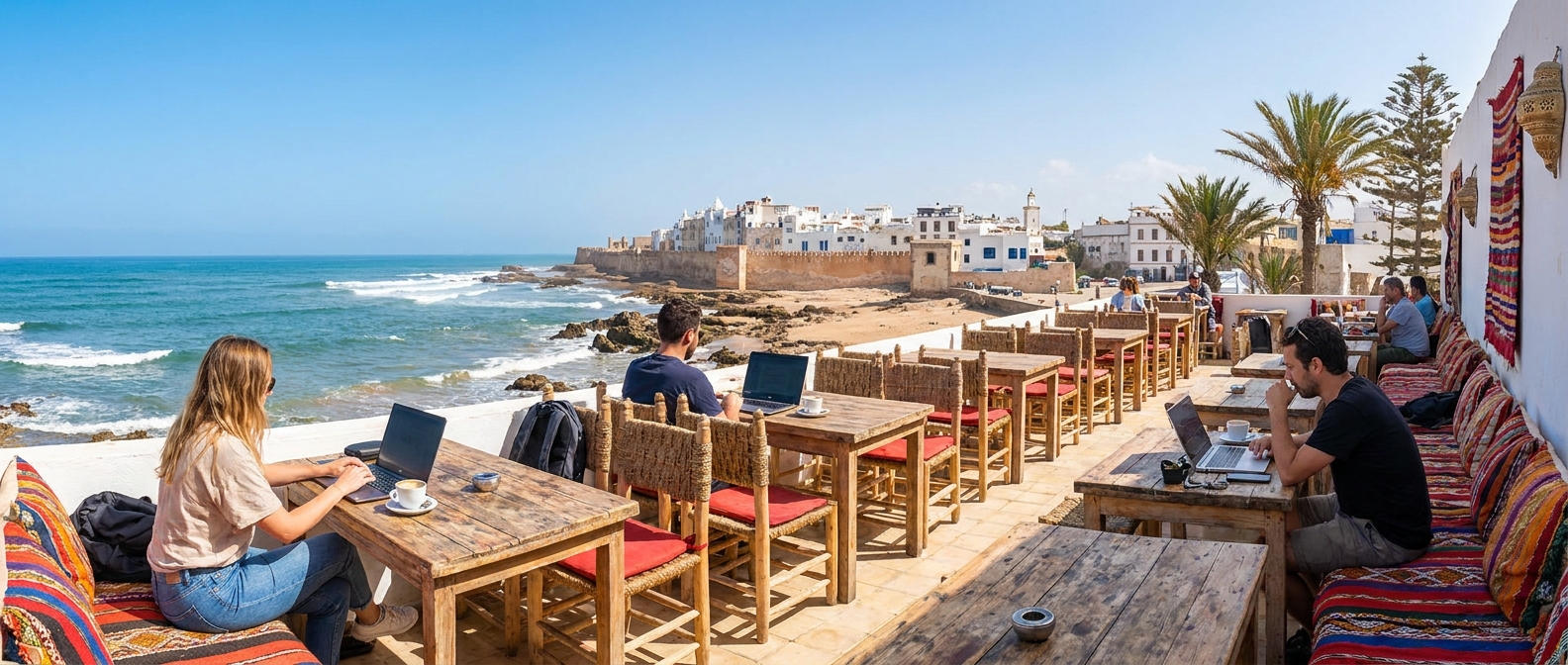
Tourism has also woven itself into the fabric of fishing culture in interesting ways. Visitors can now join fishing workshops, take culinary classes featuring the day’s catch, and get hands-on experiences that go way beyond typical tourist stuff.
There’s also growing appreciation for the fishing boats of Essaouira themselves. The craftsmanship involved in building these traditional vessels is genuine artistry, and both tourists and locals are starting to recognize that. Even as globalization and tourism reshape the city, Essaouira’s fishing culture keeps adapting — staying true to its roots while finding new ways to thrive.
Navigating Challenges in the Fishing Industry
Let’s be real, though — it’s not all smooth sailing. Climate change is hitting hard. Overfishing remains a concern. And competition from larger ports puts pressure on traditional fishermen who can’t exactly scale up their operations.
These challenges have sparked some difficult conversations within the community. How do you preserve centuries-old fishing methods while staying economically viable? How do you protect the environment without cutting off families from their ancestral fishing grounds?
Local stakeholders are pushing for smarter regulations — rules that prevent overfishing but still give traditional fishermen fair access to the waters their families have worked for generations. It’s complicated stuff, but these are conversations that need to happen.
Key Takeaways on Essaouira’s Fishing Culture
So what should you take away from all this?
Essaouira’s fishing culture isn’t just a tourist attraction — it’s the heartbeat of the city. Artisanal methods, the buzzing fish market, those beautiful blue boats — they all tell a story of tradition meeting modern life. The harbor keeps the local economy humming, with sardine fishing playing a starring role in both livelihoods and culinary traditions.
Current efforts toward sustainability and tourist engagement are promising, offering new ways to experience and protect this culture. But challenges around environmental impact and long-term sustainability aren’t going away anytime soon. Addressing them thoughtfully will be crucial for preserving not just the fishing industry, but the rich cultural tapestry that makes Essaouira so special.
Frequently Asked Questions
What is the significance of fishing in Essaouira’s culture?
Fishing has shaped Essaouira for generations. It’s influenced local traditions, defined culinary practices, and become central to how the community sees itself. In many ways, you can’t separate the city from its relationship with the sea.
How does fishing contribute to Essaouira’s economy?
About 30% of the local economy ties back to fishing — that’s huge. Between sardine catches and the lively fish market, the industry provides jobs and income for countless families throughout the city.

What are the current challenges facing Essaouira’s fishing industry?
Climate change, overfishing, and competition from bigger ports are the main concerns right now. Finding sustainable solutions while keeping traditional practices alive is the ongoing challenge.
Are there any sustainability initiatives within Essaouira’s fishing community?
Absolutely. Local NGOs are working directly with fishermen to promote ecological techniques and sustainable practices. It’s a work in progress, but the effort is real and growing.