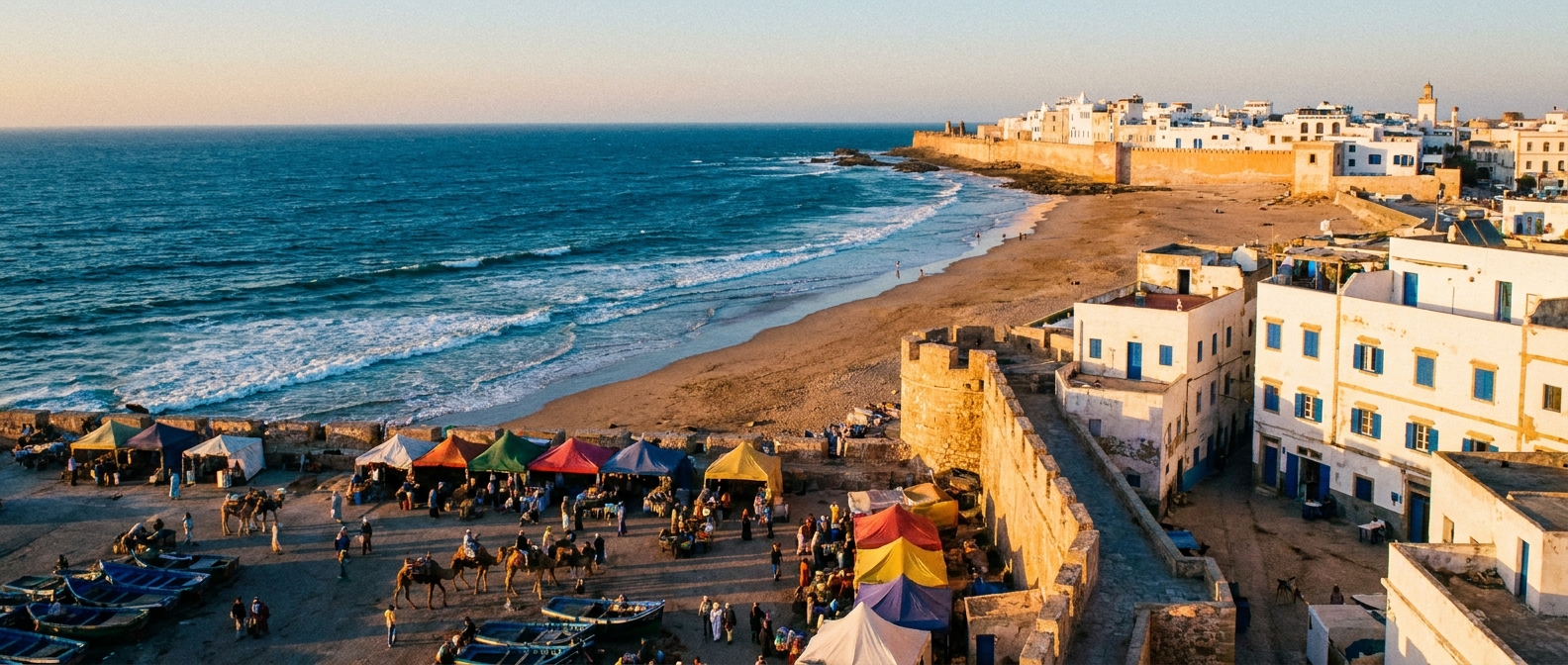
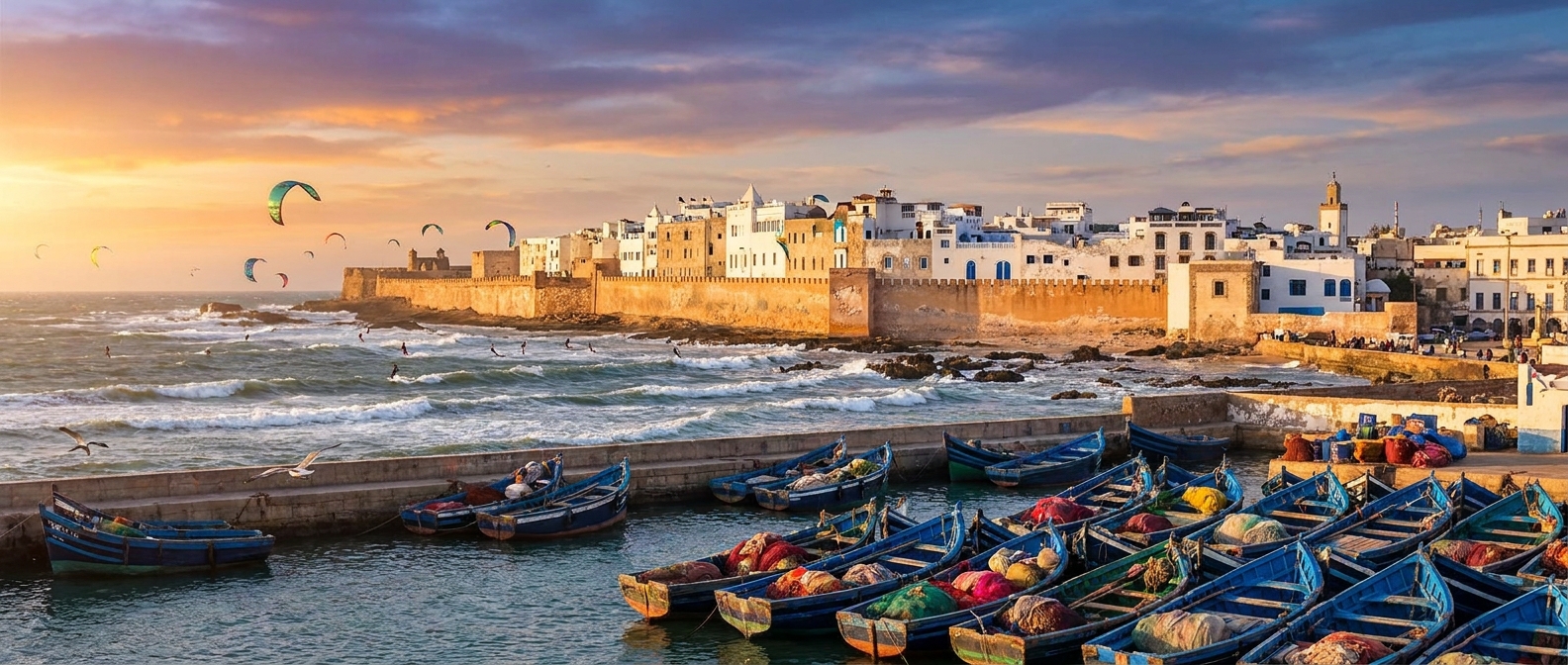
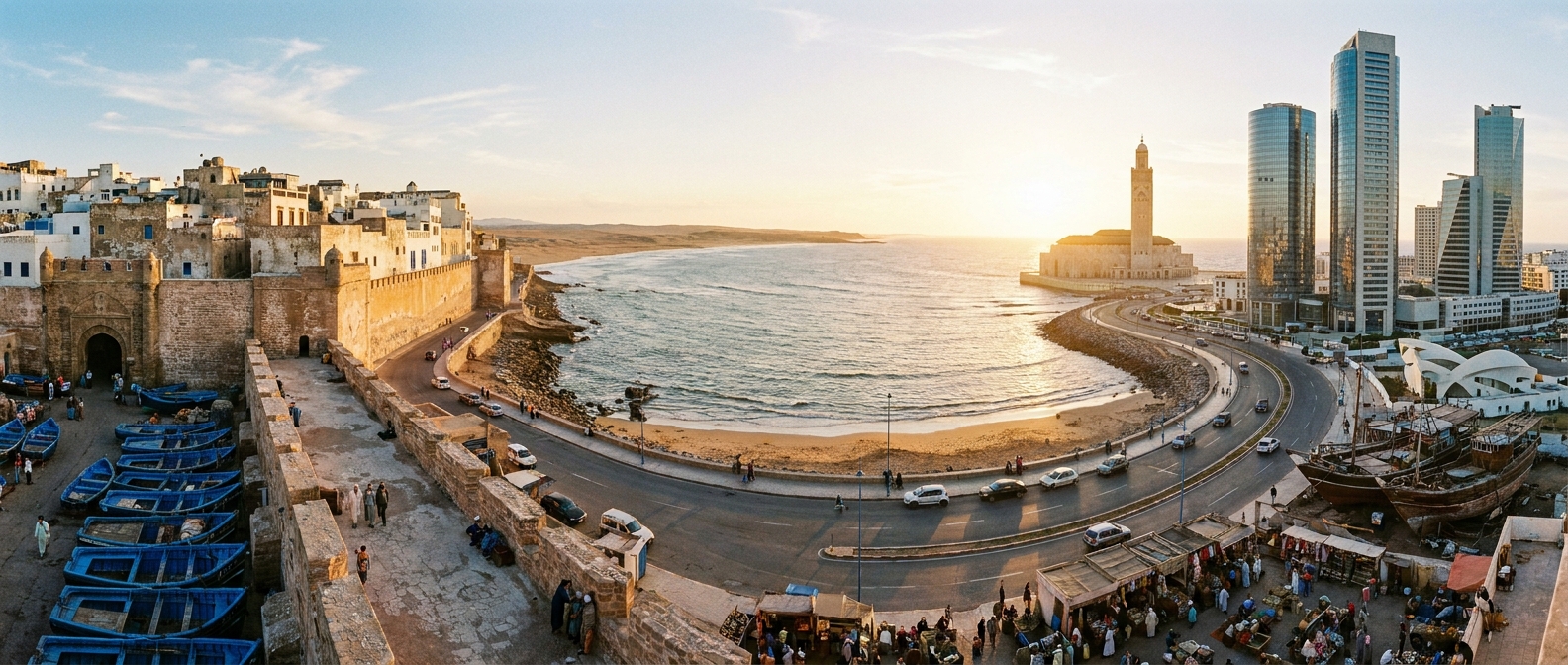
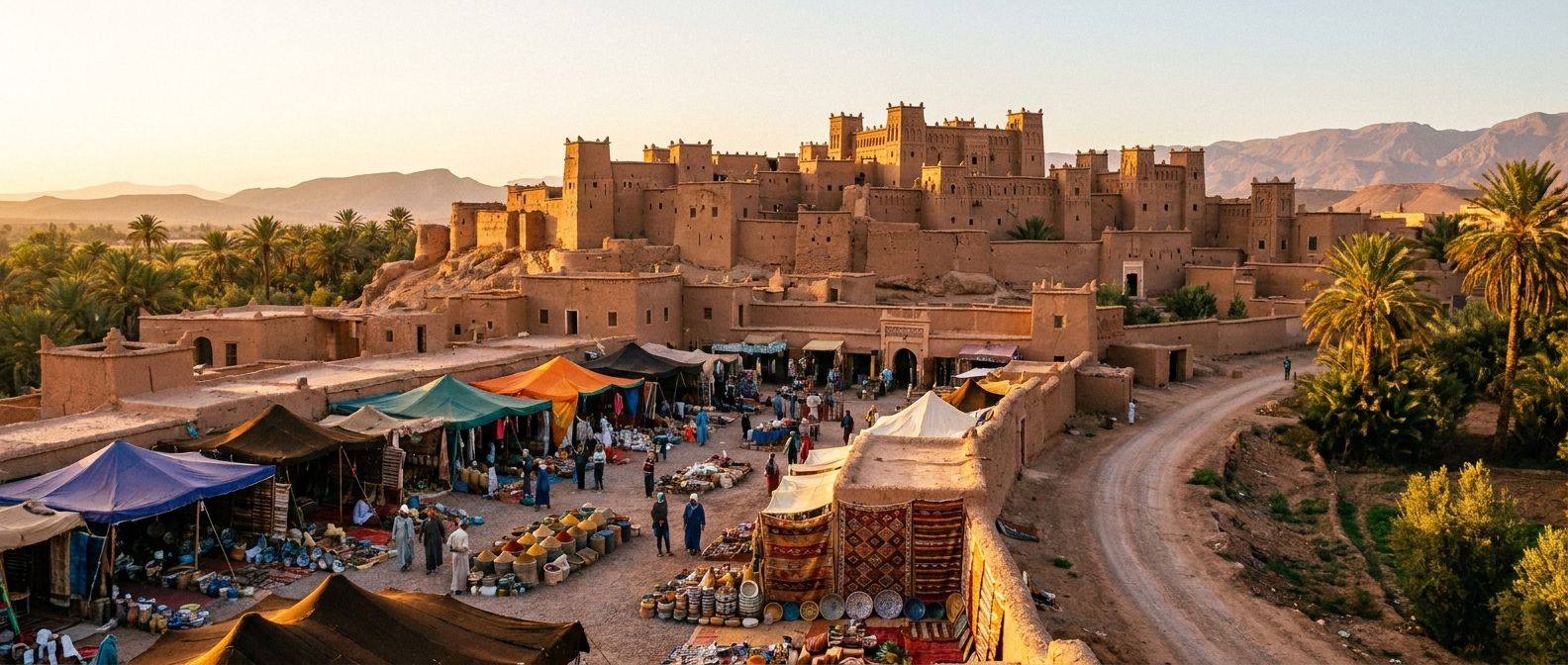
There’s something almost magical about wandering through Essaouira’s narrow streets and suddenly hearing the deep, hypnotic thrum of a guembri cutting through the salty Atlantic breeze. Street musicians here aren’t just performers — they’re the living heartbeat of this Moroccan coastal gem, carrying forward traditions that stretch back centuries.
Essaouira has earned its reputation as the spiritual home of Gnawa music, and for good reason. This genre weaves together African and Arabic musical traditions into something utterly captivating. Every year, thousands of visitors find their way to this wind-swept town, drawn by the sounds that spill out from lively squares and tucked-away cafes. And honestly? The experience rarely disappoints. Beyond the spontaneous street performances, the city hosts the legendary Gnaoua World Music Festival each June, pulling in artists from around the globe. Let’s dive into what makes Essaouira’s musical culture so special — where it came from, where it stands today, and where it’s headed.
Historical Significance of Gnawa Music
Gnawa music didn’t just appear out of nowhere. Its roots run deep — centuries deep — shaped by sub-Saharan African traditions that arrived in Morocco through the slave trade. What emerged over time was something remarkable: a musical form that blends the spiritual with the celebratory, becoming a cornerstone of Moroccan cultural identity.
Essaouira, with its position as a historic port city, naturally became a cultural crossroads. Music wasn’t just entertainment here; it was (and still is) social glue, binding communities together and preserving collective memory. Then came 1998, and everything shifted. The launch of the Gnaoua World Music Festival changed the game entirely. This explosion of color and sound didn’t just celebrate traditional performances — it started fusing Gnawa with genres from across the world. The result? A revitalized music scene and a legacy that both locals and visitors carry with them long after they leave.
Current Vibrancy of Street Performances
Walk through Essaouira today, and you’ll find music around almost every corner. Local artists and street musicians perform daily, particularly in cultural hotspots like Place Moulay Hassan and Place de la Skala. These squares transform into impromptu concert venues as the sun dips low — you might stumble upon a full Gnawa troupe one evening and a solo guitarist the next.
But here’s the thing: the music doesn’t stop at the squares. Cafés and bars throughout the medina keep the rhythm going with regular live programming. Taros Café has become practically legendary for its rooftop views paired with nightly Gnawa performances. Prefer something jazzier? D’Jazy offers a more intimate setting for live jazz and fusion. And Café Clock? They’ve turned blending great food with engaging performances into an art form all its own.
Statistics Reflecting Essaouira’s Music Scene
The numbers tell a pretty compelling story. The Gnaoua World Music Festival draws roughly 500,000 attendees over its three-day run in June. Think about that for a moment — half a million people, multiple stages, artists from every corner of the world, all descending on this relatively small coastal city.
On regular evenings (festival or not), street performances around Place Moulay Hassan kick off almost daily, typically as the evening prayer calls fade. Venues like Taros and D’Jazy usually get their live sets going around 9 PM, attracting a mix of locals who’ve heard it all before and tourists experiencing these sounds for the first time. What keeps things fresh? The constant interplay between traditional rhythms and modern interpretations means no two nights feel quite the same.
The Impact of Experts and Local Musicians
Ask anyone who studies Moroccan music, and they’ll tell you: what makes Essaouira special goes beyond the performances themselves. It’s the cultural heritage those performances carry. Local musicians don’t just play Gnawa — they see it as a spiritual practice, a way of connecting to something larger than themselves and to the deep roots of Moroccan culture.
The Maalems (that’s master musicians, in case you’re wondering) serve as guardians of this tradition. They preserve, teach, and transmit the art form to new generations. And venues throughout Essaouira actively support their work. Places like Café de l’Art and Restaurant des Arts do double duty, hosting both musical performances and art exhibitions. It’s this kind of integration — music meeting visual arts, tradition meeting innovation — that reflects the dynamic creative pulse of the city.

Emerging Trends in Gnawa and Traditional Music

Something interesting has been happening lately. Interest in Gnawa music isn’t just holding steady — it’s actually surging. More tourists than ever are seeking out authentic performances, and local artists are responding with increasingly creative offerings.
The Gnaoua Festival itself has expanded its vision, championing collaborations you might not expect. Gnawa musicians jamming with hip-hop artists? It happens. Rock bands incorporating traditional krakebs? You bet. Electronic producers sampling centuries-old rhythms? Absolutely. This fusion approach isn’t diluting the tradition — if anything, it’s introducing Gnawa to audiences who might never have discovered it otherwise.
There’s also growing recognition from the wider world. Essaouira’s status as a UNESCO-recognized town for cultural festivities has put it firmly on the map. Local venues are getting savvier about blending modern amenities with traditional programming. The future for street musicians and their craft? It’s looking pretty dynamic.
Challenges Facing Essaouira’s Music Scene
Let’s be real, though — it’s not all smooth sailing. Street musicians navigate some tricky waters, particularly when it comes to balancing artistic integrity against commercial pressures. Some local artists worry (not unreasonably) that the tourism boom might be slowly diluting the authenticity of their performances. When you’re playing to please crowds rather than to honor tradition, something can get lost.
There’s also the question of visibility. While the Gnaoua World Music Festival does incredible work celebrating this rich tradition, its very success can sometimes overshadow the musicians who perform year-round, away from the festival spotlight. And the conversations around how visitors engage with this cultural heritage — respectfully, one hopes — remain ongoing and important within the community.
Conclusion: The Future of Essaouira’s Musical Identity
So where does all this leave us? Essaouira stands as a genuine cultural hub for Gnawa music — a place where sound, identity, and tradition intertwine in ways that feel both ancient and alive. The annual Gnaoua World Music Festival continues to draw hundreds of thousands of visitors, boosting local tourism while deepening cultural appreciation.
Venues like Taros Café, D’Jazy, and Café Clock keep the live music scene thriving year-round, while street musicians add their own spontaneous magic to iconic spots like Place Moulay Hassan. Looking ahead, the fusion of traditional and contemporary styles shows no signs of slowing down. Yes, challenges around authenticity persist — they probably always will. But Essaouira remains a beacon of cultural vibrancy, a place where music, community, and heritage weave together into something genuinely special. If you haven’t experienced it yet, you’re missing out.
Frequently Asked Questions
What is Gnawa music?
Gnawa is a deeply rooted Moroccan musical genre that blends African and Arabic traditions. It’s both spiritual and celebratory, featuring traditional instruments like the guembri (a three-stringed bass lute) and krakebs (metal castanets). The rhythms are hypnotic, and performances often have a trance-like quality.
How significant is the Gnaoua World Music Festival?
Hugely significant — we’re talking around 500,000 attendees each year. Beyond celebrating traditional Gnawa music, the festival has become a platform for cross-genre collaborations that introduce these sounds to entirely new audiences.

Where can I experience street performances in Essaouira?
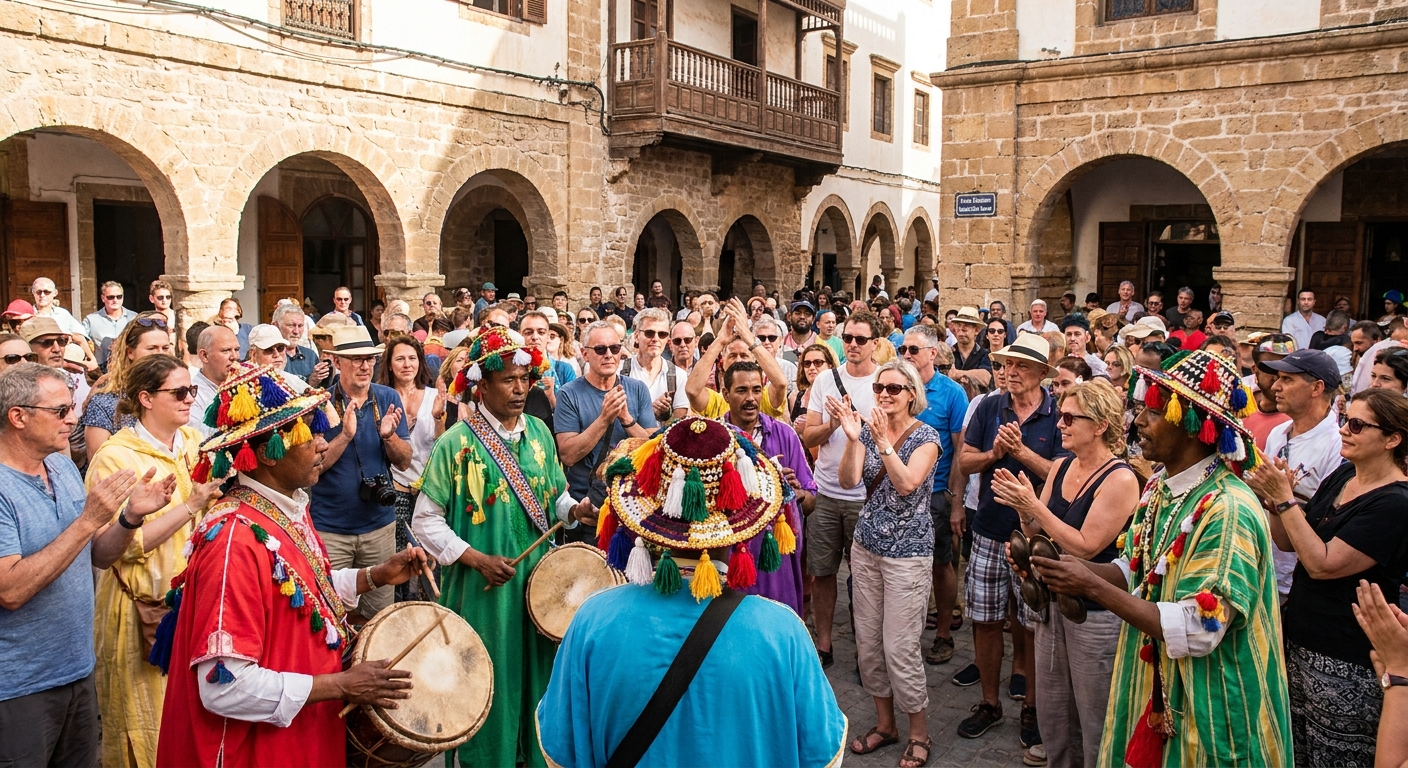
Head to Place Moulay Hassan or Place de la Skala, especially in the evenings. That’s when local musicians typically gather and perform. The atmosphere is relaxed, the music is spontaneous, and you’ll likely stumble upon something memorable.
What challenges do street musicians in Essaouira face?
The biggest tensions involve maintaining artistic authenticity while meeting commercial expectations from tourism. There are also ongoing concerns about the sustainability of their craft and ensuring that cultural heritage remains in the hands of those who created it.