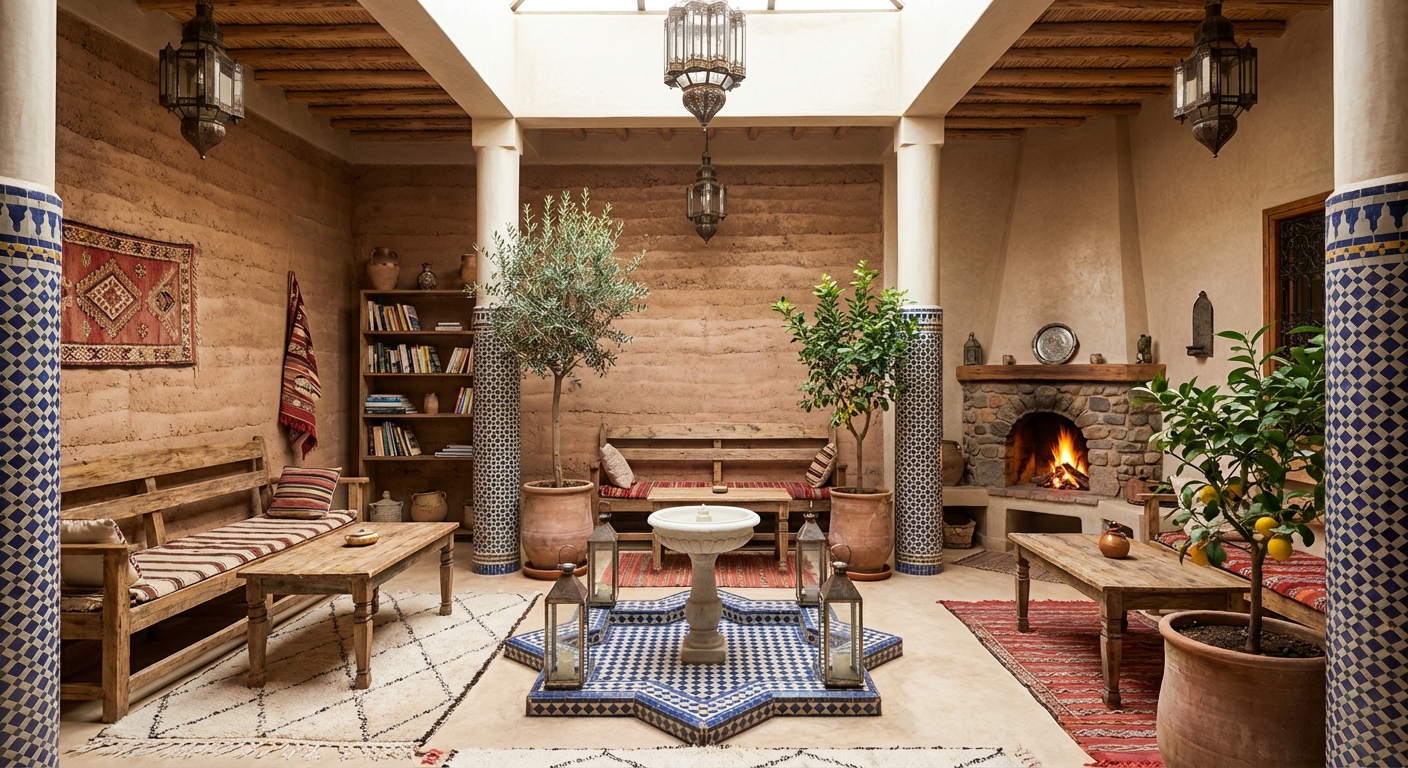
There’s something almost magical about walking along ancient walls that have witnessed centuries of history unfold. Essaouira, perched on Morocco’s windswept Atlantic coast, offers exactly that experience — and then some. These striking ramparts, built in the 18th century, tell a fascinating story of cultural collision, with Moroccan craftsmanship meeting European military design in ways that earned this coastal gem its well-deserved UNESCO World Heritage status.
But here’s the thing: these walls aren’t just pretty to look at. They’re a living testament to Essaouira’s glory days as a bustling maritime trading hub, packed with stories of merchants, invaders, and resilient locals who shaped the city’s identity over centuries. The Portuguese first laid foundations here in the 16th century, but it was Sultan Mohammed III who commissioned the impressive fortifications we see today. And honestly? Walking these ramparts is like stepping into a time machine — one with incredible ocean views and the salty tang of sea air.
The Historical Context of Essaouira’s Fortifications
Essaouira’s story as a fortified stronghold stretches back way further than most visitors realize. We’re talking Phoenician traders dropping anchor here, followed by Carthaginians setting up shop around the 7th century BC. Fast forward to the 16th century, and the Portuguese rolled in, building what they rather dramatically called Castelo Real de Mogador. (Leave it to the Portuguese to pick a name with flair.) Those early fortifications eventually crumbled, though, falling into disrepair before being torn down entirely.
Then came Sultan Mohammed III in the mid-18th century with a vision. He wanted a fortified port city — one that could handle serious trade while keeping pirates at bay. So he brought in French engineer Théodore Cornut, who designed defenses using the latest European military techniques of the era. The result? A brilliantly planned grid layout that somehow managed to be both practical for commerce and formidable against attack. It’s this thoughtful balance between past traditions and forward-thinking design that gives Essaouira its unique character today.
The Current State of Essaouira’s Ramparts
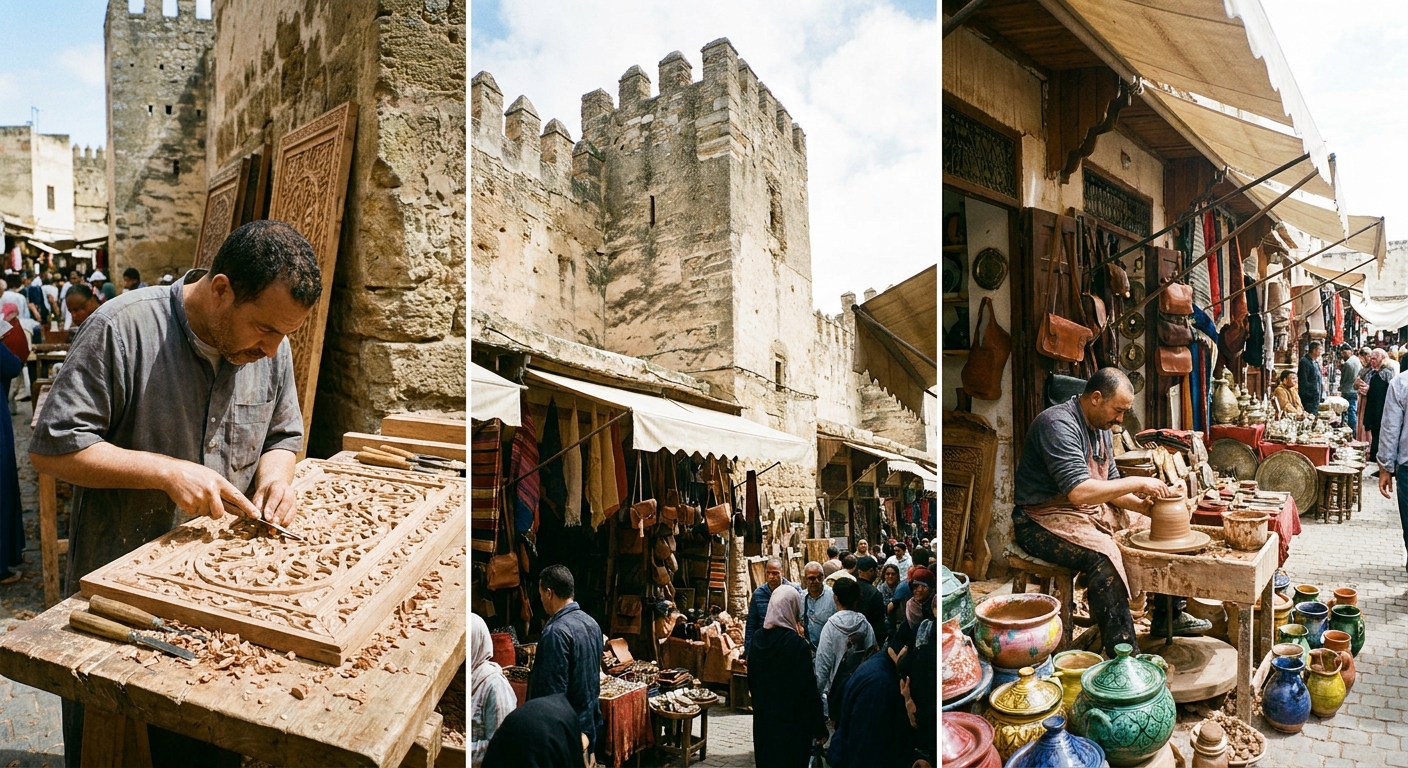
Walk along these walls today, and you’ll quickly understand why they’ve become such a draw for travelers worldwide. The ramparts still stand proud, guarding a medina that buzzes with life — think artisan workshops, market stalls overflowing with handcrafted goods, and those sweeping Atlantic views that make you want to stay forever. What’s encouraging is the growing focus on sustainable tourism here. Locals and authorities alike are working to ensure that welcoming visitors doesn’t mean sacrificing the city’s soul.
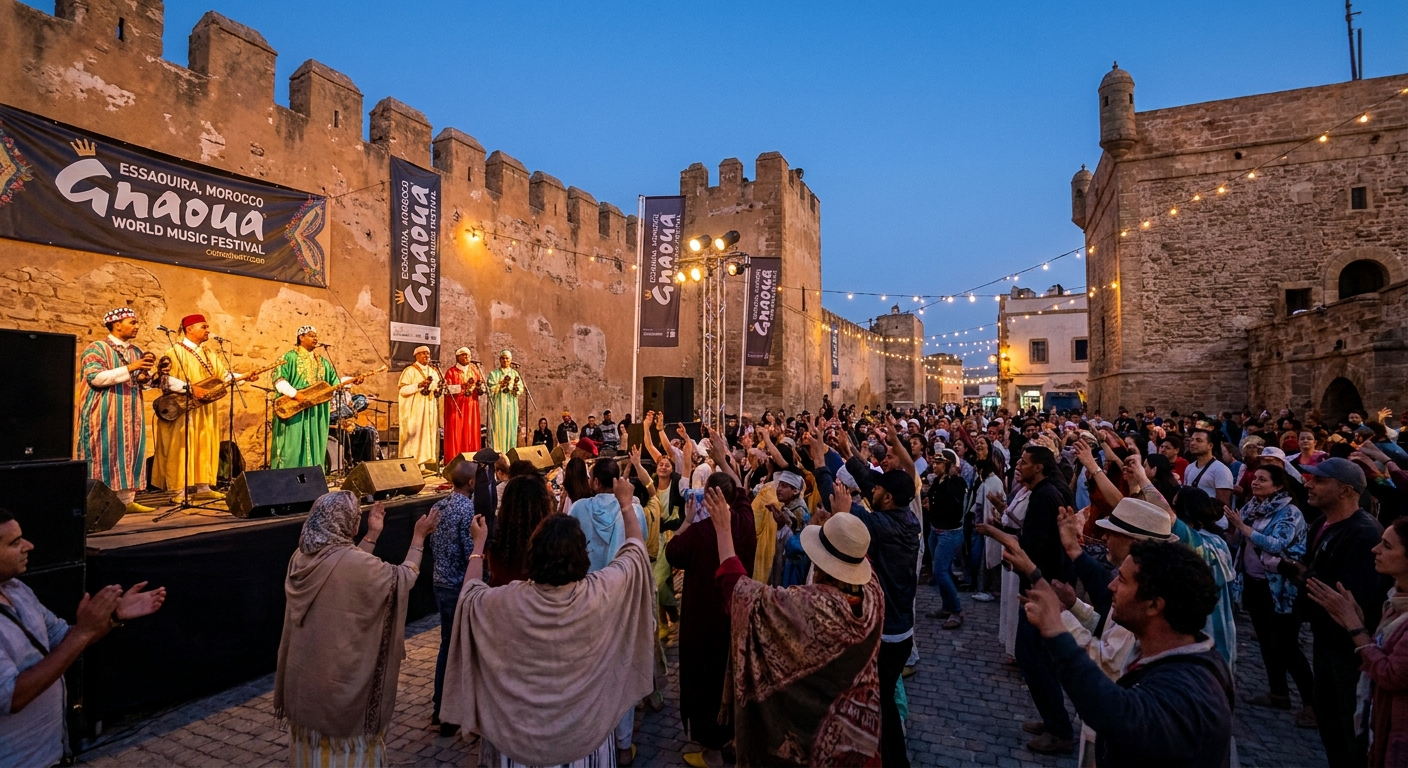
And speaking of soul — Essaouira has it in spades. The city plays host to the legendary Gnaoua World Music Festival, drawing music lovers from every corner of the globe. Picture this: hypnotic rhythms filling the air while the ancient walls stand sentinel in the background. It’s the kind of experience that reminds you why travel matters. The ramparts become more than stone and mortar during these events; they transform into a stage for the vibrant cultural tapestry that makes Essaouira unlike anywhere else.
Statistics and Key Data About the City Walls
Want to get a sense of what makes these walls so special from a historical and architectural standpoint? Here’s what you should know:
- Inscription as a UNESCO World Heritage Site: 2001
- Date of Initial Construction: Late 18th Century
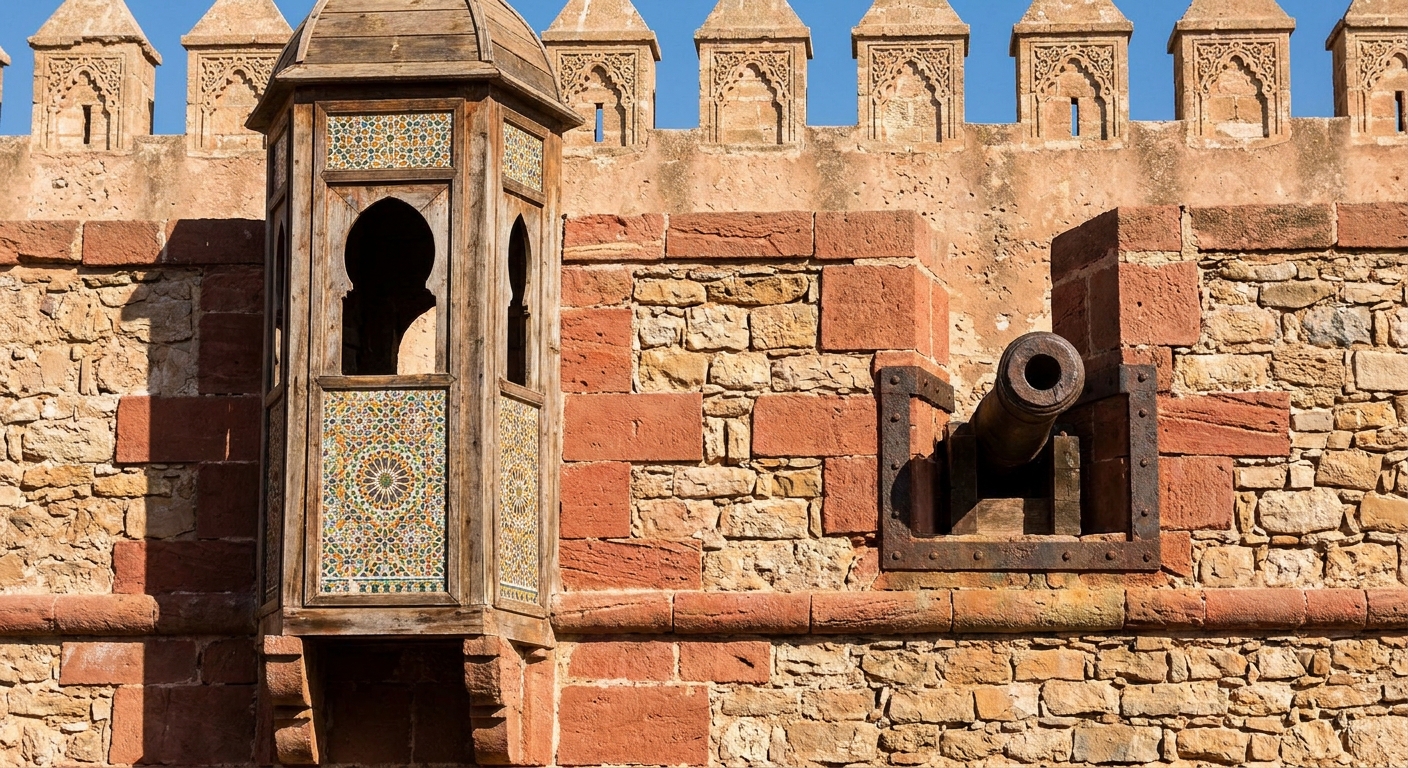
- Architectural Style: A blend of Moroccan and European military designs, inspired by the Vauban model
- Total Length of Walls: Approximately 2.5 kilometers
- Main Materials Used: Local stone and wood from nearby forests
Expert Insights on Architectural Significance
Historians and architects tend to get a bit starry-eyed when discussing Essaouira’s walls — and for good reason. The fusion of European and Moroccan design elements really is something special. Dr. Youssef El Aamari, who specializes in Moroccan urban architecture, puts it well: “The ramparts epitomize the coexistence of colonial architecture with local traditions.” He’s particularly enthusiastic about Cornut’s grid layout, which managed to boost urban efficiency without sacrificing the fortifications’ aesthetic appeal or defensive strength.
UNESCO’s take adds another layer to the story. They highlight how Essaouira has been a genuine crossroads of civilizations — Amazigh, Arab, African, European, Muslim, Christian, and Jewish communities have all called this place home over the centuries. That cultural mixing pot? You can still see it today in the architecture, the markets, and the neighborhoods tucked within these protective walls. It’s not just preserved history; it’s living heritage.
Recent Trends and Developments
Something exciting is happening in Essaouira right now. There’s a genuine revival of traditional crafts — woodwork, pottery, textiles — driven by local artisans who see value in preserving (and evolving) their heritage. The markets lining the city walls have become showcases for this craftsmanship, and it’s creating a tourism model that actually benefits the community. That matters more than you might think.
The city’s also been busy improving infrastructure around the ramparts. New access points, informative displays explaining the walls’ history — these might sound like small touches, but they make a real difference for visitors trying to understand what they’re seeing. It’s all part of a larger effort to share these stories while respecting the monuments that hold them.
Challenges to Preservation and Cultural Authenticity
Let’s be real, though — UNESCO status doesn’t make problems disappear. Essaouira grapples with some tough issues, urbanization and tourism pressures chief among them. During peak season, the sheer number of visitors can strain both the physical structures and the local way of life. There’s genuine concern about what constant foot traffic does to centuries-old stone, and authorities are scrambling to develop sustainable management strategies.
Then there’s the thornier question of commercialization. Tourism creates jobs and economic opportunities — no one’s arguing against that. But many locals worry about their traditions becoming… well, theme park versions of themselves. Authentic crafts getting watered down for tourist tastes. The unique cultural identity that makes Essaouira special slowly eroding as the city tries to please everyone. Finding that balance isn’t easy, and the conversations around it are ongoing.
Key Takeaways and Future Directions
So what should you take away from all this? Essaouira’s city walls represent something remarkable: a true architectural fusion born in the mid-18th century under Sultan Mohammed III’s vision. Their UNESCO recognition in 2001 acknowledged both the exceptional preservation of these fortifications and the multicultural heritage they represent. Today, they offer stunning views, host world-class cultural festivals, and support a thriving artisan economy — all while facing the very real challenges that come with being a beloved destination.
The path forward requires care. Protecting these walls and the medina they embrace means making thoughtful choices about tourism, development, and preservation. But if Essaouira’s history teaches us anything, it’s that this city knows how to adapt while holding onto what matters. That’s been its story for centuries — and there’s no reason to think it won’t continue.
Frequently Asked Questions
What is the significance of Essaouira’s city walls?
These walls are historically significant because they showcase an unusual blend of Moroccan and European architectural styles, having protected the city since the 18th century. They also reflect Essaouira’s rich multicultural past — a major reason UNESCO granted World Heritage status to the site.
When were the current walls of Essaouira constructed?
The walls standing today were primarily built in the late 18th century under Sultan Mohammed III’s direction. The earlier Portuguese fortifications from the 16th century had been dismantled by then, making way for this more impressive defensive system.
How long are the city walls of Essaouira?
You’re looking at roughly 2.5 kilometers of walls — plenty of ground to cover if you want to walk the entire circuit and soak in those coastal views along the way.
What types of events take place at the ramparts of Essaouira?
The ramparts serve as an atmospheric backdrop for various cultural celebrations, most notably the Gnaoua World Music Festival. This internationally acclaimed event draws musicians and fans from around the world, turning the ancient walls into an unforgettable concert venue.
What challenges does Essaouira face regarding tourism?
The main concerns center on over-tourism during peak seasons. Too many visitors can take a toll on historic structures and put pressure on local culture. Authorities and residents are actively working on strategies to balance economic benefits with preservation needs — it’s an ongoing conversation with no easy answers.