There’s something magical about stumbling upon the perfect Moroccan rug — that moment when colors, patterns, and centuries of tradition come together in a single piece that feels like it was made just for you. And honestly? Essaouira might be the best place in Morocco to have that experience.
Tucked along Morocco’s windswept Atlantic coast, this laid-back coastal town has become a go-to destination for rug hunters seeking authentic handmade pieces without the chaos of Marrakech’s souks. The medina here hums with artisanal energy, offering everything from weathered vintage Berber rugs to bold contemporary designs. Whether you’re a serious collector or just someone who fell in love with Moroccan aesthetics on Instagram, Essaouira delivers.
Historical Significance of Essaouira’s Rug Craftsmanship
Here’s the thing about Essaouira — it’s never been just one culture. Portuguese traders, French colonizers, and Berber communities have all left their fingerprints on this place. And nowhere is that cultural mashup more visible than in the rugs.
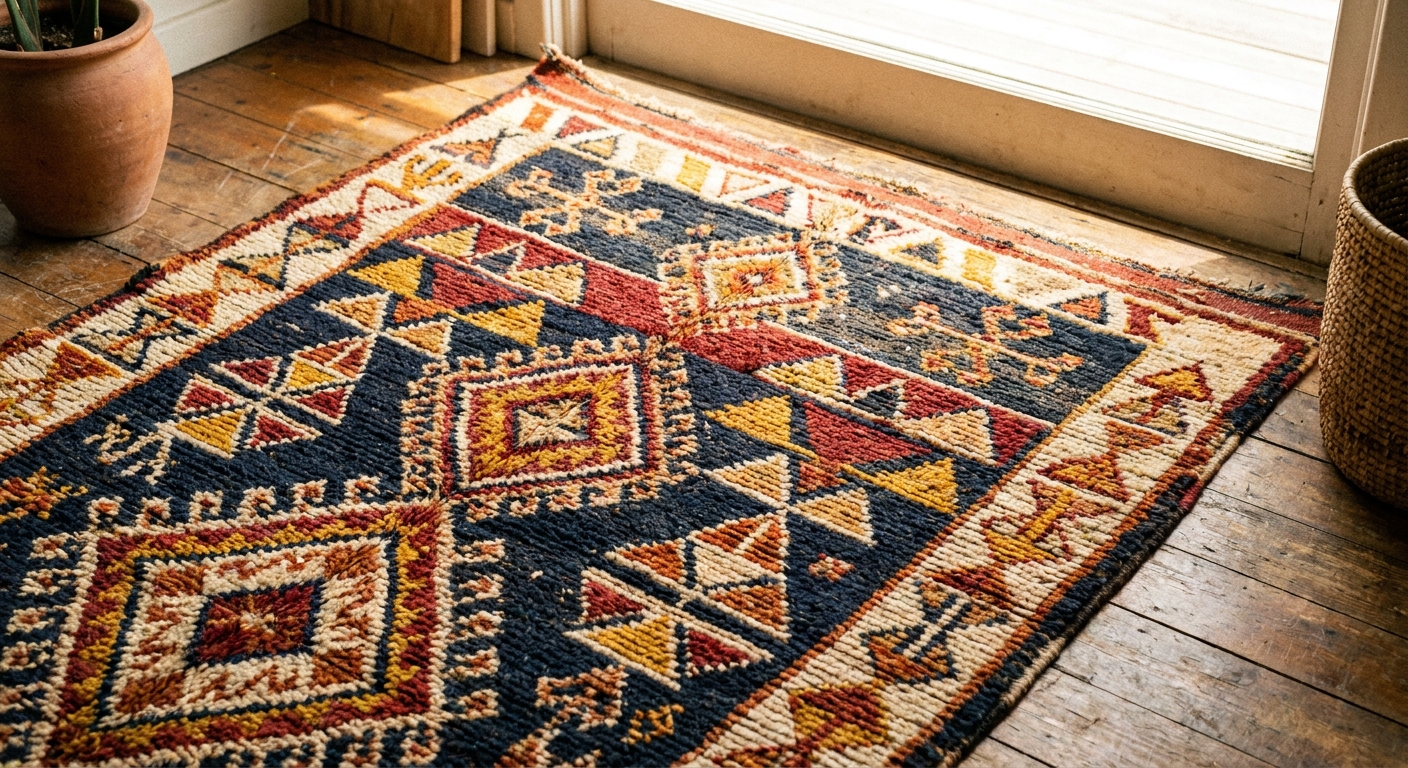
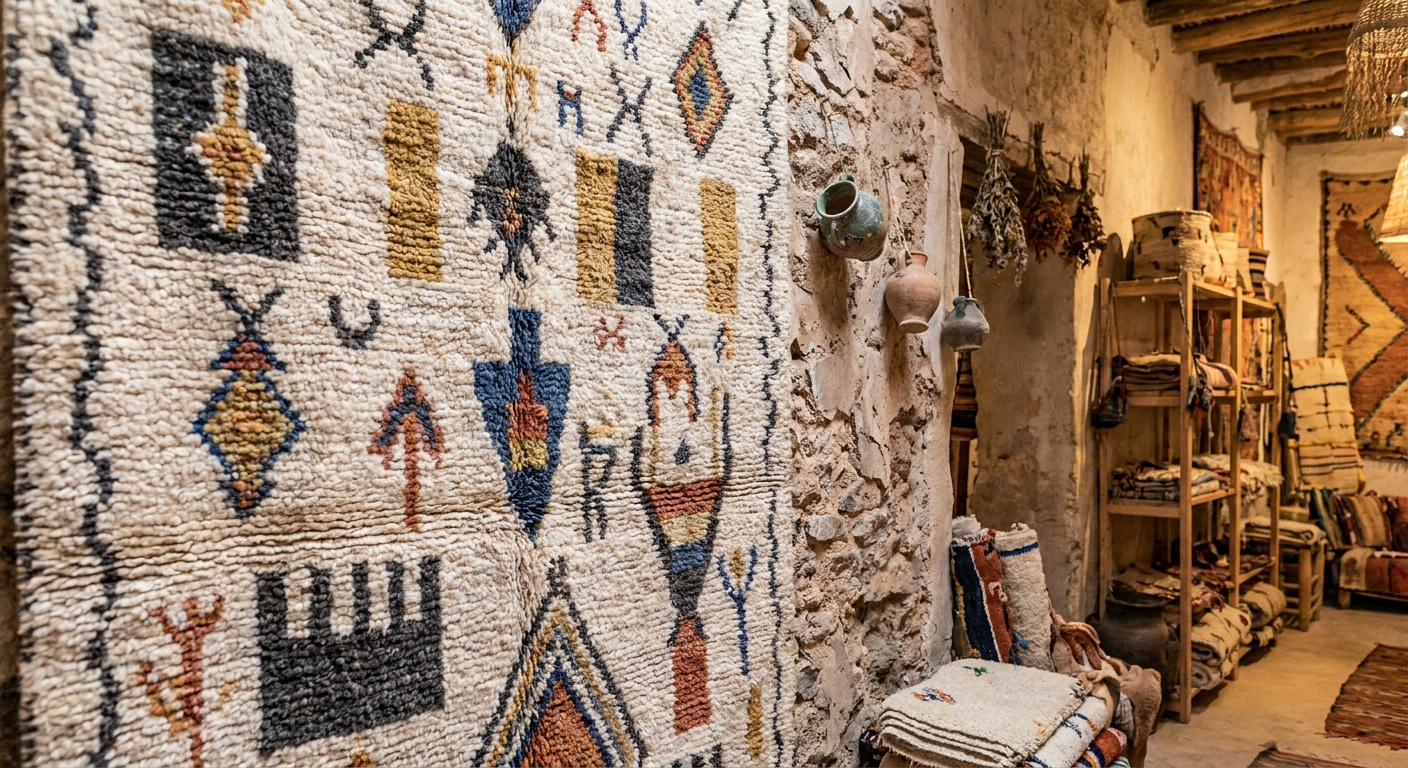
The weaving traditions here stretch back generations. Each knot, each pattern, each burst of color tells a story. These aren’t just decorative pieces; they’re woven narratives passed down from grandmother to mother to daughter. The geometric symbols? They often represent fertility, protection, or the weaver’s own life journey.
So when you buy a rug in Essaouira, you’re not just picking up home decor. You’re taking home a piece of someone’s story — and that’s pretty remarkable when you think about it.
Current Shopping Landscape in Essaouira
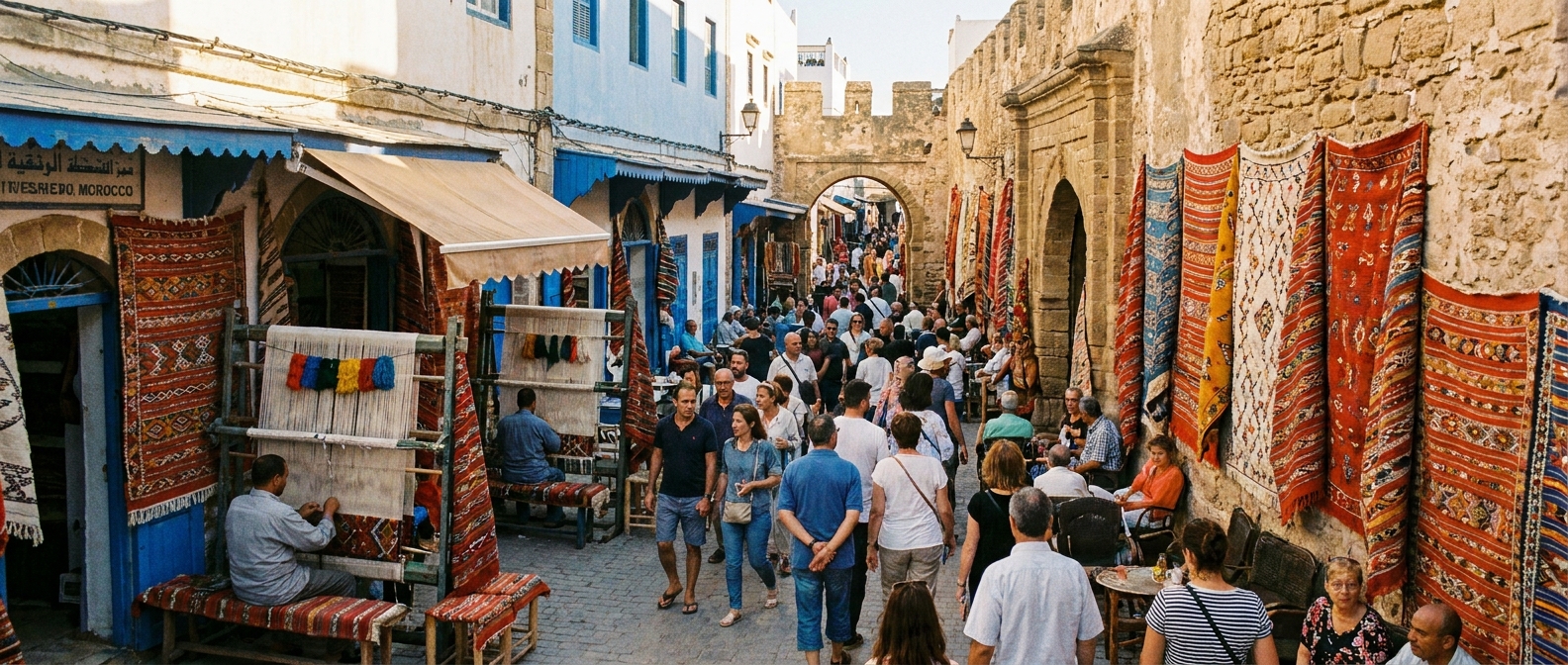
The rug shopping scene in Essaouira has really come into its own. You’ll find dozens of shops scattered throughout the medina, each with a distinct personality. Some popular spots that keep popping up in traveler recommendations? Galerie Jama, Zaman Berber Rugs, and Maison Berbere. Each offers a different vibe — from carefully curated vintage collections to vibrant Boucherouite and Azilal pieces.
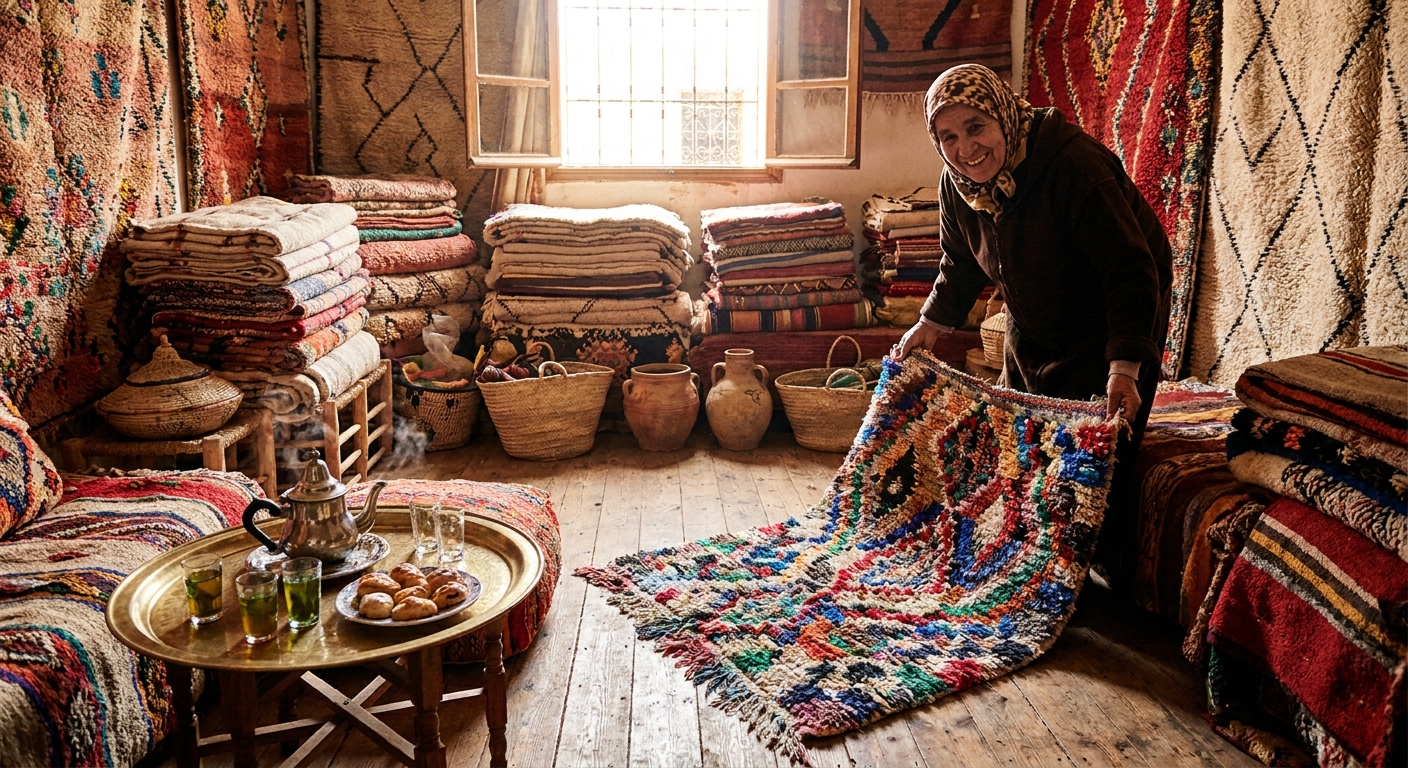
But the real joy here isn’t just the rugs themselves. It’s the experience. Wandering through the medina’s narrow alleyways, ducking into shops, sipping mint tea while a shopkeeper unrolls piece after piece — this is shopping as cultural immersion.
Galerie Jama at 22 Rue Ibnou Rochd has earned a particularly loyal following for its vintage selection and genuinely helpful staff. No pressure tactics, just good rugs and good conversation.
Noteworthy Rug Shops You Should Visit
Let’s get specific. If you only have time for a few stops, these three shops deserve a spot on your list. Each brings something different to the table, and the owners actually know their stuff — they can walk you through the history and craftsmanship behind what you’re looking at.
Zaman Berber Rugs at 169 Avenue Sidi Mohamed Ben Abdellah consistently gets raves for fair pricing and a genuinely welcoming owner. You won’t feel like you’re being hustled here. Maison Berbere takes a different approach — it’s quieter, less touristy, with an impressive traditional collection that rewards patient browsing.
Pro tip: spend some time chatting with the shop owners. Build a connection. Not only will you learn fascinating details about your potential purchase, but you might just land a better deal too. These relationships matter.
Expert Insights on Rug Buying
Travel experts and seasoned Morocco visitors say the same thing again and again: knowledge is power when rug shopping. Understanding what you’re looking at — the weaving techniques, the regional variations, the telltale signs of quality — can transform the entire experience.
And yes, you should negotiate. It’s expected. But here’s where it gets interesting: pricing isn’t arbitrary. The complexity of the design, the age of the piece, the materials used, the region it comes from — all of these factors influence value. When you engage sellers in genuine conversation about these elements, you’re not just haggling. You’re having a meaningful exchange that benefits everyone involved.
Growing Trends in Authentic Handcrafted Rugs
Something’s shifted in the rug market lately. Buyers increasingly want pieces with a story — handmade items that support real artisans rather than factory-produced knockoffs. Call it conscious consumerism, call it a backlash against mass production. Whatever you call it, it’s great news for Essaouira’s rug sellers.
Vintage pieces and one-of-a-kind finds are especially hot right now. That slightly uneven edge? Those subtle color variations? They’re features, not flaws. They’re proof that human hands created something beautiful, imperfect, and completely irreplaceable.
Challenges to Consider When Shopping
Now, let’s be real for a minute. Not every shopping experience goes smoothly. Some buyers have reported confusion around final pricing — particularly when shipping and customs charges enter the picture. International shipping can get complicated (and expensive), so get everything in writing before you commit.
Even shops with stellar reputations occasionally receive mixed reviews. Zaman Berber Rugs, for instance, has overwhelmingly positive feedback but some scattered complaints about pricing inconsistencies. The takeaway? Stay informed, ask questions, and trust your instincts. If something feels off, it probably is.
Conclusion: Your Journey to Finding the Perfect Moroccan Rug
Essaouira delivers everything a rug enthusiast could want: rich history, skilled artisans, diverse selection, and that perfect balance of authentic experience without overwhelming tourist chaos. Shops like Galerie Jama, Zaman Berber Rugs, and Maison Berbere represent the best of what’s available — quality pieces, knowledgeable sellers, and genuine cultural connection.
Just remember to clarify all costs upfront (especially for international shipping) and embrace the process. Finding your perfect rug isn’t just about the end result. It’s about the conversations, the discoveries, the unexpected connections you make along the way. Every rug tells a story. Maybe the next one will tell yours.
Frequently Asked Questions
What types of Moroccan rugs can I find in Essaouira?
You’ll discover an impressive range — vintage Berber rugs with their distinctive geometric patterns, colorful Boucherouite pieces made from recycled fabrics, and the increasingly popular Azilal rugs known for their abstract designs. Each style carries its own cultural significance and aesthetic appeal.
How do I negotiate prices when buying rugs in Essaouira?
Negotiating is part of the experience here, so don’t be shy about it. Start by building genuine rapport with the seller. Do some research beforehand so you know roughly what things cost. Then make a reasonable offer and work from there. It should feel like a conversation, not a battle.
Are the rugs in Essaouira authentic?
The vast majority are genuinely handmade by local artisans. That said, it never hurts to ask questions about where a piece comes from, who made it, and how. Good sellers love talking about their rugs — it’s a sign you’re in the right shop.
What should I consider when purchasing a rug in Essaouira?
Think about the rug’s history and origin, the materials and weaving techniques used, and how it’ll fit into your space back home. If you’re shipping internationally, factor in those costs early — they can add up quickly and affect your overall budget.