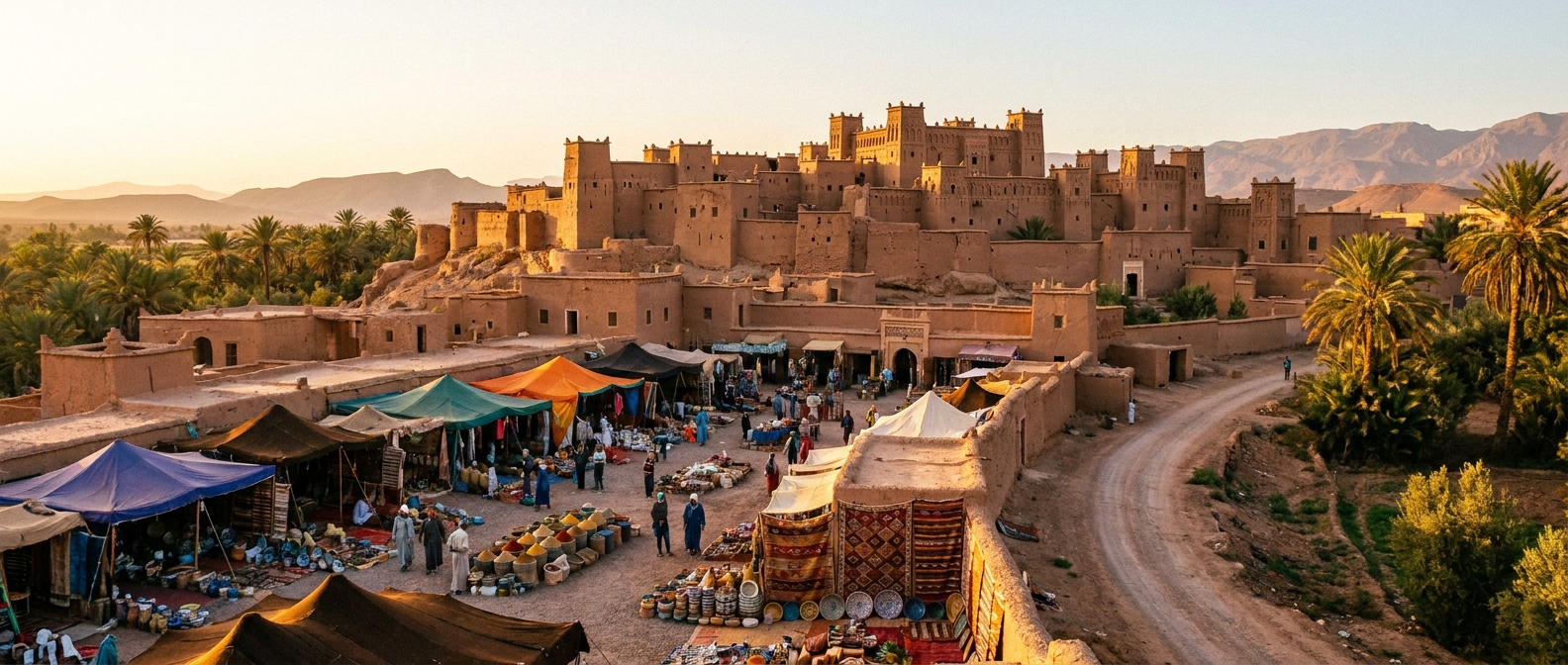
Here’s something that might surprise you: one of rock music’s greatest legends left an indelible mark on a small Moroccan coastal town — and nobody can quite agree on what actually happened there. Jimi Hendrix, the guitarist who rewrote the rules of electric music, spent time in Essaouira back in July 1969. What followed? A fascinating tangle of folklore, local legend, and genuine history that’s turned this windswept town into an unlikely pilgrimage site for music lovers worldwide.
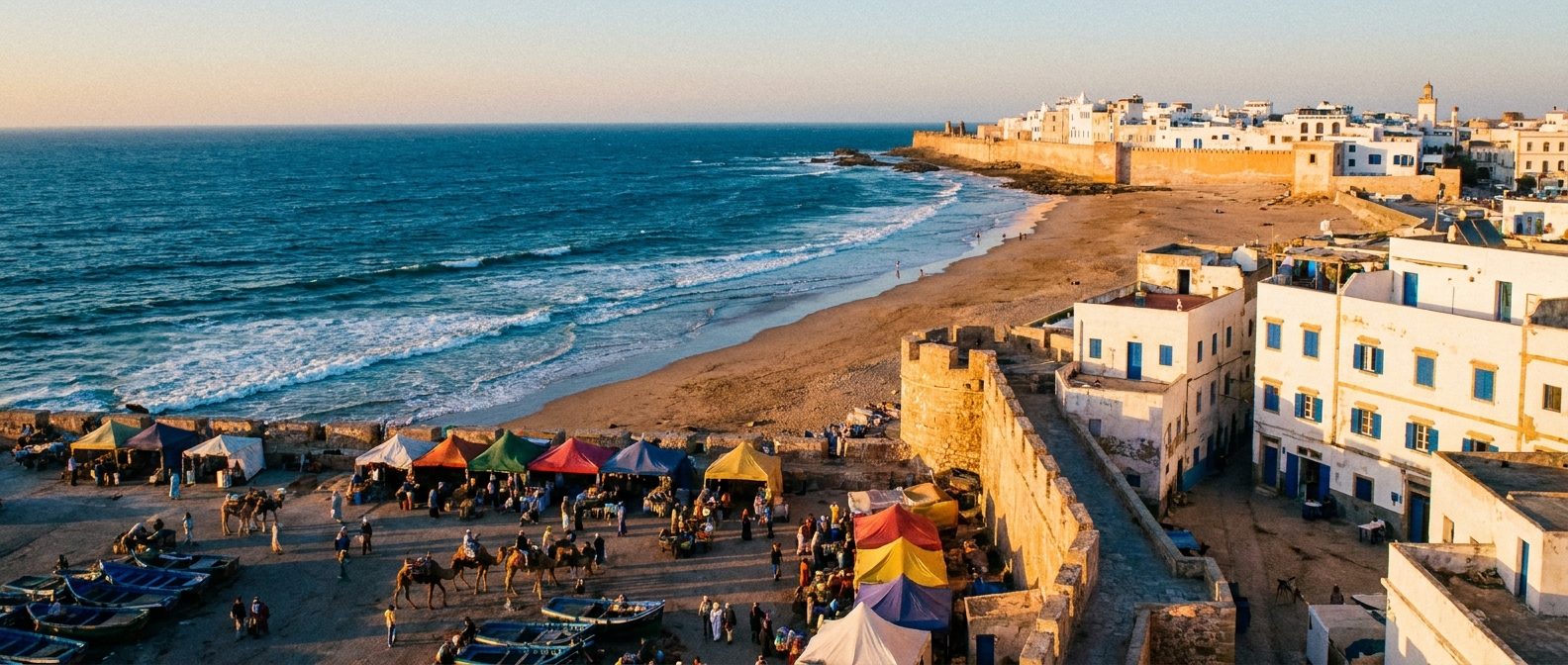
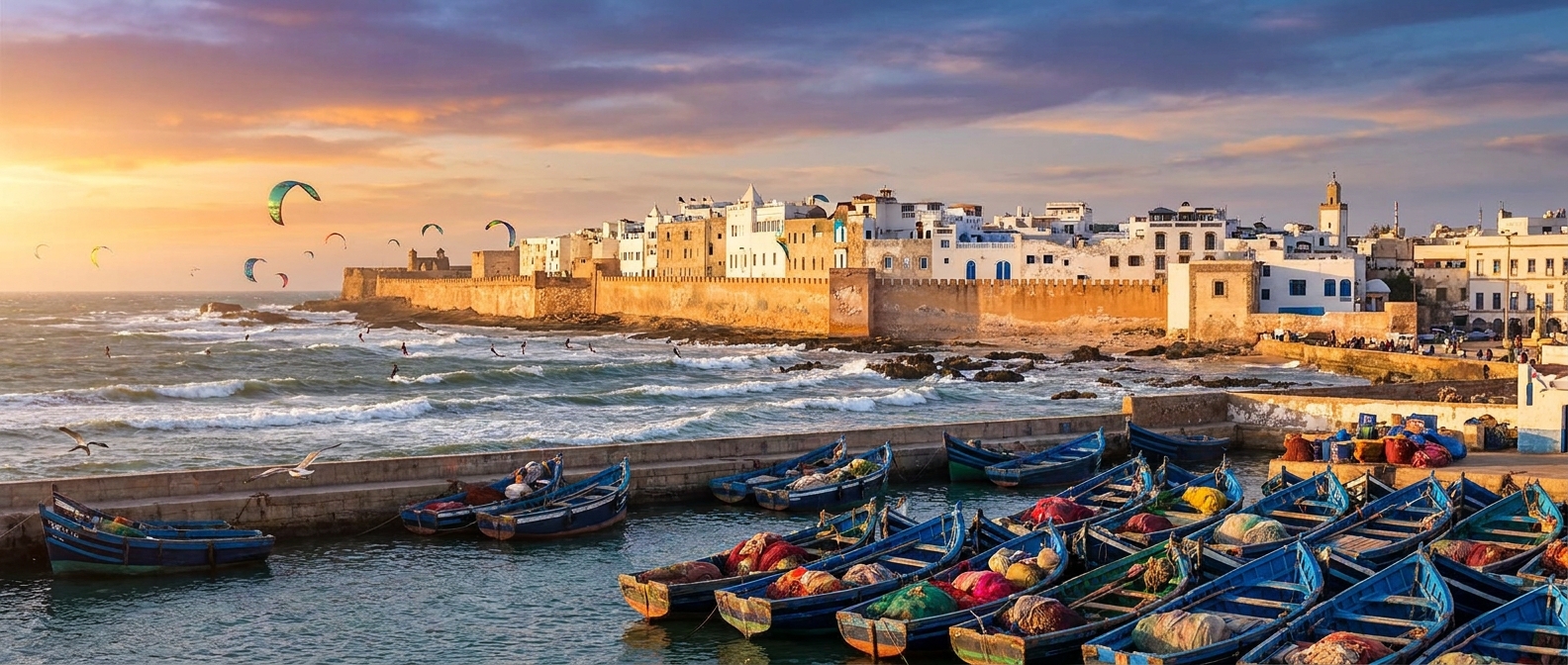
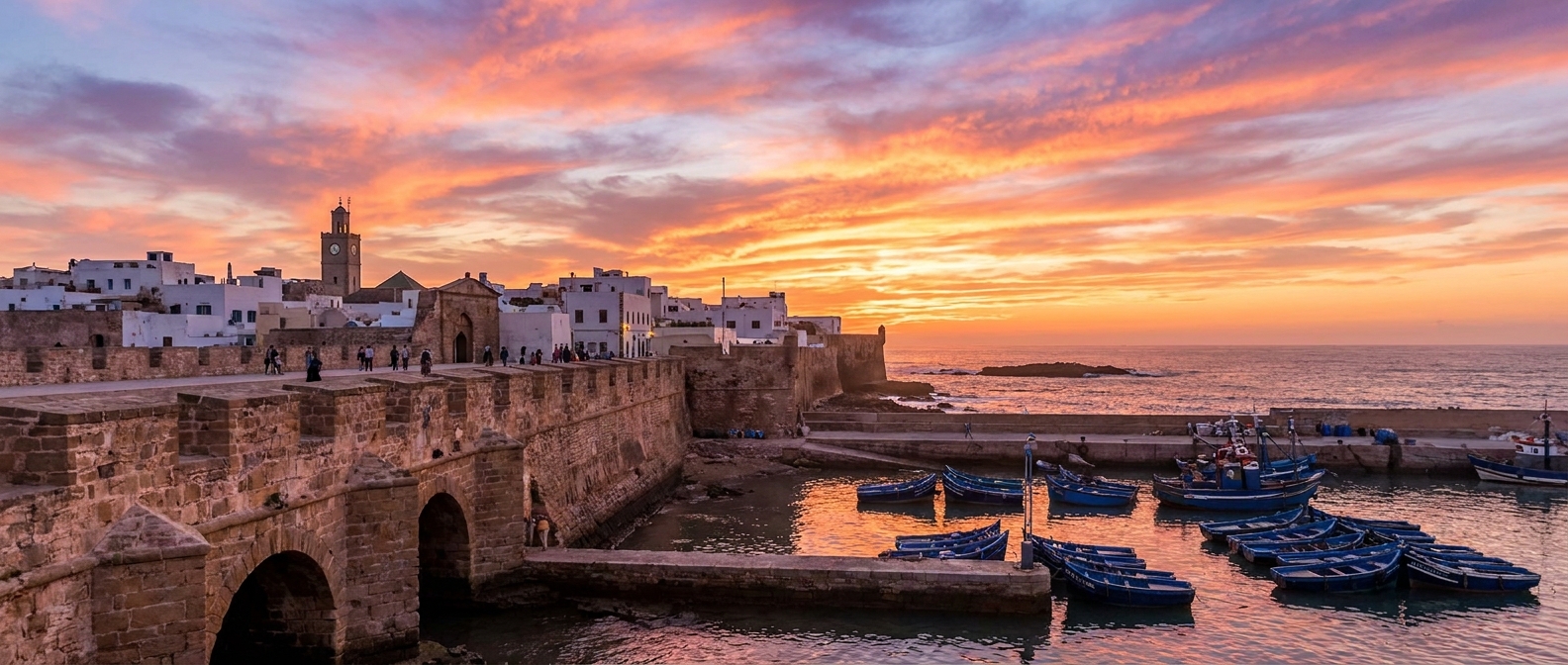
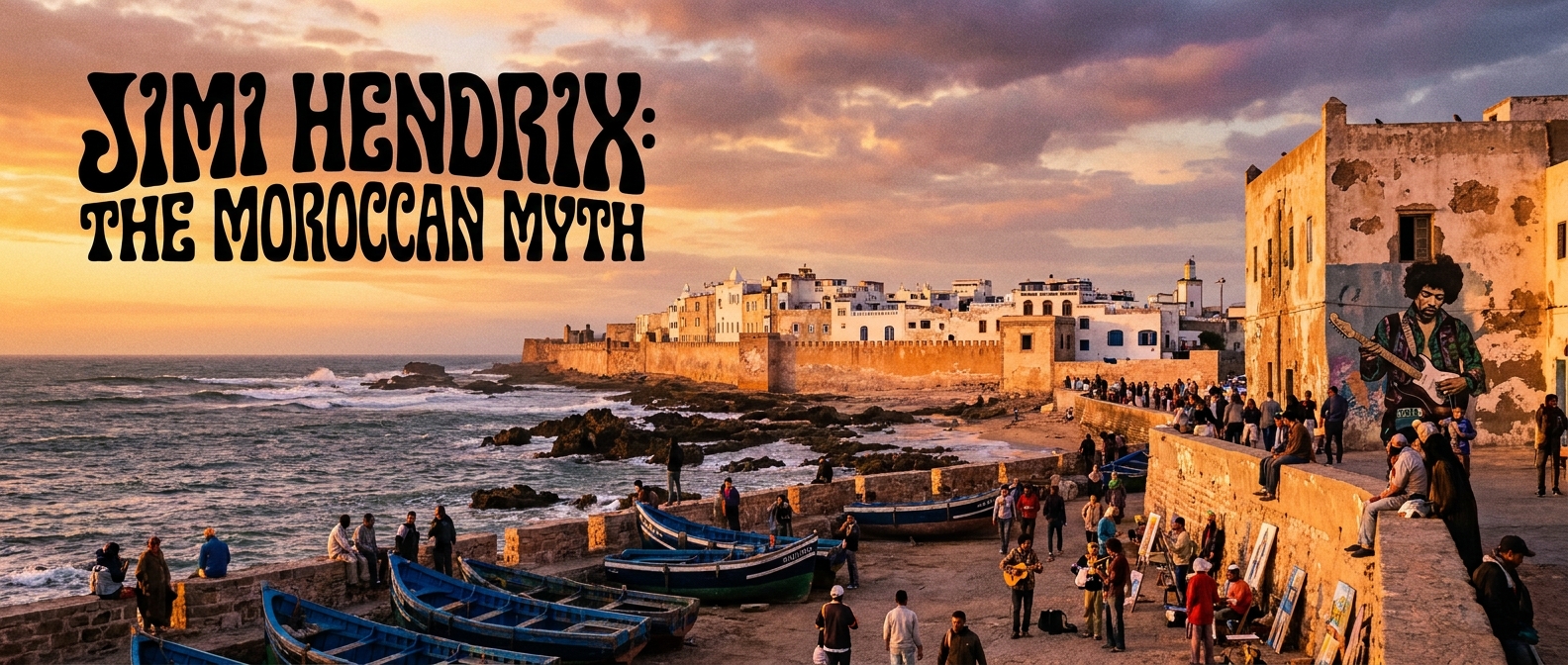
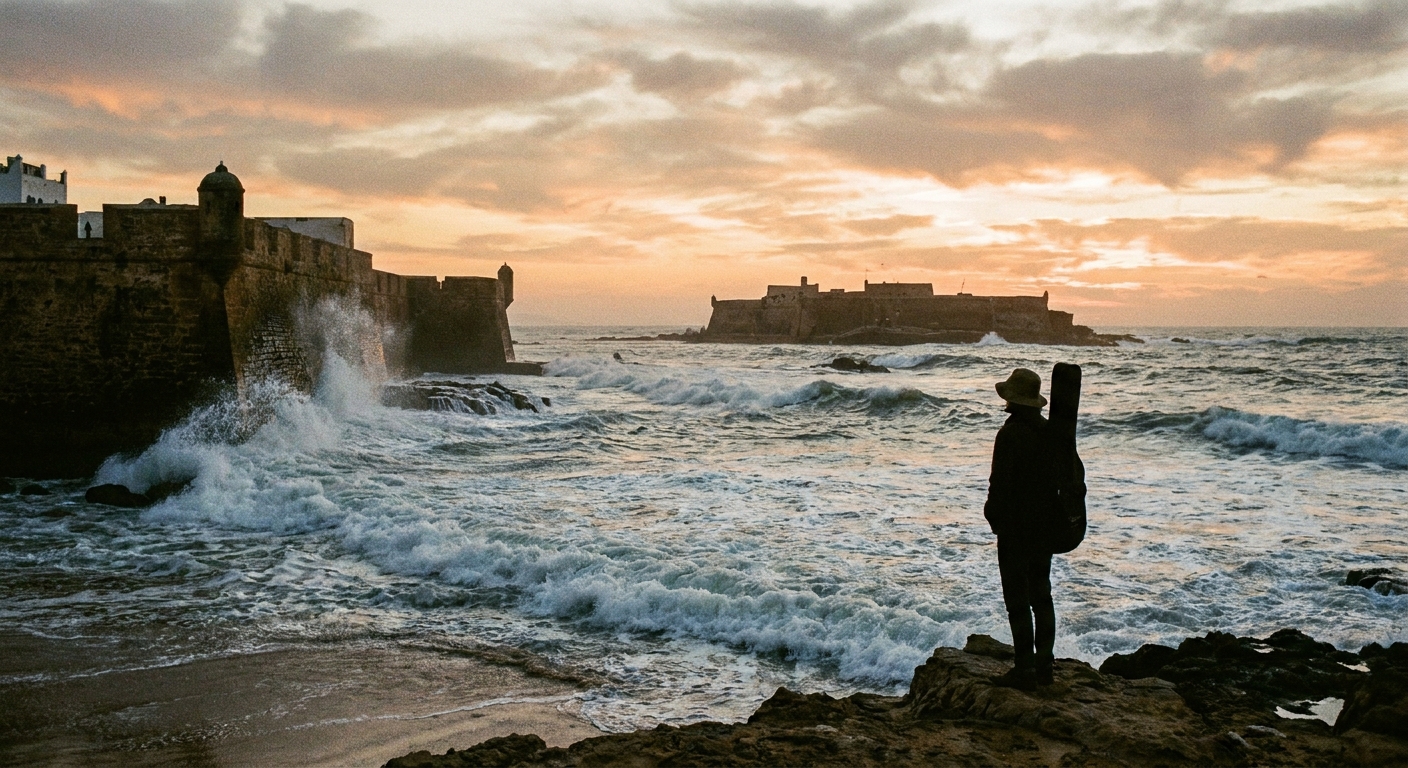
Essaouira itself is the kind of place that seems made for myths. Picture stunning Atlantic coastlines, ancient ramparts, and a medina buzzing with artisans and storytellers. It’s the perfect backdrop for tales that blur the line between what happened and what we wish had happened. And when it comes to Hendrix’s connection to this place, that blurring has become an art form all its own.
The Historical Footprint of Hendrix in Essaouira
Let’s start with what we actually know. In the summer of 1969 — just weeks before he’d electrify Woodstock — Hendrix found himself in Morocco for roughly ten days. The details get fuzzy from there. Historical records about his time in Essaouira are frustratingly sparse, and locals have filled those gaps with stories that range from plausible to pretty wild.
According to local accounts, Hendrix soaked up the culture, hung out with residents, and drew creative energy from the dramatic coastal scenery. Sounds reasonable enough, right? But here’s where things get complicated. Claims that he planned to settle in Morocco, or that Essaouira inspired “Castles Made of Sand”? Music historians have largely debunked these. The truth is buried under decades of embellishment — which makes separating fact from fiction a real challenge.
Essaouira’s Transformation into a Hendrix Haven
Whatever actually happened during those ten days, Essaouira has fully embraced its Hendrix connection. And honestly? They’ve done it brilliantly. The Jimi Hendrix Café draws visitors hungry for a taste of music history, while shops throughout the medina sell Hendrix memorabilia alongside traditional Moroccan crafts. It’s become part of the town’s DNA.
The village of Diabat, just south of Essaouira, has become particularly synonymous with the legend. Walk through its streets and you’ll hear locals share stories about the guitarist — tales whispered with the kind of conviction that makes you almost forget you’re hearing myths. There’s something magical about it, even if you’re skeptical.
Local Legends and Their Influence on Tourism
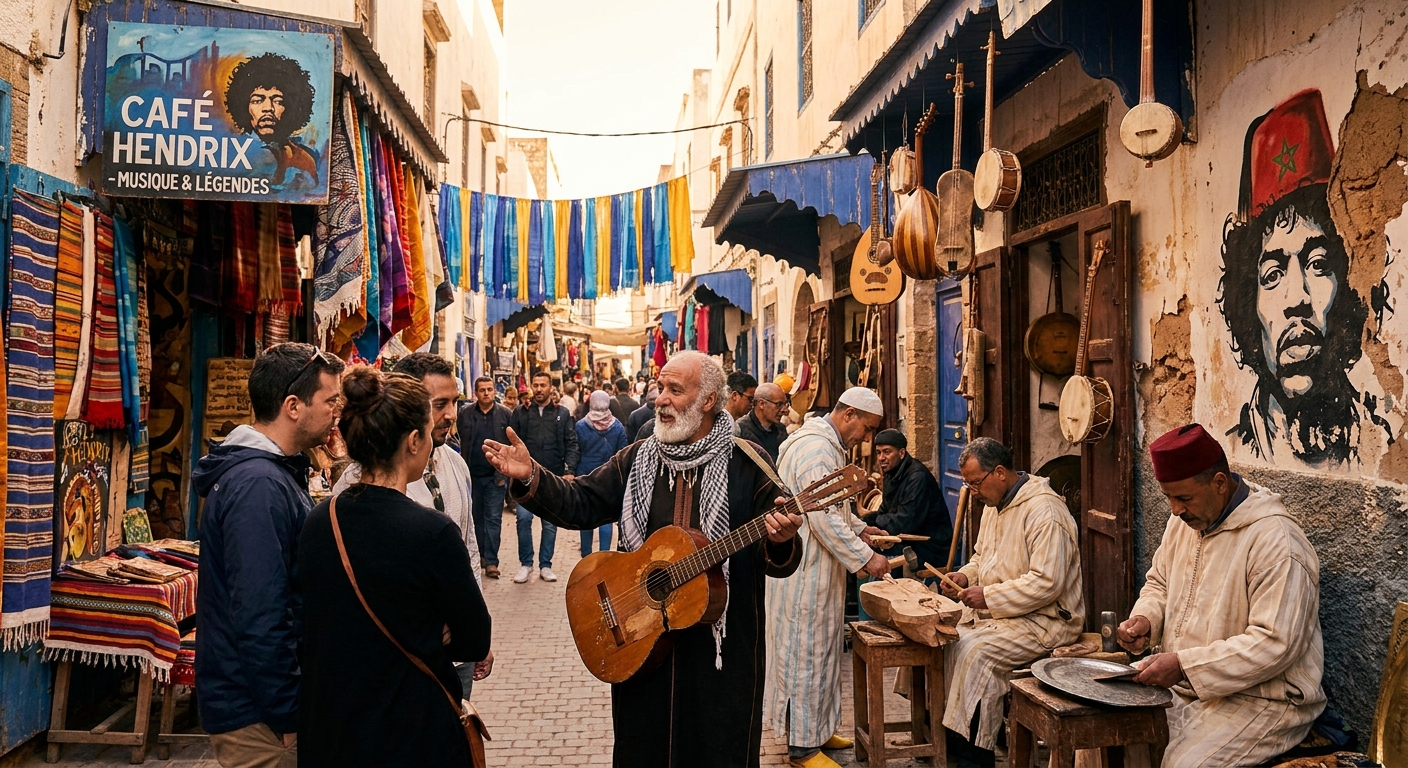
Tourism in Essaouira has exploded partly because of these Hendrix stories. The whole concept of a “Jimi Hendrix village” has taken on a life of its own, pulling in curious travelers who want to walk where (they believe) the legend walked. Shops, attractions, and cultural events all tap into this narrative, creating a unique selling point that sets Essaouira apart from other Moroccan destinations.
You can see this connection celebrated during the Gnaoua World Music Festival, which often weaves in themes related to Hendrix’s musical legacy. The festival showcases incredible local talent while nodding to the broader influence that drew Hendrix — and countless other artists — to Moroccan musical traditions. It’s become a dynamic cultural exchange that keeps visitors coming back year after year.
Challenges in Balancing Myth and Historical Accuracy
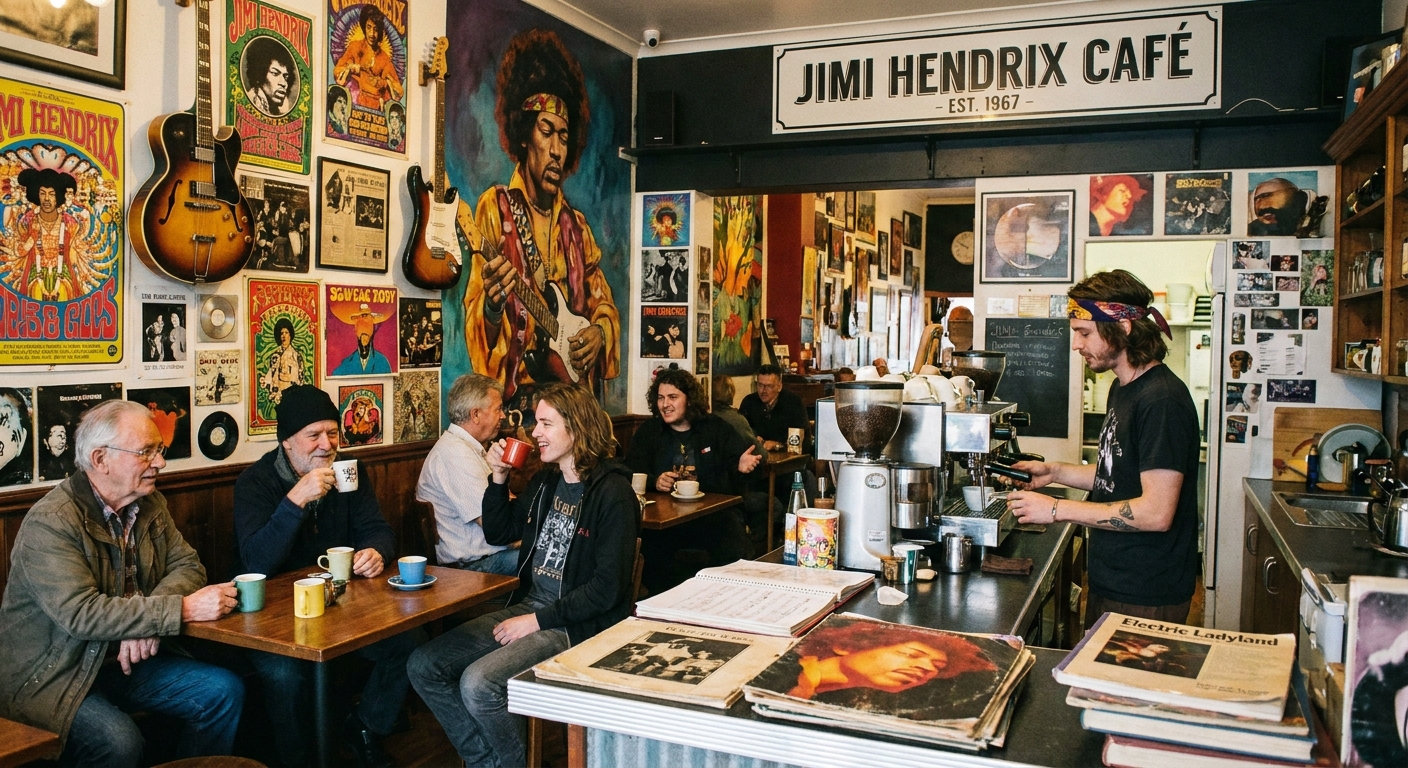
But here’s the thing — all this legend-building comes with complications. Some critics argue that businesses have stretched the Hendrix connection so thin it’s become almost meaningless. When every café and guesthouse claims some special link to the guitarist, authenticity gets lost in the marketing.
Local historian Caesar Glebbeek has pointed out that while Hendrix’s connection to Essaouira matters, many of the stories about his motivations and experiences simply don’t hold up to scrutiny. This raises uncomfortable questions about cultural memory and commercialization. Who benefits when myths overshadow facts? And does it matter if the stories bring people together around shared appreciation for an artist’s work?
Key Takeaways: Myth and Music Intertwined
Despite the murky historical record, Essaouira has crafted something genuinely special around its Hendrix connection. The town has woven folklore and documented history into an identity that feels authentic — even when the facts are questionable. These stories of inspiration, creativity, and artistic longing have become inseparable from the town’s character.
And maybe that’s the real lesson here. Essaouira shows us the power of collective storytelling. The myths we create around our heroes sometimes become more meaningful than the documented facts. People travel from across the globe to experience this magic, proving that captivating stories can carry their own kind of truth.
Frequently Asked Questions
What are the myths surrounding Jimi Hendrix in Essaouira?
The legends are plentiful — from claims that Hendrix planned to buy property and settle in Morocco to stories that specific songs were inspired by the landscape. While these tales make for great storytelling, most have little basis in documented history.
How has Essaouira capitalized on its connection to Hendrix?
The town has gotten creative, establishing landmarks like the Jimi Hendrix Café and branding areas as “Jimi Hendrix village.” These efforts have successfully attracted music enthusiasts and curious tourists looking for a connection to rock history.
What events in Essaouira celebrate Hendrix’s legacy?
The Gnaoua World Music Festival stands out as the main event, blending local musical traditions with nods to Hendrix’s broader influence. It draws visitors who appreciate both his contributions and the musical heritage that may have drawn him to Morocco in the first place.
How does local folklore affect the portrayal of Hendrix’s time in Morocco?
Folklore has become inseparable from Essaouira’s cultural identity. The stories locals tell create a rich narrative tapestry that, while not always historically accurate, has made Hendrix’s brief visit feel like something much more significant to the town’s heritage.