Dive into Authentic Moroccan Life at This Weekly Gathering
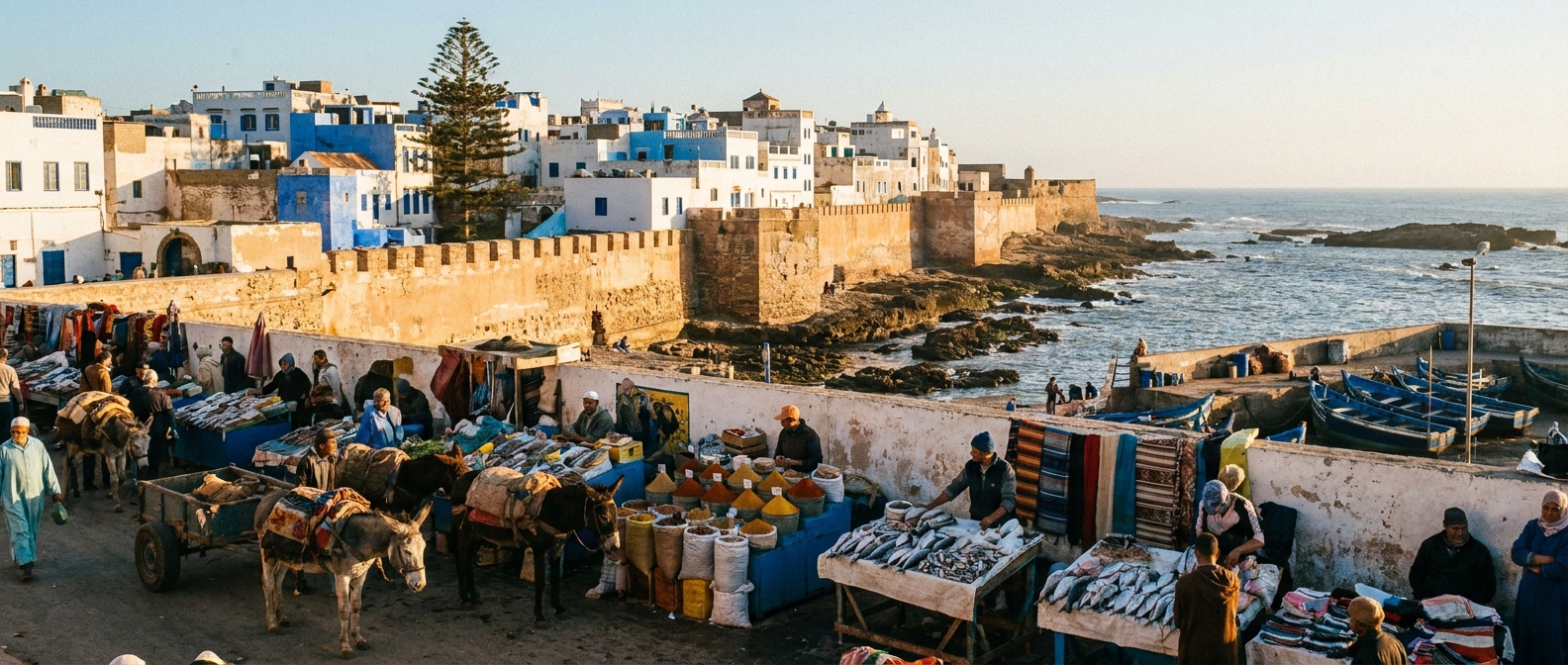
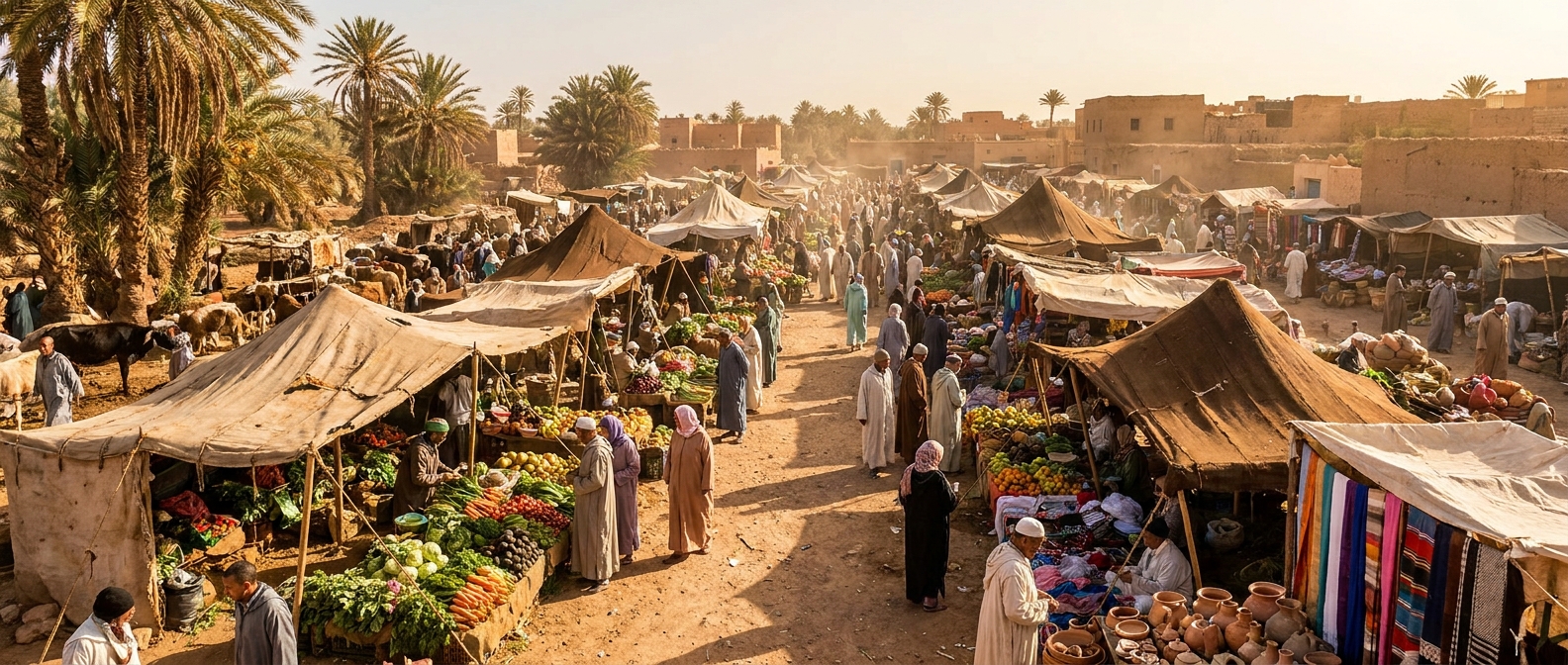
Picture this: dusty roads lined with donkey carts, the smell of grilled meat wafting through the air, and the animated chatter of farmers haggling over prices. That’s Had Draa Market on any given Sunday, and honestly? It’s the kind of place that makes you forget you’re a tourist at all.
Tucked away about 30 kilometers from Essaouira, this sprawling rural market ranks among Morocco’s largest — and most authentic. Every week, farmers, artisans, and livestock traders descend on this dusty gathering spot to sell everything from fresh produce to handcrafted goods. If you’re the type of traveler who’d rather skip the souvenir shops and dive headfirst into local culture, this is your kind of place. The colors are vivid, the aromas are intoxicating, and the energy? It’s contagious in the best way possible.
Historical Significance of Had Draa Market
Here’s the thing about Had Draa — it’s not some recently invented “authentic experience” cooked up for Instagram. This market has deep roots stretching back centuries, originally serving as a vital trading post where farmers and craftspeople could barter directly with one another. That tradition of face-to-face commerce? It built the backbone of the local economy.
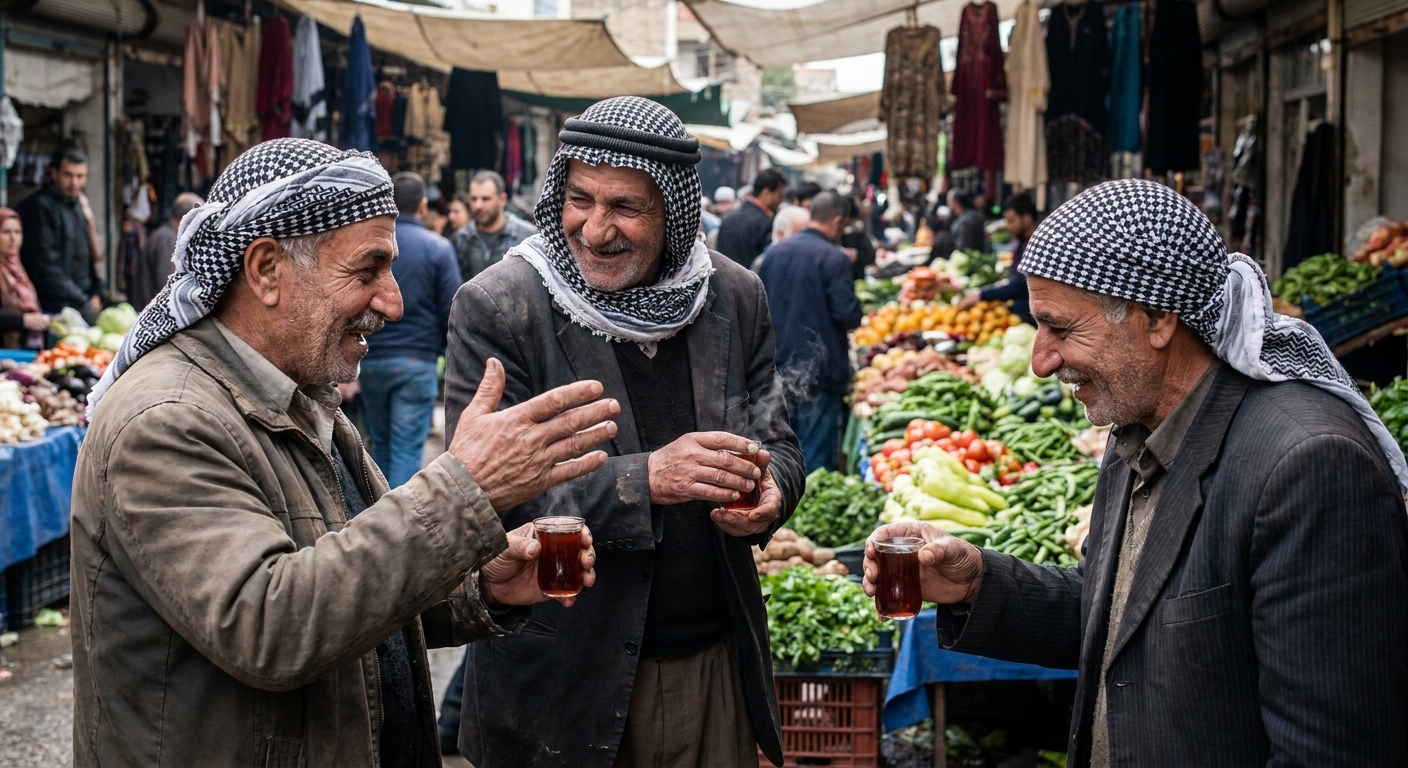
But it’s never just been about buying and selling. Think of it more like a weekly community reunion. Local men gather over steaming glasses of mint tea, families catch up on the latest news, and relationships are forged over plates of grilled meat and fresh vegetables. In a world that’s modernizing at breakneck speed, markets like Had Draa are quietly preserving traditions that might otherwise slip away. And that makes them precious — really precious.
The Current State of Had Draa Market
Every Sunday morning, Had Draa transforms from a quiet rural area into an explosion of activity. Farmers roll in from surrounding villages (many still using donkey carts, by the way), their loads packed with seasonal fruits, vegetables, aromatic spices, and yes — live animals too. It’s raw, it’s real, and it’s about as far from a tourist trap as you can get.
For locals, Sunday at the market is simply part of life. They come to stock up on the week’s groceries, sure, but also to socialize, gossip, and maintain connections that matter. In recent years, though, the food scene has become a bigger draw. Visitors now flock here specifically to taste grilled meats, sample seasonal produce straight from the farm, and sip traditional Moroccan teas. It’s turned the market into something of a culinary destination — without losing its soul in the process.
Key Statistics of the Market
Want the practical details? Here’s what you need to know before you go:
- Location: Had Draa, roughly 30 km from Essaouira.
- Market Day: Sundays only.
- Peak Hours: 9 am to 12 pm (get there early!).
- Entry Cost: Absolutely free — just bring cash for purchases.
- Getting There: A Grand Taxi runs about 10 Dirhams (around $1) from Essaouira.
Nobody’s counting heads at the entrance, but estimates suggest thousands of locals show up weekly. And here’s what keeps it special: there’s virtually no tourist infrastructure. No guided signs, no sanitized experiences. Just the market as it’s always been.
Experiences from Visitors and Expert Insights
Talk to people who’ve been there, and you’ll hear the same advice over and over: arrive early. The animal trading happens in the morning hours, and watching farmers negotiate over sheep and goats is genuinely fascinating (if a bit chaotic). Miss that window, and you’ve missed half the show.
Local guides — the ones who really know Moroccan culture — will tell you that haggling isn’t just accepted here. It’s expected. Don’t be shy about it. Jumping into the back-and-forth negotiation is actually how you connect with vendors and participate in something that’s been happening for generations.
Oh, and the food recommendations? Grilled dromedary meat is the star attraction. Served fresh with crusty local bread, olives, and a generous drizzle of Argan oil, it’s the kind of meal you’ll remember long after you’ve left Morocco. A good local guide can help you navigate the food stalls and discover dishes you’d never find on your own.
Culinary Tourism Trends at Had Draa Market
Let’s be honest — the way we travel has changed. People aren’t satisfied with just seeing a place anymore. They want to taste it, smell it, really experience it. And markets like Had Draa are perfectly positioned for this shift toward culinary tourism.
Organized food tours featuring locally sourced ingredients are popping up more frequently now, giving both serious foodies and curious wanderers a chance to explore Moroccan gastronomy at its most authentic. Social media has helped too — travelers sharing their Had Draa experiences have put this market on the radar of people who might never have heard of it otherwise. It’s sparking interest in sustainable, off-the-beaten-path travel, and encouraging visitors to seek out genuine interactions with local communities instead of sticking to well-worn tourist circuits.
Challenges Facing Had Draa Market
That said, growing popularity comes with growing pains. Some locals worry that increased tourist attention could eventually water down the market’s character — that it might become polished and packaged to meet visitor expectations, losing the rough-around-the-edges authenticity that makes it special in the first place.
There’s also the matter of livestock trading, which can be uncomfortable for some visitors. Animal welfare conversations are happening, and travelers should approach these practices with cultural sensitivity. It’s possible to observe respectfully while acknowledging that different communities have different relationships with animals and agriculture. Understanding that nuance is part of being a thoughtful traveler.
Summary of Key Findings
So what’s the bottom line on Had Draa Market? Here’s what stands out:
- Cultural Significance: This isn’t just a market — it’s the social and economic heartbeat of the surrounding communities, keeping traditional Moroccan culture alive and well.
- Local Cuisine: From grilled dromedary to farm-fresh produce drizzled with Argan oil, the food here offers an unforgettable taste of authentic Morocco.
- Accessibility: Getting there is surprisingly easy and cheap — just hop a Grand Taxi from Essaouira for about a dollar.
- Community and Tradition: The atmosphere remains genuinely local, with haggling, tea-drinking, and socializing at its core.
- Culinary Focus: The rise of food tourism is bringing new opportunities, though balancing growth with authenticity will be crucial going forward.
Frequently Asked Questions
What is the best time to visit Had Draa Market?
Sunday morning, no question. Aim to arrive between 9 am and noon — that’s when the market is humming with energy and when you’ll catch the animal trading in full swing.
Is there an entrance fee for Had Draa Market?
Nope, it’s completely free to wander in. Just make sure you’ve got cash on hand since that’s how everything works here.
How can I get to Had Draa Market from Essaouira?
Grand Taxis are your best bet. They typically charge around 10 Dirhams per person (roughly $1), making it one of the most affordable excursions you’ll find.
What types of food can I expect at Had Draa Market?
You’re in for a treat — think grilled meats (including dromedary), fresh vegetables straight from local farms, and plenty of traditional Moroccan tea. It’s a feast for adventurous eaters.