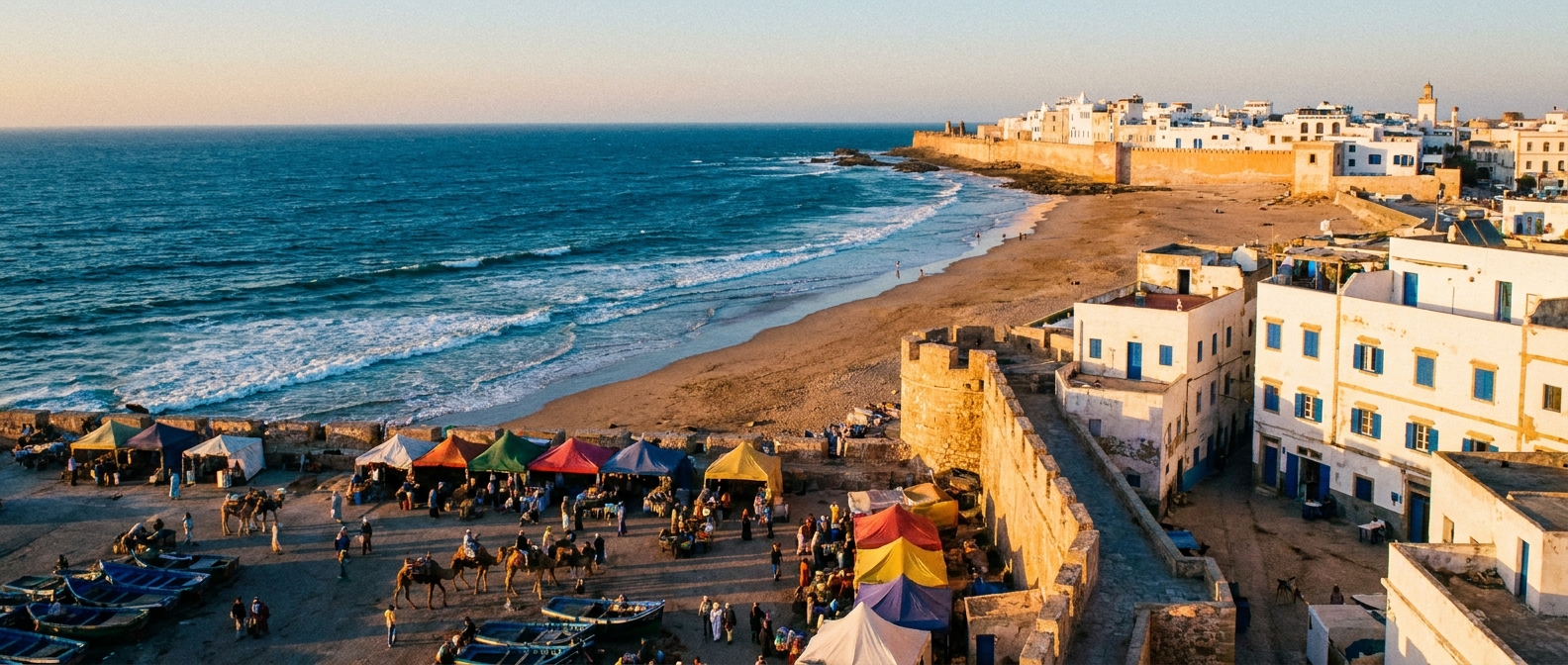
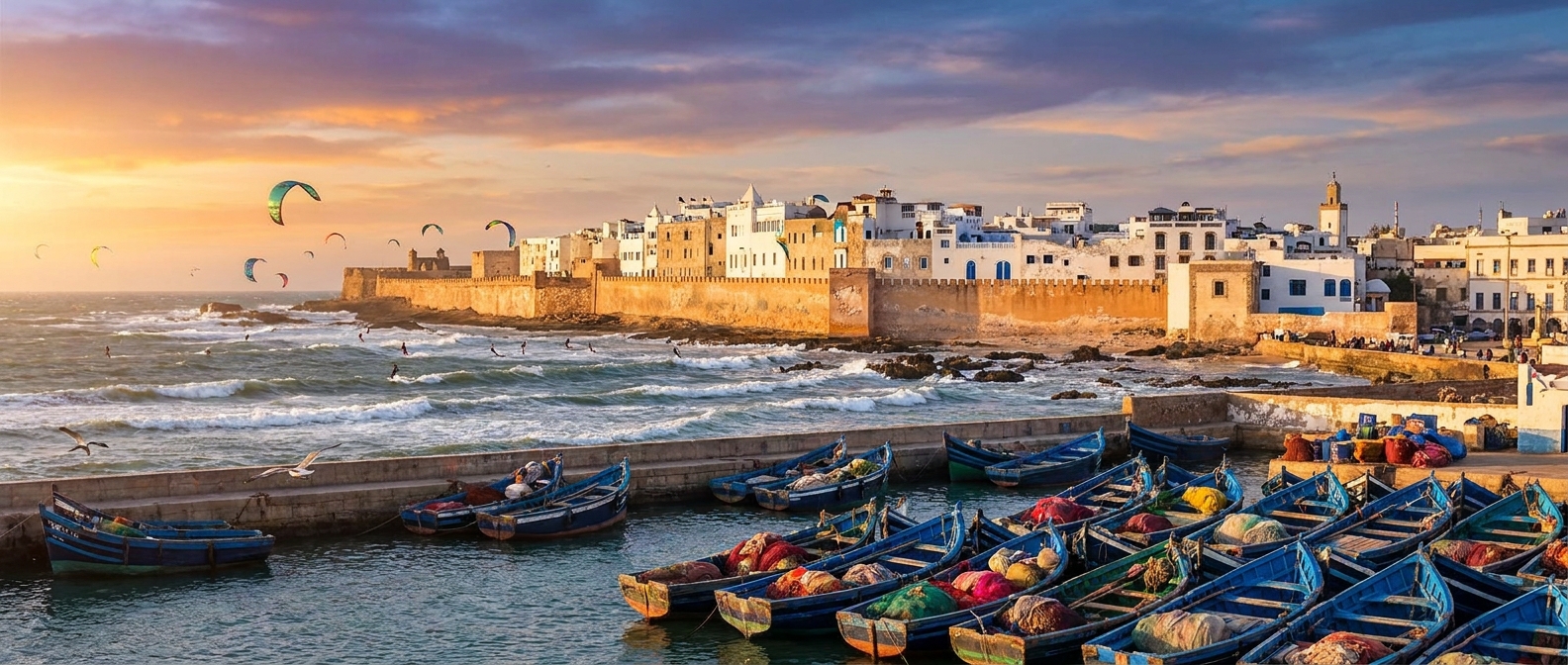
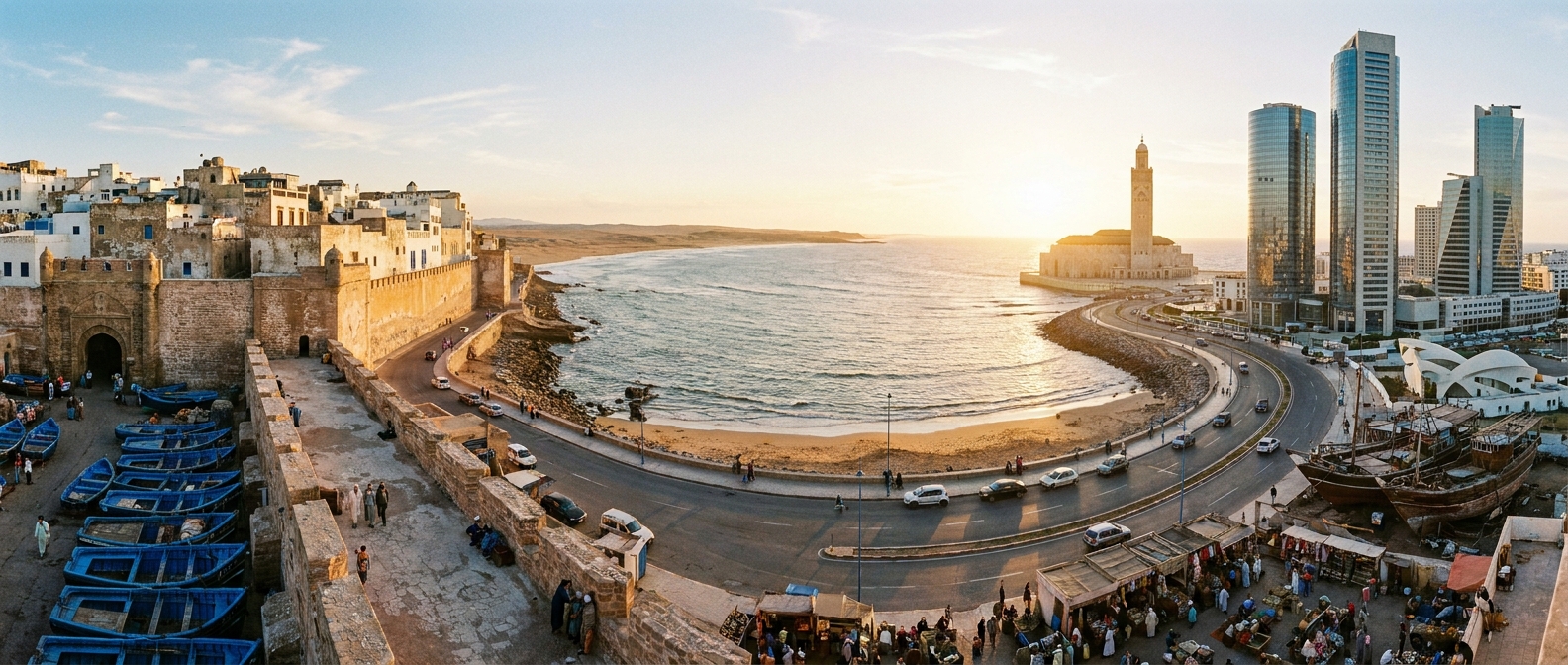
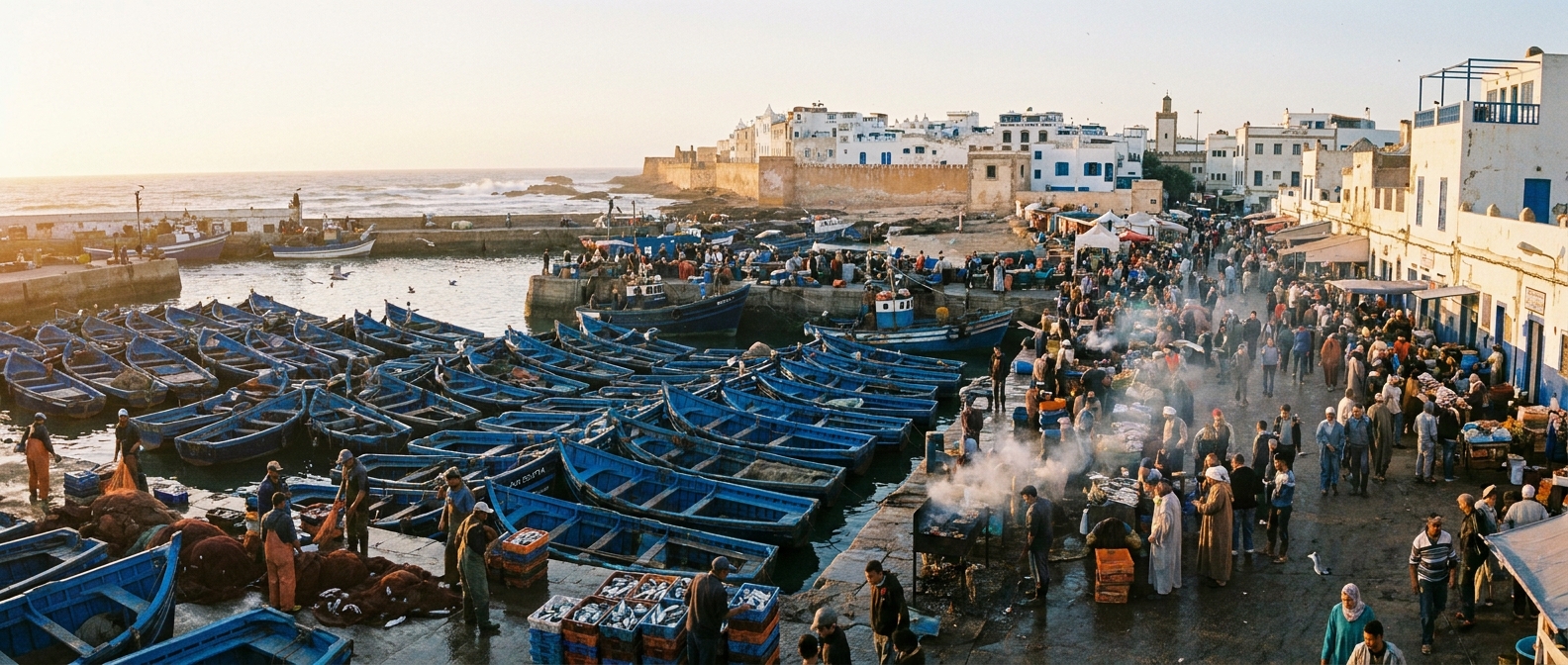
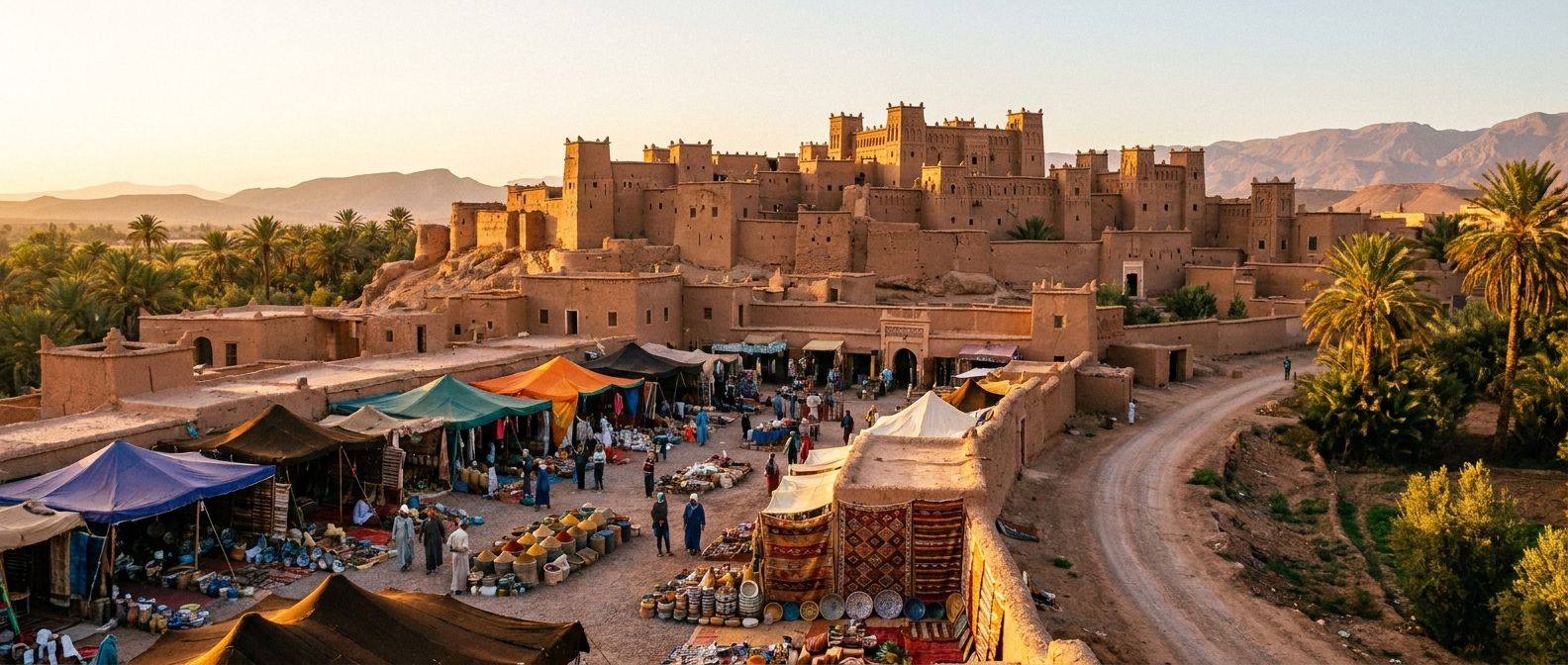
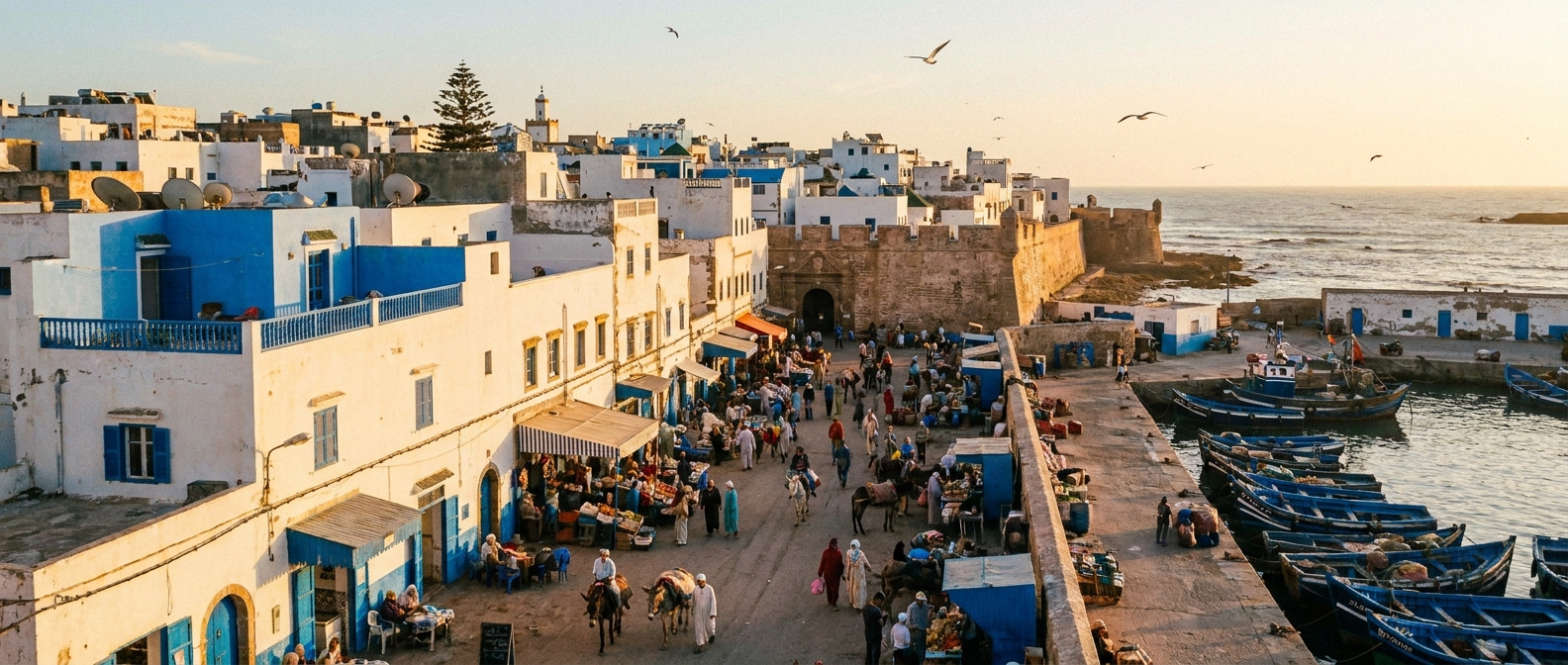
There’s something magical about Essaouira that goes beyond its windswept beaches and blue-and-white medina walls. It’s the warmth of the people — and trust me, nothing unlocks that warmth faster than speaking a few words of their language.
Here’s the thing: the dialect spoken here isn’t the Arabic you might’ve heard in movies or language apps. Moroccans speak Darija, a colorful blend of influences that sounds completely different from Modern Standard Arabic. And while you definitely don’t need to be fluent, picking up a handful of key phrases? That can transform your entire trip.
This guide will give you the essential Moroccan Arabic phrases you’ll actually use — in the medina, at cafes, while haggling for that perfect leather bag. Let’s dive in.
Historical Roots of Moroccan Arabic
Arabic arrived in North Africa during the Islamic expansion back in the 7th century, but it didn’t stay “pure” for long. Over centuries, it mingled with Berber languages, absorbed French and Spanish from colonial periods, and even picked up traces of Italian and Portuguese from Mediterranean trade routes.
The result? Darija — a linguistic melting pot that can sound almost unrecognizable to speakers of standard Arabic. Essaouira, with its history as a bustling port town connecting Africa, Europe, and beyond, is basically a living museum of this linguistic evolution.
You’ll notice French everywhere here too, a legacy of Morocco’s colonial past. But when you greet someone with *”Salam”* instead of *”Bonjour”*? Their face lights up. Locals genuinely appreciate the effort — it shows you’re not just passing through, but actually trying to connect.
The Benefits of Learning Key Phrases
Essaouira’s tourism scene has been growing steadily, and with good reason. The gnaoua music festivals, the art galleries tucked into ancient walls, the seafood so fresh it was swimming that morning — it all draws people in. But here’s what separates a good trip from an unforgettable one: communication.
Local shop owners, restaurant servers, and market vendors deal with tourists daily. When you take even thirty seconds to learn their language, you stand out. You become a person, not just another customer.
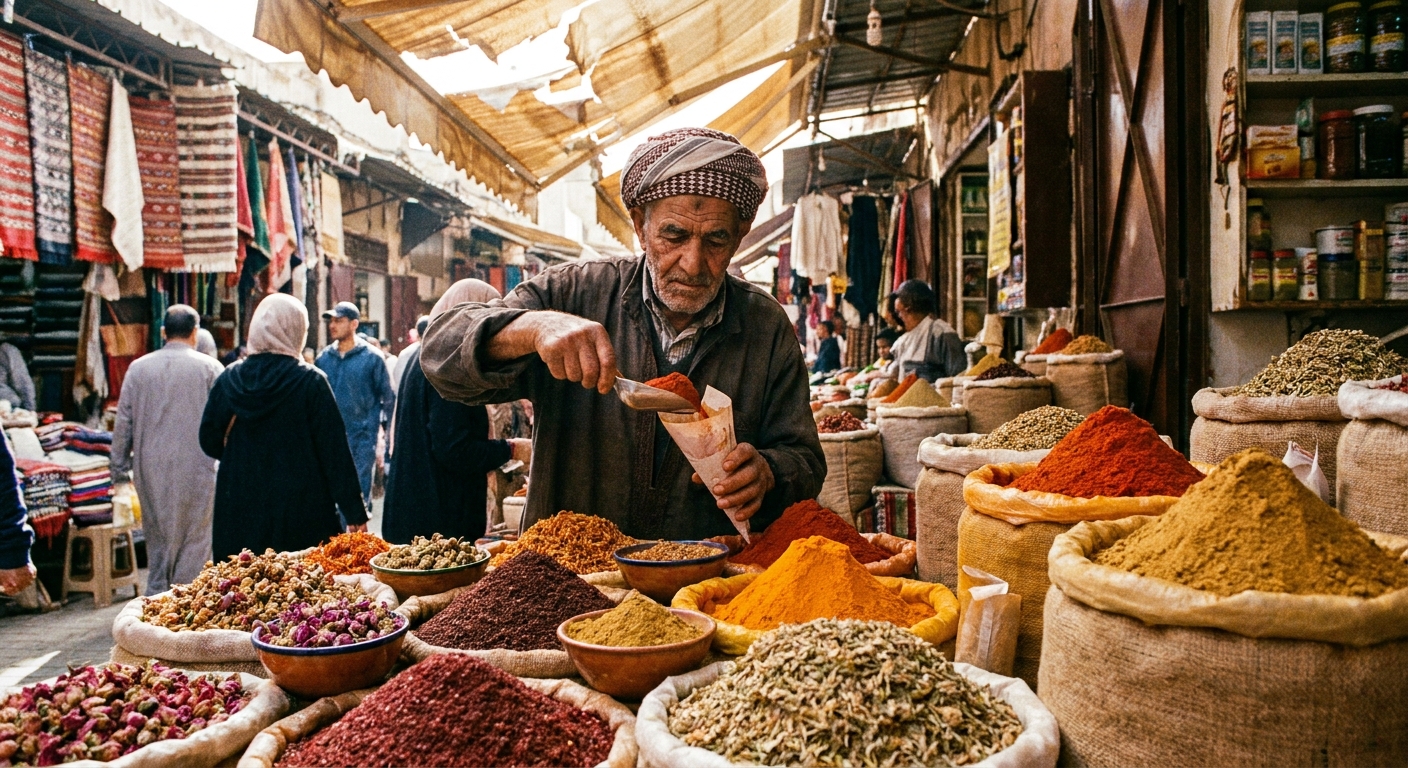
And let’s talk about bargaining for a second. In Moroccan markets, prices aren’t fixed — they’re conversations. Knowing phrases like *”Bshhal?”* (How much?) and *”Ghali bezaf!”* (That’s too expensive!) isn’t just practical. It’s actually expected. Vendors respect buyers who engage in the dance of negotiation, and a little Darija goes a long way in getting fair prices.
What the Numbers Tell Us
Tourism accounts for roughly 7% of Morocco’s GDP, according to the Moroccan National Tourist Office. And in 2022, the World Travel and Tourism Council reported a 27% jump in tourist arrivals to the country. That’s a lot of people discovering what makes Morocco special.
But here’s the interesting part: research consistently shows that travelers who attempt the local language report significantly higher satisfaction with their trips. It makes sense when you think about it. You’re not just seeing a place — you’re participating in it.
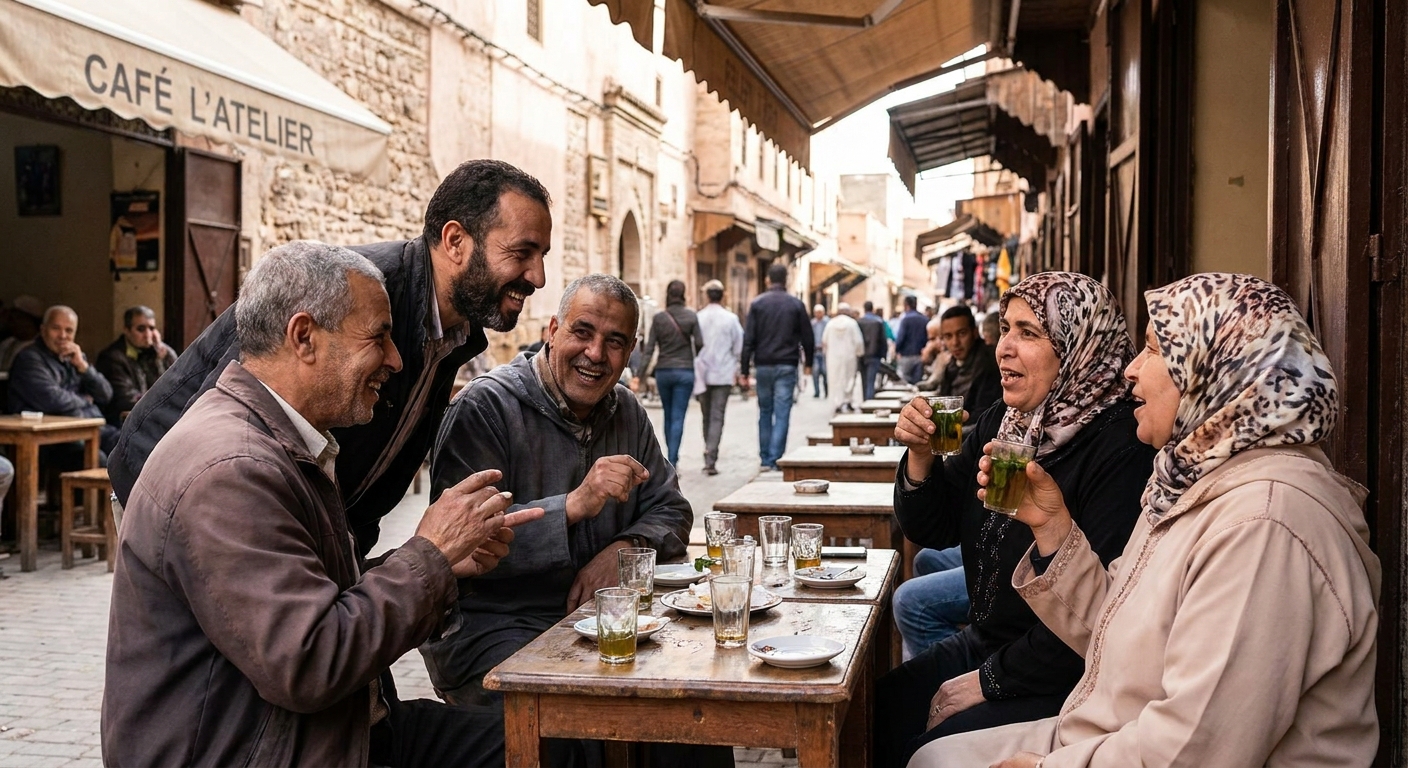
Nicky from WanderTours put it simply: “Knowing how to say ‘hello’ and ‘thank you’ in Darija can foster a friendlier atmosphere.” And she’s right. I’ve seen it happen countless times — a stumbled *”Shukran”* met with a genuine smile and suddenly, the person across from you wants to help you find that hidden riad or the best spot for mint tea.
Emerging Trends in Cultural Engagement
Travelers today want more than photos for Instagram. They want stories. They want moments that feel real — and that desire is changing how tourism works in places like Essaouira.
More tour packages now include language lessons. Local businesses have started providing phrase cards and recommending apps for learning basic Darija. Some riads even offer informal conversation sessions with staff. The message is clear: authentic connection is the new luxury.
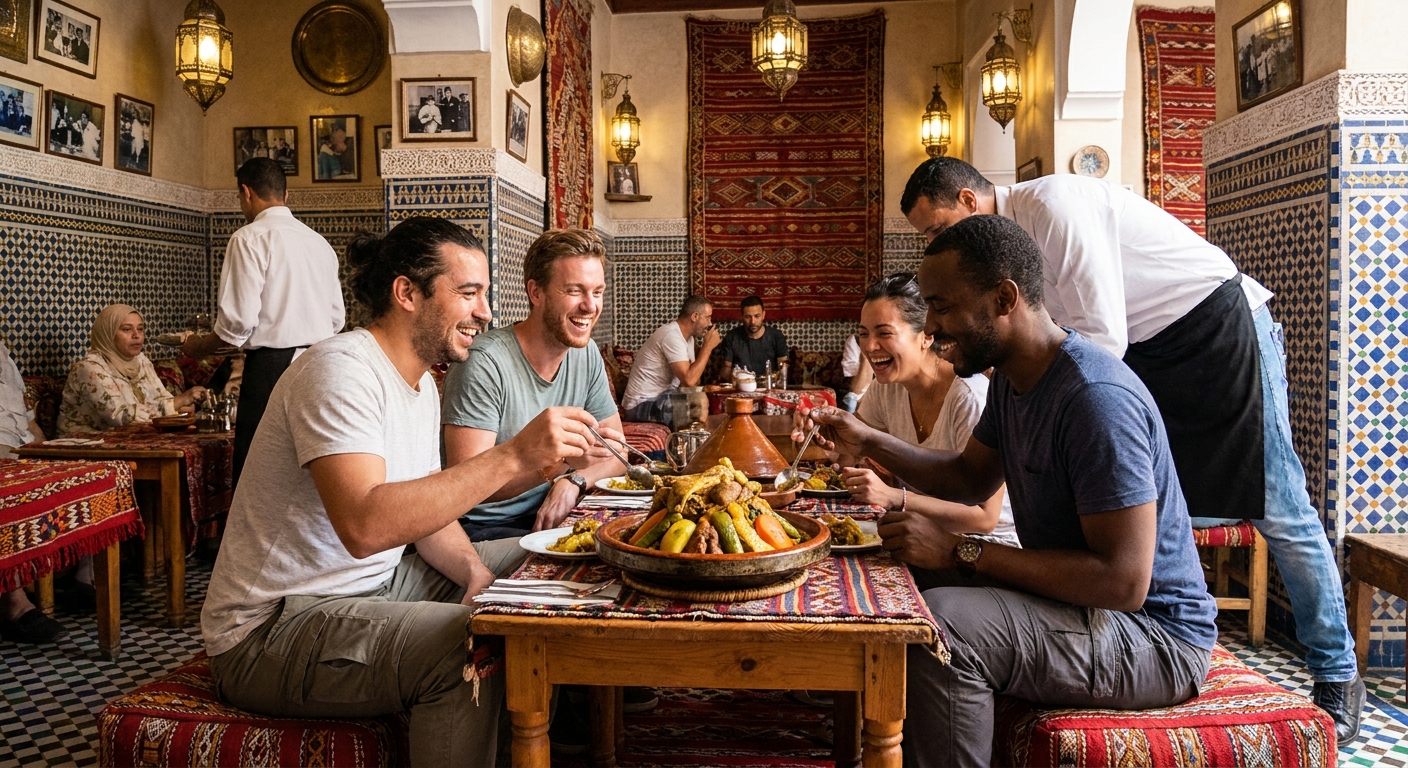
Whether you’re wandering through the spice-scented souks or sitting down to a tagine in a family-run restaurant, being able to communicate — even imperfectly — changes everything. You’re no longer an observer. You’re a participant.
Challenges in Mastering Moroccan Arabic
I won’t sugarcoat it: Darija can be tricky. The pronunciation differs from region to region, and what sounds perfect in Casablanca might get a confused look in Essaouira. Even *”Shukran”* (thank you), which is pretty universal, has subtle regional variations that might throw you off.
Then there are the cultural nuances. Moroccans often communicate indirectly, with context and tone carrying as much meaning as the words themselves. It takes time to pick up on these subtleties.
But here’s what I’ve learned: perfection isn’t the goal. Effort is. Approach each interaction with patience and a smile. Laugh at your mistakes — locals will laugh with you, not at you. That openness creates space for real connection, even when the words come out wrong.
Key Takeaways for Travelers
So what should you actually remember? Start with the basics: *”Salam”* (hello), *”Shukran”* (thank you), *”Labas?”* (how are you?), and *”Bshhal?”* (how much?). These four phrases alone will cover most casual interactions.
Practice them before you go. Say them out loud — yes, even if you feel silly. Your future self, standing in a spice-filled souk with a vendor breaking into a grin because you tried, will thank you.
The growing interest in cultural immersion isn’t just a trend. It reflects something deeper — a recognition that the best travel experiences come from genuine human connection. And language, even imperfect language, is the bridge that makes that possible.
Frequently Asked Questions
What are some essential phrases to learn before visiting Essaouira?
Focus on *”Salam”* (Hello), *”Shukran”* (Thank you), *”Labas?”* (How are you?), and *”Bshhal?”* (How much?). These will get you through most daily interactions and show locals you’ve made an effort.
How can knowing Arabic enhance my experience in Essaouira?
It opens doors — sometimes literally. Speaking even basic Darija creates warmer interactions, helps you navigate markets with confidence, and often leads to recommendations and experiences you wouldn’t get otherwise.
Are there resources available for learning Moroccan Arabic?
Absolutely. Many local businesses offer printed phrase cards, and there are several mobile apps designed specifically for Darija. Some riads and tour companies also include informal language lessons as part of their offerings.
Do I need to be fluent in Arabic to communicate in Essaouira?
Not even close. A handful of basic phrases is plenty. Locals appreciate any effort, and you’ll be surprised how much you can communicate with a few words, some gestures, and a friendly attitude.