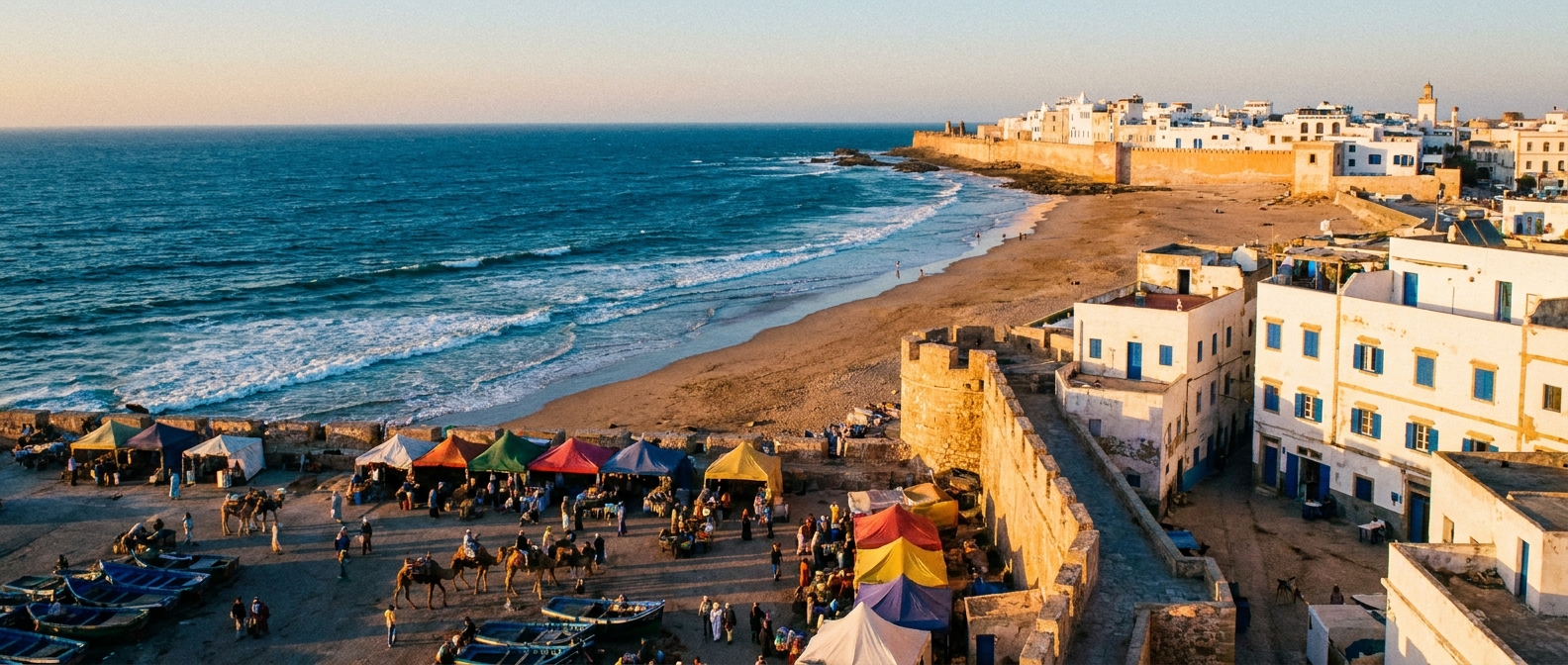
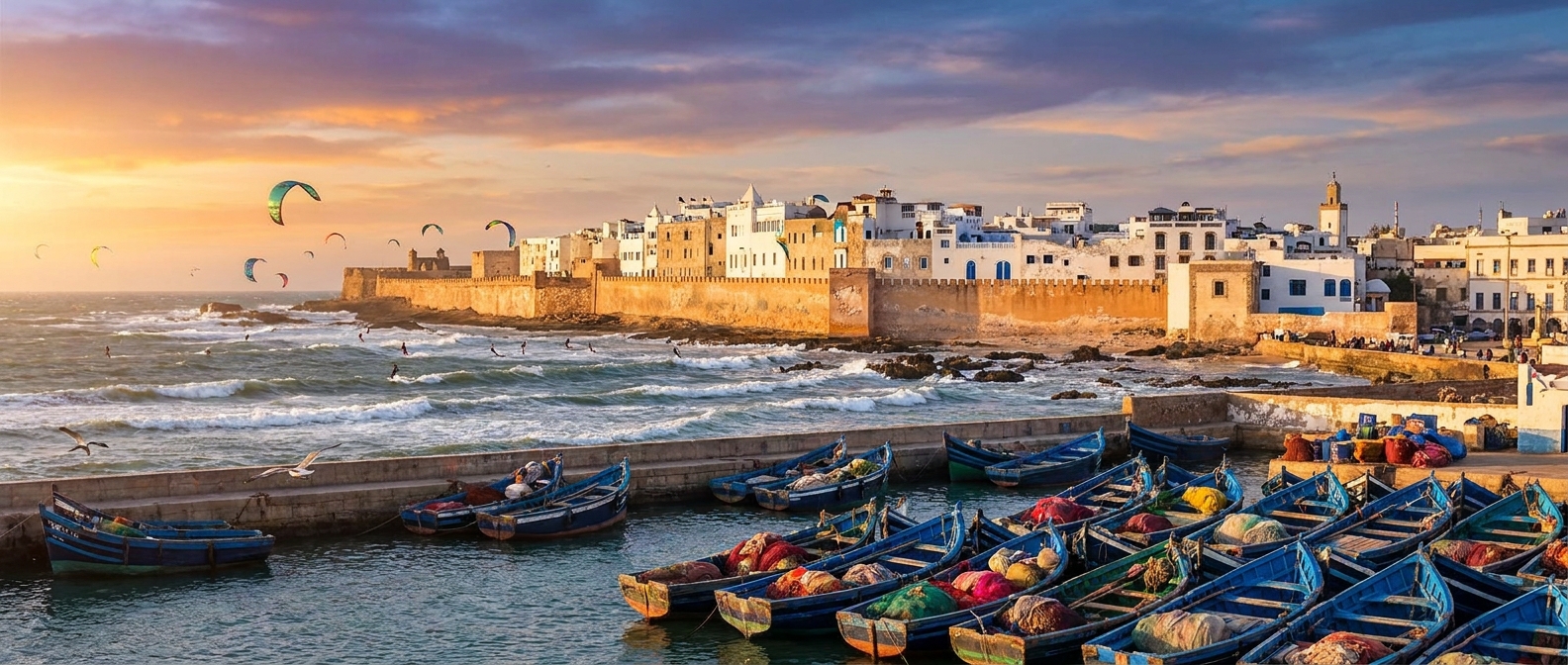
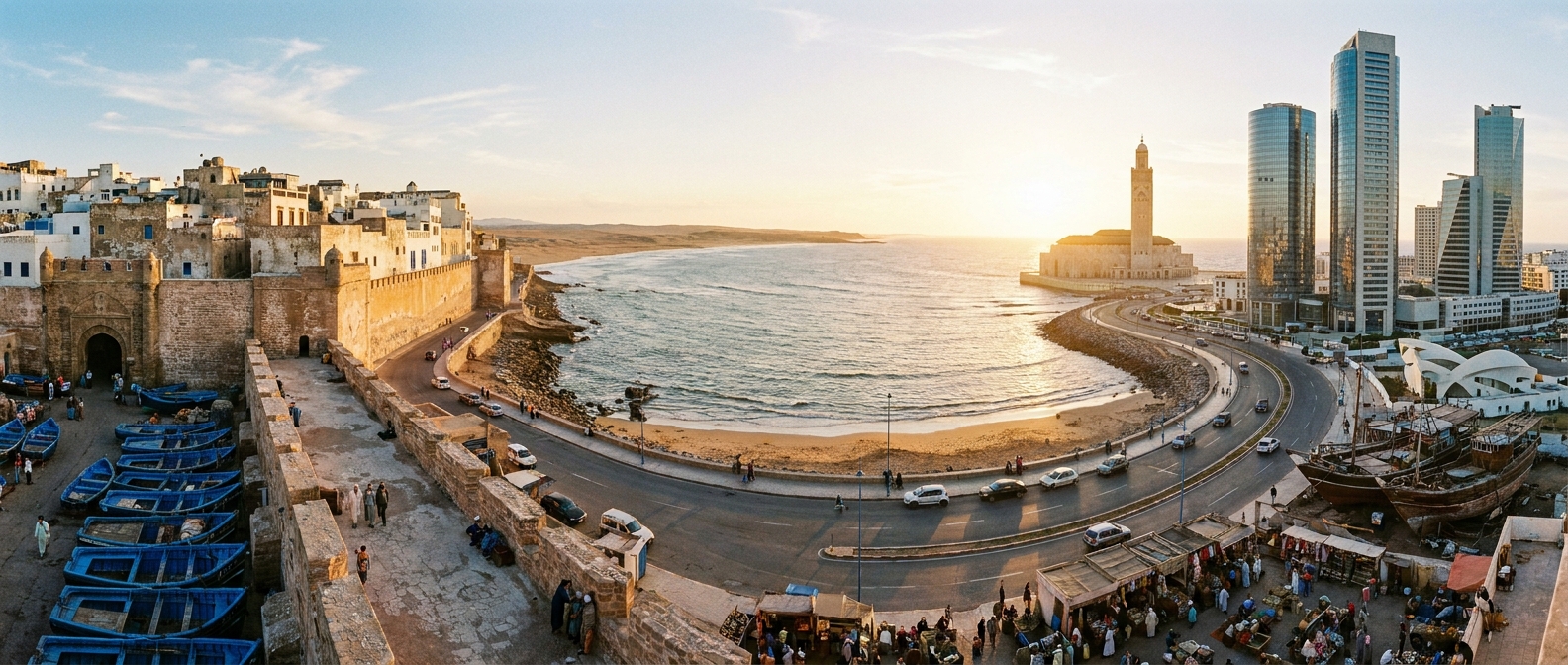
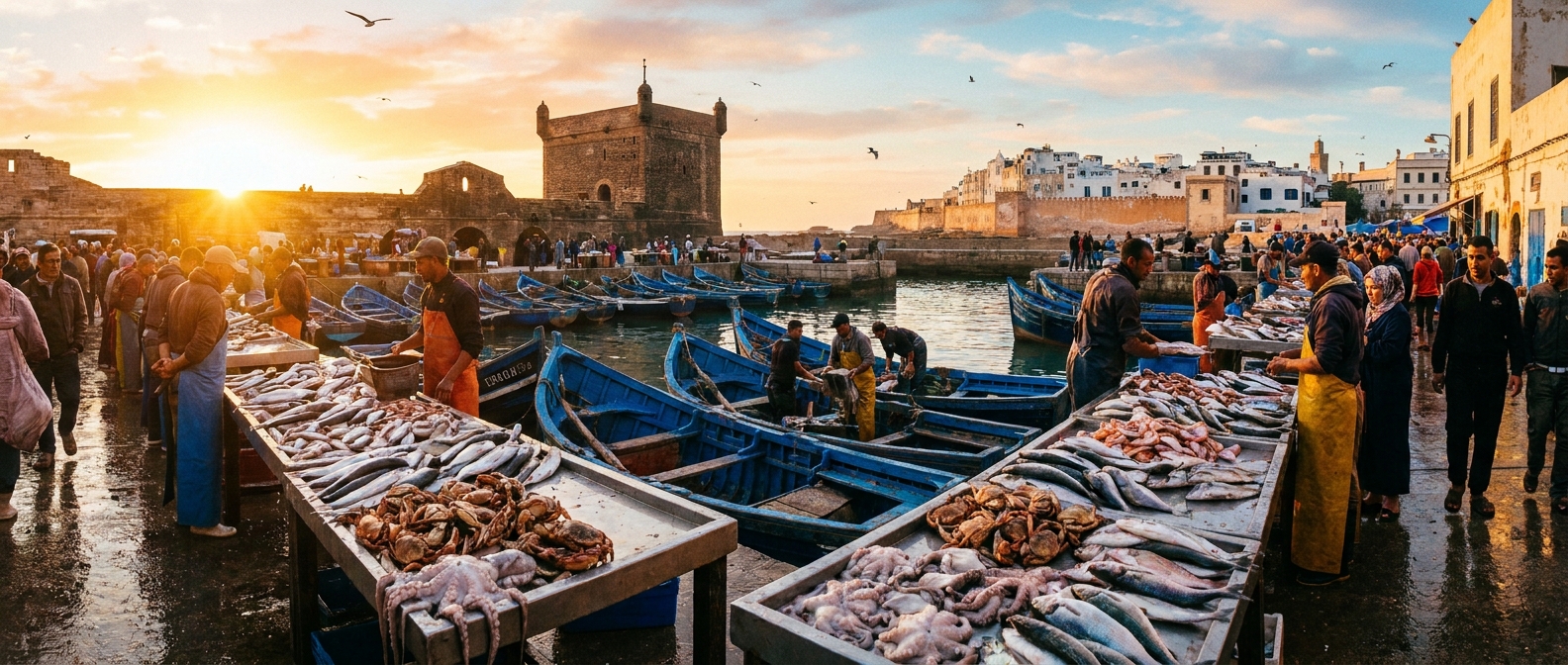
There’s something almost magical about Essaouira. This windswept coastal city on Morocco’s Atlantic shore — once called Mogador by Portuguese sailors — carries centuries of stories in its blue-shuttered buildings and weathered stone walls. The Portuguese presence here during the 15th and 16th centuries didn’t just leave behind fortifications. It shaped the very soul of this place.
But here’s what makes Essaouira truly special: it’s not a museum frozen in time. It’s a living, breathing city where Berber traders, Jewish craftsmen, French architects, and countless travelers have all left their fingerprints. The UNESCO World Heritage designation? Well-deserved. Yet Essaouira wears its honors lightly, inviting you to wander its maze-like streets and discover its secrets at your own pace. If you want to truly appreciate what you’re seeing here, understanding that Portuguese influence is your key to unlocking the city’s layered past.
Historical Significance of Essaouira
Let’s rewind to 1506. King Manuel I of Portugal looked at a map and saw opportunity — a strategic Atlantic port that could anchor trade routes between Europe and Africa. So he ordered a fortress built. Just like that, Mogador was born.
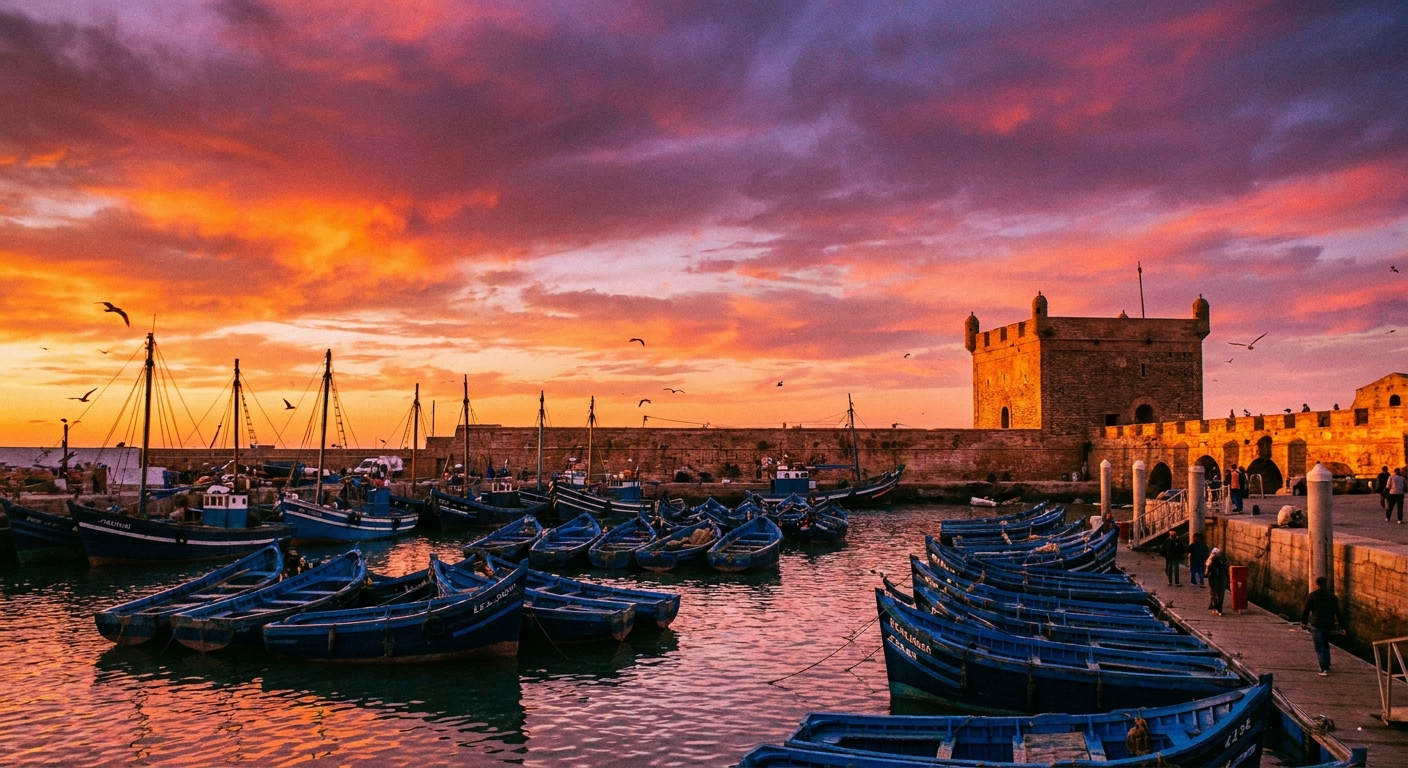
Over the next century, something fascinating happened. The Portuguese didn’t simply import European architecture wholesale. Instead, their military engineers blended sturdy European fortification designs with local Moroccan building traditions. Bastions rose. Ramparts stretched along the coastline. The harbor became a hub of maritime activity. But this chapter didn’t last forever — by the early 17th century, local forces had reclaimed the city.
Then came another reinvention. In the 1760s, Sultan Mohammed Ben Abdallah brought in French architect Théodore Cornut with an ambitious vision: redesign the entire city. Cornut introduced an organized grid system (pretty revolutionary for a Moroccan medina) while keeping the essence of what the Portuguese had created. The result? An architectural style you won’t find anywhere else on Earth.
The Current Vibrancy of Essaouira
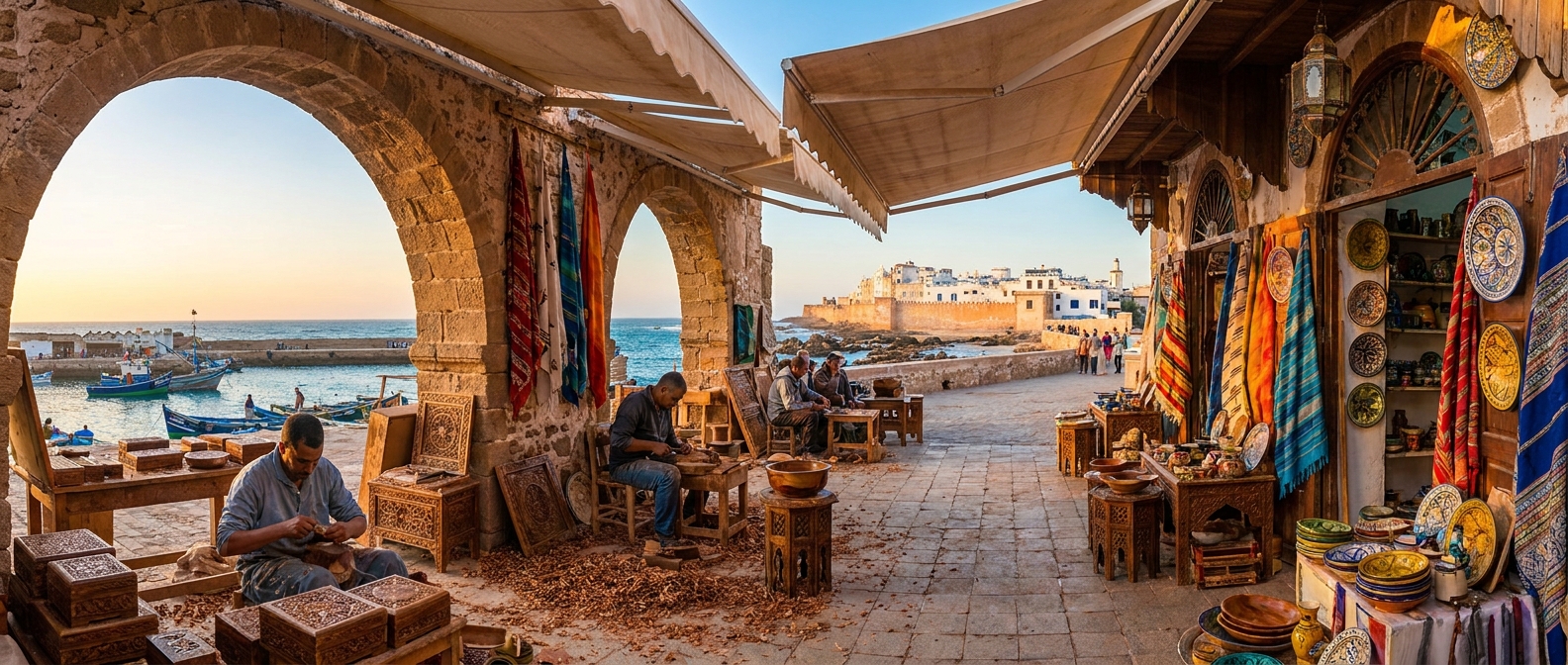
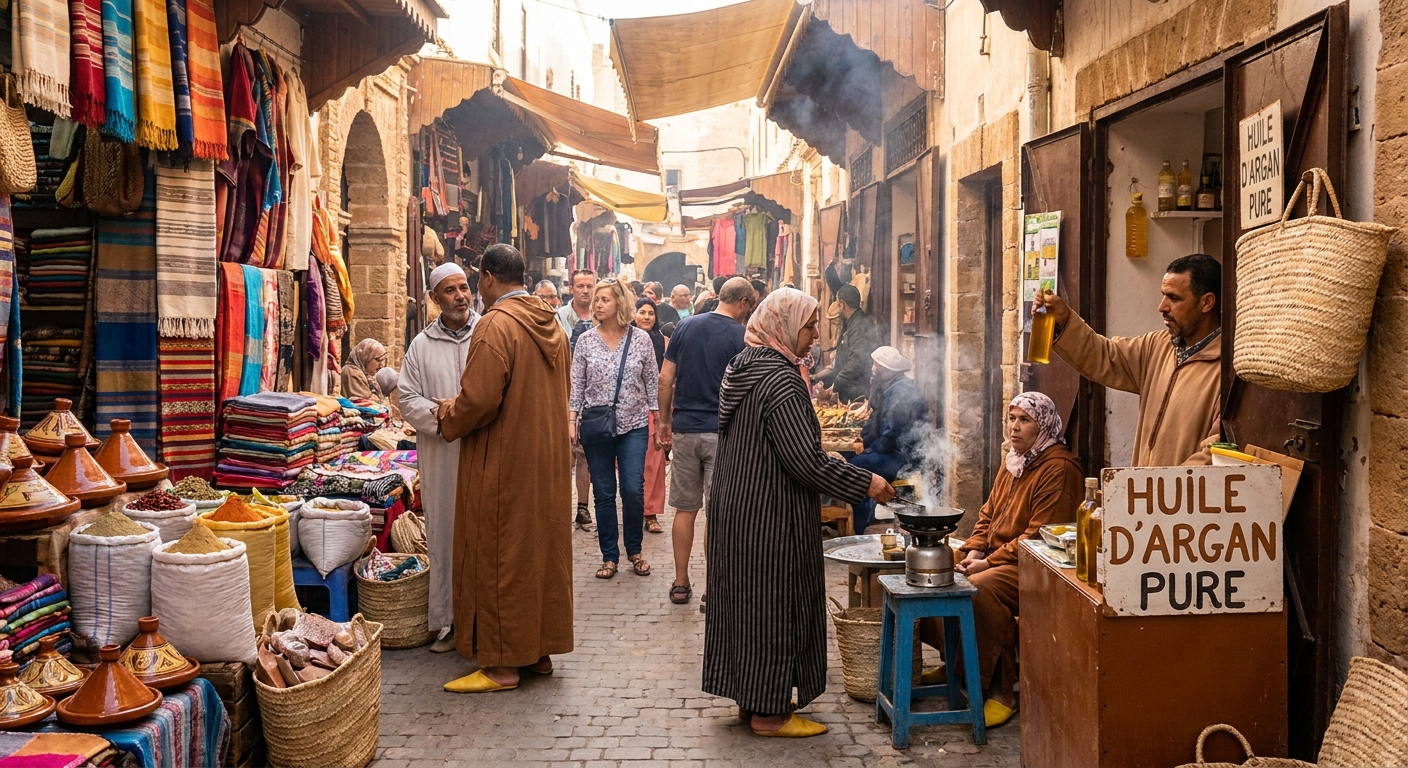
Walk through Essaouira today and you’ll feel it immediately. The whitewashed buildings with their signature blue accents. The narrow alleyways that suddenly open into bustling squares. The medina markets where the scent of argan oil mingles with ocean breeze. This isn’t preserved history — it’s living culture.
Tourism has exploded in recent years, and for good reason. Visitors are increasingly drawn to Essaouira’s unique identity as a genuinely multicultural city. Those Portuguese fortifications? Still standing, still impressive. The blend of architectural influences? Visible on every corner.
And the city isn’t resting on its laurels. The upcoming Cité des Arts et de la Culture — designed by the legendary Oscar Niemeyer — represents a bold bet on Essaouira’s future as an arts and culture destination. By 2026, local authorities are targeting 2 million annual visitors. Ambitious? Definitely. Achievable? Looking at what Essaouira has to offer, absolutely.
Key Statistics and Insights
Numbers tell part of the story. The medina earned its UNESCO World Heritage status in 2001, recognition of something genuinely unique in the world’s architectural landscape. The Portuguese established their fortified port here in the early 1500s, meaning over a century of colonial influence shaped what we see today.
That 2 million visitor goal for 2026? It’s driving real investment in cultural heritage and natural attractions. The medina’s distinctive grid plan — unusual for Moroccan cities — and those impressive 18th-century defensive walls continue to fascinate architects and historians alike.
Keep an eye on the Cité des Arts et de la Culture project. Expected to open in late 2026 or early 2027, it could transform Essaouira’s artistic profile entirely.
Expert Perspectives on Essaouira
Talk to people who study this stuff and you’ll hear genuine enthusiasm. Architectural historian Djamila El Gueddari puts it beautifully: “The unique intersecting layers of Moroccan, Portuguese, and French designs create a narrative that is distinctly Essaouira.” She’s right — the architecture here doesn’t just reflect different styles. It tells the story of cultures colliding, competing, and ultimately creating something new together.
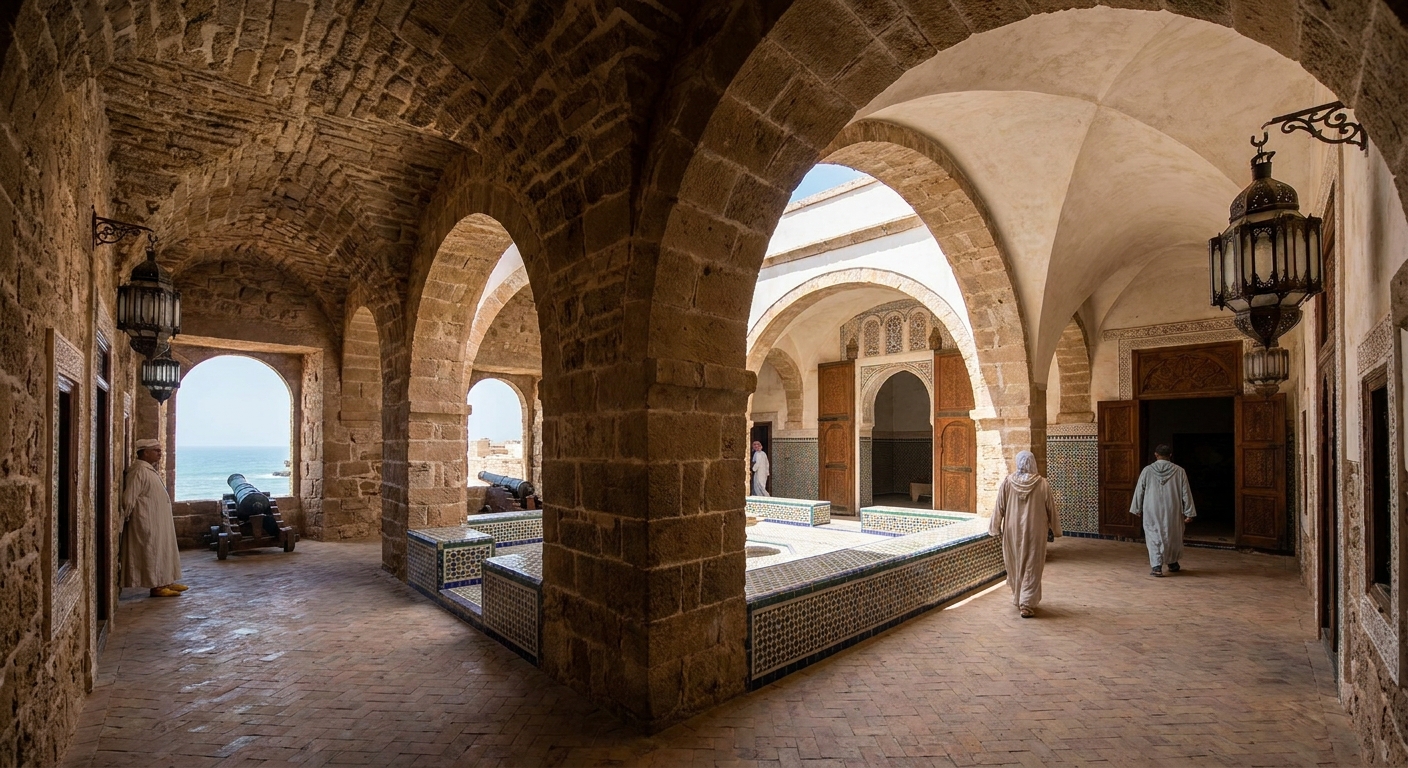
Travel writer Samir Othmani captures a different angle. “Walking through the Skala de la Kasbah, you can feel the echo of history,” he observes. “It’s a convergence point of military history and picturesque beauty.” Anyone who’s stood on those ramparts, watching the Atlantic crash against ancient stones, knows exactly what he means.
Meanwhile, boutique hotels are opening. Contemporary art galleries are multiplying. The annual Gnaoua World Music Festival draws international crowds. Essaouira’s modern identity is as compelling as its historical one.

Trends in Tourism and Cultural Impact
Recognition keeps growing. Improved infrastructure means easier access to historical sites. Local government is doubling down on cultural festivals that showcase Essaouira’s remarkable heritage.
But — and this matters — growth brings challenges. Some critics worry about commercialization creeping in, about the authentic character getting polished away for tourist convenience. These concerns aren’t unfounded. Preservation and tourism development don’t always play nice together.
The conversations happening now, between local authorities, community leaders, and heritage organizations, will shape what Essaouira becomes. Can the city welcome more visitors without losing what makes it special? That’s the defining question for the years ahead.
Conclusion and Future of Essaouira
So what do we have in Essaouira? A city where Portuguese engineering, Moroccan tradition, and French urban planning created something genuinely unique. A fortified port that evolved into a cultural magnet. A place where history isn’t just studied — it’s lived.
As those 2026 tourism targets approach, sustainable development becomes critical. The goal isn’t just more visitors. It’s preserving the rich heritage that draws people here in the first place. Exploring Essaouira means more than admiring beautiful buildings (though you’ll do plenty of that). It means understanding how historical legacies shape the places we love today.
Frequently Asked Questions
What is the historical significance of Essaouira?
Originally called Mogador, Essaouira was established by the Portuguese in the early 1500s as a fortified trading port. Its history weaves together Portuguese colonization, Moroccan reinvention, and French architectural influence — creating layers of heritage that remain visible throughout the city.
What architectural styles are present in Essaouira?
You’ll find a striking blend of Portuguese military design and Moroccan architectural traditions. The medina showcases whitewashed buildings, distinctive defensive walls, and an unusual grid layout that sets it apart from other Moroccan cities.
How is Essaouira preparing for tourism growth in 2026?
The city is targeting 2 million annual visitors by 2026, investing heavily in cultural and artistic infrastructure. The Cité des Arts et de la Culture project represents the most ambitious piece of this strategy.
What are the challenges Essaouira faces regarding tourism?
Balancing growth with preservation tops the list. As visitor numbers climb, protecting historical sites from commercialization and maintaining authentic cultural identity become increasingly difficult — and increasingly important.