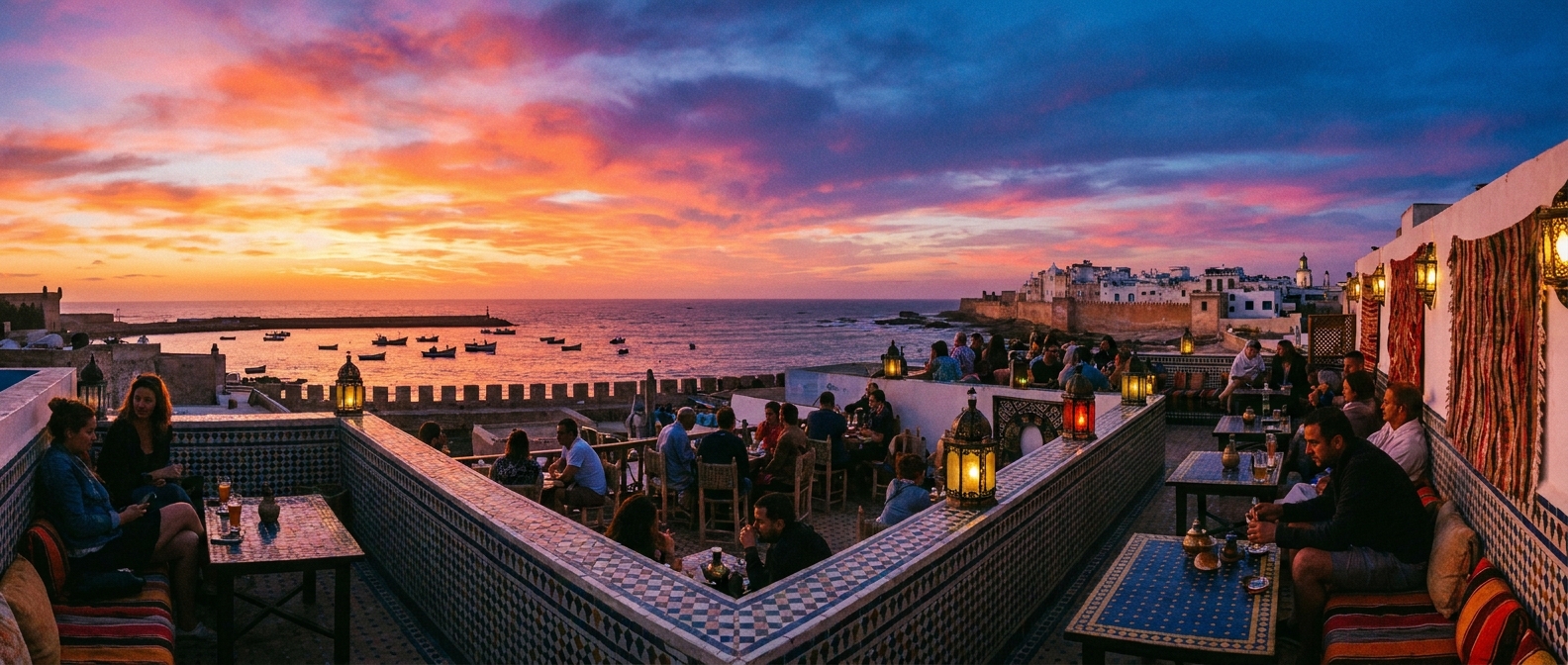
So you’re planning a trip to Morocco — exciting! But now you’re stuck on a classic traveler’s dilemma: Essaouira or Marrakech? Here’s the thing: these two cities couldn’t be more different, and that’s actually great news for you. Essaouira brings coastal calm and a breezy, artistic vibe, while Marrakech hits you with centuries of history, sensory overload (in the best way), and energy that just doesn’t quit. Figuring out which one fits your travel style? That’s what we’re here to help with.
We’re going to break down what makes each city tick — the culture, the food, the pace, the logistics. Essaouira is your spot if you dream of windswept beaches and café afternoons that stretch into evening. Marrakech? That’s where you go when you want to lose yourself in ancient medinas, haggle in legendary souks, and feel the pulse of a city that’s been captivating visitors for a thousand years. Let’s dive in and figure out which one’s calling your name.
Historical Background of Essaouira and Marrakech
Essaouira came into its own in the 18th century, though the area’s history stretches back much further. What started as a fortified coastal town grew into a vital maritime hub where African spices and goods flowed to European markets. Walk through its medina today — a UNESCO World Heritage site, by the way — and you’ll feel the layers of Berber, Arab, and European influences woven into every narrow street and whitewashed wall.
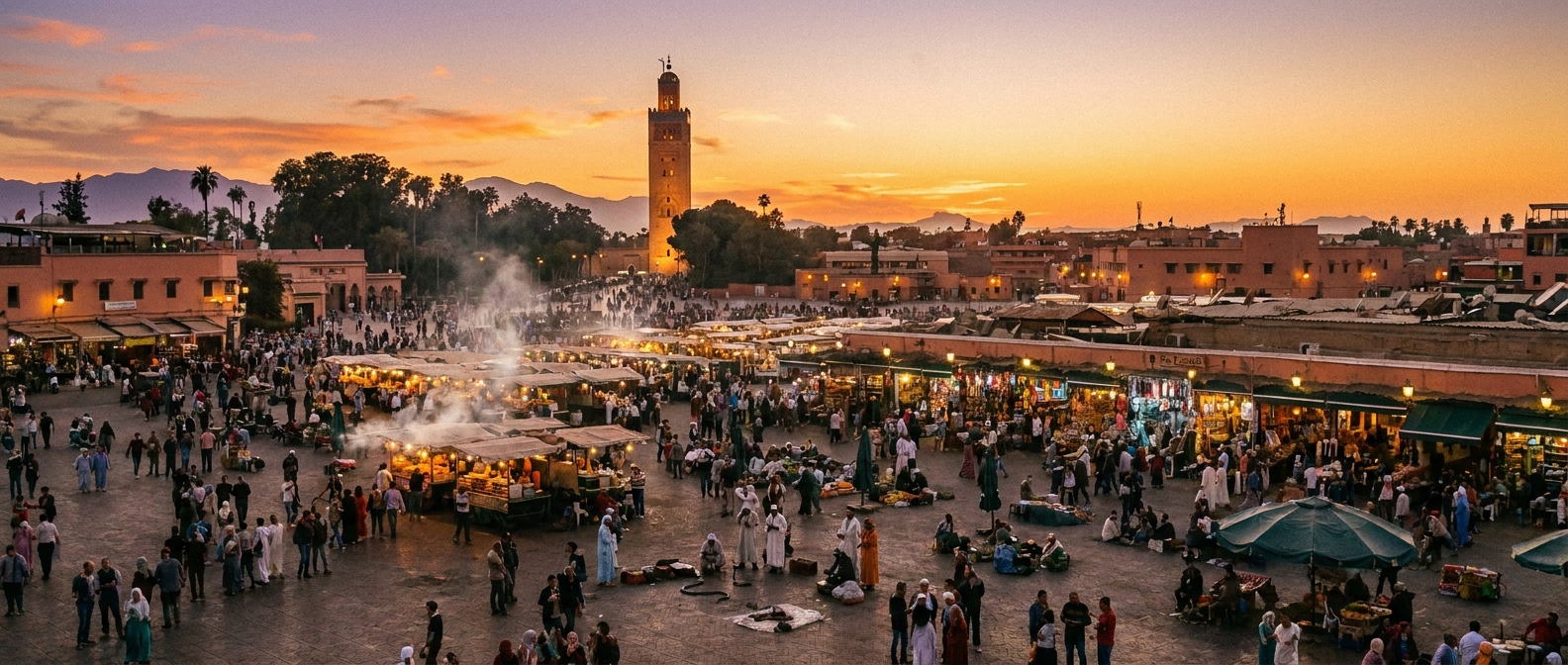
Marrakech, on the other hand, has about seven centuries on Essaouira. Founded in the 11th century by the Almoravid dynasty, it earned the nickname “Red City” thanks to its distinctive sandstone buildings that seem to glow at sunset against the Atlas Mountains. Over the years, this place transformed into Morocco’s cultural heartbeat. The Koutoubia Mosque rises above the skyline, the Majorelle Gardens offer impossibly blue escapes, and Jemaa el-Fna square… well, it’s been drawing crowds and dropping jaws for generations.
Current State of Essaouira and Marrakech
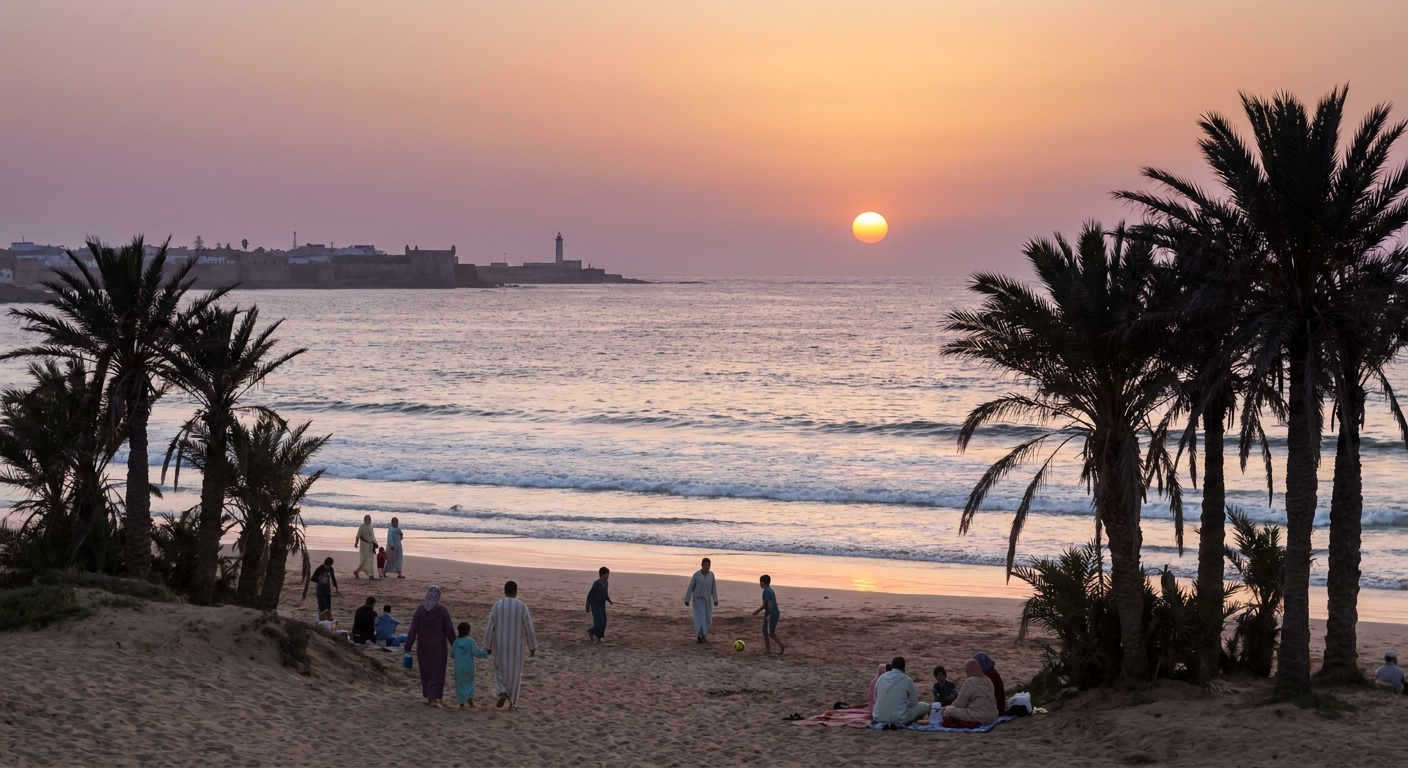
These days, Essaouira has become something of a magnet for creative souls. Artists, writers, and families looking to slow down have discovered its contemplative charm. The city hasn’t lost touch with its roots, though — it just knows how to blend heritage with a modern, artsy edge. Music festivals pop up throughout the year, galleries dot the medina, and artisan workshops invite you to watch craftspeople at work. And the food scene? Fresh seafood pulled from the Atlantic that morning. You really can’t beat it.
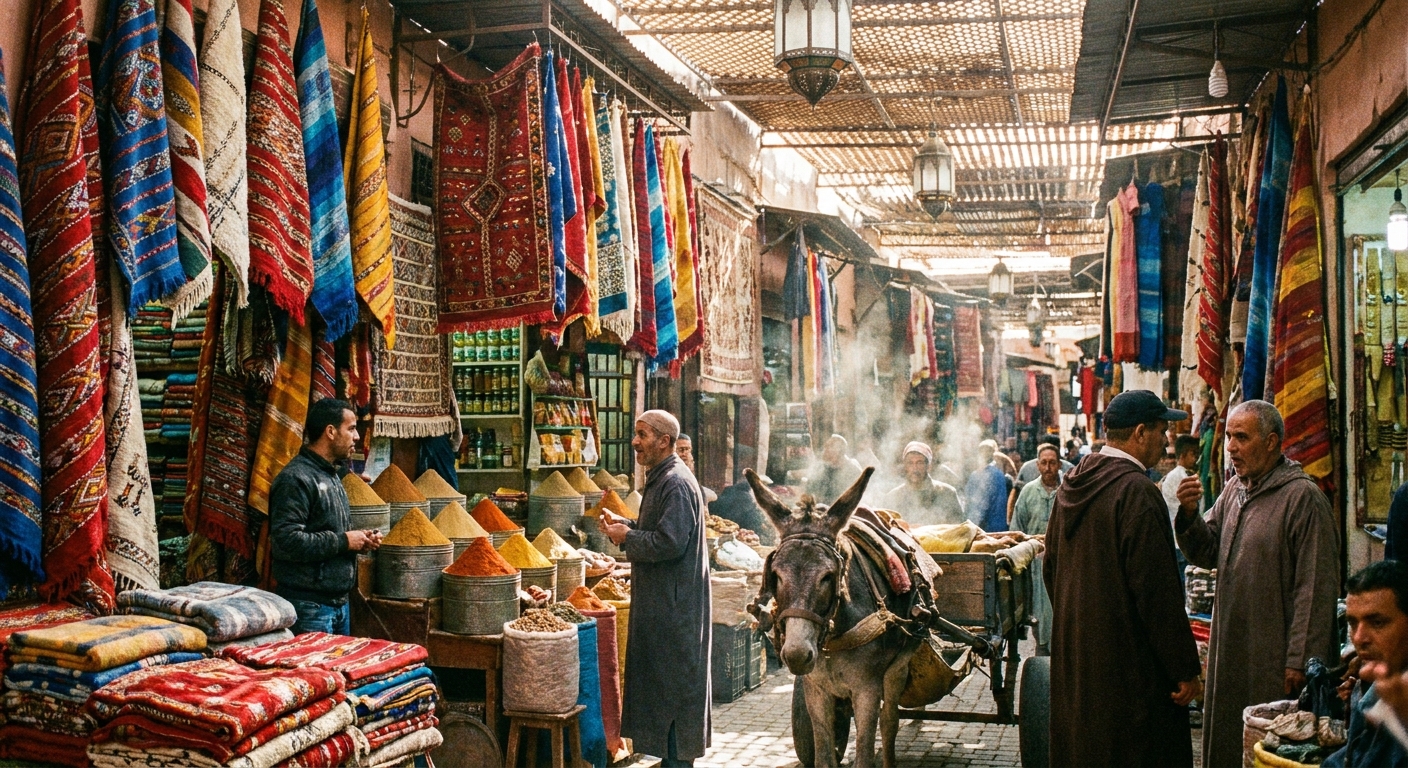
Marrakech remains Morocco’s tourism heavyweight, and honestly, it’s easy to see why. The souks are a labyrinth of treasures waiting to be discovered (or bargained for). The restaurant scene spans everything from hole-in-the-wall street food to rooftop fine dining with views that’ll make your Instagram followers jealous. Add in events like the Marrakech International Film Festival, and you’ve got a city that somehow manages to honor its past while staying thoroughly alive in the present.
Key Statistics Comparing the Two Cities
Let’s talk numbers for a minute — they tell an interesting story. Marrakech pulls in roughly 3 million visitors annually, while Essaouira sees around 500,000. That gap speaks volumes about Marrakech’s dominance in the urban tourism game, but it also hints at something else: Essaouira offers a less crowded, more intimate experience.
Getting between the two? Totally doable. They’re about 200 km apart, which means 2.5 to 3.5 hours by bus or car — close enough to easily visit both on a single trip. Climate-wise, Essaouira wins if you’re heat-sensitive. Its Atlantic breezes keep temperatures between 15°C in winter and a pleasant 25°C in summer. Marrakech? It can get brutal, with summer temperatures regularly pushing past 40°C. Something to keep in mind when you’re packing.
Expert Insights on Visitor Experiences
Travel pros tend to have strong opinions about these two, and it often comes down to what kind of trip you’re after. Travel writer Sarah O’Hara puts it beautifully: “Essaouira feels like a world apart from the intensity of Marrakech, with its welcoming atmosphere and art scenes thriving alongside its coastal vistas.” If you need to decompress, this is your place.
But for those craving immersion in Moroccan history and culture? Historian Youssef El Hadaoui argues that “Marrakech offers an unparalleled dive into Moroccan culture, from the medina to the gardens, making it an essential stop for any traveler.” There’s just no substitute for wandering those ancient streets, getting wonderfully lost, and stumbling upon experiences you never planned.
The sunset crowd in Essaouira loves those beach vibes paired with local artisan finds. Marrakech night owls? They’re all about rooftop cocktails and the electric atmosphere of the night markets coming alive after dark.
Trends and Developments in Travel
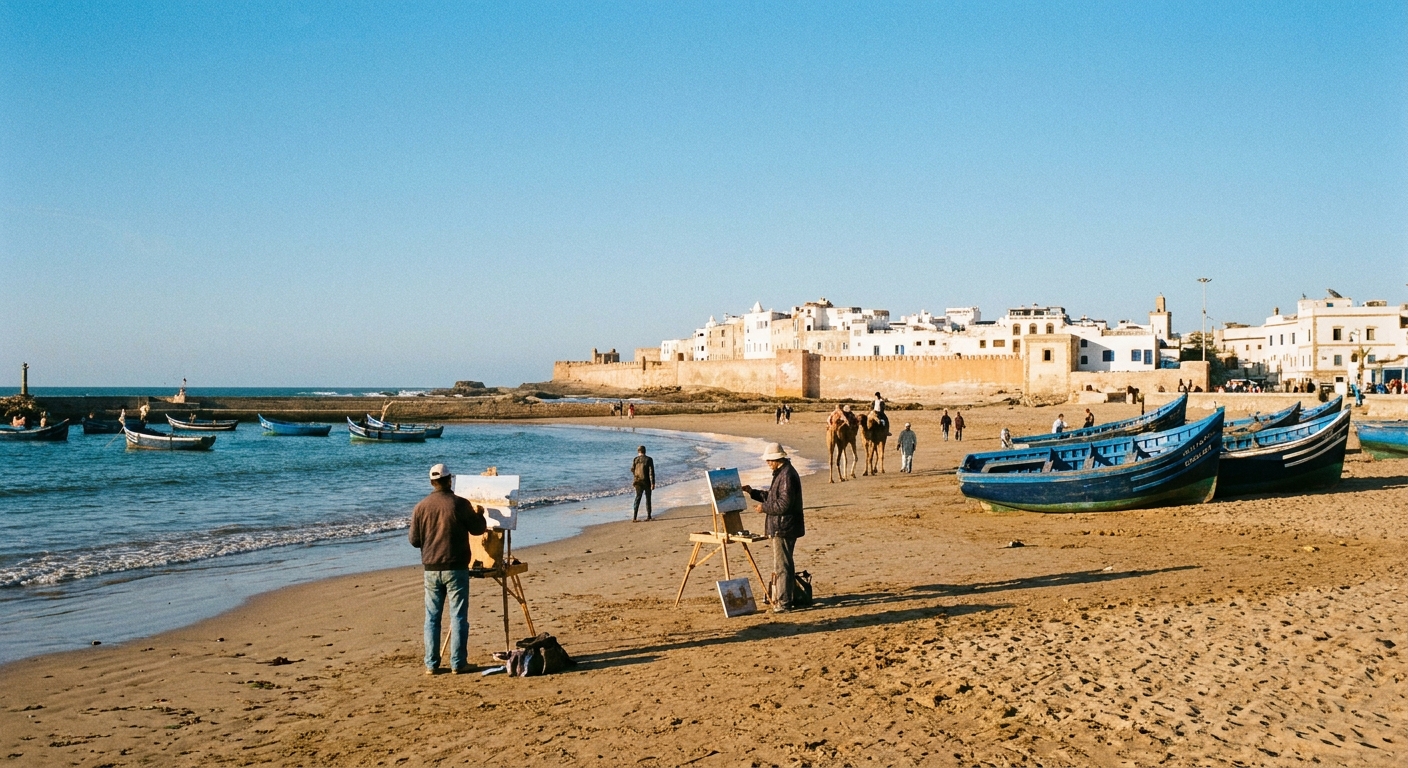
Here’s what smart travelers are doing lately: combining both cities. A popular approach is spending 3 days soaking up Marrakech followed by a 1-day escape to Essaouira. You get the best of both worlds — the urban adventure and the coastal breather. It’s become such a common combo that tour operators have built entire packages around it.
Food tourism is having a major moment in both destinations. Culinary tours that take you beyond the tourist spots and into authentic Moroccan kitchens are increasingly popular. And Essaouira? It’s quietly becoming a wellness destination, with retreats taking advantage of that naturally calming environment. Think yoga at sunrise, hammam experiences, and the kind of stillness that’s increasingly hard to find.
Addressing Challenges for Visitors
Let’s be real about potential downsides. Essaouira’s tranquility is a double-edged sword — if you’re hoping for vibrant nightlife or non-stop entertainment, you might find yourself twiddling your thumbs by 10 PM. The pace is intentionally slow, which isn’t everyone’s cup of mint tea.
Marrakech presents different challenges. The souks can feel overwhelming, especially on your first visit. The energy that makes it exciting can also be exhausting. And while the city is generally safe, the sheer number of people in popular areas like Jemaa el-Fna requires some street smarts. Don’t let that scare you off — just go in with eyes open and a plan.
One more thing: peak season timing matters. Both cities see significantly larger crowds during summer months, which can mean longer waits, higher prices, and a more hectic vibe overall. Planning your visit for spring or fall often leads to a better experience.
Conclusion: Making Your Choice
At the end of the day, this choice comes down to you. What do you need from this trip? Craving peace, ocean breezes, and long afternoons with nowhere particular to be? Essaouira is waiting for you. It’s perfect for families, for couples looking to reconnect, for anyone who wants to exhale and actually relax on vacation.
But if your idea of a great trip involves sensory overload, historical depth, and the thrill of navigating an ancient city that pulses with life — Marrakech won’t disappoint. The souks, the architecture, the food, the nightlife — it’s all there, ready to sweep you up.
The beautiful thing? You don’t necessarily have to choose. These cities are close enough to experience together, and honestly, that contrast might just be the best way to truly understand what Morocco has to offer. Pack for both climates, bring your appetite for adventure (and actual food), and get ready for memories you’ll be talking about for years.
Frequently Asked Questions
Which city is better for shopping: Essaouira or Marrakech?
If shopping’s a priority, Marrakech is your destination. Those famous souks deliver everything from intricate textiles to handcrafted metalwork to spices that’ll transform your home cooking. Essaouira has its own charm — think unique artisan pieces and a more relaxed browsing experience — but for sheer variety and that classic Moroccan market adventure, Marrakech takes the crown.
What type of cuisine can I expect in Essaouira?
Seafood lovers, rejoice. Essaouira’s Atlantic location means incredibly fresh catches prepared simply and deliciously. Picture grilled sardines, seafood tagines, and fish so fresh it was swimming that morning. You’ll find traditional Moroccan dishes too, but the coastal cuisine is really where this city shines.
Is it safe to travel between Essaouira and Marrakech?
Absolutely. Whether you choose a comfortable bus or rent a car, the route between these cities is well-traveled and generally safe. That said, sticking to daylight travel is always wise — better views, easier navigation, and added peace of mind.
What is the best time to visit Essaouira and Marrakech?
Essaouira is lovely in spring and fall when temperatures are mild and the coastal weather is at its best. For Marrakech, consider the cooler winter months unless you’re genuinely okay with serious heat. Summer in Marrakech isn’t for the faint of heart — or the sweat-averse.