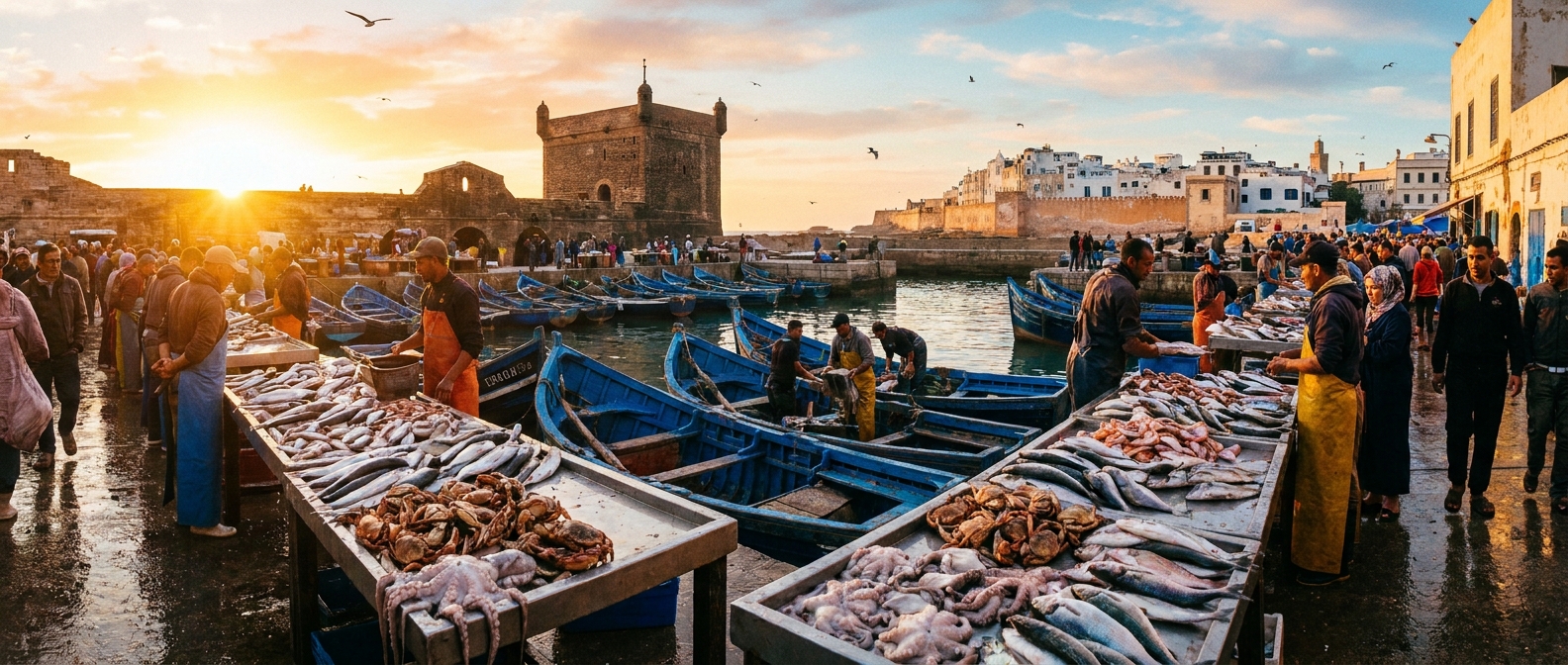
There’s something magical about watching the sun rise over Essaouira’s harbor — fishing boats bobbing gently, their blue and white hulls catching the early light, while the Atlantic stretches endlessly beyond. This isn’t just another beach town. It’s a living, breathing testament to Morocco’s maritime soul.
Perched on the Atlantic coast, Essaouira has been drawing in visitors for centuries. And honestly? It’s easy to see why. The harbor buzzes with activity from dawn to dusk, fishermen hauling in their catch while seagulls wheel overhead, hoping for scraps. It’s chaotic, colorful, and completely captivating. Whether you’re a foodie chasing the freshest seafood or a culture enthusiast soaking up centuries of history, this place delivers.
Historical Significance of Essaouira
Here’s the thing about Essaouira — its story goes way back. The Phoenicians were the first to recognize what a gem this location was, setting up shop here for maritime trade. Smart move. But the city really came into its own during the 18th century when Sultan Mohammed III decided to transform it into a fortified port city.
Walk through the medina today, and you’ll spot that distinctive blend of Moroccan and Portuguese architecture everywhere. Those sturdy ramparts? The elegant archways? They’re not just pretty — they earned Essaouira its UNESCO World Heritage status. The fishing industry has been the town’s heartbeat through all these changes, with traditions passed down through generations like treasured family recipes.
The Current State of Essaouira’s Fishing Industry
Fast forward to today, and Essaouira’s harbor is still going strong. Over 1,200 fishing vessels crowd the port — most of them artisanal boats operated by families who’ve worked these waters for generations. There’s no industrial trawling here. These fishermen stick to traditional methods, and that commitment to sustainability shows in every catch.
And those seagulls? They’ve become unofficial mascots of the port. You can’t take a photo without a few photobombing in the background (trust me, I’ve tried). They add to the whole atmosphere — the calls, the swooping, the occasional standoff over a discarded fish head. It’s entertainment, really.
Key Statistics About Essaouira’s Seafood Culture
Let’s talk numbers for a second, because they tell quite a story. Seafood makes up roughly 60% of what locals eat here. Sixty percent! The fish markets bustle seven days a week, packed with residents and curious tourists alike.
Peak fishing season runs from May through September, and during those months, the seagull population explodes — thousands of them descend on the harbor. In 2023 alone, over 500,000 tourists visited Essaouira, and a huge chunk of them came specifically for the food. The culinary scene here has evolved into something special, blending time-honored recipes with creative new twists that have food critics paying attention.
Local Insights from Seafood Experts
Ahmed El Amrani, a local fishmonger and seafood chef, puts it beautifully: “The connection we have with the sea is not merely for sustenance; it is part of our heritage. Fresh fish from Essaouira is celebrated not just for its taste but for the community it represents.”
That sentiment runs deep here. Fatima Zahra, who’s been guiding visitors through the area for years, always tells her groups the same thing: “When you visit the port, you gain a profound understanding of Essaouira’s daily rhythms.” She’s right. Chatting with the fishermen, watching them mend nets, then walking over to a nearby stall to try whatever just came off the boats — that’s the real Essaouira experience.

Emerging Trends in Essaouira’s Culinary Scene

The food scene here is evolving in exciting ways. Chefs are getting creative, mixing traditional Moroccan flavors with influences from around the globe. You might find a classic tagine served alongside a dish that wouldn’t look out of place in a Paris bistro. And here’s what’s refreshing — sustainability isn’t just a buzzword. Many restaurants genuinely prioritize locally sourced seafood and eco-friendly practices.
The local government has stepped up too, launching programs that support artisanal fishing while organizing seafood festivals that celebrate (and boost) the local economy. It’s a delicate dance — embracing modernization without losing what makes Essaouira special in the first place.
Confronting Challenges in the Fishing Industry
But let’s be real — it’s not all smooth sailing. More tourists means more pressure on local resources. Overfishing has become a genuine concern, and some longtime residents worry that the very authenticity drawing visitors here could be eroded by success.
The boom in seafood restaurants has complicated things further. Higher demand for fish means more strain on stocks that are already feeling the squeeze. Finding that sweet spot — where conservation goals align with the economic needs of fishing families — isn’t easy. But it’s essential if Essaouira wants to remain the charming coastal gem it’s always been.
Key Takeaways: Embracing Essaouira’s Coastal Allure
So what’s the bottom line? Essaouira offers something increasingly rare — an authentic glimpse into a maritime culture that’s been thriving for centuries. The fishing boats, the seagulls, the fish markets bursting with the day’s catch — it all adds up to an experience you won’t forget.
If you make the trip (and you should), don’t just stay on the sidelines. Talk to the fishermen. Ask questions at the market. Try dishes you can’t pronounce. And as conversations about sustainable tourism continue to shape this town’s future, remember that travelers play a role too. The choices we make — where we eat, what we support — help determine whether places like Essaouira can preserve their magic for generations to come.
Frequently Asked Questions
What makes Essaouira a unique travel destination?
It’s the combination that makes Essaouira stand out — centuries of maritime history, a fishing culture that’s still very much alive, and seafood so fresh it practically jumps onto your plate. Add stunning coastal scenery and that beautiful blend of cultural influences, and you’ve got something special.
What are the best places to eat seafood in Essaouira?
Honestly? Start at the fish markets. You can pick your fish and have it grilled right there — doesn’t get fresher than that. Beyond the markets, ask locals for their favorites. Some of the best spots aren’t in guidebooks. They’re tucked away in the medina, known only to people who know.

How has tourism influenced Essaouira’s fishing practices?

Tourism has been a double-edged sword, really. The economic benefits are undeniable — more visitors means more money flowing into the local economy. But that same growth puts pressure on fish stocks and traditional ways of life. It’s an ongoing conversation here, and an important one.
What can visitors do to support sustainable fishing in Essaouira?
Choose restaurants that source locally and sustainably. Chat with fishermen and show genuine interest in their work. Look for eco-friendly tourism initiatives and participate when you can. Small choices add up — and they matter more than you might think.