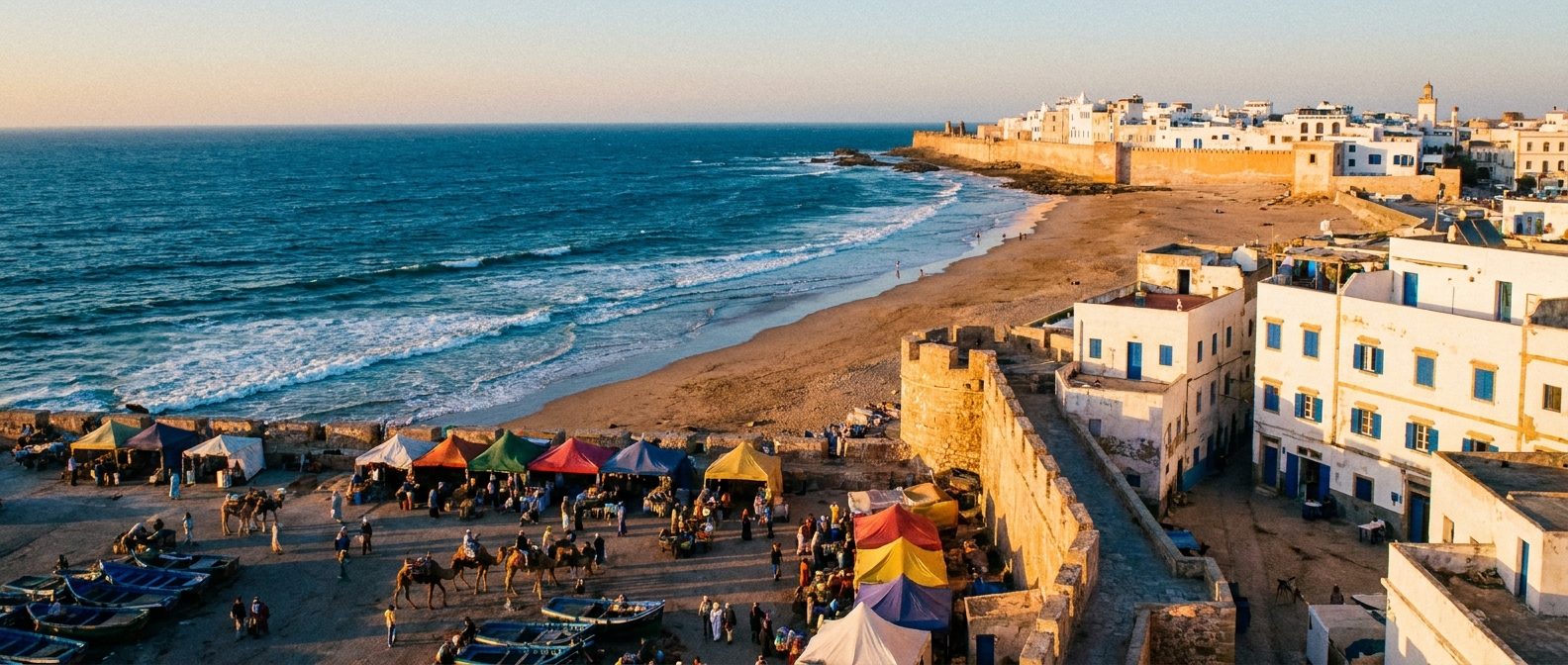
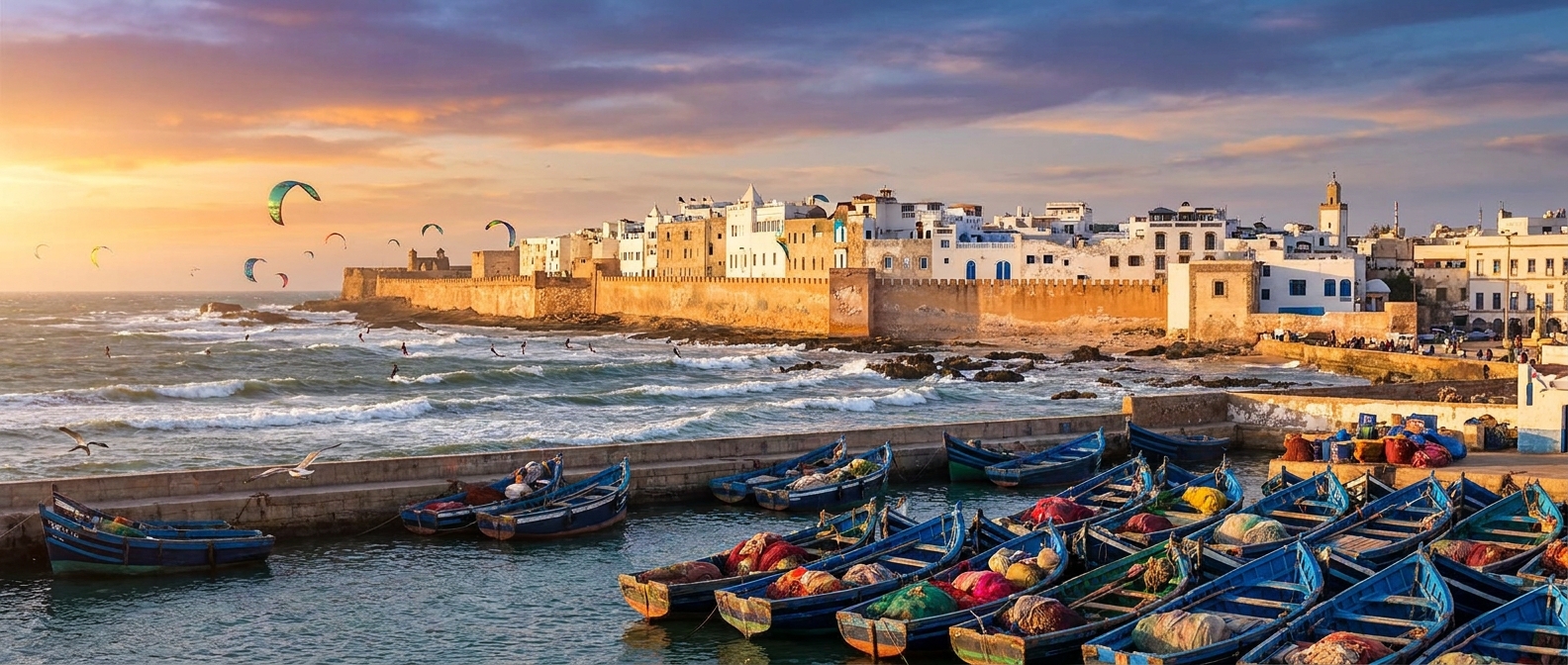
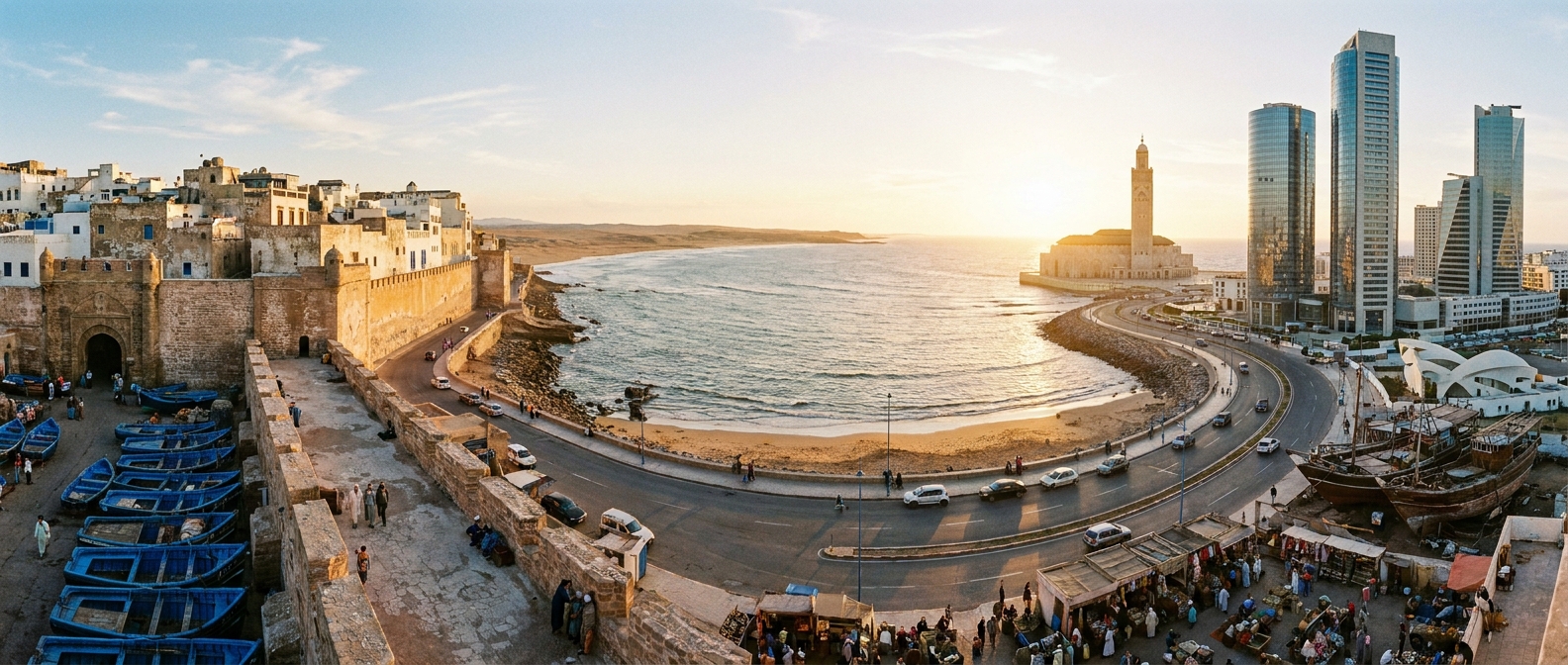
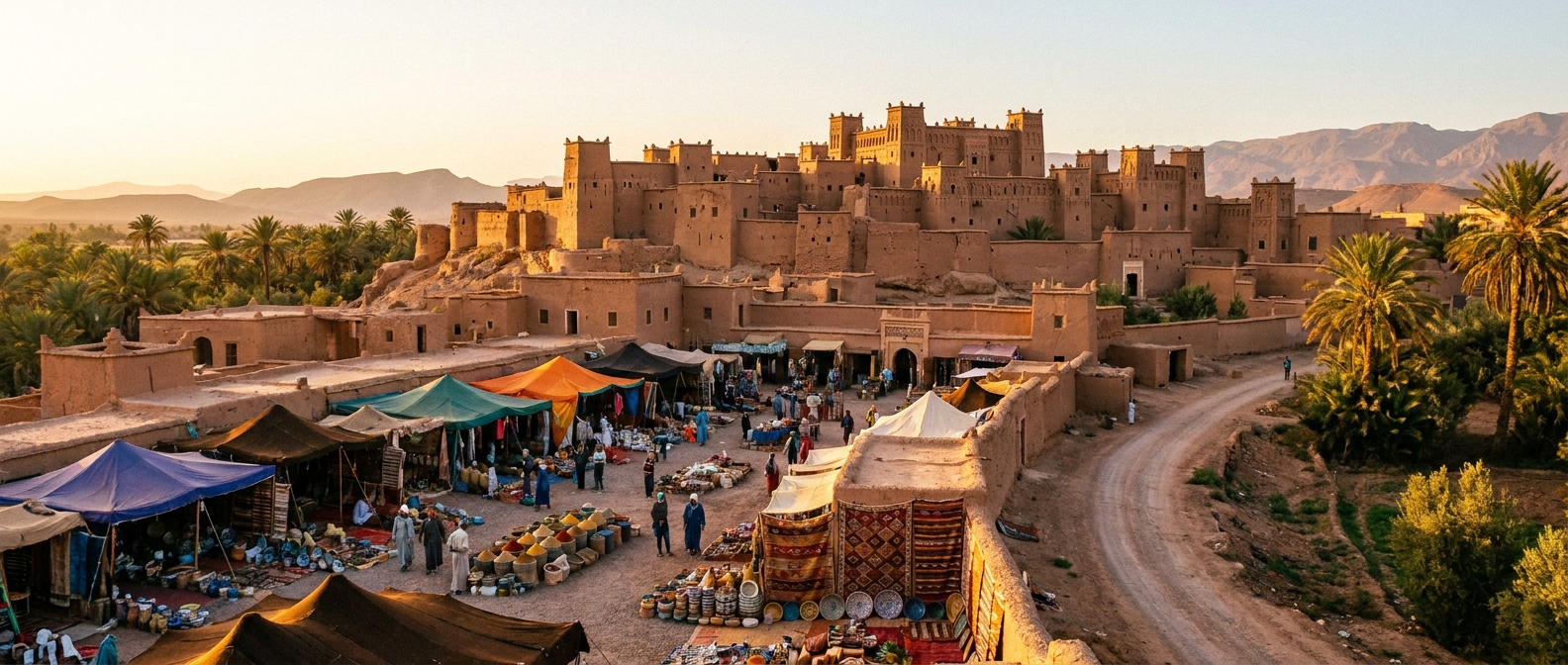
Essaouira is one of those places that steals your heart the moment you arrive. The wind-swept beaches, the blue and white medina walls, the smell of fresh seafood grilling by the harbor — it’s easy to see why thousands of travelers flock here every year. But here’s the thing: like any popular tourist destination, Essaouira has its share of opportunists who’ve figured out how to make a quick buck off unsuspecting visitors.
We’re talking inflated taxi fares, questionable “pure” argan oil, and fish dinners that somehow cost triple what the locals pay. Frustrating? Absolutely. Avoidable? Mostly, yes — if you know what to look for.
This guide breaks down the most common scams you might encounter and gives you practical strategies to sidestep them. Because let’s be honest, nobody wants their dreamy Moroccan getaway tainted by the sinking feeling of getting ripped off.
Understanding Essaouira’s Historical Context
Here’s something interesting about Essaouira: it’s been a trading hub for centuries. Merchants from across the globe — Portuguese, British, Jewish traders, Sub-Saharan Africans — all converged here, creating one of Morocco’s most cosmopolitan ports. That history of commerce? It runs deep in the city’s DNA.
And with trading comes haggling. And with haggling comes… well, let’s just say creative pricing strategies. The same skills that made Essaouira’s merchants legendary traders have, in some cases, evolved into tactics designed to separate tourists from their dirhams a bit too enthusiastically.
Understanding this context doesn’t excuse dishonest practices, but it does help explain why bargaining is expected here — and why walking in uninformed can leave you at a disadvantage.
Current Landscape of Tourism and Scams
Tourism in Essaouira has exploded over the past decade. Budget airlines now fly directly into nearby airports, and Instagram has turned this photogenic city into a must-visit destination. More tourists mean more opportunities — both legitimate and otherwise.
The local economy depends heavily on visitor spending, which is mostly a good thing. But that dependence can push some individuals toward shortcuts that aren’t exactly honest.
Now, don’t let this scare you off. Essaouira remains remarkably safe compared to many tourist destinations worldwide. Violent crime is rare, and most locals are genuinely warm and welcoming. The risks here are typically financial inconveniences rather than anything dangerous. Still, a little awareness goes a long way toward keeping your budget intact and your mood sunny.
Common Scams to Watch Out For
Let’s get specific about what you might encounter.
The Taxi Situation: This one’s classic. You hop in a cab, enjoy the ride, and suddenly you’re being quoted a fare that’s double — sometimes triple — what it should be. “The meter? Oh, it’s broken,” the driver might say with a shrug. Or worse, you agree on a price, and upon arrival, there’s a mysterious “surcharge” for luggage, nighttime driving, or some other invented fee.
Your defense? Always negotiate the price before you get in. Ask your hotel what the fare should be so you have a baseline. If a driver insists the meter is broken, find another taxi — there are plenty around.
The Argan Oil Shell Game: Morocco is famous for argan oil, and Essaouira sits right in argan country. So naturally, every other shop sells it. The problem? Much of what’s marketed as “pure” argan oil is actually diluted with cheaper oils, sometimes containing as little as 10% of the real thing.
Authentic argan oil typically costs between 50-120 MAD for a decent-sized bottle. If someone’s charging you 400 MAD and swearing it’s premium quality, you’re likely getting scammed. The solution: buy from women’s cooperatives on the outskirts of town, where you can actually watch the production process.
Understanding Price Inflations in Local Markets
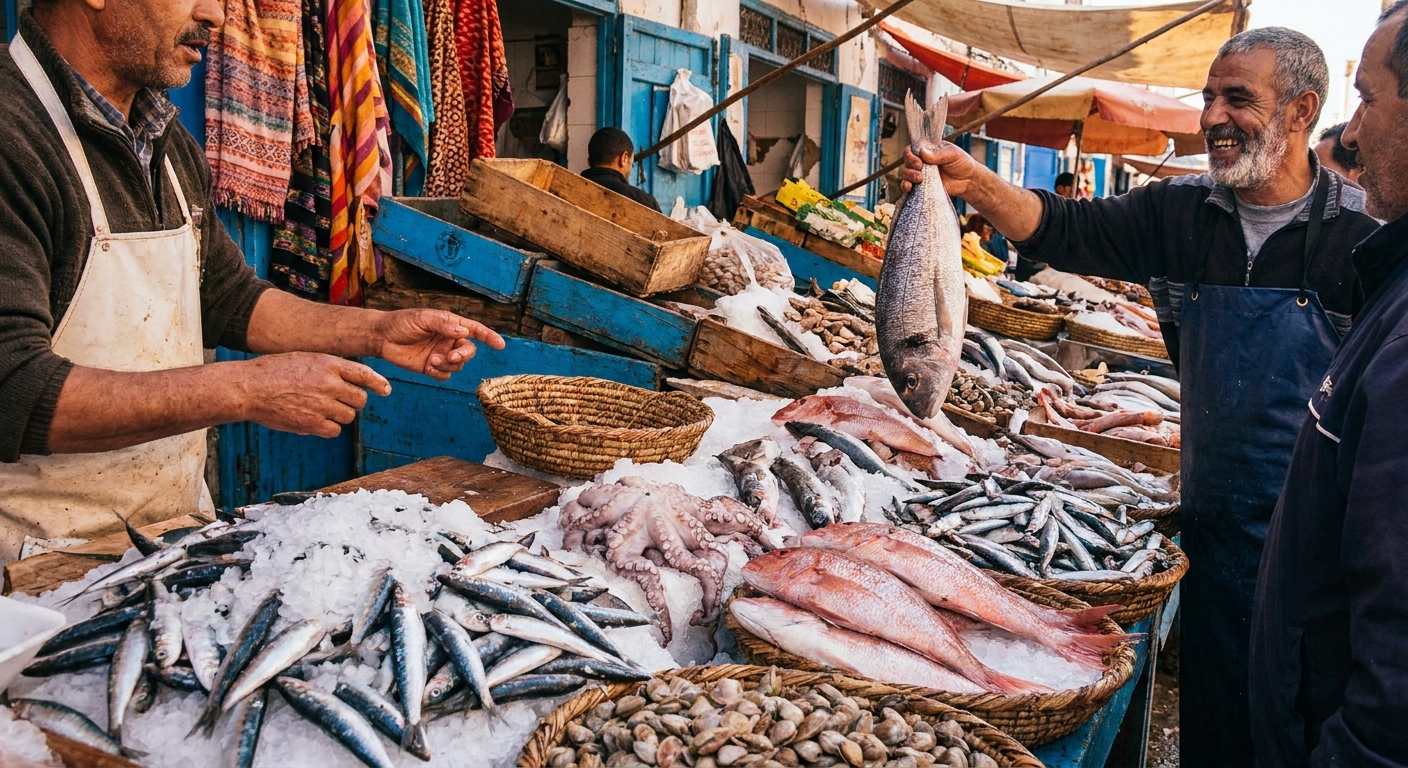
The fish market. Oh, the fish market. It’s an experience — piles of glistening fresh catch, vendors shouting their offerings, the promise of an incredible meal grilled right before your eyes. It can also be a minefield of hidden charges.
A reasonable seafood meal should run you somewhere between 80-160 MAD, depending on what you order. But tourists regularly report bills two or three times that amount. The trick often involves vague pricing — you point at some fish, they grill it up, and suddenly there are mystery charges for “cooking,” “salad,” “bread,” and services you never asked for.
The fix is simple but requires discipline: confirm the total price before anything gets cooked. Point to each item, ask the price, do the math, and only then give the go-ahead. Yes, it feels awkward. Do it anyway.
A note on pickpocketing: The medina gets crowded, especially during high season. That chaos creates opportunities for nimble fingers. Keep your valuables close — a money belt or a cross-body bag works wonders. And maybe leave that flashy jewelry at home.
Expert Tips for Navigating Tourist Scams
Travel experts and seasoned visitors tend to agree on a few key strategies.
First, communicate proactively. As one advisory from Nomado Travel puts it, “Most issues travelers encounter are financial rather than violent.” The solution? Agree on prices before services are rendered. Every single time. No exceptions.
Second, document everything. Take a photo of the menu before ordering. Screenshot the agreed taxi fare if you’re booking through an app. It sounds paranoid, but having evidence prevents “misunderstandings” later.
Third — and this one’s surprisingly effective — learn a few Arabic phrases. Asking “Bsh’hal kolshi?” (How much altogether?) signals that you’re not a total newbie. Vendors often respond with more honest pricing when they realize you’ve done your homework.
Finally, trust your gut. If something feels off, it probably is. Walk away. There’s another shop, another restaurant, another taxi just around the corner.
Trends and Movements in Ethical Tourism
Here’s some encouraging news: Essaouira is changing.
More and more local businesses are embracing transparency as a selling point. Shops display fixed prices. Cooperatives offer verified products. Some restaurants have even started posting their menus with prices visible from the street (imagine that!).
Travelers are voting with their wallets, too. The shift toward ethical tourism means supporting women’s cooperatives for argan oil purchases, choosing family-run riads over anonymous hotels, and seeking out businesses that treat both visitors and employees fairly.
This isn’t just about avoiding scams — it’s about contributing positively to a community you’re visiting. When you buy from a cooperative, that money supports local families directly. When you choose transparent businesses, you encourage others to follow suit. It’s a win-win.
Broader Challenges in Tackling Scams
Let’s zoom out for a moment. The scam situation in Essaouira raises some thorny questions about tourism economics and ethics.
On one hand, overcharging tourists by a few dirhams might seem like small potatoes — annoying, but not catastrophic. On the other, these experiences accumulate into negative reviews, damaged reputations, and visitors who tell friends to skip Morocco entirely. That hurts everyone, including honest vendors who play by the rules.
Local authorities face a genuine challenge. How do you regulate informal markets that have operated on handshake deals for generations? Some argue for stricter enforcement; others believe traveler education is the better path forward.
The truth probably lies somewhere in between. Meanwhile, informed travelers like you become part of the solution — rewarding honest businesses, avoiding the bad actors, and raising the overall bar for tourist experiences.
Conclusion: Key Takeaways for Safe Travel
So what’s the bottom line? Essaouira is wonderful, and it’s absolutely worth visiting. The vast majority of your interactions will be positive. But going in with your eyes open makes everything smoother.
Remember the big three: negotiate taxi fares upfront, buy argan oil from cooperatives, and confirm seafood prices before anything hits the grill. Beyond that, stay aware in crowded areas, learn a phrase or two, and don’t be afraid to walk away from deals that feel wrong.
The ethical tourism movement is gaining momentum here, and that’s something to celebrate. By choosing transparent vendors and supporting local cooperatives, you’re not just protecting yourself — you’re contributing to positive change.
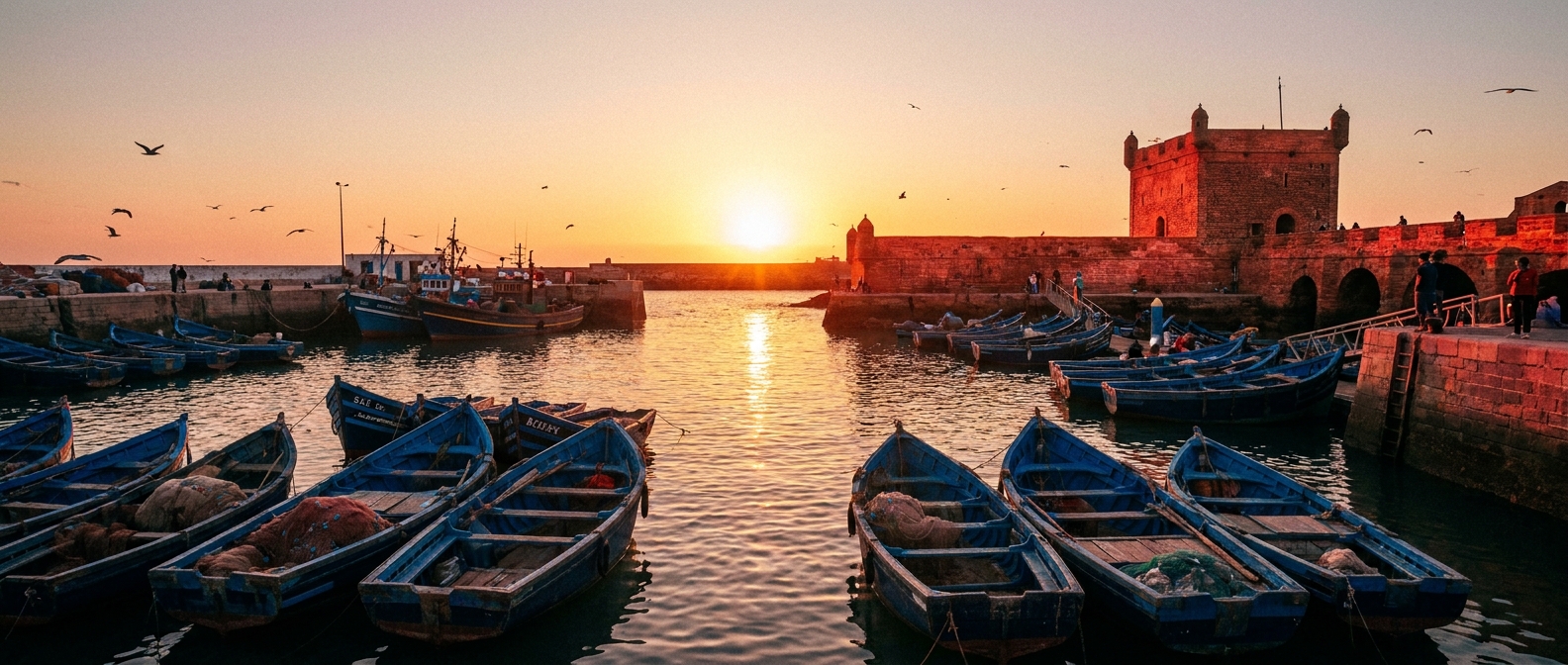
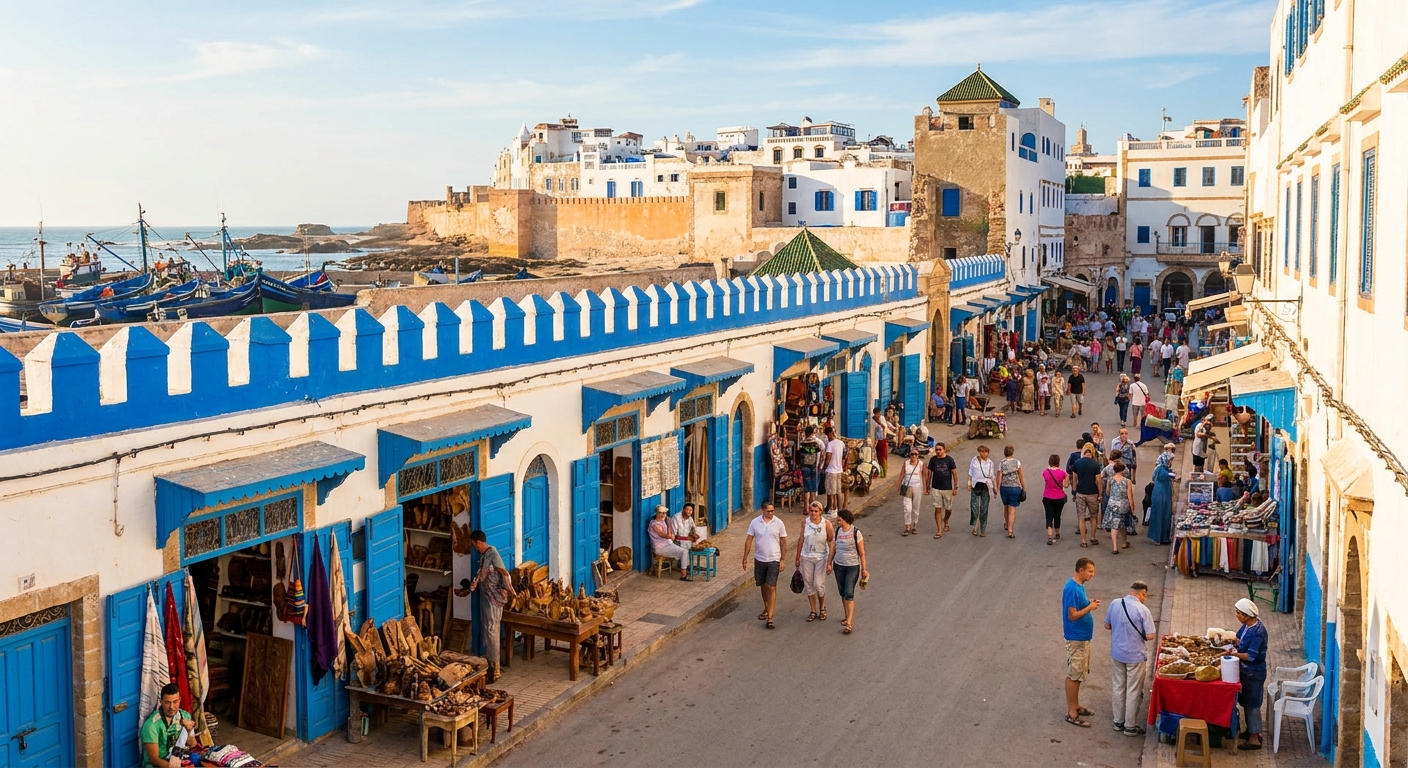
Now go enjoy those stunning sunsets, wander those blue-painted alleys, and eat all the fresh fish you can handle. Just make sure you know the price first.
Frequently Asked Questions
What are the most common scams in Essaouira?
You’ll mostly encounter taxi overcharging, fake or diluted argan oil at inflated prices, surprise fees at fish restaurants, and occasional pickpocketing in crowded areas. None of these are dangerous, but they can definitely put a dent in your budget and your mood if you’re caught off guard.
How can I avoid taxi overcharging in Essaouira?
Simple: agree on the fare before you get in the car. Ask your hotel or riad what a reasonable price should be so you have a reference point. If a driver claims the meter is broken and won’t negotiate fairly, just find another taxi — there’s no shortage of them.
Is it safe to buy argan oil in Essaouira?
It can be, but you need to choose your source carefully. Random shops in the medina often sell diluted products at crazy markups. Your best bet? Visit a women’s cooperative outside the city center, where you can watch the oil being made and buy directly from the producers.
What phrases should I use to confirm prices with vendors?
Try “Bsh’hal kolshi?” which means “How much altogether?” It shows vendors you’re not completely unfamiliar with local customs and often leads to more straightforward pricing. Even a little effort with Arabic tends to be appreciated and rewarded.
Are there safe areas to visit in Essaouira?
Absolutely — Essaouira is generally quite safe overall. The main medina, the port area, and the beach are all well-trafficked and welcoming. Just stay alert in particularly crowded spots, keep your valuables secure, and use common sense, especially after dark in quieter areas.