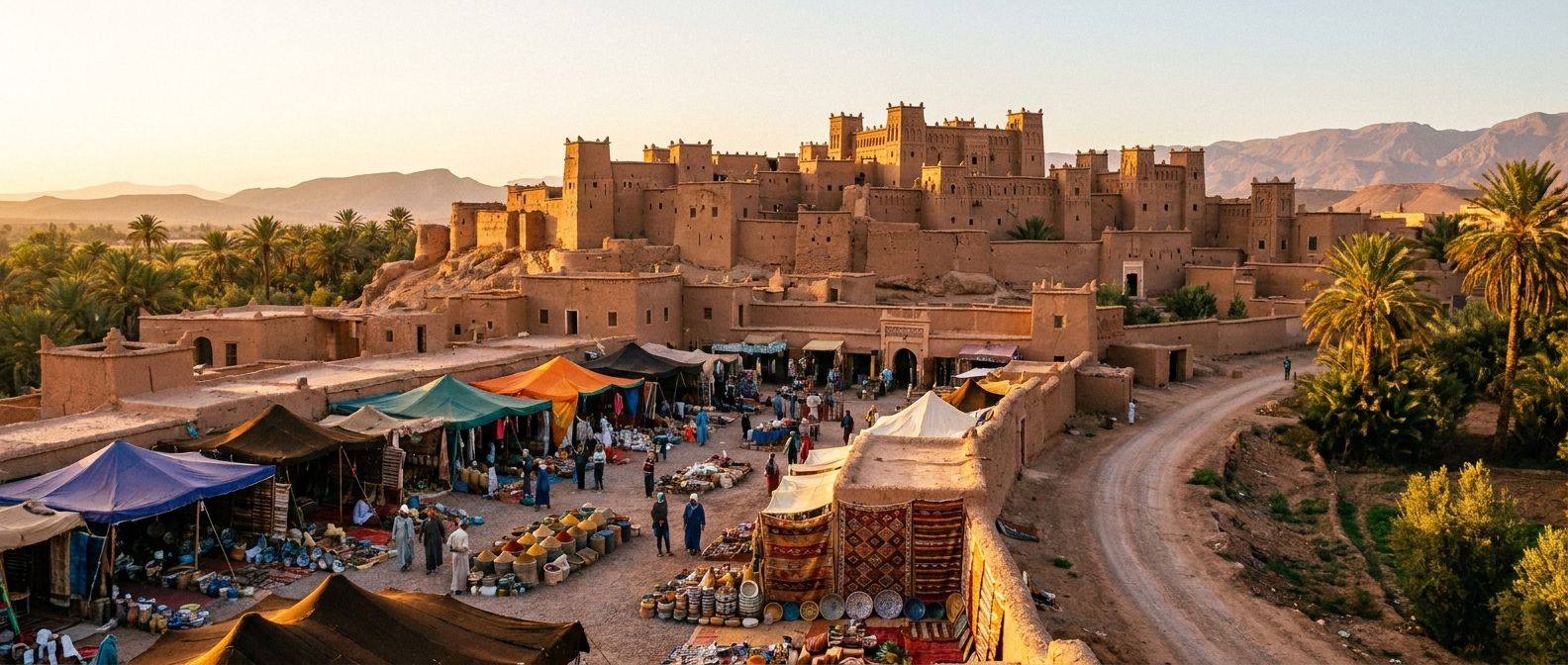
There’s something magical about wandering through Essaouira’s winding streets and stumbling upon stacks of colorful ceramics catching the Moroccan light. This picturesque coastal city isn’t just about windswept beaches and fresh seafood — it’s a treasure trove of handcrafted pottery that tells stories of generations past.
From vibrant plates and intricately painted bowls to decorative pieces that’ll make your friends back home jealous, Essaouira’s pottery scene has it all. But here’s the thing: not everything you see is worth your dirhams. The medina’s bustling shops mix genuine artisan pieces with mass-produced goods shipped in from other pottery centers, particularly Safi. Knowing the difference? That’s what separates a savvy traveler from one who ends up with a suitcase full of factory-made souvenirs.
Ceramics aren’t just decorative in Moroccan culture — they’re woven into daily life. Families eat from them, cook in them, and display them proudly. In Essaouira, local artisans still use traditional techniques handed down through generations, creating pieces with personality and soul. The patterns, the colors, that slight wobble in a hand-thrown bowl — these details matter. And once you know what to look for, shopping becomes a whole lot more fun.
Historical Background of Essaouira Ceramics
The pottery tradition here didn’t pop up overnight. It’s been shaped over centuries by everyone who’s passed through — Portuguese traders, Berber craftspeople, Arab artisans. Each culture left its mark, and you can see it in the intricate geometric patterns and bold color combinations that make Moroccan ceramics so distinctive.
Now, let’s be honest: much of what you’ll find in Essaouira actually originates in nearby Safi, Morocco’s unofficial pottery capital. But the local shops curate their collections with a distinct coastal flair. You’ll notice pieces that somehow capture the essence of this windswept town — blues that mirror the Atlantic, earthy tones that reflect the medina walls.
Today, the ceramic market here is booming. Wander any direction in the medina and you’ll encounter shop after shop overflowing with tagines, decorative zellij tiles, and dinnerware begging to be wrapped in newspaper and carefully tucked into your luggage. The challenge? Separating the real deal from the stuff that’ll disappoint you the moment you get home.
There’s good news, though. As travelers become more discerning, local artisans are stepping up their game. The demand for authentic, handmade pieces is pushing craftspeople to showcase their skills and engage with visitors in meaningful ways.
Key Statistics on Essaouira Ceramics
Let’s talk numbers — because knowing what to expect price-wise can save you from overpaying (and help you recognize when something’s too cheap to be legit).
Small handmade bowls typically run between 20–50 MAD, while more elaborate pieces can set you back 50–200 MAD depending on size and complexity. A locally made plate averages around 50 MAD, and if you’ve got your eye on a decorative vase, expect to pay upwards of 150 MAD for quality work.
Here’s what’s interesting: tourists are increasingly seeking out unique, handmade pieces over generic mass-produced alternatives. This shift is fantastic for local artisans trying to preserve traditional crafts — and it means shops are getting better at highlighting what makes their pieces special.
Expert Tips for Buyers
So what should you actually buy? Start small. Literally. Bowls and plates are easier to assess for quality and — let’s face it — much simpler to pack without constant anxiety about breakage during your flight home.
Look for hand-painted pieces where the patterns have slight variations. That wobbly line? The uneven spacing? Those aren’t flaws — they’re proof that human hands made your piece. As one local craftsman put it: “The beauty of Moroccan ceramics lies in their imperfections; each piece tells a story crafted by hands, not machines.”
Don’t be shy about asking questions. Good vendors will happily explain where their pieces come from and what materials they use. Speaking of which — always ask about food safety if you plan to actually eat off your purchases. Lead-free glazes are a must, and reputable sellers will be transparent about this.
Emerging Trends in Essaouira’s Ceramic Market
Buyers are getting smarter about quality and safety, and the market is responding. Shops that can clearly explain their glazing process and guarantee lead-free products are seeing more business. It’s a positive shift that benefits everyone.
Another trend worth noting: buying in bulk (well, multiple pieces) often unlocks discounts. Vendors appreciate customers who engage with their work, and purchasing several items from the same artisan can mean better prices — plus you’re supporting one craftsperson more meaningfully.
And for those who want something truly personal, some artisans now offer customization. Imagine bringing home a piece with your initials or a specific color combination you requested. That’s a souvenir with a story.

Challenges in the Essaouira Ceramic Market

Here’s the tricky part: distinguishing genuine handmade ceramics from factory-produced imitations isn’t always easy, especially when you’re dazzled by color and caught up in the excitement of travel.
Authentic pieces have personality — slight imperfections, varied line thickness, unglazed bases. Machine-made products? They’re almost too perfect. Flawless patterns, exact symmetry, identical pieces lined up in rows. If every item looks exactly the same, that’s your red flag.
Tourist-heavy areas tend to have more fakes, which makes sense — sellers know travelers are often in a hurry and not looking too closely. Take your time. Ask questions about where pieces originated. A vendor who gets evasive or dismissive probably isn’t selling what you’re hoping to find.
Summary and Buying Recommendations
Ready to shop smarter? Here’s your game plan.
Buy: Smaller bowls, plates, and decorative pieces with visible artisan qualities — slight imperfections, hand-painted details, unique character. These transport well and tend to be genuinely handmade.
Skip: Overly polished ceramics with machine-perfect patterns, identical-looking pieces, and large items that’ll be nightmarish to pack (and probably aren’t worth the risk).
For reliable shopping, check out spots like Le Carré Nomade and Atelier Terra Cotta, both known for quality products and fair prices. Engage with the artisans — their passion is contagious, and understanding their craft makes your purchase infinitely more meaningful.
Always confirm materials and food safety before buying anything you plan to use in your kitchen. And remember: the goal isn’t just bringing home pretty things. It’s finding pieces that genuinely reflect Essaouira’s artistic spirit — ceramics with soul, made by hands that carry forward centuries of tradition.
Frequently Asked Questions
What types of ceramics are popular in Essaouira?
You’ll find hand-painted plates, bowls, decorative tiles, and tagines everywhere — each one showcasing the unique artistry that makes Moroccan ceramics so sought-after.
How can I distinguish between authentic and mass-produced ceramics?
Look for slight imperfections and design variations — they signal handmade work. Mass-produced items tend to have suspiciously consistent patterns and flawless finishes that no human hand could replicate exactly.
Are the ceramics in Essaouira food-safe?
Many artisans prioritize food-safe glazes, but you shouldn’t assume. Always ask vendors directly about materials and safety standards before buying anything you plan to eat from.

What are the best shops to buy ceramics in Essaouira?

Le Carré Nomade and Atelier Terra Cotta both have solid reputations for quality pieces and fair treatment of local artisans. They’re great starting points for your ceramic hunt.