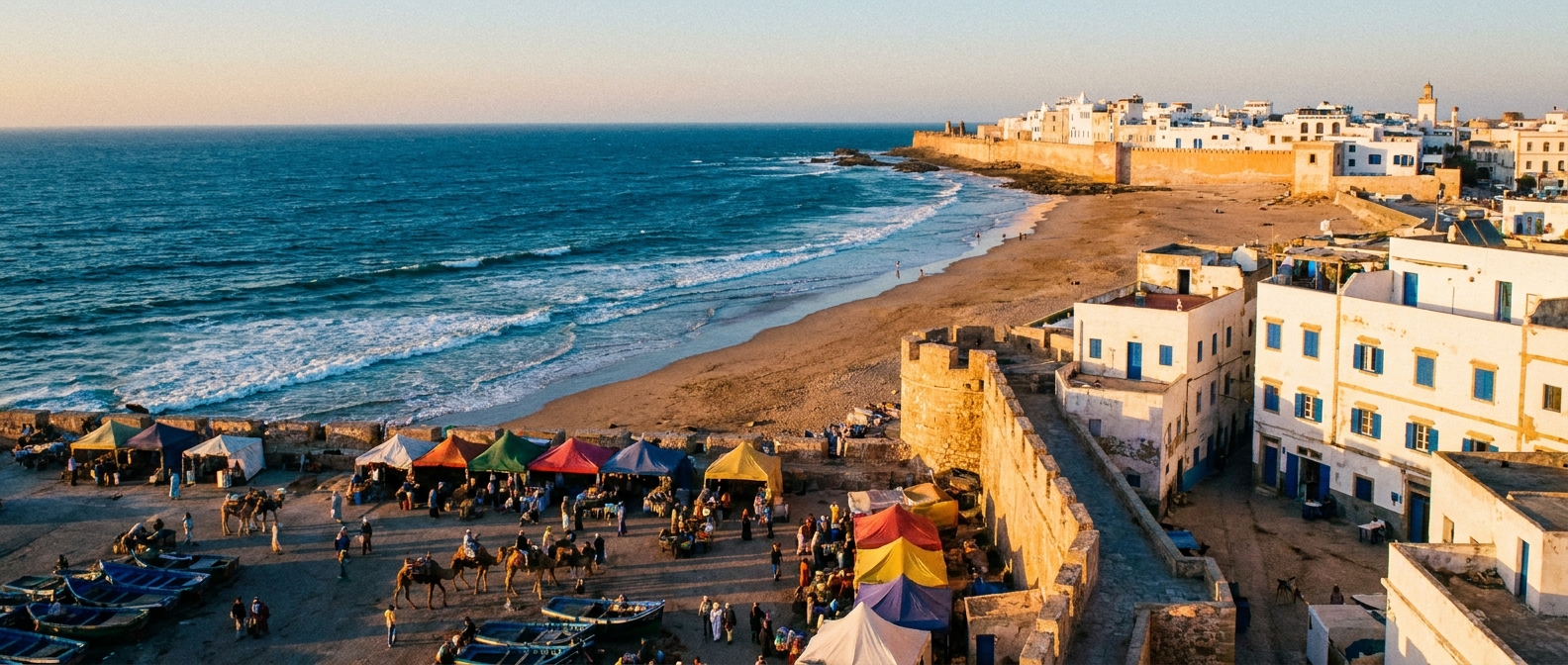
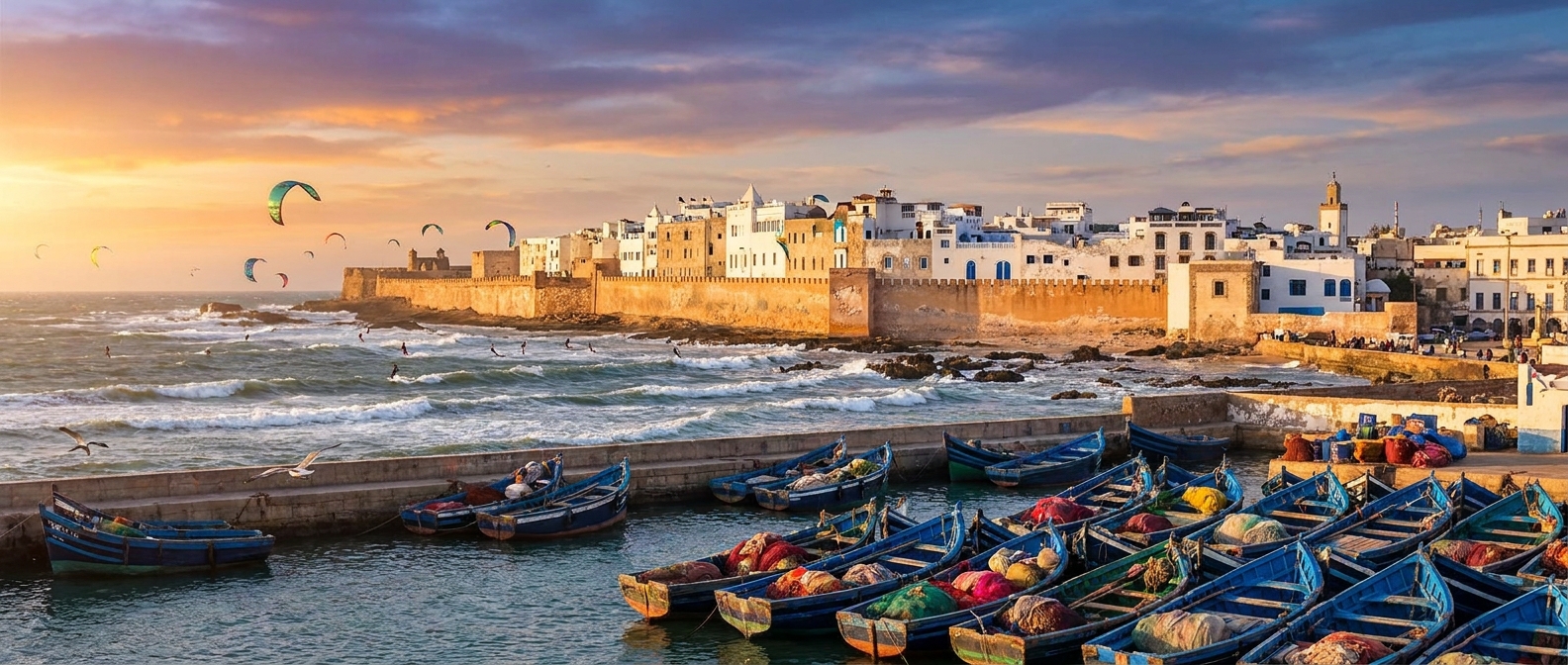
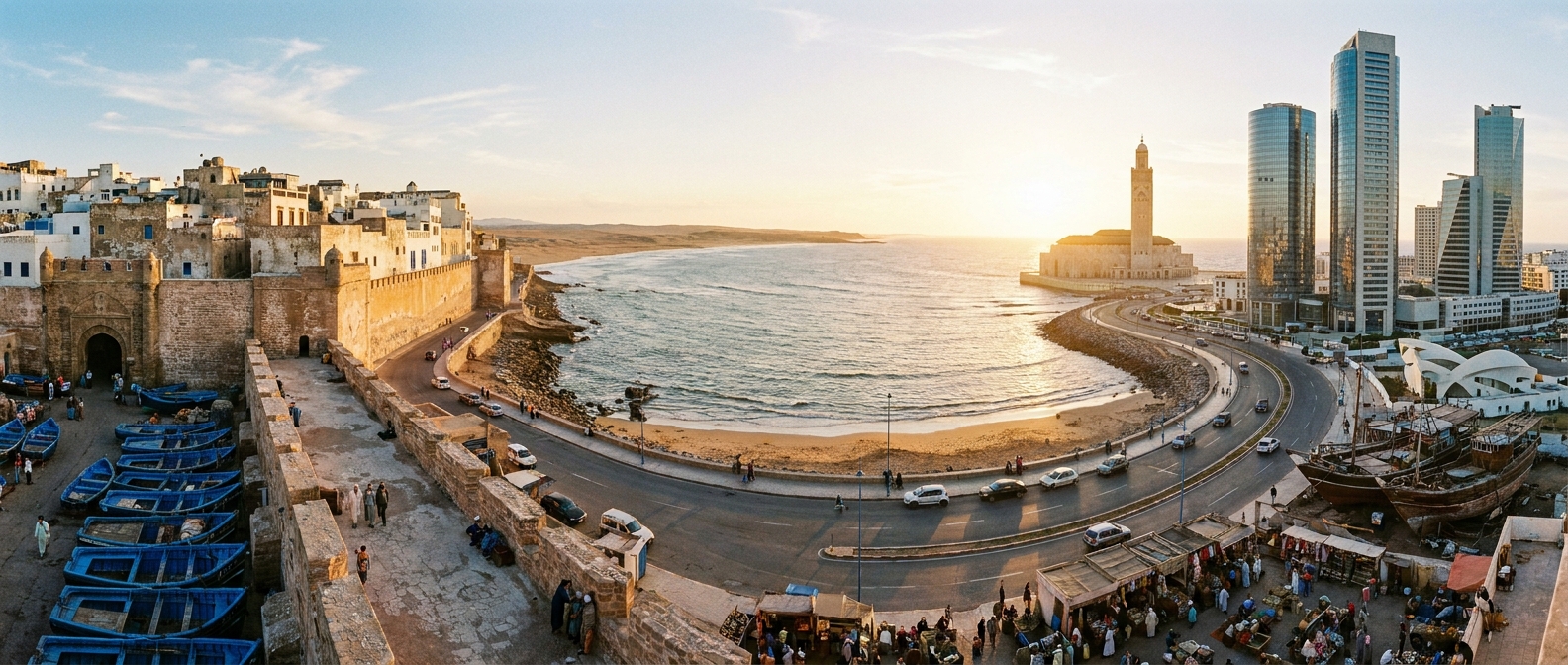
There’s something magical about Essaouira that goes way beyond its windswept beaches and ancient ramparts. Sure, the Atlantic views are stunning — but spend a little time wandering the medina’s narrow alleyways, and you’ll discover something unexpected: a city that pulses with creative energy, where bookshops and art galleries have become as essential to the landscape as the fishing boats bobbing in the harbor.
This coastal Moroccan gem has quietly transformed into a cultural haven for writers, artists, and anyone who gets excited about dusty bookshelves and gallery openings. And honestly? It’s a side of Essaouira that doesn’t get nearly enough attention. So let’s fix that. We’re diving into the city’s literary and artistic heartbeat — the places, the people, and the stories that make this destination truly special.
The Historical Significance of Essaouira
You can’t really understand what Essaouira is today without looking back. The city started life as an 18th-century trading port, and from the very beginning, it was a place where worlds collided. Berber, Arab, European, Jewish — all these influences mixed together, creating something entirely unique. That cultural blending? It’s still visible everywhere, especially in the literature and art you’ll find here.
The medina earned its UNESCO World Heritage status for good reason. Walking through these streets feels like stepping into a living museum, one that’s been carefully preserved but never frozen in time. The bookshops and galleries that have taken root here aren’t just businesses — they’re continuations of a story that’s been unfolding for centuries. They honor old traditions while crafting new narratives for today’s audiences.
The Contemporary Literary Scene
Here’s the thing about bookshops in Essaouira: each one has its own personality. The city hosts somewhere between 5 and 10 major bookshops, and they range from cozy literary hideaways to bustling tourist stops. But one name keeps coming up in conversations with locals and visitors alike — Librairie La Fibule.
Tucked away at 11 Place Moulay Hassan, this family-owned treasure has been doing its thing for over two decades. The collection focuses on local culture, with an impressive selection in both English and French. Walk in, and you might lose an hour just browsing. (It’s happened to plenty of us.) Then there’s Jack’s Kiosk, which caters more to travelers looking for beach reads and local insights. Different vibe, same passion for the written word.
Artistic Spaces and Cultural Exchange
Now, let’s talk art. Essaouira has roughly 15 galleries scattered throughout the medina, and they’re doing some genuinely exciting work. Galerie La Kasbah and Damgaard Gallery are probably the most well-known, but don’t sleep on the smaller spaces tucked down side streets.
What makes these galleries special isn’t just what hangs on the walls — it’s what happens inside them. They’ve become gathering places, really. Local artists meet international visitors. Traditional Moroccan techniques get mixed with contemporary themes. Ideas bounce around. Collaborations spark. It’s less “stuffy museum” and more “creative playground,” and that energy is contagious.
Statistics Highlighting Essaouira’s Cultural Vitality
Let’s put some numbers behind all this enthusiasm. Librairie La Fibule has grown into a genuine community cornerstone over the years, reflecting just how much locals value literature — particularly books exploring Moroccan culture and history. The variety of bookshops creates a healthy reading ecosystem, while the 15-plus galleries keep creative conversations flowing year-round.
But here’s what statistics can’t capture: the feeling you get browsing through a stack of poetry collections while the call to prayer echoes outside, or chatting with a gallery owner who’s been nurturing artists for decades. That’s the real magic, and you have to experience it firsthand.

Expert Insights on the Cultural Significance

Ask anyone who knows Moroccan culture well, and they’ll tell you — places like Librairie La Fibule matter. They’re not just shops; they’re guardians of collective memory. One visitor described stepping inside as “entering a cultural time capsule, where Essaouira’s stories come alive through the pages.”
Art critics say something similar about the galleries. They function as ecosystems, really — living, breathing spaces where creativity feeds on itself. Local painters inspire visiting photographers. Traditional craftspeople collaborate with contemporary designers. This cross-pollination keeps Essaouira’s artistic scene from ever feeling stale or predictable.
The Future: Trends and Challenges
So what’s next for Essaouira’s cultural scene? Recent years have seen growing interest in sustainability and ecological awareness — themes that local artists are weaving into their work. There’s also a renewed focus on preserving traditional craftsmanship while making it relevant for modern audiences. It’s a tricky balance, but many are pulling it off beautifully.
That said, challenges exist. Online retailers offer convenience and competitive prices that small bookshops simply can’t match. Gentrification threatens to price out independent businesses. But — and this is encouraging — many local establishments are adapting. They’re hosting readings, organizing workshops, creating experiences that Amazon can’t replicate. The smart ones understand that their value lies in connection, not just commerce.
Conclusion: A Cultural Hub Worth Discovering
Essaouira deserves its reputation as a stunning coastal destination. But reduce it to just pretty views and you’re missing half the story. This is a city where culture breathes — in the bookshops that preserve Morocco’s literary heritage, in the galleries nurturing the next generation of artists, in the countless small interactions that happen every day between creators and curious visitors.
Yes, the digital age brings challenges. Yes, gentrification looms. But there’s something resilient about Essaouira’s creative community. They’ve been adapting and innovating for centuries, after all. As long as there are people who believe stories matter — told through books, through paintings, through conversations over mint tea — this city will keep thriving as a beacon of cultural exchange.
Frequently Asked Questions
What is the significance of Librairie La Fibule in Essaouira?
Think of it as the cultural heart of Essaouira’s literary scene. This family-owned bookshop specializes in Moroccan culture, history, and contemporary writing, attracting everyone from serious scholars to curious tourists. It’s been a community fixture for over 20 years — and for good reason.
How many art galleries are there in Essaouira?
Around 15 galleries call Essaouira home, ranging from established institutions to intimate exhibition spaces. Together, they create a vibrant network that keeps local and contemporary art accessible and thriving.

What challenges do local bookstores in Essaouira face?

The usual suspects: online competition offering lower prices and endless selection, plus rising rents as gentrification creeps through the medina. It’s tough for independent shops everywhere, but Essaouira’s bookstores are fighting back with community events and experiences you can’t get online.
How is Essaouira attracting younger audiences to literature and art?
Smart programming, basically. More readings, more hands-on workshops, more events designed specifically for younger visitors. The goal is to make literature and art feel relevant and exciting — not like homework. And from what we’ve seen, it’s working.