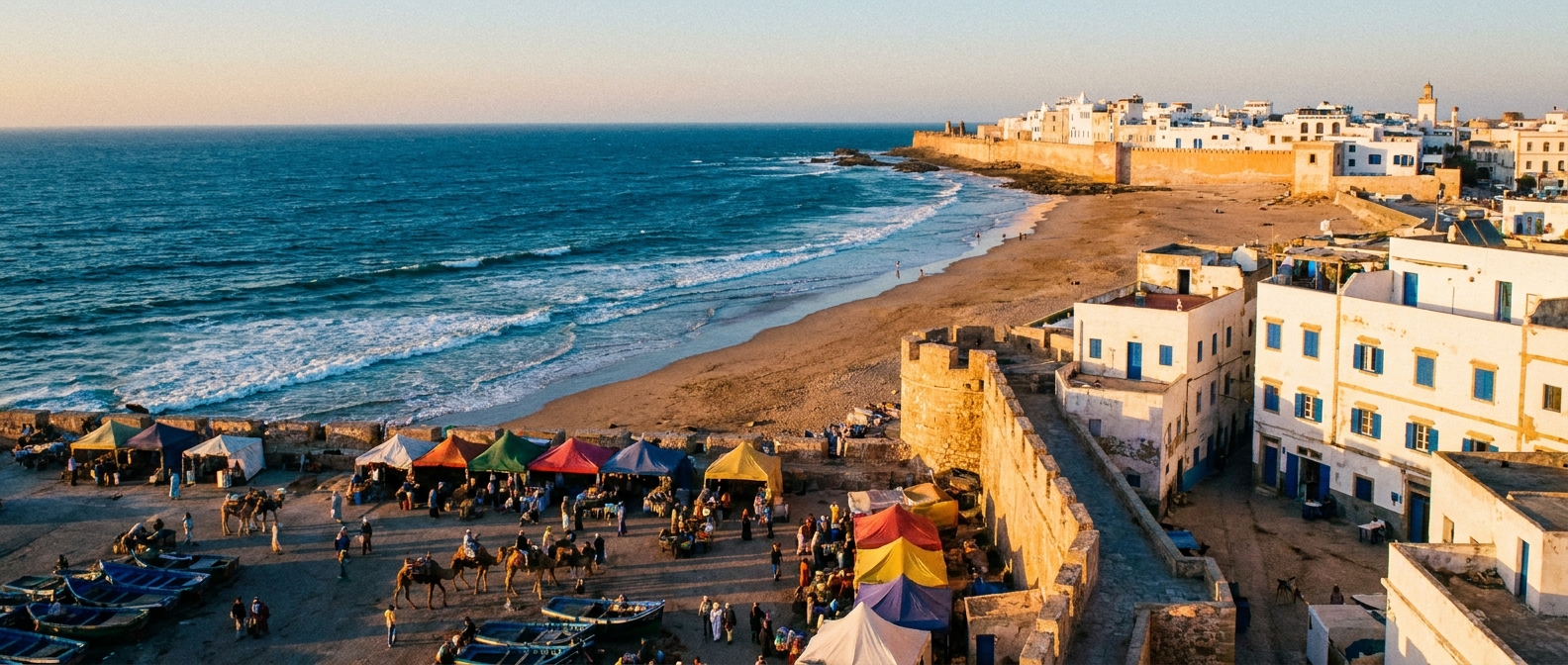
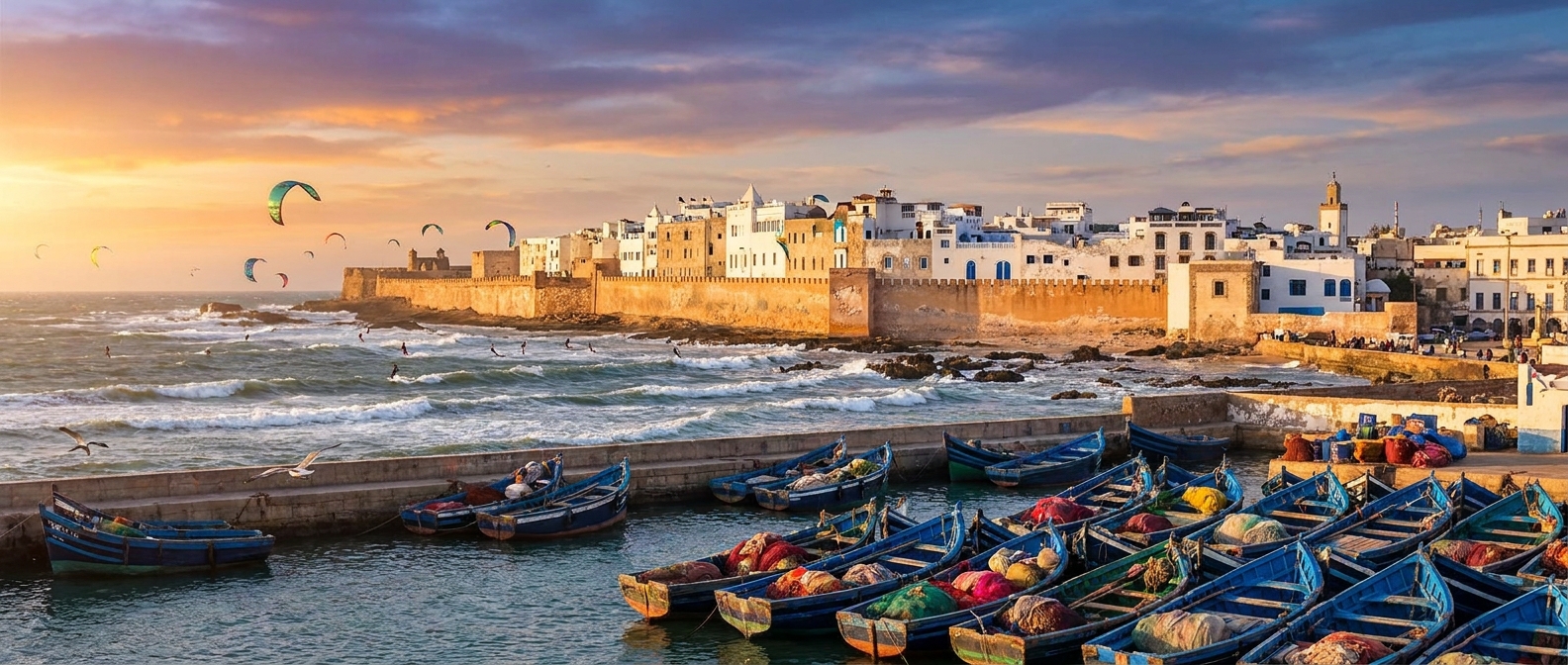
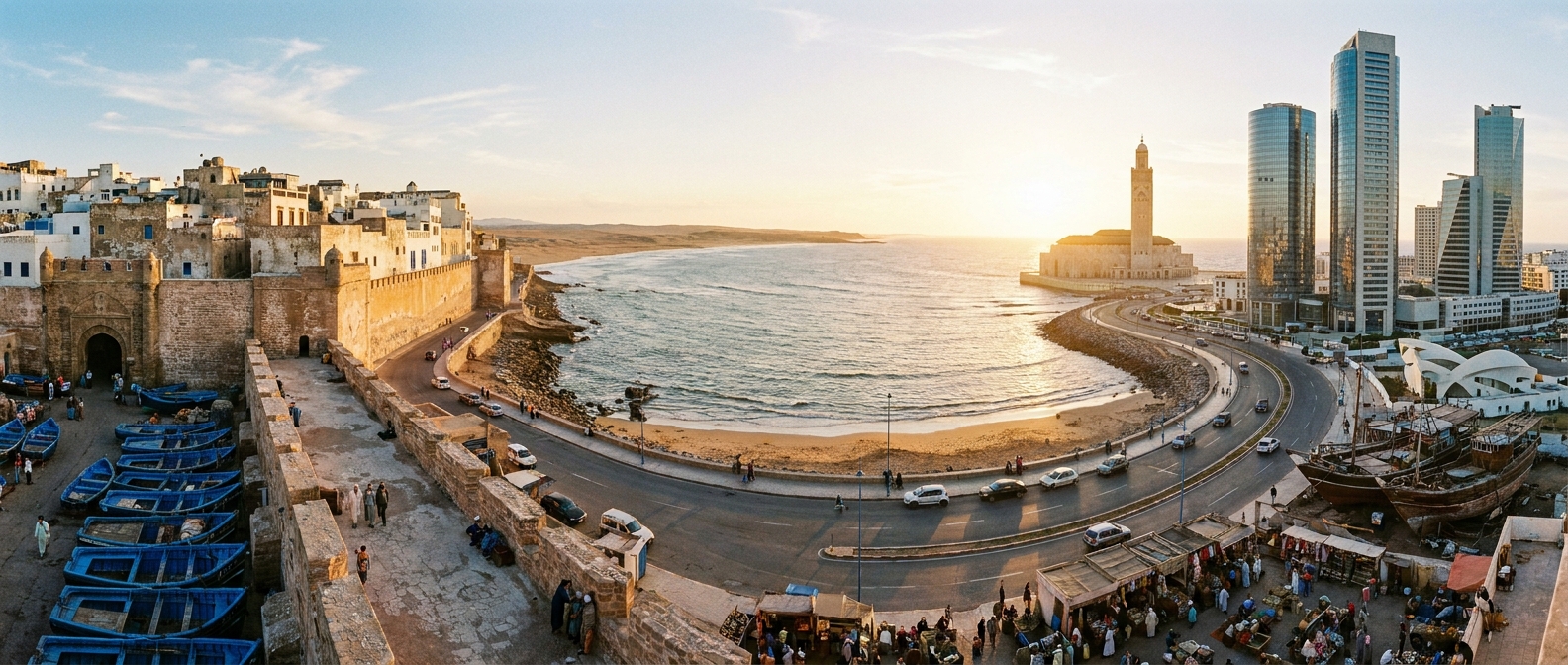
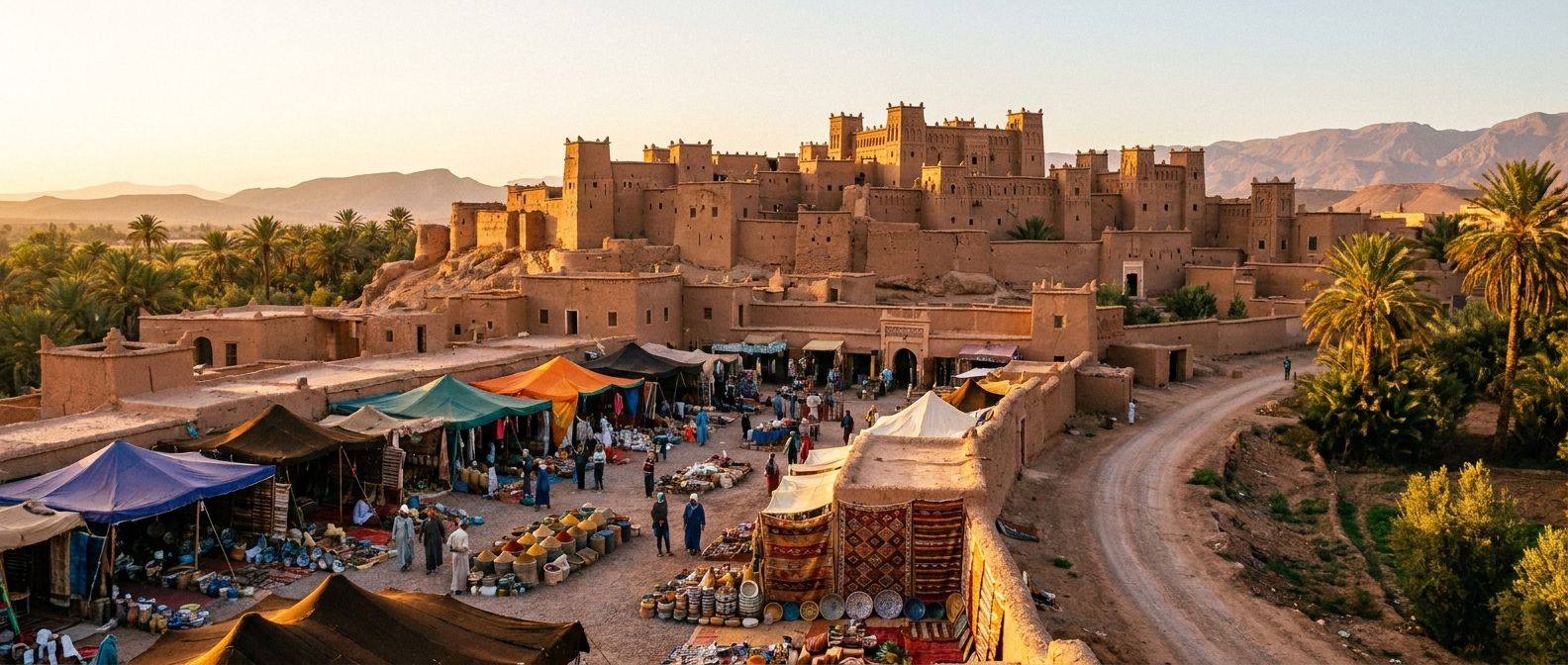
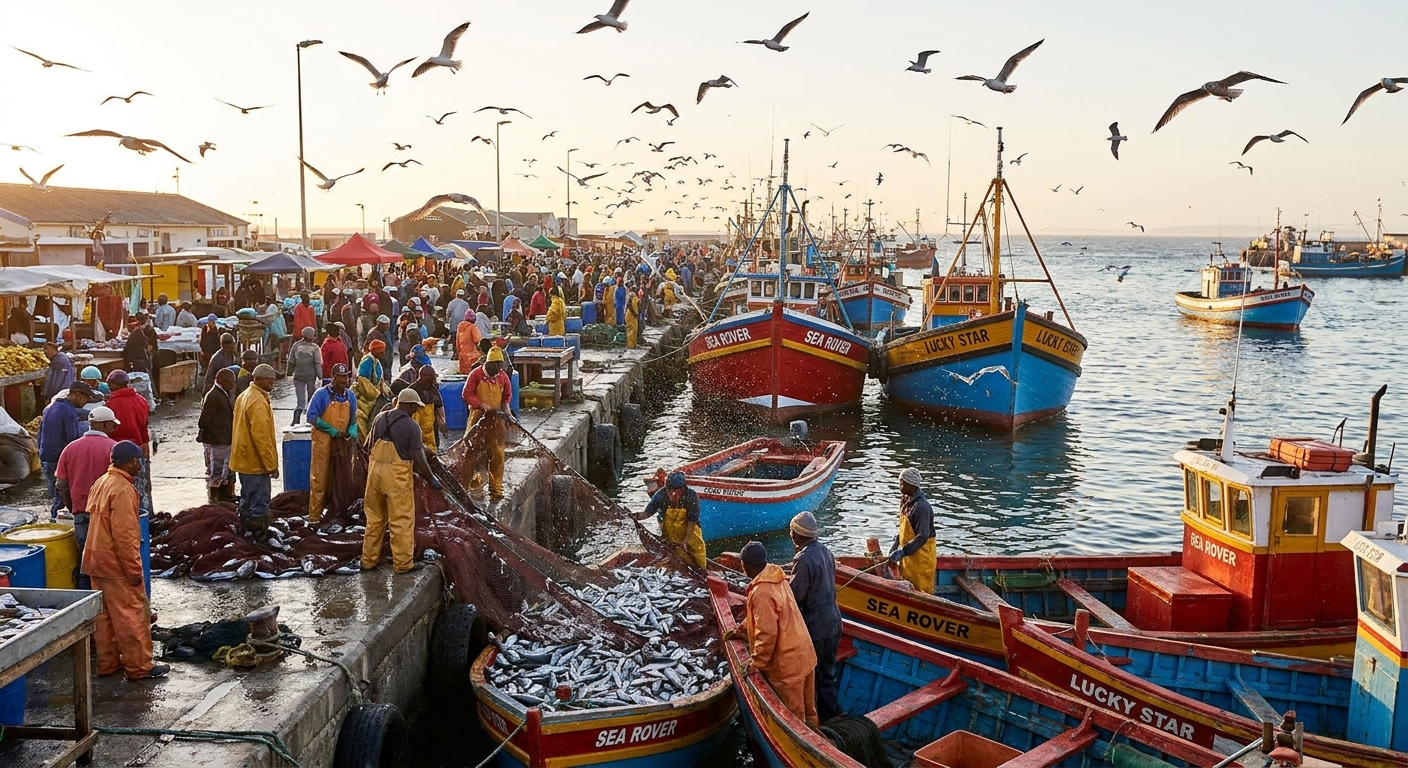
There’s something about Essaouira that gets under your skin. Maybe it’s the way the Atlantic breeze carries the scent of salt and spices through winding medina streets. Or perhaps it’s watching local fishermen haul in their catch while seagulls circle overhead. Whatever it is, this Moroccan coastal gem has a way of staying with you long after you’ve left.
But here’s the thing — when you visit matters. A lot, actually. Essaouira’s temperate, ocean-influenced climate makes it welcoming pretty much year-round, but each season brings its own personality. Some months are perfect for beach lounging, others for festival-hopping, and a few? Well, let’s just say the famous winds might have other plans for you. In this guide, we’ll walk through everything you need to know about timing your trip right — from weather patterns to crowd levels to those can’t-miss local events.
A Brief History of Essaouira
Before it became the laid-back artists’ haven you see today, Essaouira was known as Mogador — a name that still echoes through its history books dating back to the 7th century. The town’s prime coastal position turned it into a crossroads of cultures. Portuguese traders, Berber merchants, Jewish artisans — they all left their mark here, layering the city with influences you can still feel walking through its streets.
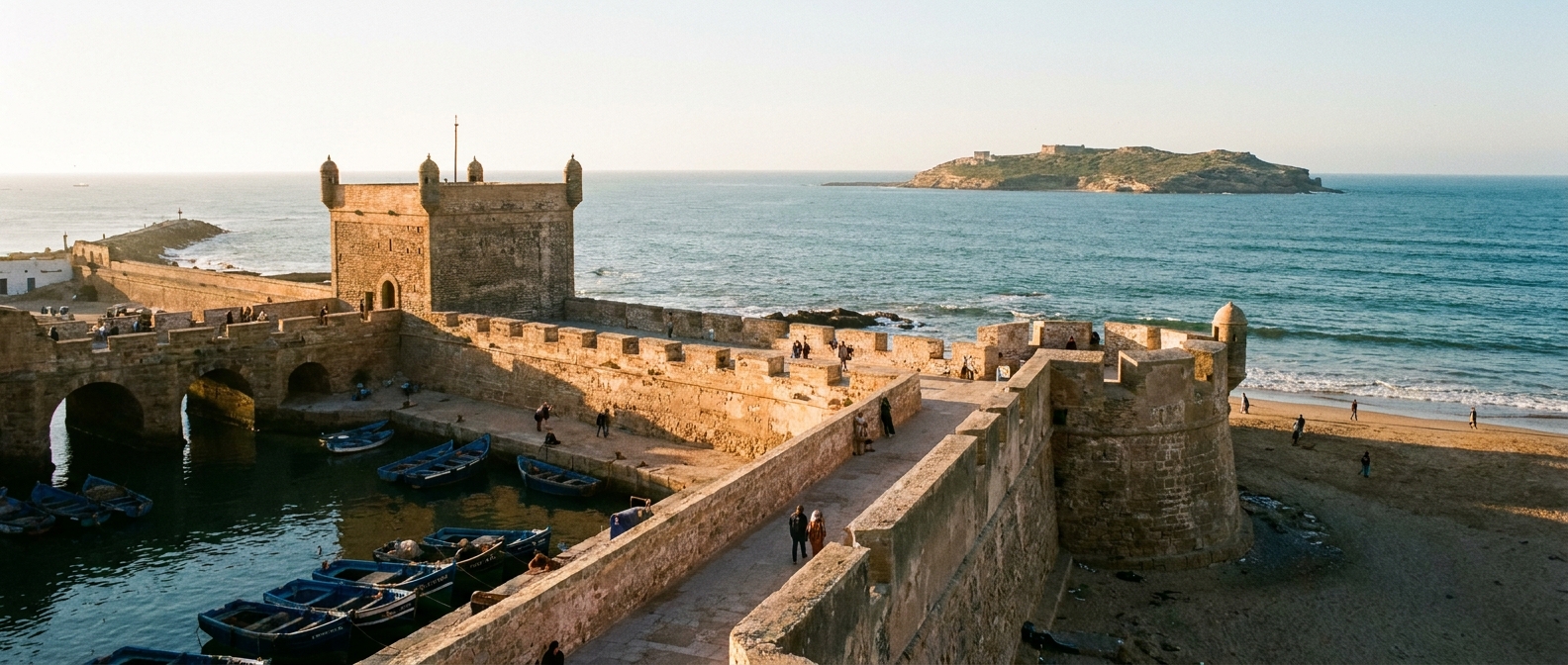
The real transformation came in the 18th century when Sultan Mohammed III decided this spot deserved something special. He fortified the town, boosting its role in both trade and defense. Fast forward to today, and those same ramparts now carry UNESCO World Heritage status. You can literally run your hands along walls that watched centuries of commerce and conquest unfold.
What strikes most visitors is how alive that history feels. This isn’t some dusty museum town — it’s a working, breathing community where traditional craftspeople still ply their trades and musicians gather to play genres their grandparents taught them. Knowing this backstory? It transforms a simple stroll through the medina into something much richer.
Understanding Essaouira’s Current State
As of 2026, Essaouira continues to punch well above its weight as a travel destination. Summer temperatures hover around a pleasant 25°C (77°F) — warm enough for beach days but without that oppressive heat you’ll find inland. That constant ocean breeze? It’s not just refreshing; it’s practically the town’s trademark. Windsurfers and kitesurfers travel from around the globe specifically for those reliable Atlantic gusts.
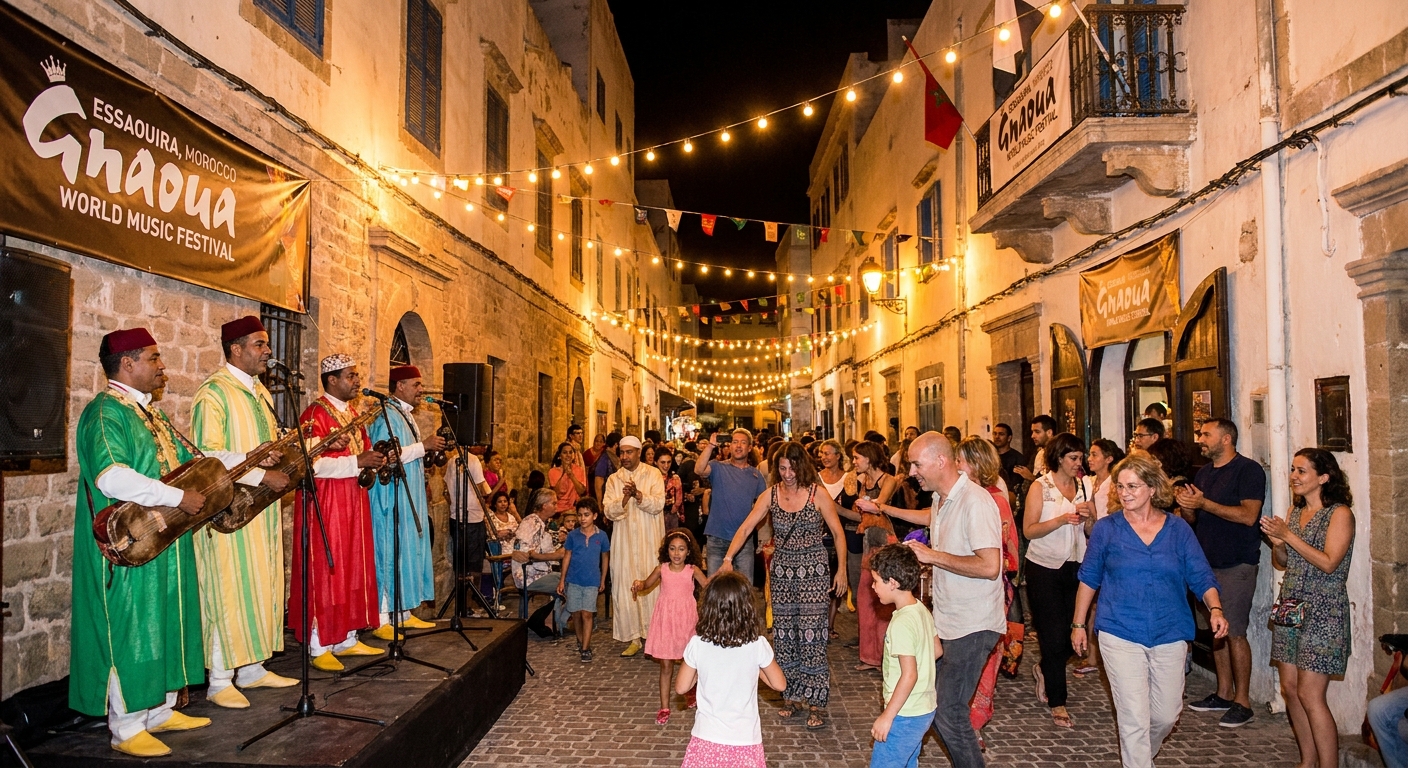
June brings the Gnaoua World Music Festival, and honestly, it’s worth planning your entire trip around. Picture this: hypnotic trance music echoing through ancient streets, international artists jamming alongside local masters, the whole town transformed into one giant celebration. If you’re after something mellower, the shoulder seasons — spring (April through June) and autumn (September to October) — offer that sweet spot of good weather and elbow room that seasoned travelers seek out.
Key Climate Statistics
Numbers tell part of the story, so let’s look at what you’re actually dealing with:
- Temperatures: You’re looking at averages from 19°C (66°F) in January up to 25°C (77°F) come August. Nights stay comfortable — no sweating through your sheets here.
- Rainfall: About 300 mm (11.8 inches) annually, with most falling between November and April. Summers? Reliably dry.
- Wind: This is where it gets interesting. April through September brings the famous trade winds — fantastic if you’re into water sports, potentially frustrating if you just want to lounge on the beach without sand in your sandwich.
Knowing these patterns helps you pack smart and set realistic expectations. There’s nothing worse than arriving for a beach holiday only to discover it’s peak wind season (and yes, this happens more often than you’d think).
Expert Travel Insights
Ask anyone who’s spent serious time in Essaouira, and they’ll tell you the same things:
- Best months: September and October win hands down. The summer heat has mellowed, the wind has calmed, and the crowds have thinned. It’s Essaouira at its most relaxed.
- Alternative sweet spot: April through June works beautifully for culture lovers. Temperatures are pleasant, local life is buzzing, and you might catch the tail end of some incredible festivals.
- Think twice about peak summer: July and August bring both crowds and wind. If packed restaurants and gale-force gusts sound exhausting rather than exciting, you might want to look at other dates.
Timing your visit with these recommendations means more space at popular spots, easier restaurant reservations, and a generally more chilled-out vibe throughout the town.
One more tip: if there’s a festival that catches your eye, build your trip around it. Experiencing Essaouira during the Gnaoua Festival or a local moussem (religious celebration) adds layers of meaning to your visit that regular sightseeing simply can’t match. You’ll eat better, hear better music, and connect with locals in ways that just don’t happen during quiet weeks.
Emerging Trends in Tourism
Something’s shifting in how people travel here — and it’s mostly good news. Eco-tourism and sustainable travel have moved from buzzwords to actual practice. Local artisans are getting more visibility. Organic farms outside town are welcoming visitors. The old “fly in, take photos, fly out” approach is giving way to something more thoughtful.
This shift has spawned a whole ecosystem of wellness retreats, hands-on art workshops, and cultural immersion programs. Travelers aren’t just passing through anymore; they’re staying longer, learning traditional crafts, joining cooking classes, even participating in local conservation efforts. It’s tourism that actually gives back — and ensures Essaouira’s character survives rather than gets diluted by mass tourism.
Challenges Facing Essaouira
Let’s be honest about the not-so-rosy parts. More visitors means more pressure on a small town that wasn’t exactly designed for modern tourism volumes. The medina’s narrow streets can feel overwhelmed during peak times. Traditional markets sometimes struggle to balance authentic local commerce with tourist expectations. The environment takes hits too — more people means more strain on water, waste systems, and natural spaces.
And those famous winds? They’re a double-edged sword. Sure, they’ve built Essaouira’s reputation as a water sports paradise. But they can also turn a planned beach day into an indoor afternoon pretty quickly. Understanding these realities isn’t meant to discourage you — it’s about arriving prepared and making choices that support rather than strain this special place.
Conclusion
So, what’s the verdict? If you want the best overall experience, aim for September or October. Warm days, manageable winds, fewer tourists fighting for the same sunset photos — it’s hard to beat. Spring months (April through June) come in as a strong second choice, especially if cultural events and mild weather rank high on your priorities.
Just remember: those legendary summer winds are no joke for beach plans, so factor that into your activities if you’re visiting between April and September. Whether you’re chasing waves, hunting for handmade treasures in the souks, or simply wanting to lose yourself in a place where history and present coexist beautifully — Essaouira delivers. Pick your timing wisely, and you’re in for something unforgettable.
Frequently Asked Questions
When is the best time to visit Essaouira?
September and October tend to be ideal — you get warm, comfortable weather without the intense winds or crowds that characterize summer months. It’s Essaouira at its most easygoing.
What is the weather like in Essaouira?
Think mild Mediterranean vibes year-round. Winter temperatures average around 19°C (66°F), while summer peaks at about 25°C (77°F). That ocean influence keeps things comfortable even when the rest of Morocco is sweltering.
Are there any festivals in Essaouira?

Absolutely — and they’re worth planning around. The Gnaoua World Music Festival every June is the headliner, drawing musicians and music lovers from across the globe to celebrate the town’s rich musical traditions.
What outdoor activities can I do in Essaouira?
Take your pick: swimming, surfing, kitesurfing, windsurfing (this is mecca for wind sports), wandering through centuries-old markets, exploring the ramparts and medina, or just people-watching over mint tea. There’s plenty to keep you busy — or nothing at all, if that’s more your speed.