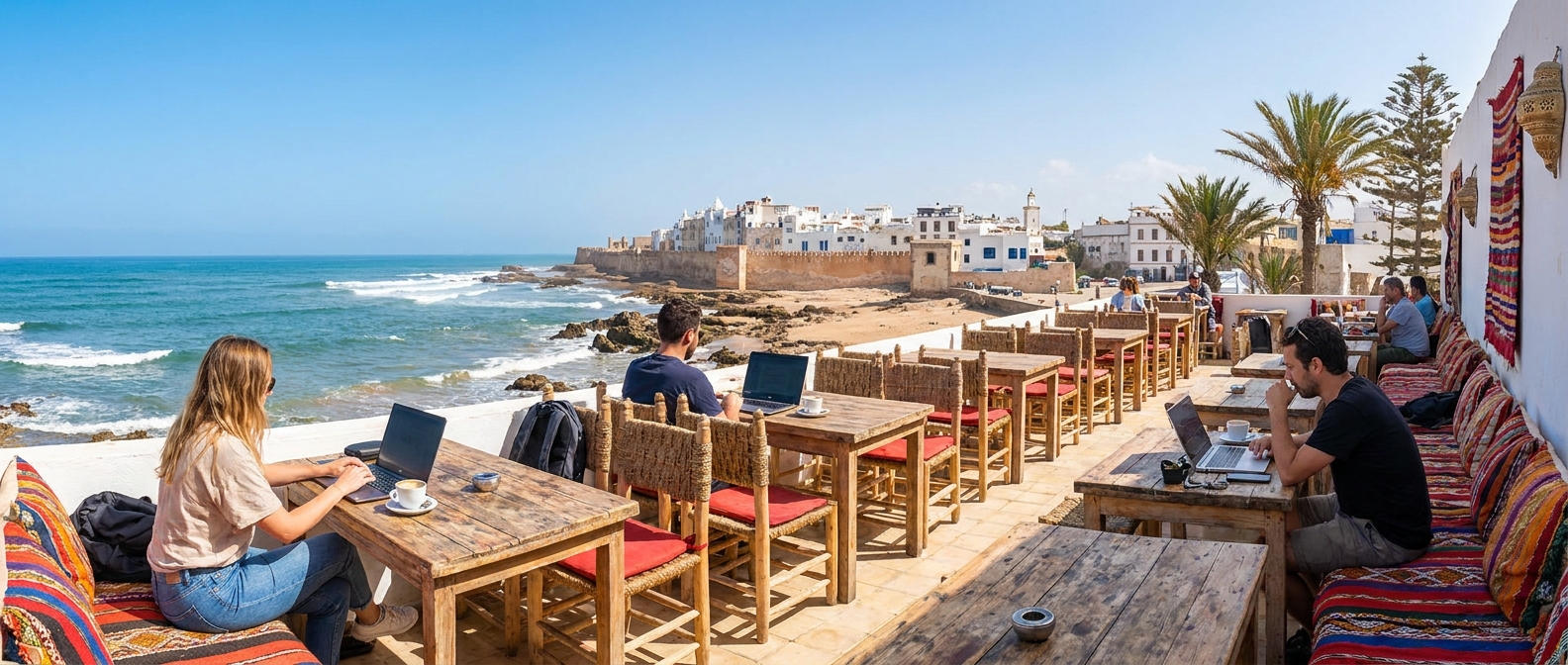
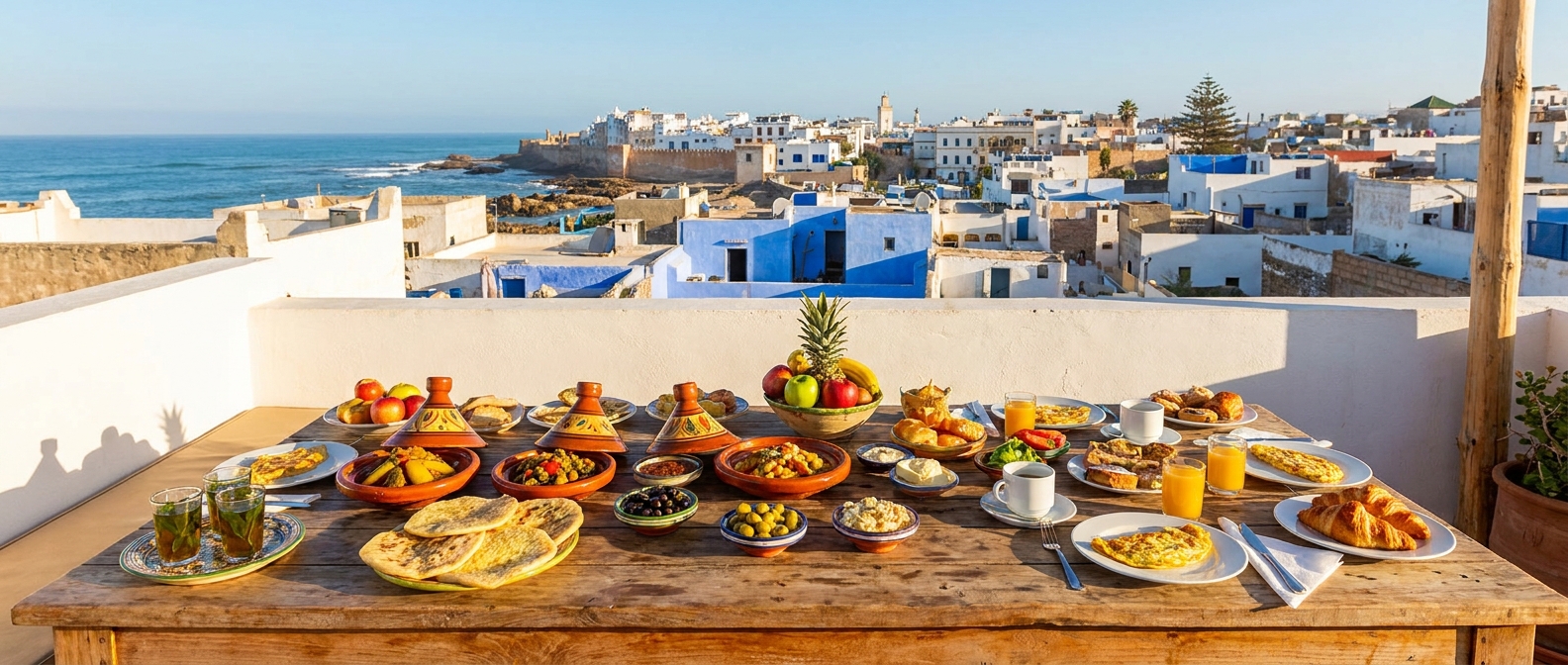
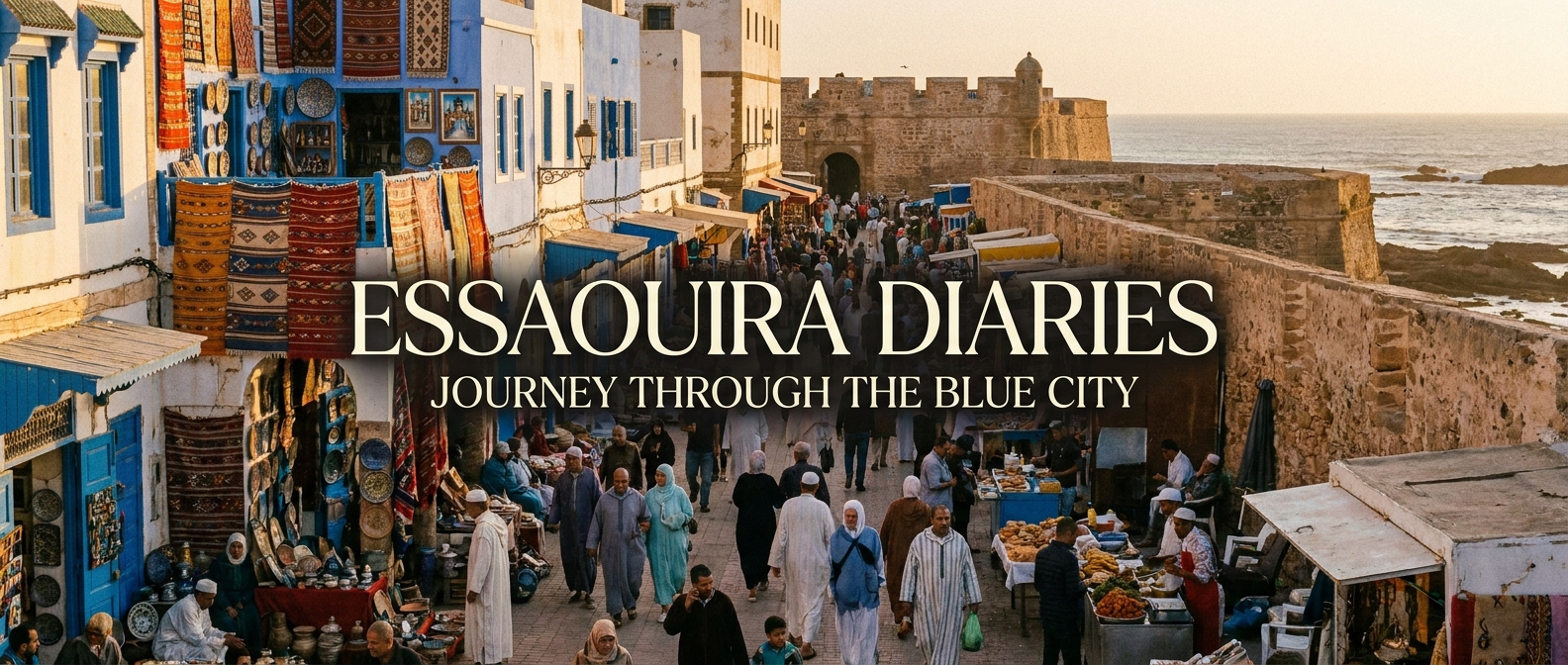
There’s something magical about getting lost in a place that feels like it belongs in another century. Essaouira, perched on Morocco’s windswept Atlantic coast, is exactly that kind of place. Its medina—a UNESCO World Heritage Site—pulses with life, drawing roughly 10,000 curious souls through its narrow alleyways each day. And honestly? It’s easy to see why.
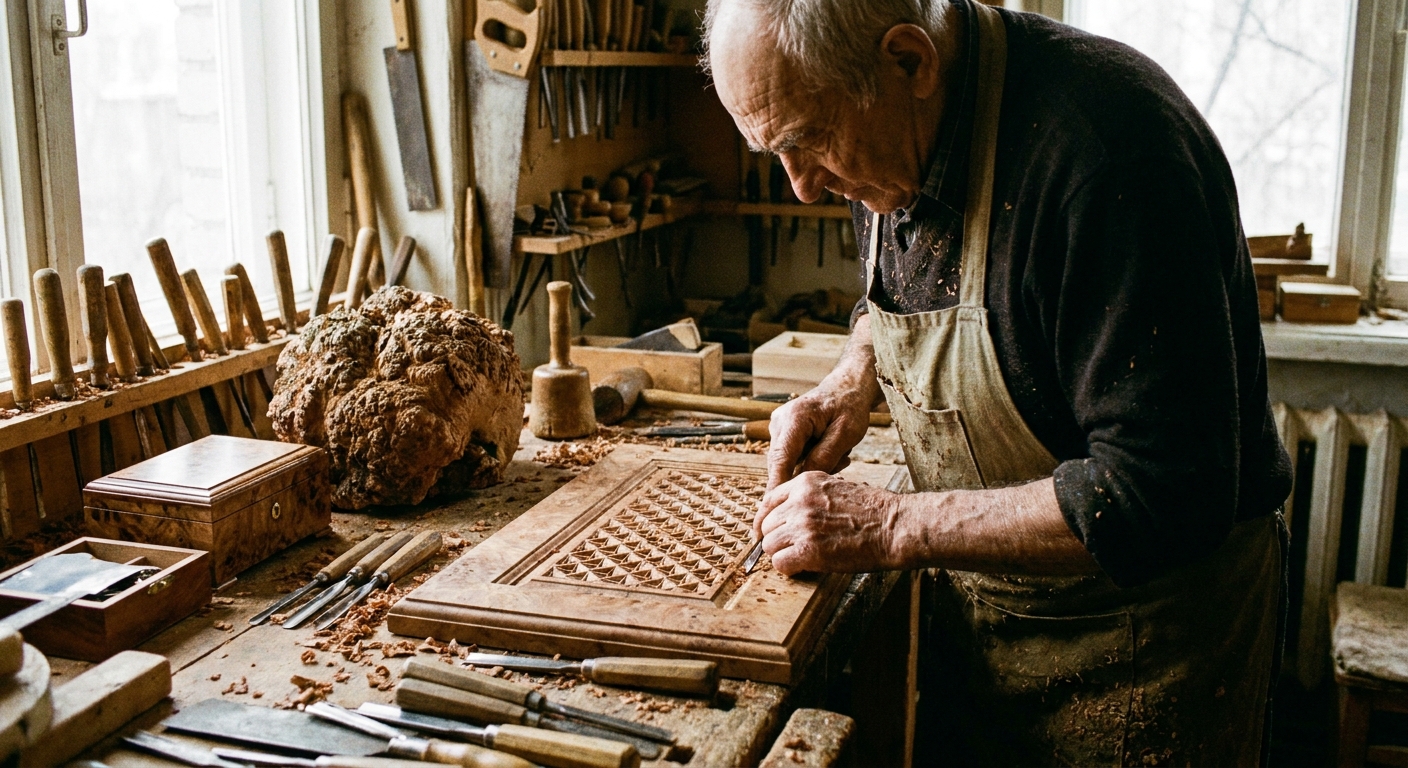
Every twist and turn here reveals something unexpected: a woodworker shaping thuya into intricate patterns, a spice merchant arranging pyramids of saffron and cumin, or a hidden courtyard where cats doze in the afternoon sun. If you’re planning to wander these streets (and you absolutely should), routes along Avenue Mohammed Zerktouni and Rue Laalouj will guide you through the best of what this labyrinthine old town has to offer.
Historical Significance of Essaouira
Here’s the backstory: Sultan Mohammed III founded Essaouira back in the 18th century, envisioning a fortified trading port that would open Morocco to the world. What emerged was something extraordinary—a city where European military architecture meets traditional Moroccan design. You’ll notice it immediately in those whitewashed buildings with their distinctive blue shutters and doorways.
Over the centuries, Essaouira became a magnet for creative types. Artists, musicians, writers—they all found inspiration in these salt-kissed streets. Jimi Hendrix reportedly fell in love with the place (though the locals might embellish exactly how long he stayed). When UNESCO recognized the medina in 2001, it confirmed what visitors had known for decades: this town is special. Walking here feels less like sightseeing and more like time travel.
Current State of Essaouira Medina
Fast forward to today, and Essaouira has found its groove. The medina buzzes with that perfect blend of old-world charm and modern awareness. Artisan workshops still line the streets—you can watch craftspeople create those famous thuya wood boxes and traditional textiles just as their grandparents did. But there’s also a growing commitment to sustainable tourism that’s reshaping how visitors experience the city.
The good news? Getting around has never been easier or safer. Well-marked walking routes now wind through the medina, making exploration accessible whether you’ve traveled extensively or this is your first adventure abroad. You won’t need a guide to appreciate what’s here—though having one certainly adds depth. The sights, sounds, and smells speak for themselves.
Popular Walking Routes and Hidden Gems
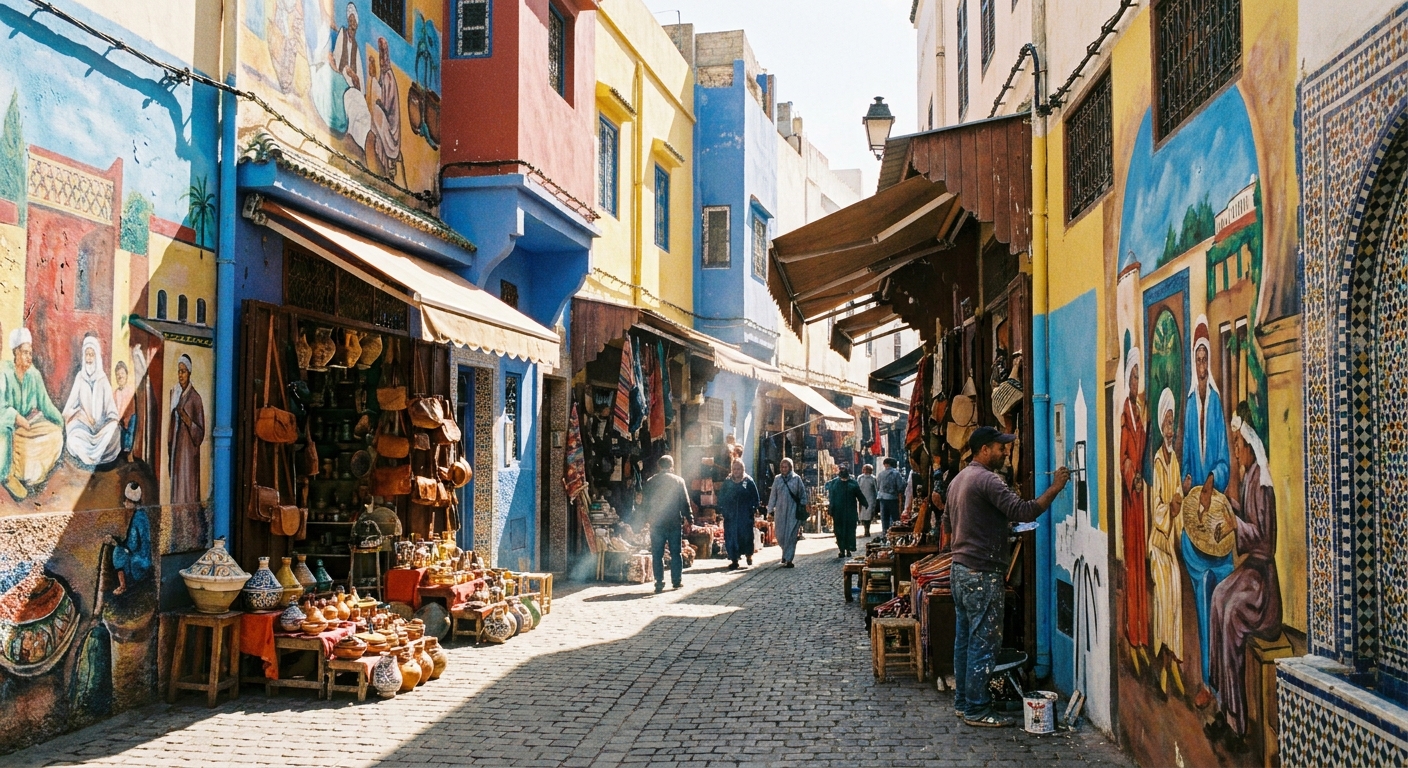
Ask any local travel expert where to start, and they’ll likely point you toward Rue Laalouj. This street is pure eye candy—think vibrant building facades, intricate murals, and tiny artisan shops that practically beg you to step inside. It’s the kind of place where you’ll burn through your camera storage without realizing it.
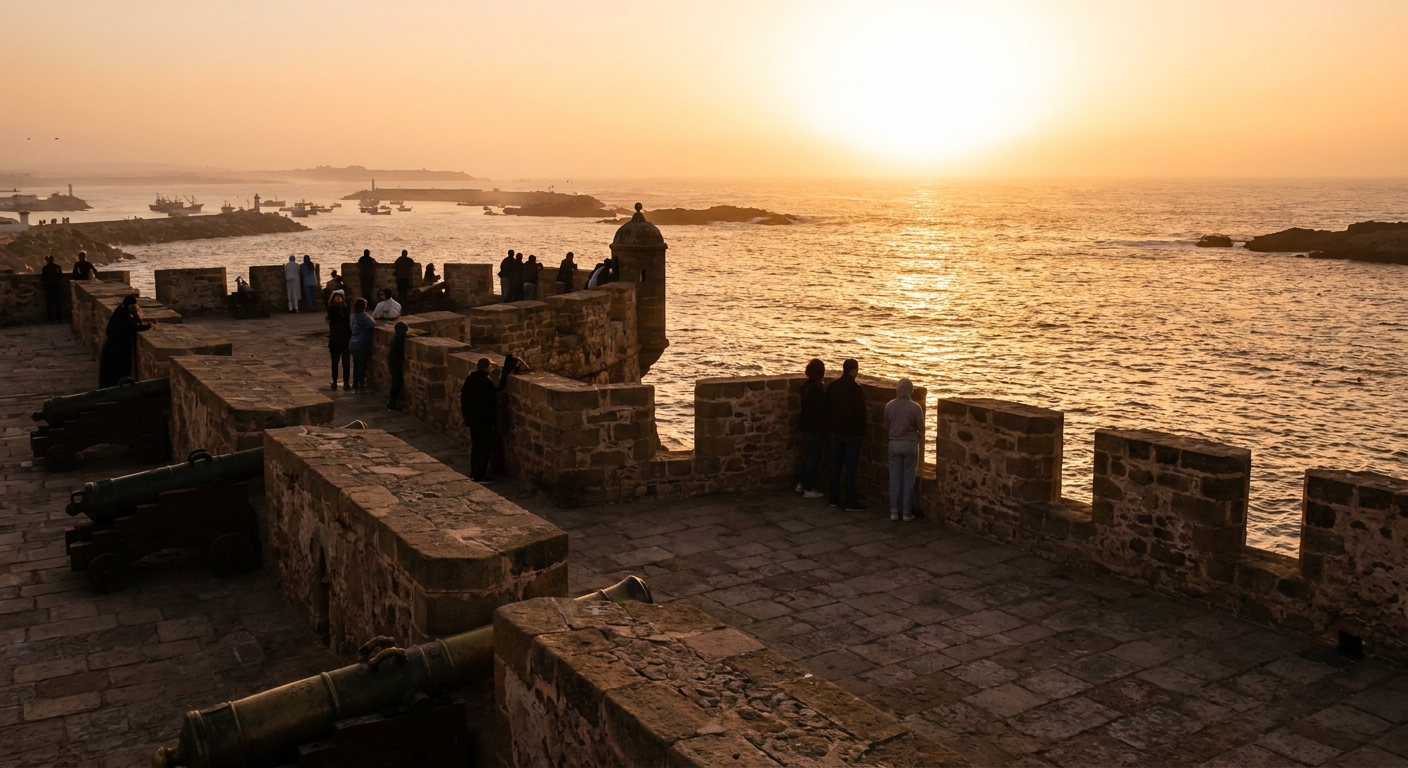
Then there’s Avenue Mohammed Zerktouni, the medina’s bustling main artery. Markets spill onto the sidewalks here, selling everything from hand-ground spices to leather goods that actually smell like leather (the real deal, not that plastic-coated stuff). But don’t leave without visiting Skala de la Ville. This rampart promenade offers sweeping Atlantic views that turn absolutely golden at sunset. Trust me on this one—time your walk accordingly.
Embracing Sustainable Tourism
Something’s shifting in how people travel here, and it’s genuinely encouraging. More visitors want to explore responsibly, to connect with local culture rather than just consume it. Tour operators have caught on, developing self-guided itineraries that direct tourist dollars toward community businesses while enriching the overall experience.
The real treasures? They’re often off the beaten path. Take Rue Mohamed El Qorry, for instance. It’s quieter, more residential, and offers glimpses of daily Essaouira life that you simply won’t find on the main drags. These lesser-known streets reveal the authentic heartbeat of the city—neighbors chatting over mint tea, children playing soccer against ancient walls, the unhurried rhythm of a community that’s been here for generations.
Challenges Facing Essaouira Medina
Let’s be honest: popularity comes with complications. During peak season, the medina’s narrow streets can feel overwhelmingly crowded. That atmospheric charm you came for? It’s harder to find when you’re shuffling behind tour groups. Tourism fuels the local economy—no question—but the growing pains are real.
Gentrification poses another concern. As visitor numbers climb, property values follow, sometimes pushing out the longtime residents and family businesses that give the medina its soul. Local stakeholders are wrestling with a tricky question: how do you welcome the world without losing yourself in the process? There’s no easy answer, but the conversation itself matters.
Key Takeaways and Next Steps
So what should you take away from all this? The streets of Essaouira Medina—particularly Rue Laalouj and Avenue Mohammed Zerktouni—deliver genuinely rich cultural experiences. Local craftsmanship thrives here, and sustainable tourism initiatives are gaining real momentum. That said, challenges like overcrowding and gentrification deserve attention from anyone who hopes this place will remain special for future visitors.
When you go (and you really should go), venture beyond the obvious. Seek out Rue Mohamed El Qorry. Linger at Skala during golden hour. Chat with shopkeepers. Drink too much mint tea. The real magic of Essaouira isn’t found in checking boxes—it’s discovered in the unplanned moments, the unexpected conversations, the streets you stumble upon by accident. What will your wander reveal?
Frequently Asked Questions
What makes Essaouira Medina a UNESCO World Heritage Site?
The medina earned its UNESCO designation in 2001 thanks to its remarkable historical importance and unique architectural blend—think European military fortifications meeting traditional Moroccan style. For centuries, it served as a major hub for commerce and cultural exchange, and that legacy remains beautifully preserved today.
What are the best streets to walk in Essaouira Medina?
You can’t go wrong with Rue Laalouj—it’s photogenic, filled with artisan shops, and captures the medina’s essence perfectly. Avenue Mohammed Zerktouni is your go-to for market browsing and people-watching. Both offer distinctly different vibes, so explore them both if time allows.
How is Essaouira promoting sustainable tourism?
The city has embraced responsible travel through various initiatives, including self-guided itineraries that encourage deeper engagement with local culture. These programs aim to spread economic benefits throughout the community while helping visitors connect more authentically with Essaouira’s traditions.
What challenges does Essaouira Medina face?
Peak-season overcrowding tops the list—those atmospheric streets get packed. There’s also growing concern about gentrification, as rising property values threaten to displace longtime residents and traditional businesses. Balancing tourism growth with cultural preservation remains an ongoing challenge.