There’s something almost magical about walking through an ancient gate that’s welcomed travelers for centuries. Bab Doukkala Essaouira is exactly that kind of place — a grand entrance to one of Morocco’s most captivating medinas and a UNESCO World Heritage Site that truly lives up to the hype.
With its striking horseshoe arch and weathered stone walls, this gate isn’t just a pretty photo opportunity. It’s a living piece of history that tells the story of trade routes, cultural exchanges, and the countless merchants, artists, and adventurers who’ve passed beneath its arch over the years.
So why do travelers keep coming back to Essaouira? The answer’s simple: it offers that rare combination of historical depth, creative energy, and coastal charm — all wrapped up in an atmosphere that’s refreshingly laid-back compared to Morocco’s busier cities. And understanding places like Bab Doukkala? That’s what transforms a quick visit into something you’ll actually remember.
The Historical Significance of Bab Doukkala
Built in the 18th century, Bab Doukkala (you might also hear locals call it Bab Sidi Bouzerktoun or Bab Safi) was designed with two purposes in mind. First, it needed to protect the city from potential invaders. Second, it served as the main entry point for travelers arriving from the Doukkala region and Marrakech.
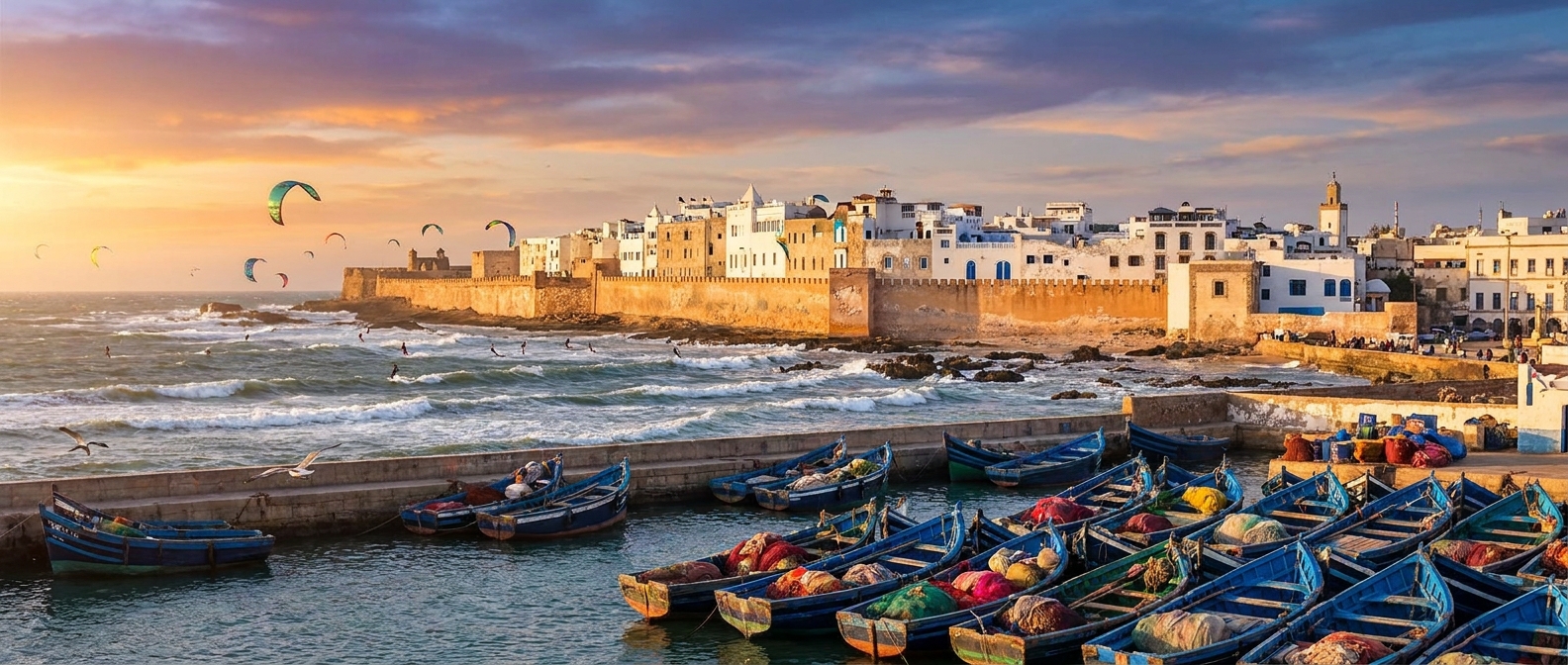
Back then, Essaouira wasn’t the relaxed beach town it is today. It was a bustling port city where Arabs, Berbers, and European traders rubbed shoulders in the markets, and fortunes were made and lost with each arriving ship. The gate watched over all of it.
The architecture itself is distinctly Moroccan — intricate geometric patterns, solid defensive walls, and that iconic arch framing views of the medina beyond. Stand beneath it at the right moment, and you can almost hear the echoes of centuries past.
Current State and Visitor Experience
Here’s the thing about Bab Doukkala today: it’s still very much alive. Not in a preserved-behind-glass museum way, but as a genuine thoroughfare where daily life unfolds right before your eyes. Locals heading to work, children running through on their way to school, and yes — plenty of camera-toting visitors trying to capture that perfect shot.
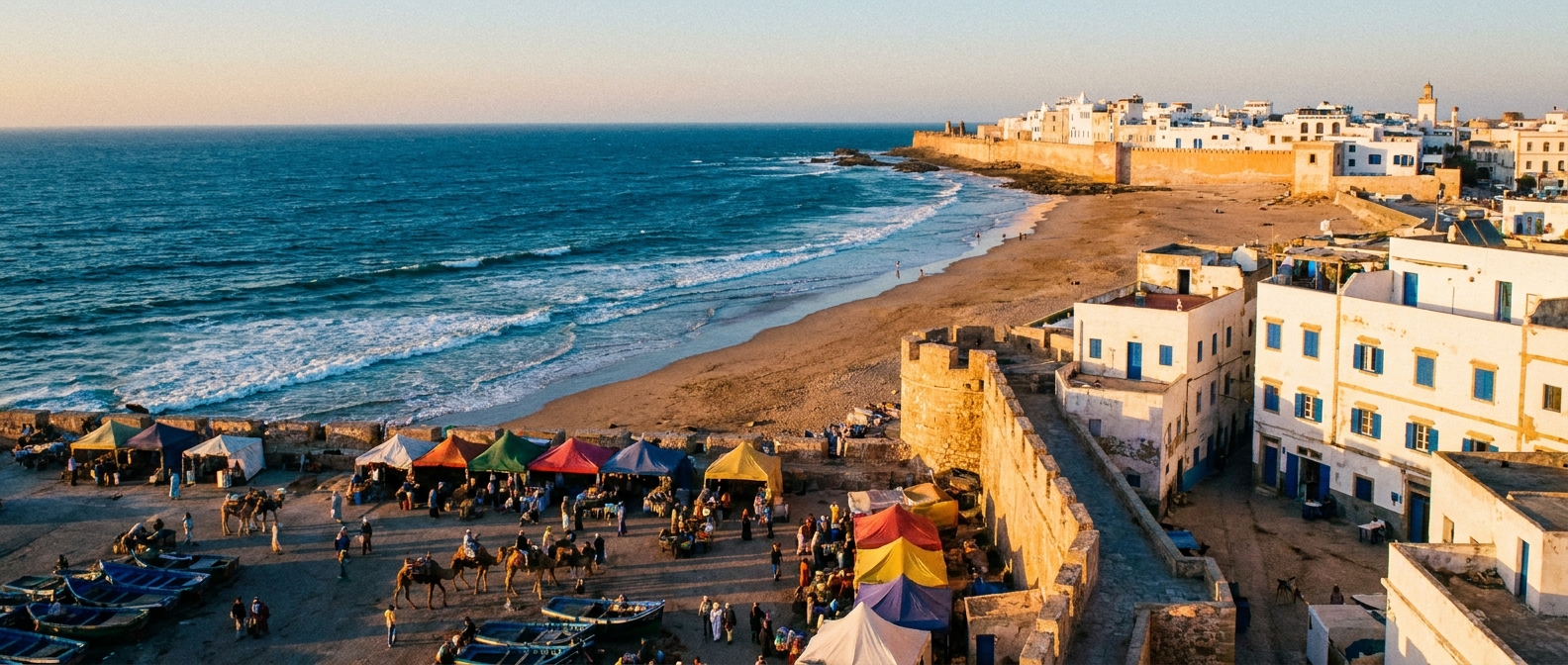
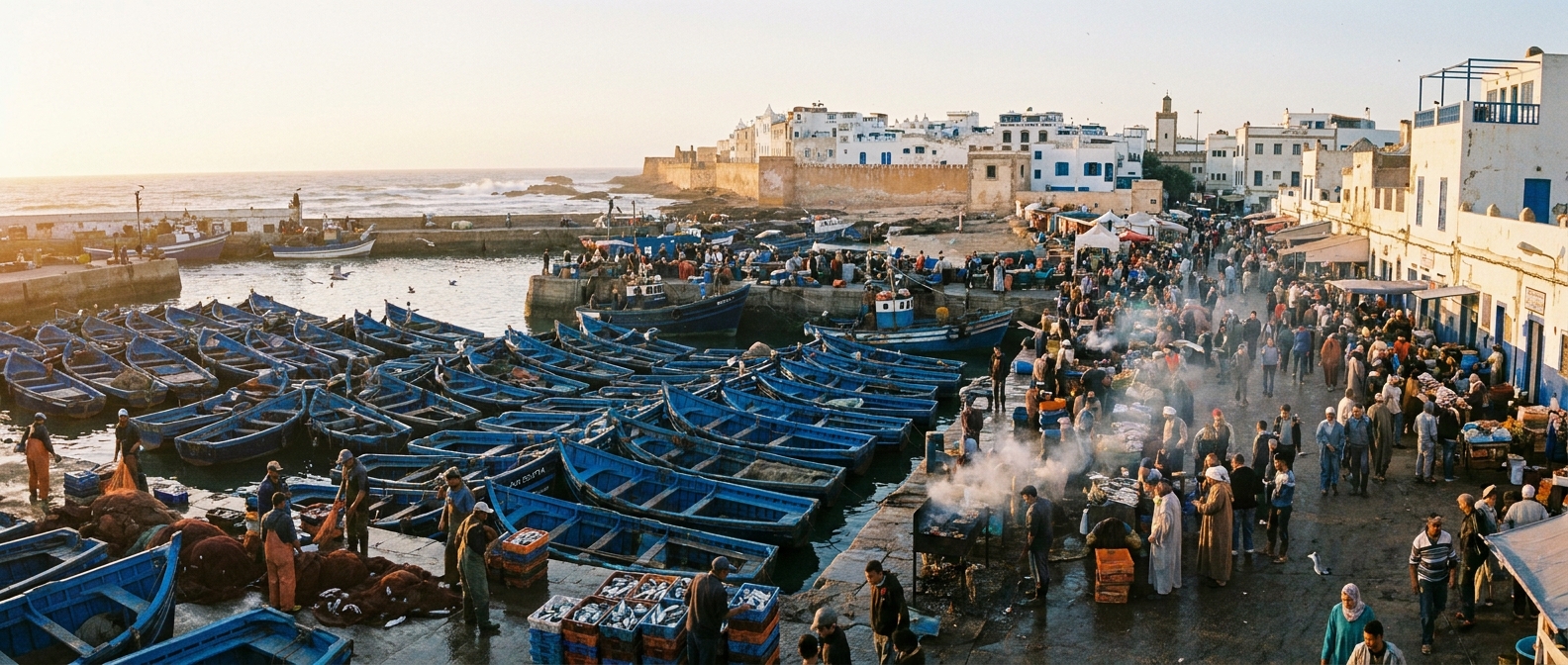
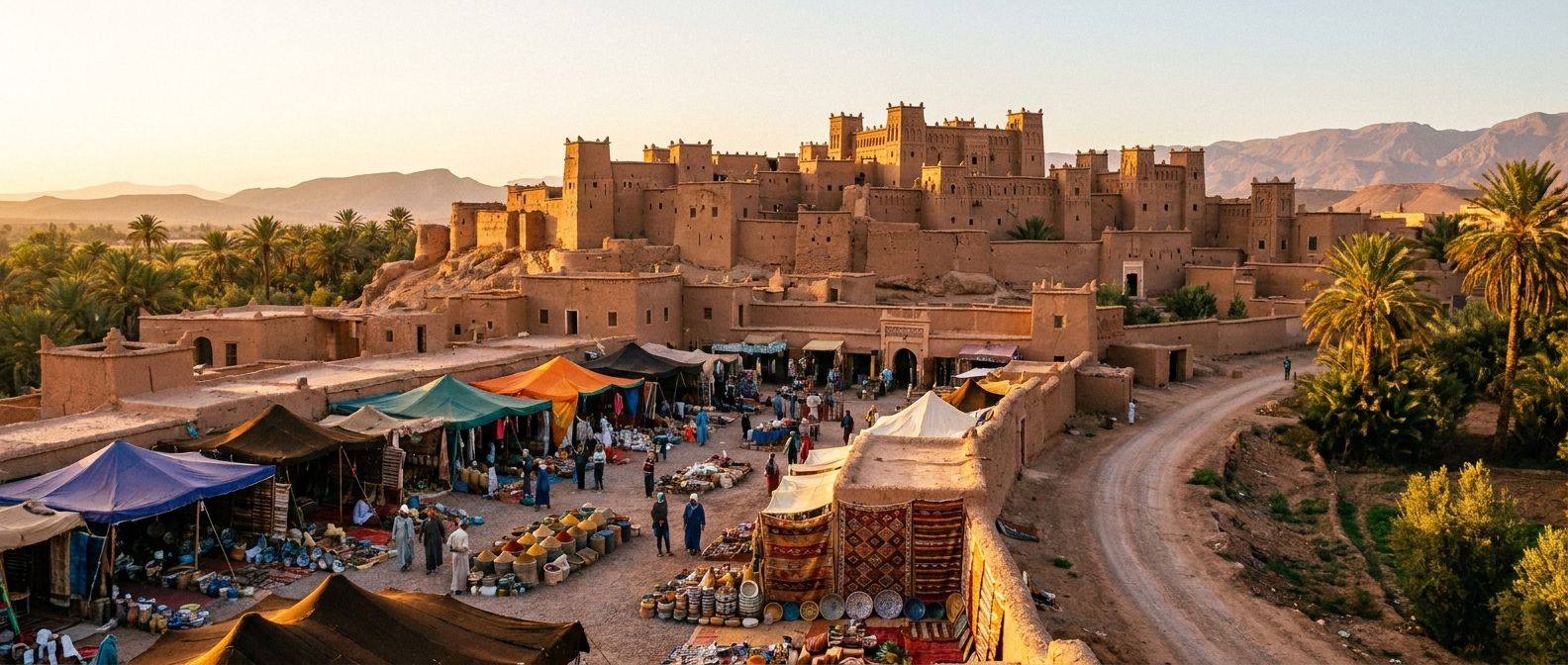
The area around the gate has evolved into something of a marketplace wonderland. Think artisan goods spilling out of tiny shops, the smell of spices mixing with fresh bread from nearby bakeries, and vendors calling out to passersby. It’s chaotic in the best possible way.
If you’re lucky enough to visit during the Gnaoua Festival in June, the energy around Bab Doukkala reaches another level entirely. Music fills the streets, crowds gather, and the whole area transforms into an open-air celebration of Moroccan culture.
Key Statistics About Bab Doukkala
Let’s get practical for a moment. Here’s what you need to know before you go:
- Location: You’ll find Bab Doukkala at the northern edge of the Essaouira medina, right along Avenue Mohamed Zerktouni.
- Visiting Hours: Since it’s an actual thoroughfare rather than a museum, there are no set hours. The gate is accessible 24/7.
- Entry Fee: Completely free — just walk on through.
- Best Time to Visit: Spring (April-June) and fall (September-November) offer the sweet spot of pleasant weather and manageable crowds.
Expert Insights for Visitors
Don’t just snap a quick photo and move on. Seriously. Take a few minutes to really look at the stonework, notice how the light plays across the arch, and watch how people interact with this centuries-old structure as part of their everyday routine.
For photographers (and let’s be honest, who isn’t these days?), timing matters. Early morning light casts a golden warmth across the ancient stones that’s absolutely stunning. Late afternoon works beautifully too, especially if you want to capture the bustle of the market in softer light.
But here’s a tip that often gets overlooked: some of the best shots aren’t of the gate itself. They’re of life happening around it — a vendor arranging his goods, locals chatting in the shade, or the silhouette of someone walking through the arch into the medina’s winding streets.

Current Trends in Essaouira’s Tourism

Essaouira has been having a moment lately. European and North American travelers, in particular, are discovering what backpackers and surfers have known for decades — this place is special.
What’s driving the interest? A growing appetite for authentic cultural experiences over generic resort stays. The rise of artisan tourism hasn’t hurt either, with travelers increasingly interested in meeting the craftspeople behind the goods they’re buying.
Sustainable tourism initiatives are also gaining traction, which is encouraging. Local businesses around Bab Doukkala now offer everything from guided historical walks to hands-on cooking classes and artisan workshops. These experiences give visitors a much deeper connection to Moroccan culture than any guidebook could provide.
Challenges Facing Bab Doukkala and Essaouira
Let’s be real for a moment. All this tourism attention comes with complications. Popular spots like Bab Doukkala can get crowded, especially during peak season. And crowds mean wear and tear on historical structures, pressure on local infrastructure, and sometimes a dilution of the very authenticity that attracted visitors in the first place.
Local stakeholders are wrestling with a genuine dilemma: how do you welcome tourism’s economic benefits while protecting what makes this place worth visiting? There’s no easy answer, but the conversation is happening — and that’s a start.
Conclusion
Bab Doukkala isn’t just another item to check off your Morocco bucket list. It’s a genuine portal — both into Essaouira’s medina and into centuries of history that shaped this remarkable city.
The bottom line? Visit during spring or fall if you can, arrive early or stay late for the best light, and don’t rush through. Take time to wander the surrounding souks, chat with local vendors (even if it’s just through smiles and gestures), and maybe sign up for a workshop or food tour to dig deeper into the culture.
As Essaouira continues to evolve as a destination, the hope is that places like Bab Doukkala will remain what they’ve always been — not just tourist attractions, but living, breathing gateways that connect past and present for generations to come.
Frequently Asked Questions
What is Bab Doukkala known for?
Bab Doukkala is the iconic northern entrance to Essaouira’s medina. It’s famous for its stunning 18th-century architecture, historical significance as a former defensive fortification, and the vibrant marketplace that surrounds it today.
When is the best time to visit Essaouira?
You’ll want to aim for the shoulder seasons — spring (April through June) or fall (September through November). The weather’s comfortable, and you won’t be fighting through peak-season crowds.

Is there an entry fee to visit Bab Doukkala?

Nope, it’s completely free. The gate functions as a public thoroughfare, so you can walk through whenever you like without paying a dirham.
What photography tips should I consider at Bab Doukkala?
Golden hour is your friend here — show up early in the morning or late in the afternoon for that warm, atmospheric light. And don’t just focus on the architecture; some of the most compelling shots capture the daily life unfolding around the gate.