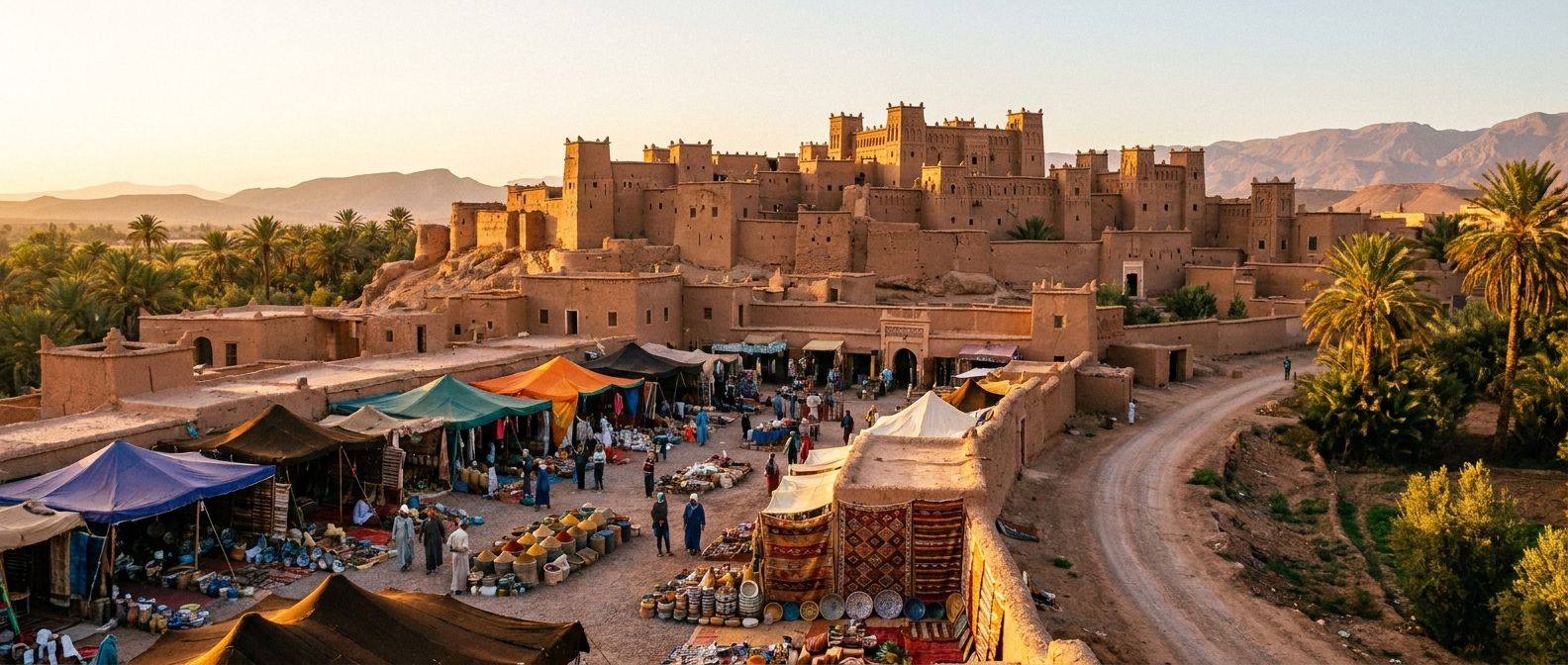
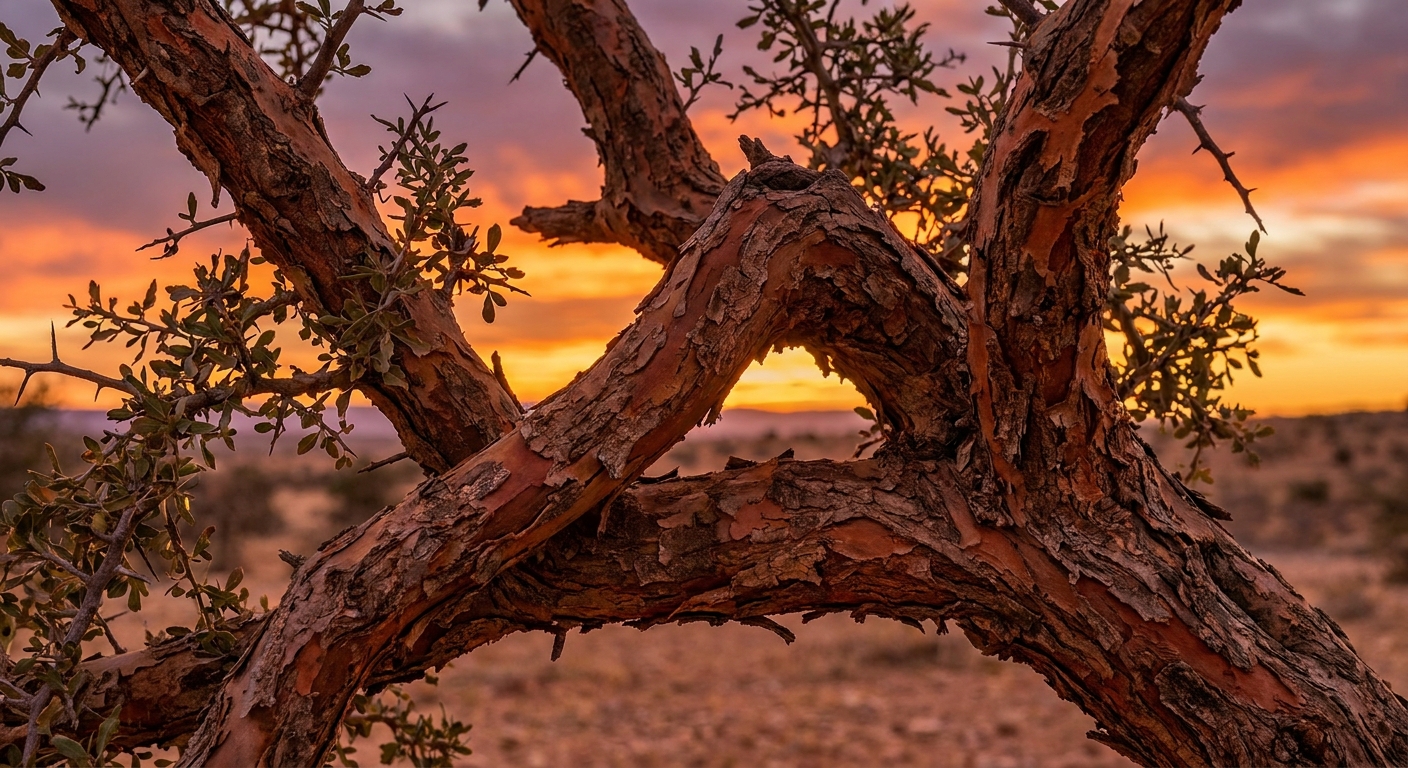
There’s something almost magical about standing in an argan forest near Essaouira. These twisted, ancient trees — some looking like they’ve been sculpted by centuries of wind — create an ecosystem you simply won’t find anywhere else on Earth. The argan tree (*Argania spinosa*) grows exclusively here, and it’s become the heartbeat of local biodiversity, culture, and economy all wrapped into one.
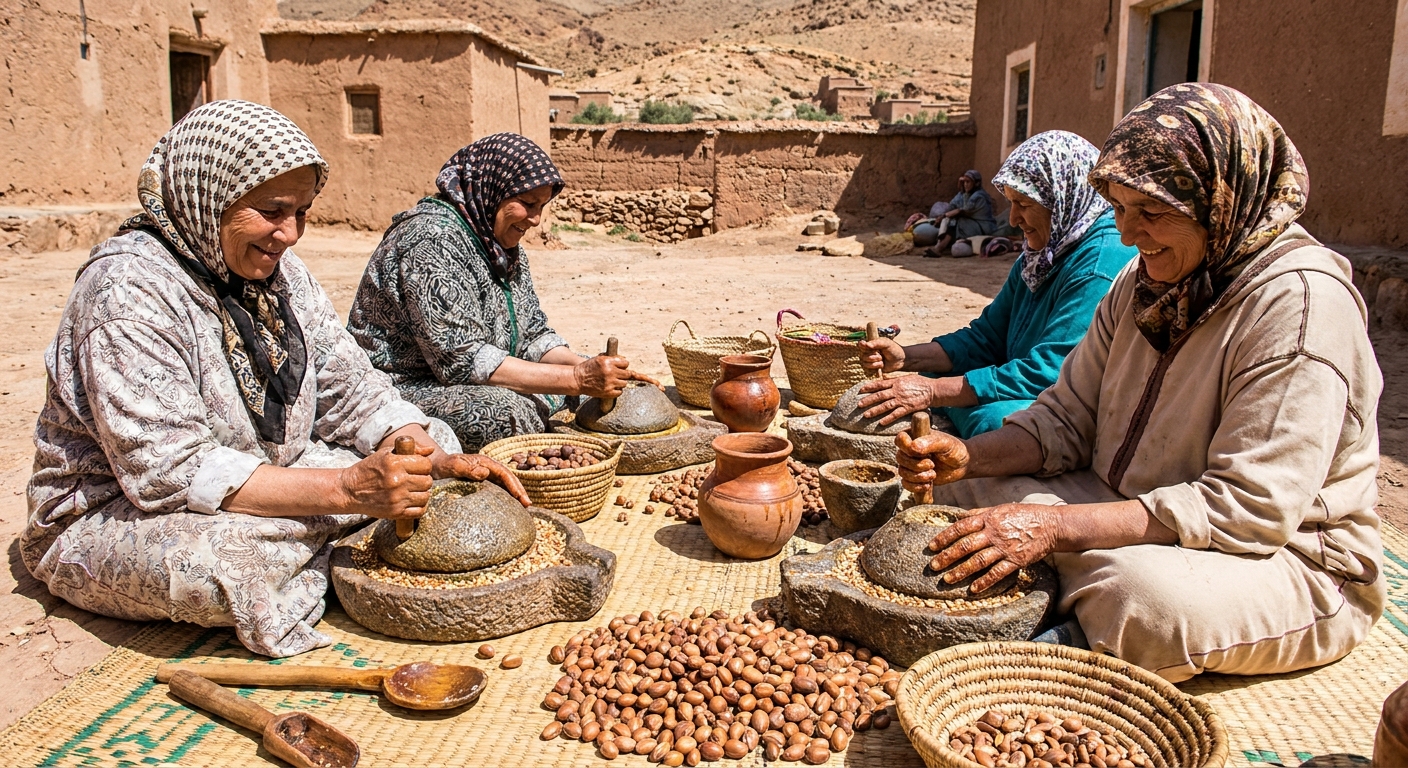
Here’s the thing: in a world where environmental threats keep mounting, these UNESCO-protected forests offer a real-world example of how sustainable living actually works. For travelers, a visit here isn’t just a nature walk — it’s a chance to witness centuries-old traditions, watch argan oil production unfold by hand, and connect with the Amazigh (Berber) communities who’ve been guardians of this land for generations. Let’s dive into what makes these forests so remarkable and why they deserve a spot on your travel list.
Historical Significance of the Argan Tree
The argan tree has been central to Moroccan life for centuries. It’s a survivor, really — thriving in conditions that would kill most other trees. The Berber people figured out long ago that this resilient tree offered something special. They’ve used its oil for cooking, healing wounds, and beautifying skin since before anyone was keeping records.
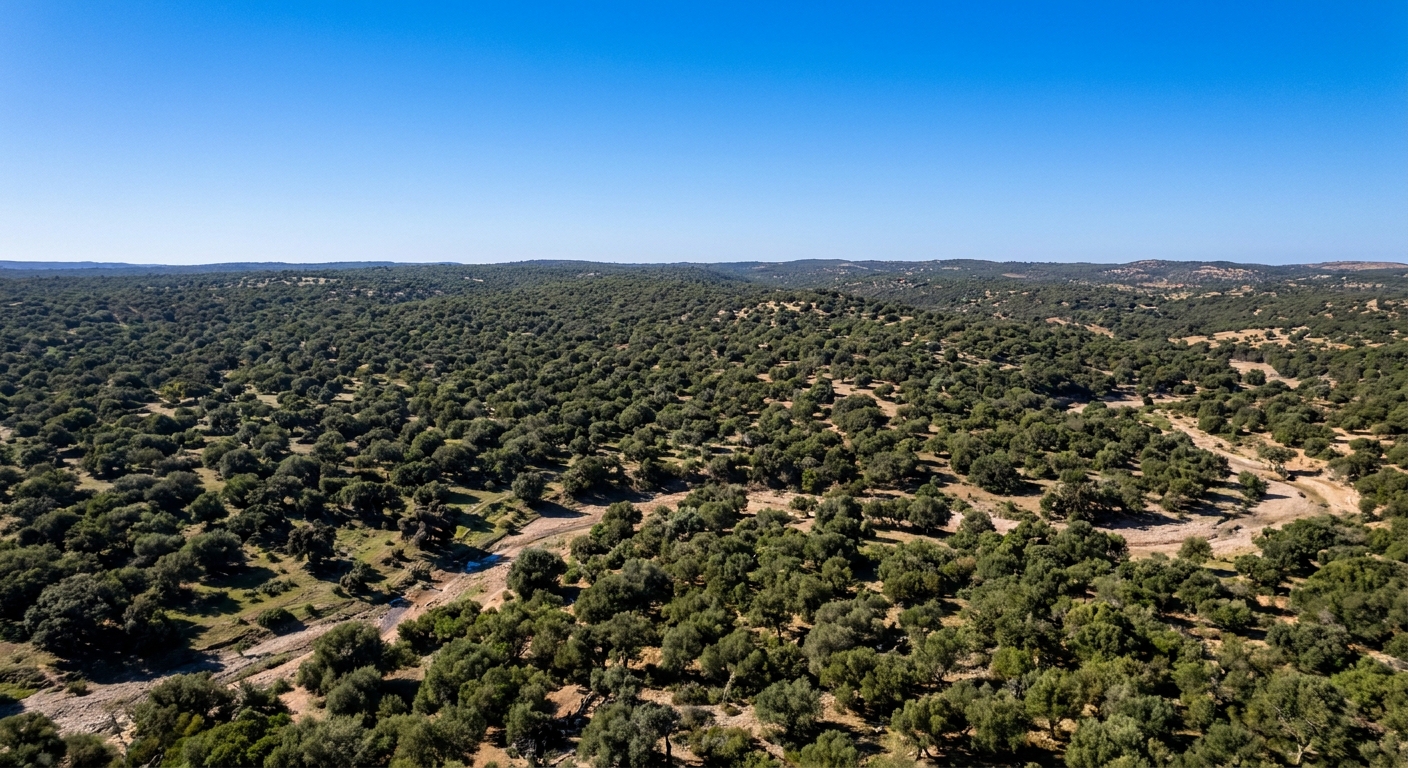
Today, argan forests stretch across roughly 2.5 million hectares of southwest Morocco, with Essaouira sitting at the heart of this green expanse. But that vastness comes with a catch. How do you protect something this precious when the whole world suddenly wants a piece of it? The global beauty industry’s obsession with argan oil (and yes, it really does work wonders on your skin) has created serious pressure on these forests.
The economic boost is real and welcome. But so are the concerns. Over-harvesting and environmental strain have pushed conservationists to sound the alarm. What’s emerged is something pretty inspiring — community-led initiatives that try to balance economic opportunity with ecological responsibility. It’s a model other regions are starting to copy.
The Current State of Argan Forests
Let’s be honest — these forests face some tough challenges. Climate change isn’t abstract here; it’s showing up as longer droughts and degraded land. Yet somehow, thanks largely to community-based management and genuine conservation efforts, much of the forest’s ecological integrity remains intact. Regeneration programs are actually working, and sustainable farming practices are taking hold.
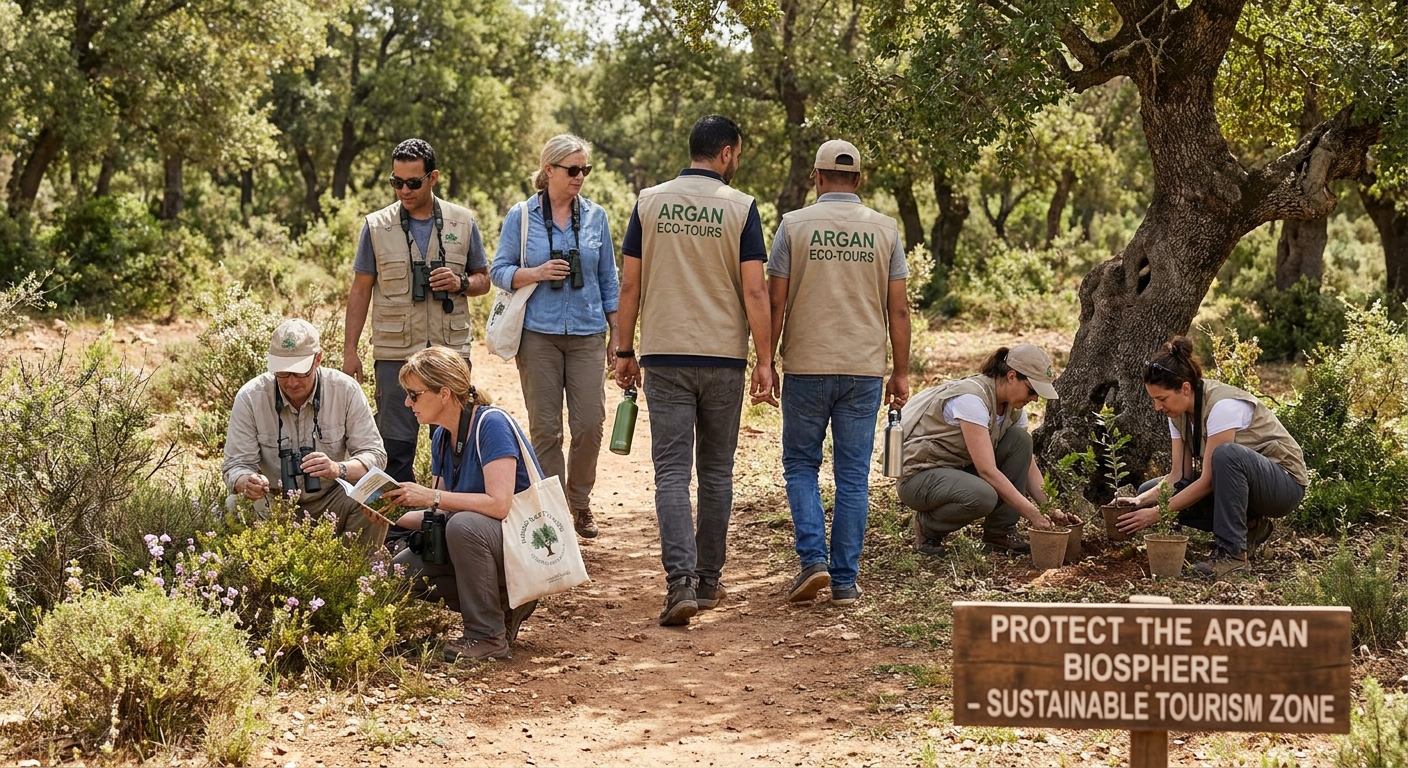
The biodiversity here is impressive. These forests shelter countless species while literally holding back the desert — they’re a natural bulwark against desertification. And here’s where you come in: sustainable tourism creates real income for local communities while educating visitors about why these gnarled old trees matter so much.
Key Statistics and Data
Numbers tell part of the story. The argan forests cover about 2.5 million hectares, concentrated around Essaouira, Agadir, and Taroudant. Some individual trees? They’ve been standing for over 800 years. Think about that for a second — trees that were saplings during the Crusades.
Here’s a number that might surprise you: women’s cooperatives produce more than 80% of all argan oil, providing income for approximately 300,000 women across Morocco. These aren’t just statistics; they represent transformed lives. And the ecological richness? Researchers have documented up to 127 different plant species thriving in these woodlands. That’s a lot of biodiversity packed into one remarkable ecosystem.
Expert Insights on Argan Forests
Researchers who study these forests consistently point to something beyond ecology — cultural resilience. As one study put it, “The argan tree embodies the cultural identity of the Amazigh people and represents a blend of economic function and cultural significance.” Translation? Saving these trees means saving a way of life.
What’s working is engagement. When local communities have real decision-making power over conservation efforts, outcomes improve dramatically. The argan cooperatives prove this — they’re not just producing oil; they’re preserving traditions, maintaining social structures, and securing the forest’s future all at once.
Emerging Trends in Eco-Tourism
Something interesting is happening here. As international demand for argan oil has exploded, regulations have actually tightened — not loosened. Harvesting practices now face real oversight to prevent the kind of exploitation that’s destroyed other valuable ecosystems elsewhere.
Tourism is evolving too. Guided forest walks, cooperative visits, hands-on demonstrations of traditional oil extraction — these experiences educate travelers while putting money directly into community pockets. It’s eco-tourism that actually means something.
Several projects now align with the UN’s Sustainable Development Goals, encouraging farmers to plant argan trees alongside other crops. This agroforestry approach builds healthier soil and creates more climate-resilient landscapes. Pretty smart, when you think about it.
Challenges Facing the Argan Forests
The problems haven’t disappeared — not by a long shot. Illegal logging continues. Livestock overgrazing damages young trees. Climate change keeps pushing the boundaries of what the ecosystem can handle. And there’s an ongoing debate about commercialization that doesn’t have easy answers.
Sure, tourism revenue helps women’s cooperatives thrive. But does growing global demand threaten the very traditions that make argan oil special? Some locals worry it might. As one community activist put it: “It’s about balancing our identity with the pressures of a changing world.” That tension — between preservation and progress — sits at the heart of everything happening in these forests.
Conclusion
The argan forests stand as living proof that biodiversity and cultural heritage can reinforce each other — when communities have the power to make it happen. Argan oil production empowers women economically while keeping traditional knowledge alive. Conservation initiatives work to protect the ecology without ignoring economic realities.
When you visit these forests, you’re not just checking off a tourist destination. You’re participating in something larger — supporting local economies, contributing to environmental protection, and connecting with a culture that’s found ways to thrive alongside its natural environment for centuries. That kind of experience tends to stick with you.
Frequently Asked Questions
What are the unique features of the argan tree?
The argan tree (*Argania spinosa*) grows only in Morocco — you literally can’t find it wild anywhere else. It’s adapted to survive brutal arid conditions and produces a hard fruit containing the kernels used for argan oil. People use this oil for cooking, traditional medicine, and skincare (which is why you see it in so many beauty products now).
How do argan forests contribute to biodiversity?
These forests support around 127 plant species and provide crucial habitat for numerous animals. Beyond that, they act as a natural shield against the Sahara’s advance — without them, desertification would claim much more of Morocco’s productive land.
Why is argan oil significant economically and culturally?
Economically, it’s become one of Morocco’s most valuable exports, particularly benefiting women’s cooperatives that handle most production. Culturally, the traditional extraction methods and the oil’s many uses are woven into Amazigh identity — it’s not just a product; it’s heritage.
What challenges do argan forests face today?
The biggest threats include illegal logging, climate change impacts, land degradation from overgrazing, and the complicated pressures that come with commercialization. Finding the right balance between meeting global demand and protecting traditional practices remains an ongoing challenge.