A Comprehensive Guide to Essaouira’s Unique Craftsmanship and Shopping Experience
There’s something almost magical about stepping into Essaouira for the first time. This windswept coastal town isn’t just another pretty Moroccan destination — it’s a living, breathing gallery of handmade wonders tucked into whitewashed walls and narrow, winding streets.
If you’ve ever wanted to bring home something more meaningful than a fridge magnet, you’re in the right place. This guide walks you through the best spots to shop, introduces you to the artisan community that makes this city tick, and helps you understand the stories woven into every piece you’ll find. Ready to dive in?
The Historical Significance of Essaouira’s Artisans
Here’s a bit of backstory that makes shopping here even more interesting. Essaouira wasn’t always the laid-back beach town you see today. Back in the 18th century, it served as a bustling port where Berber, Arab, African, and European cultures collided — and those influences? They’re still visible in every carved doorway and woven textile.
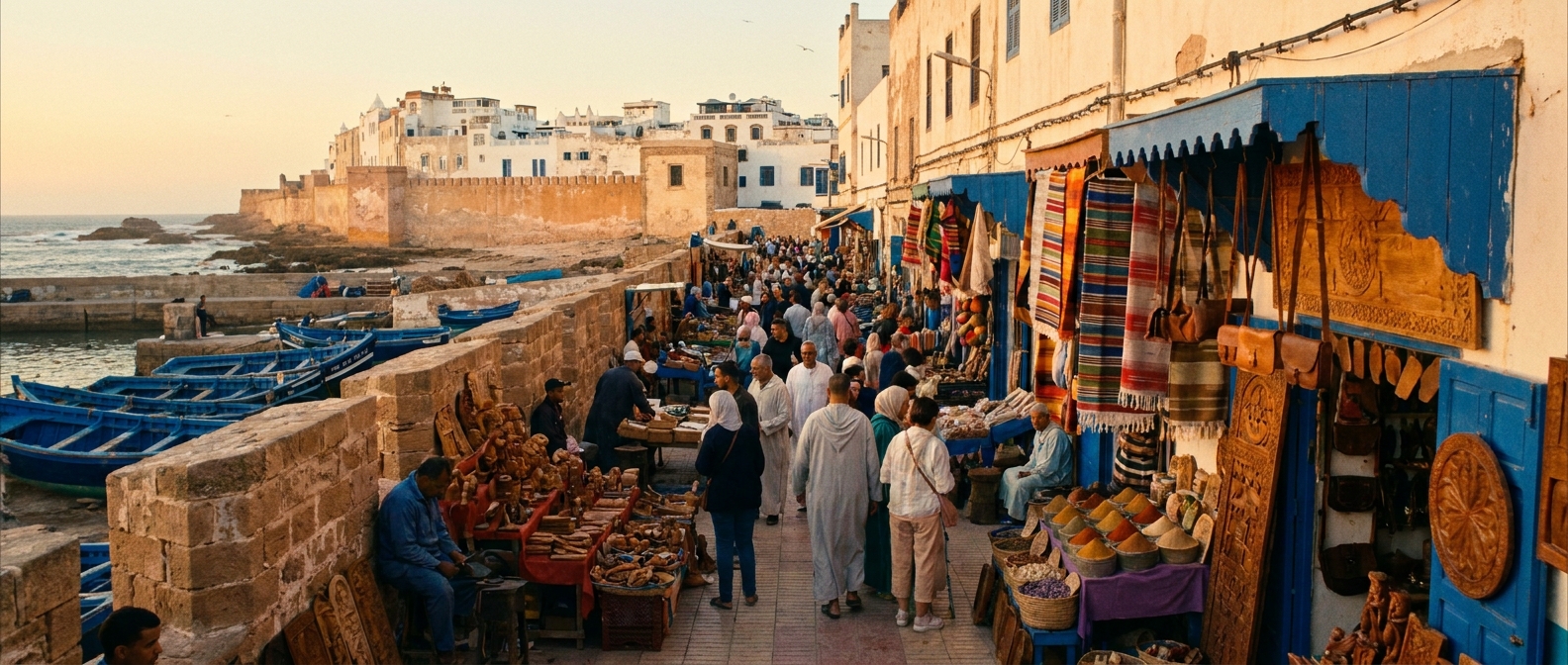
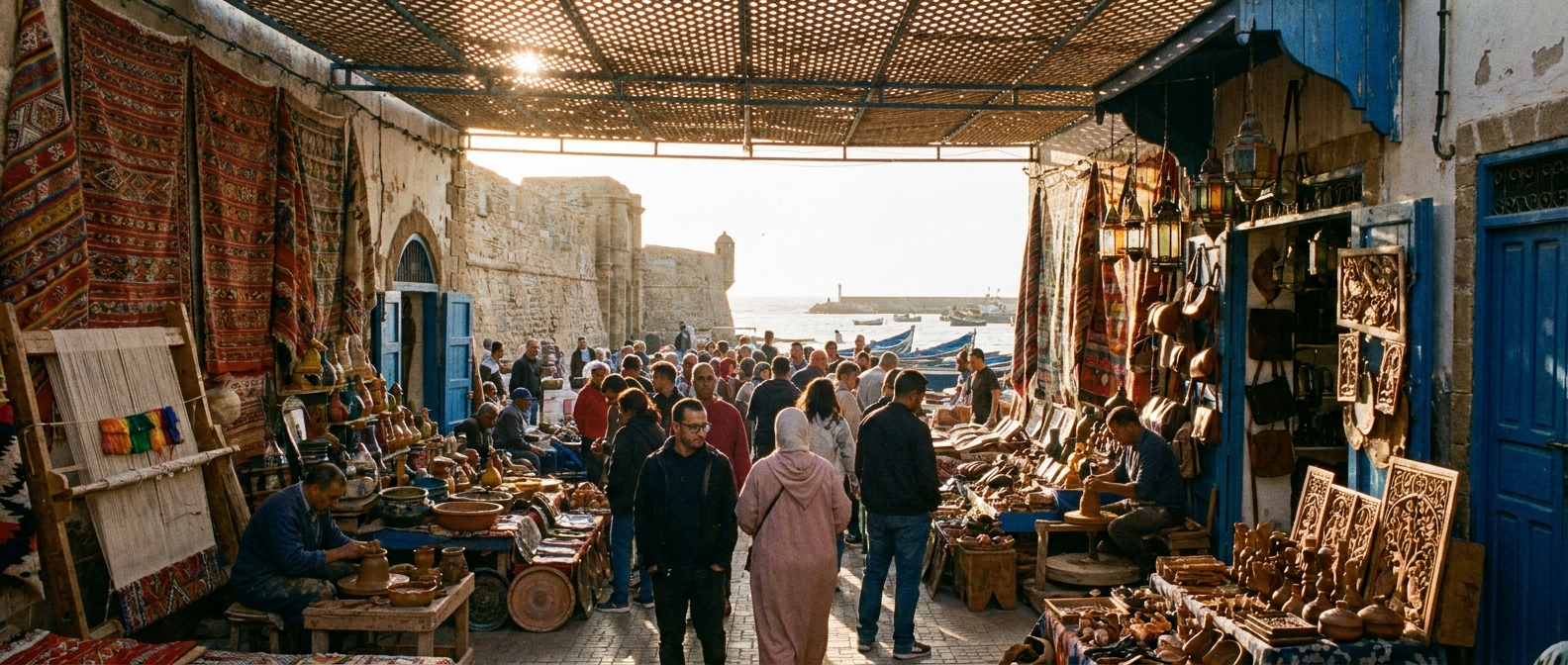
The old medina earned its UNESCO World Heritage status for good reason. Walk through it, and you’ll spot artisans working with thuya wood (a local treasure), hammering intricate metalwork, or threading colorful textiles on traditional looms. These aren’t just crafts for show. They represent techniques handed down through families for generations, now blended with contemporary touches that keep the traditions alive and relevant.
The Flourishing Artisan Scene Today
Something exciting has been happening in Essaouira lately. The artisan scene isn’t just surviving — it’s thriving. Traditional souks now share the spotlight with dedicated artisan shops, and the result is a shopping experience that feels authentic without being overwhelming (looking at you, Marrakech).
But here’s what really sets this place apart: many of these craftspeople genuinely care about doing things right. A good number of them work through cooperatives and funnel profits back into community projects. So when you buy that gorgeous leather bag or hand-carved chess set, you’re actually making a difference. Pretty cool, right?
Key Statistics About Essaouira’s Artisan Shops
Let’s talk numbers for a moment — because they paint quite a picture. Over the past five years, artisan shops in Essaouira have grown by roughly 30%. That’s not a typo. And it makes sense when you consider that about 60% of the local workforce now works in artisan and handicraft sectors.
Even more telling? A 2023 survey found that 70% of visitors came specifically to shop for handmade crafts. These artisans aren’t just making products. They’re building an economy, preserving a culture, and creating connections with travelers from around the world. Each piece carries a piece of that story.
Voices of the Craft: Expert Insights
The artisans themselves put it best. For them, these shops aren’t retail spaces — they’re extensions of identity, windows into a heritage that stretches back centuries.
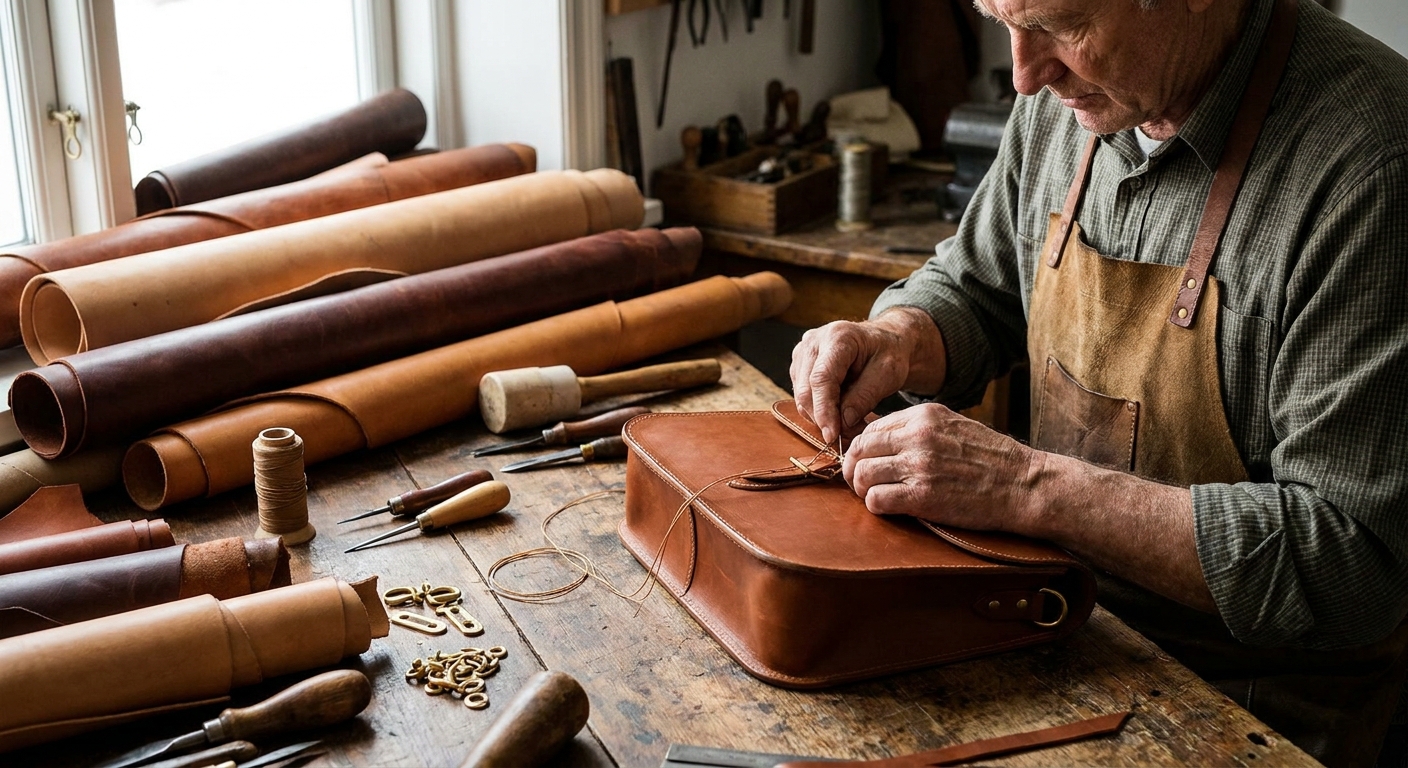
“Crafting is not just about the end product but the stories and traditions intertwined in every piece,” explains Fatima Zahra, a local artisan whose work reflects generations of expertise. Mohammed Ouchen, who specializes in leather goods, echoes this sentiment: “Shopping in Essaouira means finding pieces of our culture; every bag, every piece of jewelry tells a story.”
And then there’s Salima Idrissi, who directs an artisan cooperative. Her perspective really hits home: “Our work is our legacy; we share our heritage with every customer who walks through our doors.” When you think about it that way, buying becomes something more — almost like participating in a tradition.
Trends Shaping the Artisan Market
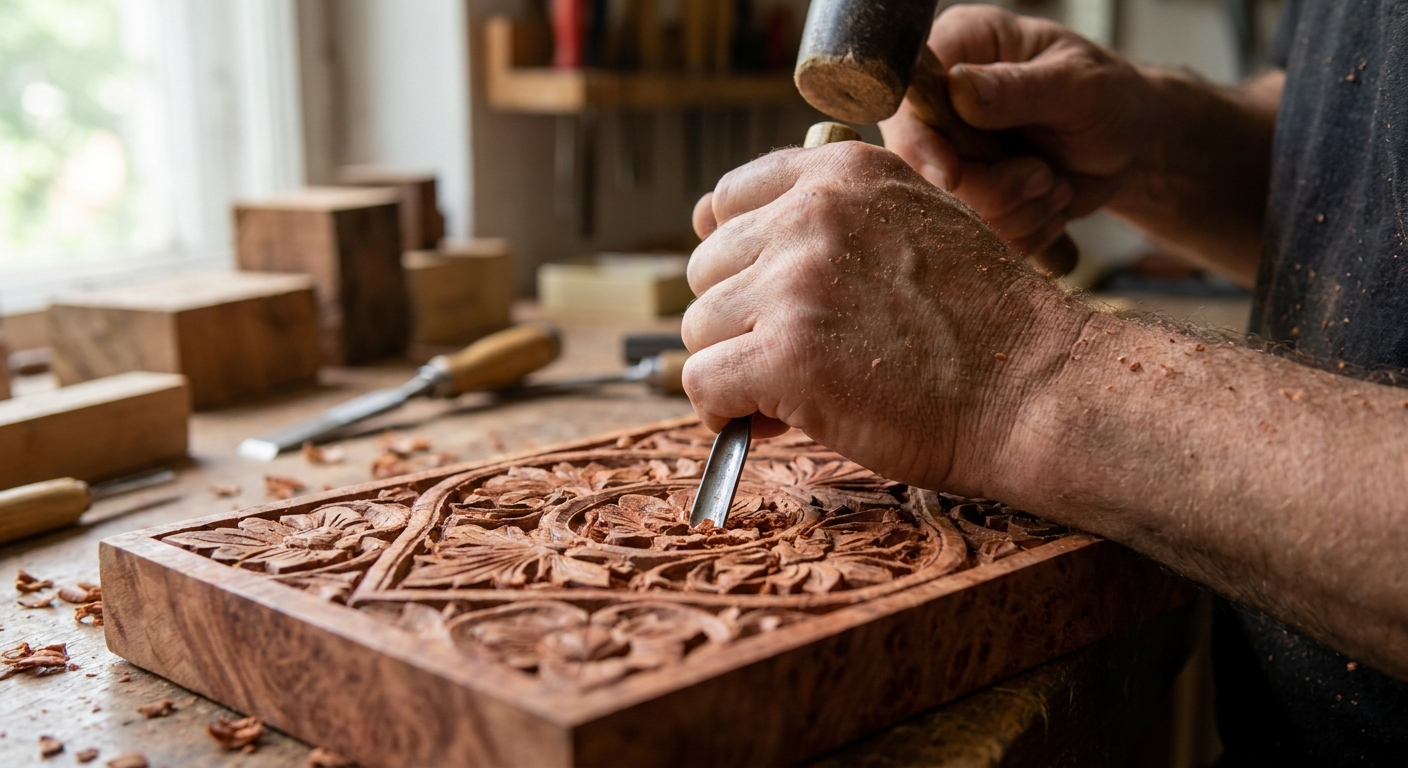
The artisan world here isn’t standing still. One of the biggest shifts? Experiential tourism. Travelers don’t just want to buy things anymore — they want to make them. Workshops where you can try your hand at woodworking or leather crafting have become incredibly popular, and honestly, it changes everything. Suddenly you understand why that seemingly simple bag took hours to create.
Sustainability is another major trend. More artisans are championing responsible sourcing, which resonates with eco-conscious shoppers who want their purchases to reflect their values.
Oh, and the digital world has definitely arrived. Instagram, online marketplaces, global shipping — Essaouira’s craftspeople are reaching customers they never could have imagined a decade ago. It’s pushing them to evolve their designs too, blending traditional Moroccan aesthetics with contemporary global tastes.
Challenges Facing Essaouira’s Artisans
Let’s be honest, though — it’s not all smooth sailing. Mass-produced imports pose a real threat. Some tourists, understandably looking for bargains, gravitate toward cheaper factory-made goods. The problem? It undercuts artisans who’ve spent years — sometimes decades — perfecting their craft.
There’s also an uncomfortable tension between growth and authenticity. Tourism brings money and opportunities, absolutely. But if it’s not handled thoughtfully, it risks turning genuine cultural traditions into watered-down versions of themselves. It’s a balance the community is actively working to maintain.
Summary of Key Findings
So what’s the takeaway here? Essaouira offers something you won’t find in bigger, busier Moroccan cities — a shopping experience that feels personal, meaningful, and deeply rooted in culture. The artisan shops here don’t just sell products; they sustain communities and preserve heritage.
If you visit, shop responsibly. Seek out cooperatives. Ask questions. Learn the stories behind what you’re buying. Yes, challenges exist — competition from mass production, the ongoing push-pull of commercialization. But by choosing to support local craftspeople, you become part of the solution.
Frequently Asked Questions
What types of artisan crafts can I find in Essaouira?
You’ll discover everything from intricately carved thuya wood pieces to supple leather goods, vibrant textiles, and stunning handcrafted jewelry. The materials are often unique to the region, so each item carries a sense of place you simply can’t replicate elsewhere.
How can I shop responsibly while in Essaouira?
The easiest approach? Buy directly from artisans or through cooperatives whenever possible. This ensures fair compensation goes straight to the people doing the work — and it typically means higher quality too.
Are there workshops available for tourists?
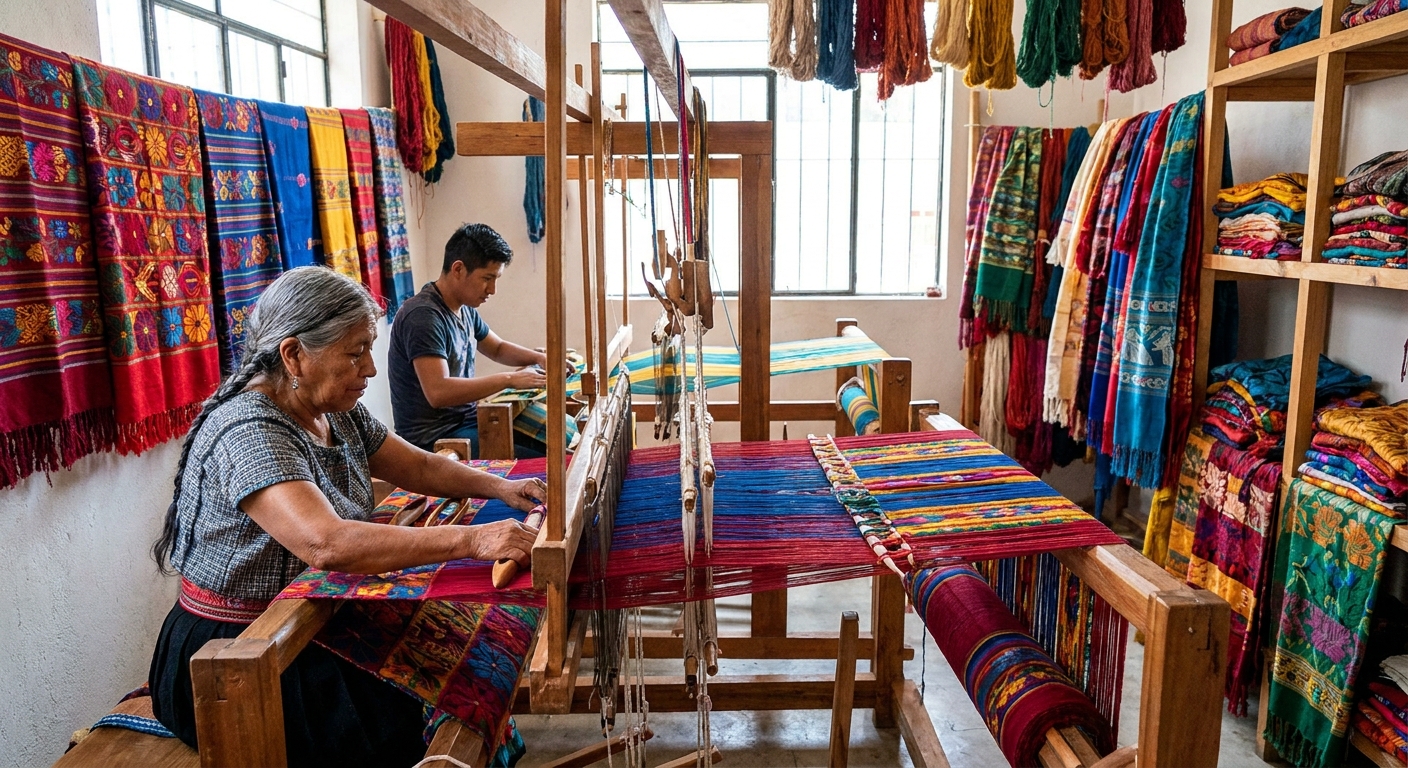
Absolutely! Many artisans welcome visitors into their workshops for hands-on experiences. It’s a fantastic way to deepen your appreciation for the craft — and you might even leave with something you made yourself.
What is the best time to visit Essaouira for shopping?
Spring and fall tend to be ideal. The weather’s pleasant, the crowds are manageable, and artisans are often rolling out fresh collections. Summer can get windy (Essaouira is famous for its Atlantic breezes), but the shopping remains excellent year-round.