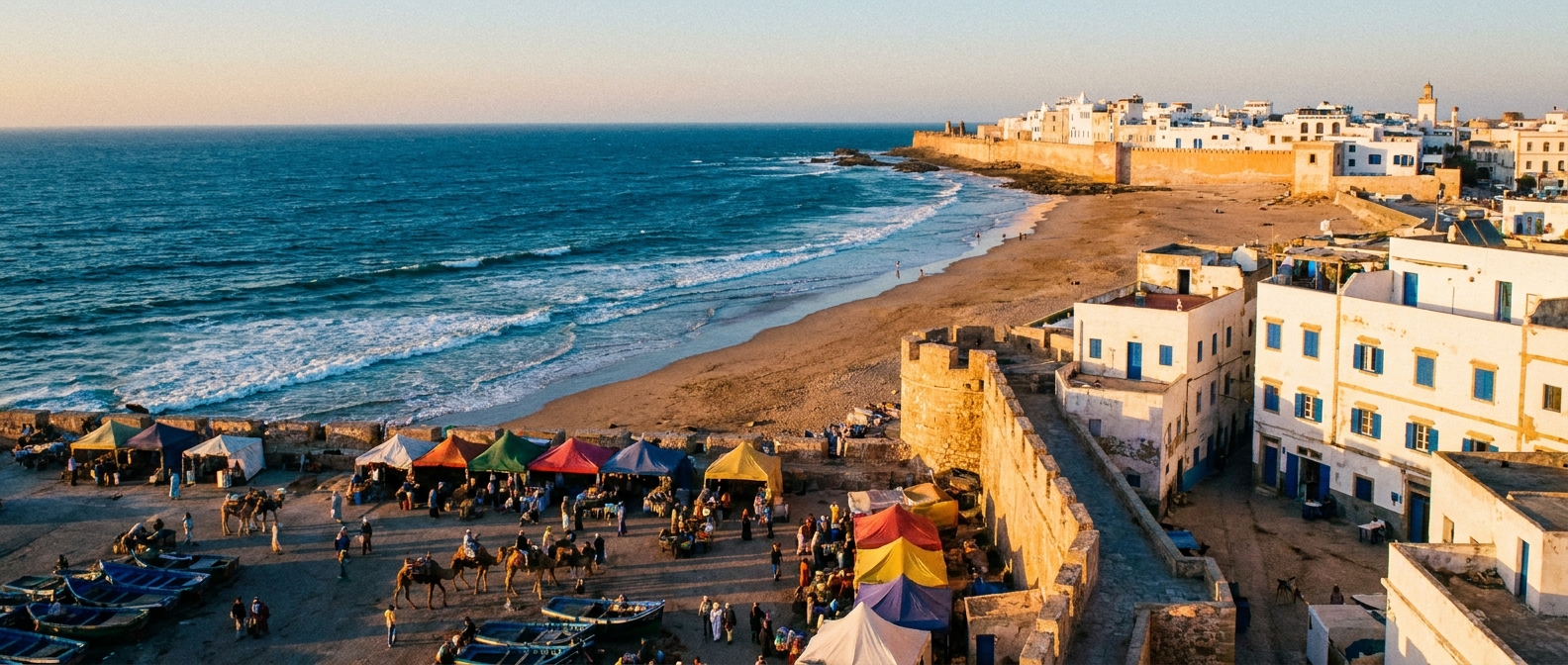
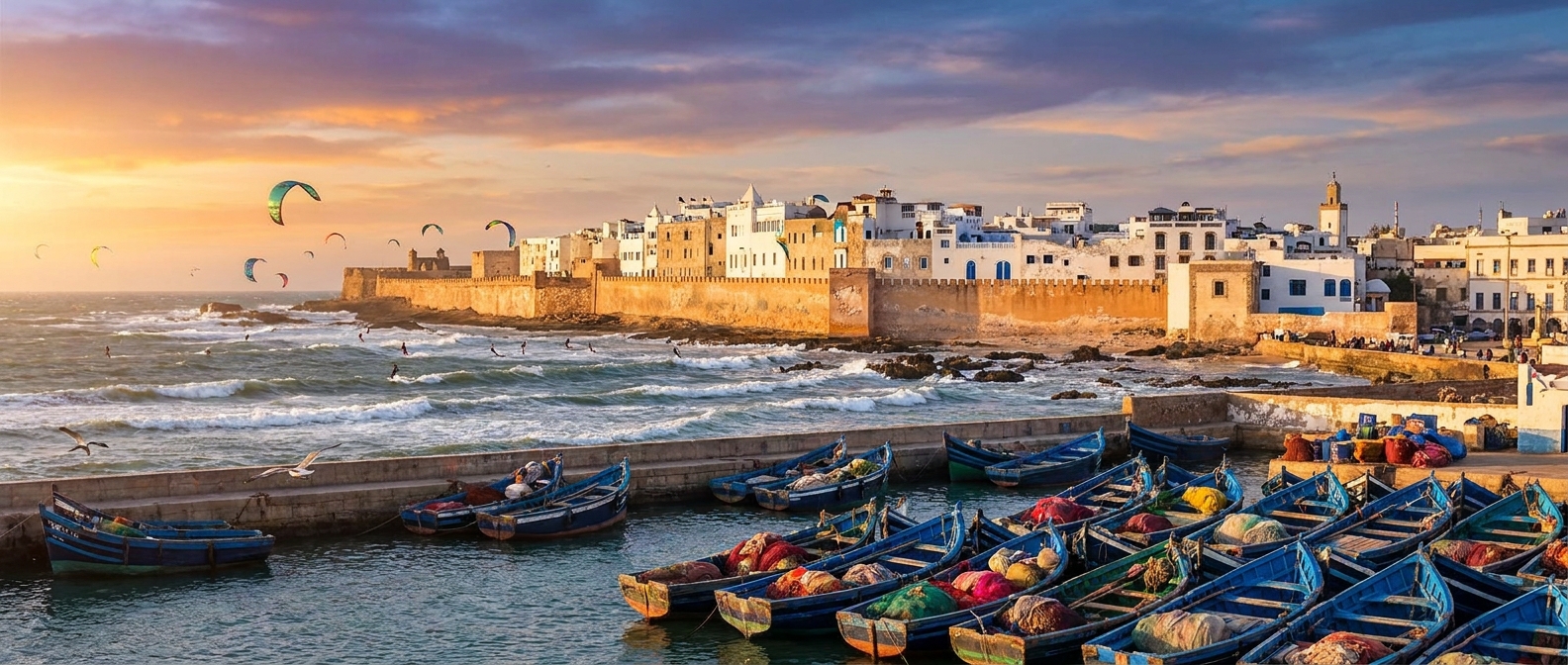
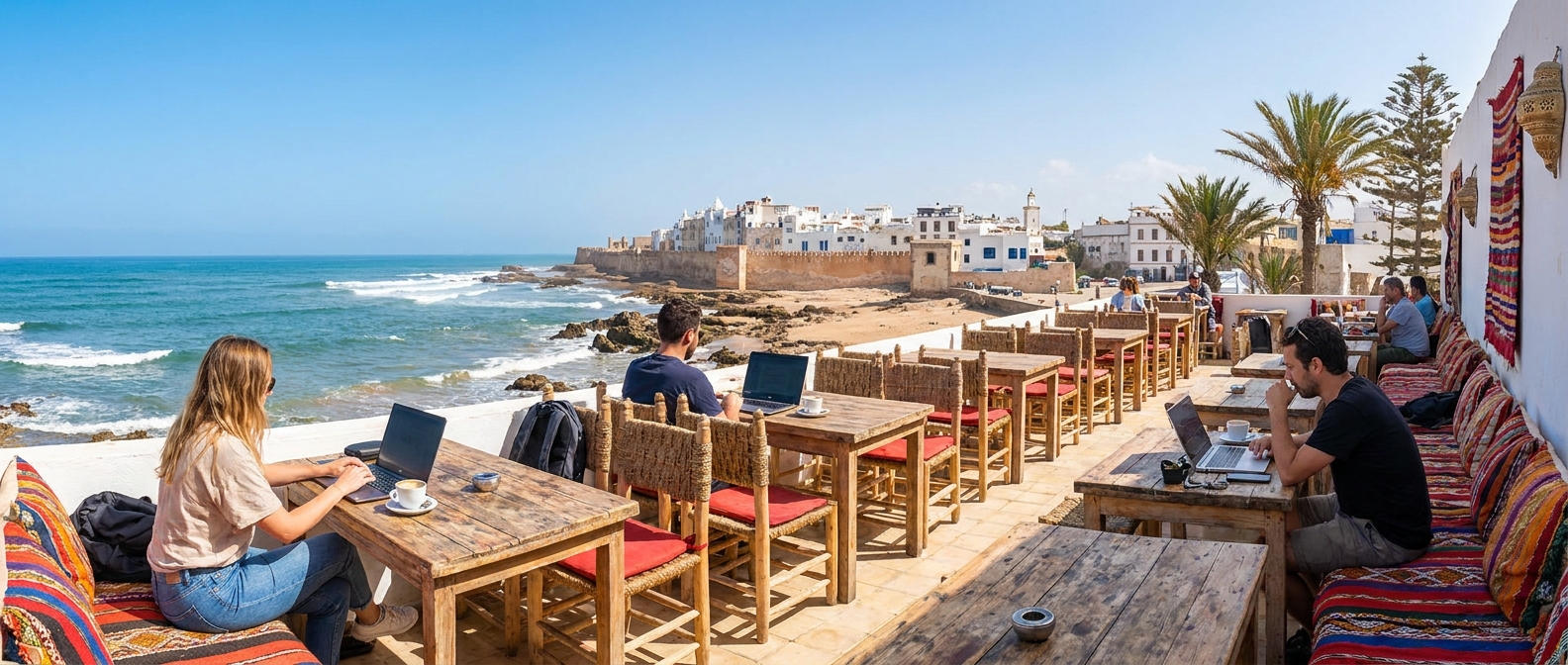
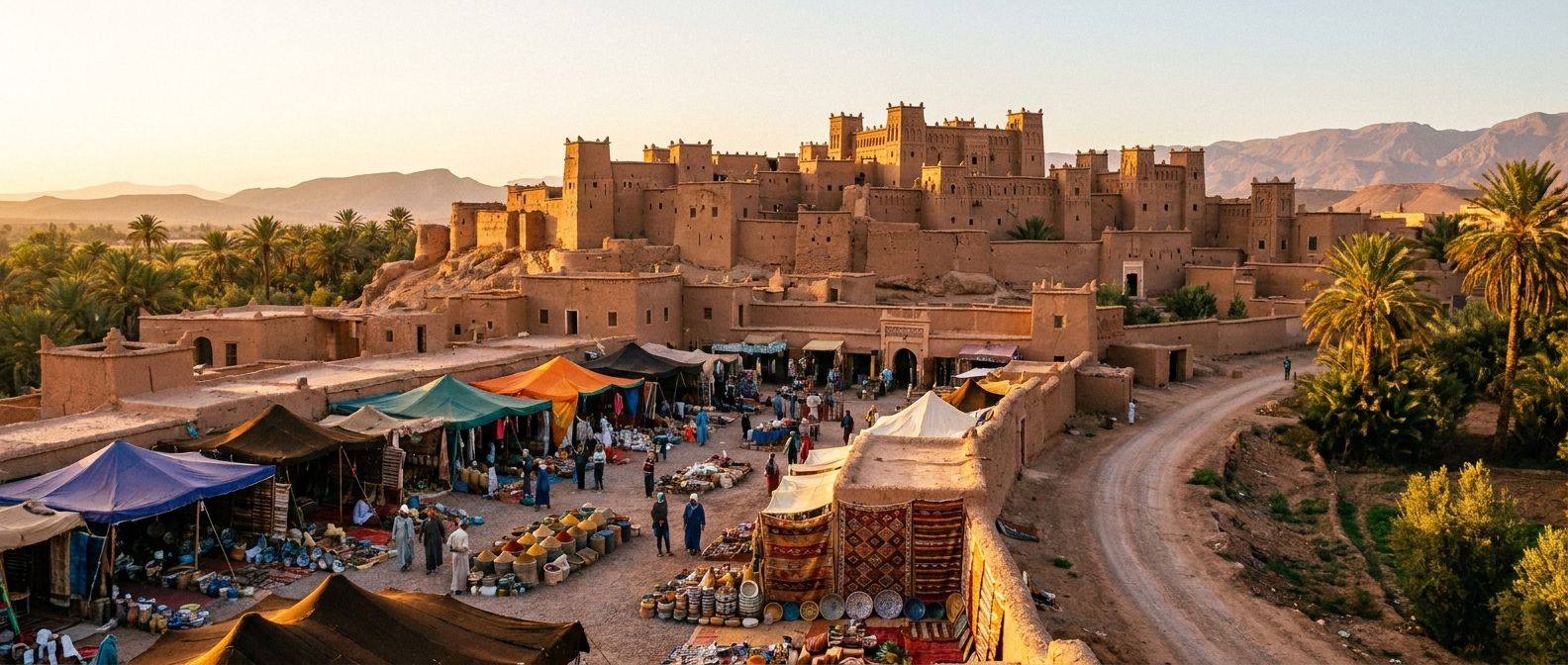
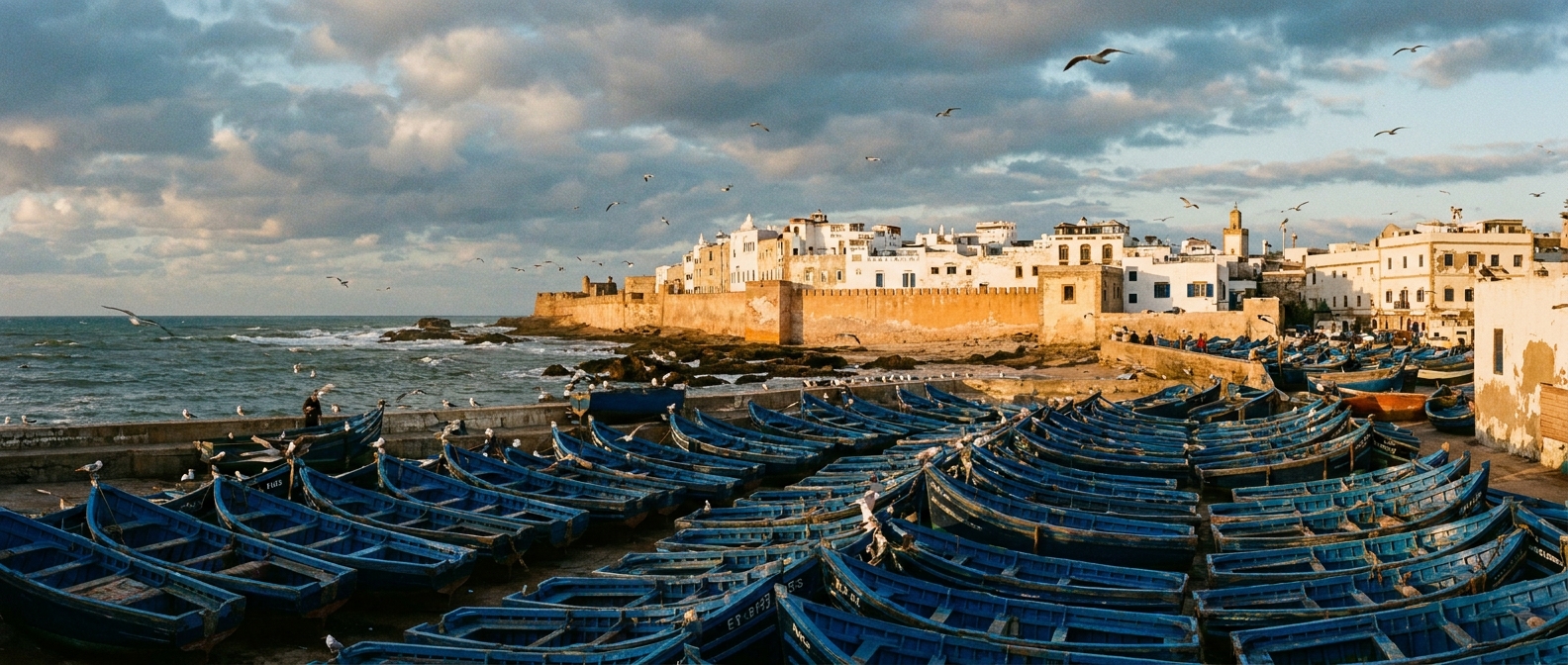
So you’re heading to Essaouira — that wind-swept coastal town with the blue boats, the seagulls circling overhead, and a medina that feels like stepping back in time. It’s magical, honestly. But here’s a question that probably crossed your mind while packing: can you actually drink the tap water there?
It’s one of those things most travelers wonder about but feel a little awkward asking. And the answer? Well, it’s not quite a simple yes or no. Stick with me here, and I’ll walk you through everything you need to know about water safety in Essaouira — plus some practical food tips that’ll help you spend your trip exploring the souks instead of searching for a pharmacy.
A Quick Look at Morocco’s Water History
Here’s the thing about Morocco’s tap water situation: it’s complicated. Like many developing countries, Morocco has been working hard to improve its water infrastructure for decades. The tap water in Essaouira — and most Moroccan cities, for that matter — does go through treatment. It’s chlorinated. On paper, it should be safe.
But (and this is a big but) the reality on the ground doesn’t always match the official line. Essaouira’s medina is old. Really old. We’re talking centuries-old buildings with plumbing that’s been patched and repaired countless times. Those aging pipes? They can introduce all sorts of issues between the treatment plant and your glass.
What’s the Situation Right Now?
Let me be straight with you: the tap water in Essaouira is technically treated, but most health experts — including the CDC — suggest tourists skip it entirely. Is this being overly cautious? Maybe. But here’s what happens when you drink unfamiliar water: your stomach, which has happily adapted to your home water supply over your entire lifetime, suddenly meets a whole new mix of minerals and microorganisms.
Some travelers do just fine with Moroccan tap water. Others spend two days in their riad bathroom regretting their life choices. Your call on which camp you’d rather risk being in.
The Numbers You Should Know
1. About that chlorination: Yes, municipal water gets treated. But the distribution system — especially in those charming old buildings — isn’t always reliable. What leaves the plant clean doesn’t necessarily arrive at your tap the same way.
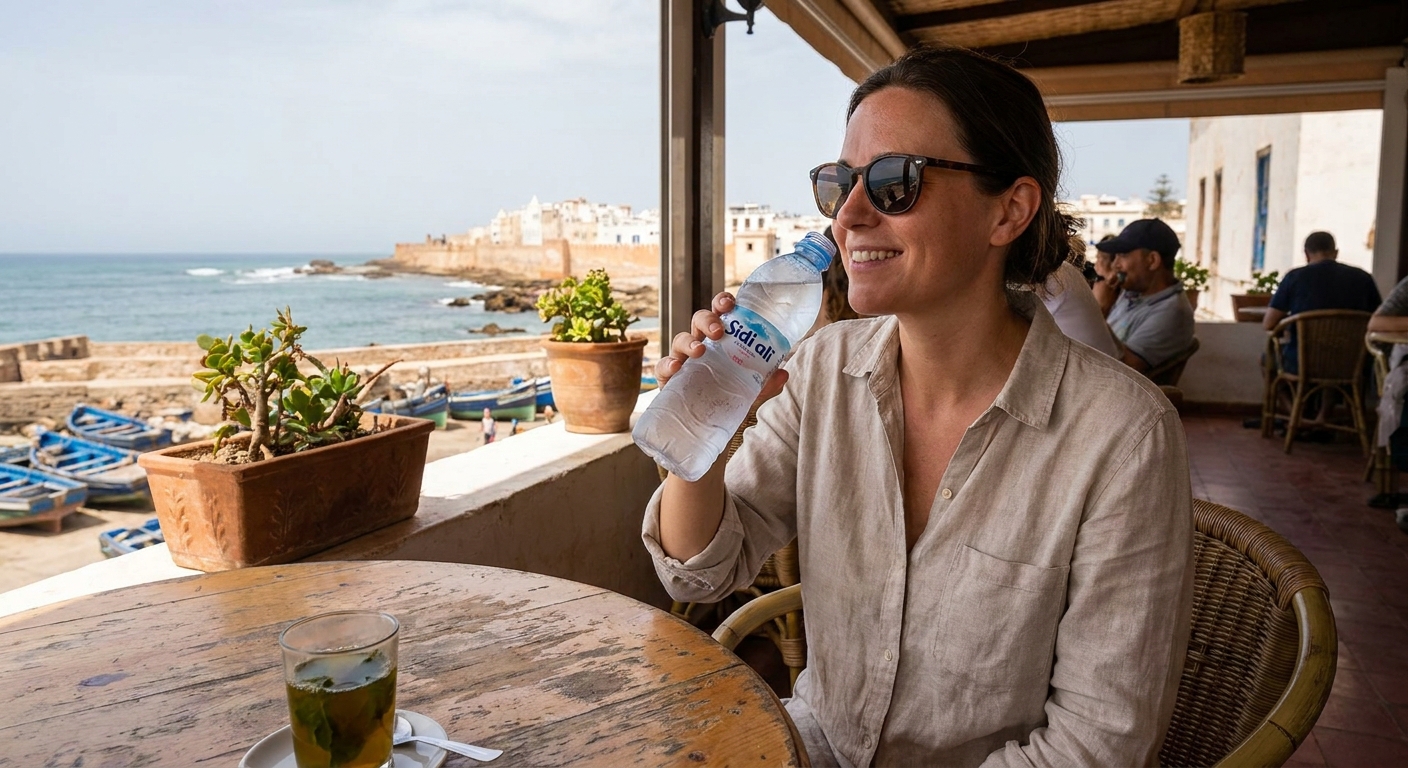
2. Bottled water won’t break the bank: Brands like Sidi Ali and Oulmès run about 5 to 10 dirhams for a 1.5L bottle. That’s roughly 50 cents to a dollar. Worth it for peace of mind, right?
3. The local vs. tourist gap: This is interesting — Moroccans who’ve grown up drinking the local water have adapted to it. Their gut bacteria knows what’s coming. Yours doesn’t. That’s why your Moroccan host might drink tap water without issues while the same glass gives you trouble.
What the Experts Actually Say
Pretty much every travel health expert lands on the same advice: stick with bottled water. And not just for drinking — use it for brushing your teeth too. Seems excessive? Think about how much water you accidentally swallow while brushing. It adds up.
One travel guide put it perfectly: “While tap water is chlorinated, the aging pipes in Essaouira’s historic medina can compromise its quality. Sealed bottled water remains the safest choice.”
Pro tip that seasoned travelers swear by: bring a reusable water bottle. You’ll cut down on plastic waste and always have safe water on hand when you refill from larger jugs at your accommodation or buy bottles throughout the day.
What’s Changed Recently
There’s been a noticeable shift in how travelers approach water safety — people are just more aware now. The bottled water market in Morocco has responded accordingly. You’ll find plenty of options beyond the basics: Aïn Atlas, Sidi Harazem, and various regional brands all competing for shelf space.
Good news for you: bottled water is everywhere in Essaouira. Corner stores, supermarkets, cafes — you won’t have to hunt for it. And prices stay reasonable even in touristy areas.
The Elephant in the Room
Let’s be honest — there’s some tension between what officials say and what travelers actually experience. Government sources might tell you the water is perfectly safe. Meanwhile, travel forums are full of stories from tourists who drank the tap water and regretted it.
Who’s right? Probably both, in a way. The water might technically meet safety standards while still causing issues for visitors whose systems aren’t adapted to it. The tricky part is that symptoms don’t always show up immediately — you might feel fine for a day or two before things go sideways.
Bottom line: don’t let a few good experiences with tap water make you overconfident. Just stick with bottled.
The Quick Takeaways
– Play it safe: Tap water is treated, sure, but it’s not worth the risk for tourists. Get your drinking water from bottles or filtered sources.
– Trusted brands: Look for Sidi Ali, Oulmès, or Aïn Atlas. They’re everywhere and won’t cost you much.
– Watch what you eat too: Skip drinks that aren’t sealed, think twice about raw foods, and ask about ice. That refreshing mint tea? Usually fine — it’s been boiled. That suspicious-looking ice in your smoothie? Maybe not.
– Old town, old pipes: The medina is gorgeous, but its infrastructure has seen better days. Extra caution makes sense there.
Follow these simple guidelines and you’ll likely have a fantastic, stomach-trouble-free trip. Essaouira has too much to offer — incredible seafood, amazing music, those legendary sunsets — to spend your visit worrying about water.
Frequently Asked Questions
Is tap water in Essaouira safe to drink?
Technically it’s treated, but here’s the honest answer: most health experts say tourists should avoid it. The infrastructure is old, and your stomach isn’t adapted to local water. Stick with bottled or filtered water — it’s cheap and saves potential headaches (or worse).
What types of bottled water are available in Essaouira?
You’ve got plenty of choices. Sidi Ali and Oulmès are the big names — think of them like the Evian or Dasani of Morocco. Aïn Atlas is another solid option. All widely available, all safe, all affordable.
Are there food safety tips for travelers in Essaouira?

Absolutely. The classics apply here: avoid anything that’s already been opened, be smart about raw foods (that beautiful fruit display might need a good wash first), and ask questions about ice. When in doubt, hot food that’s been recently cooked is your friend.
Can I wash fruits and vegetables with tap water?
I’d skip it, honestly. Use bottled or filtered water instead. It might feel like overkill, but washing produce with tap water kind of defeats the purpose of avoiding tap water in the first place, you know?