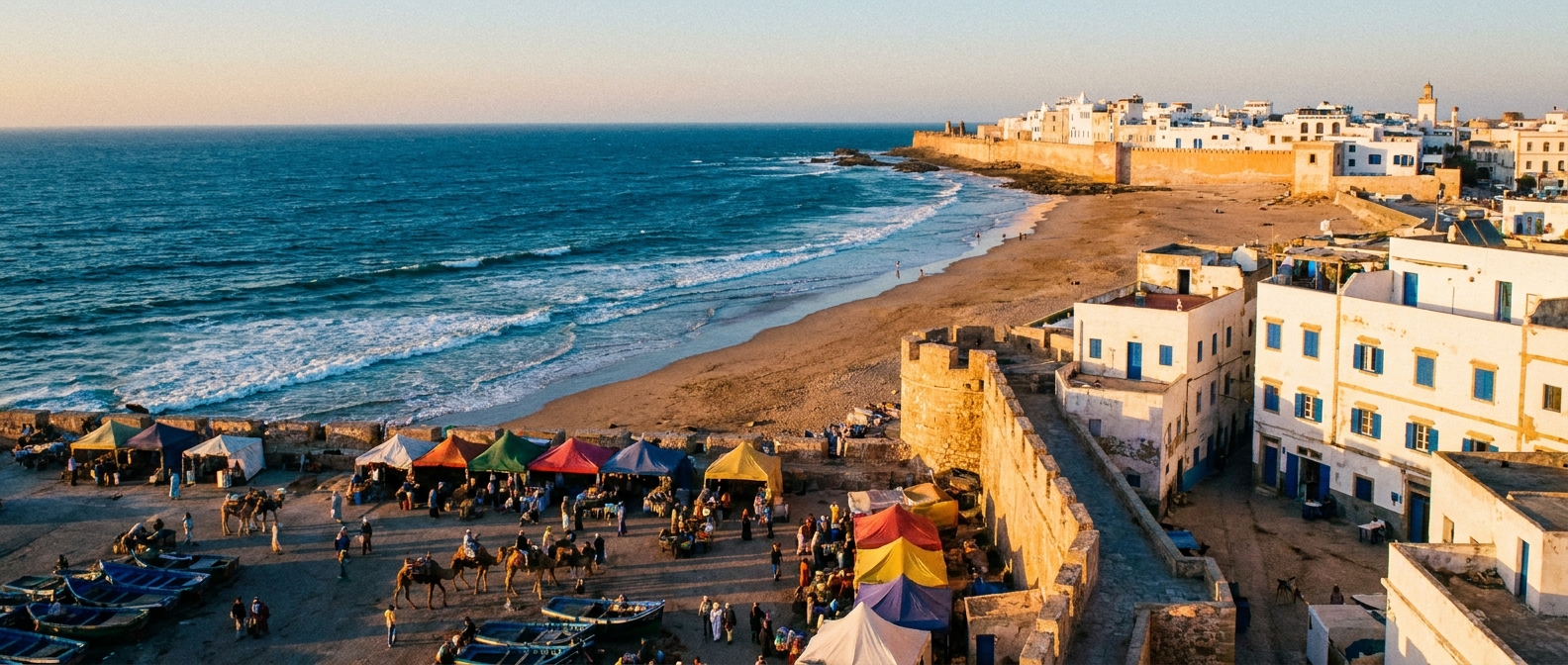
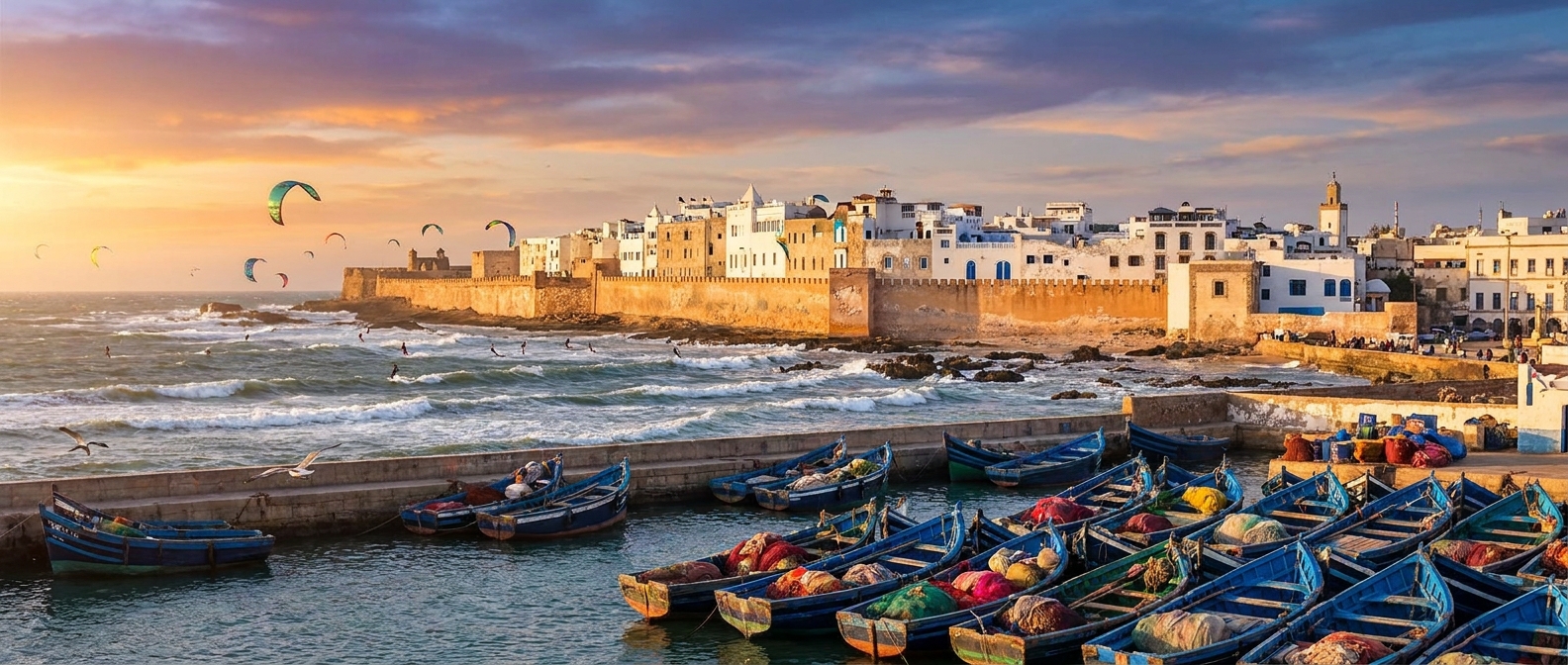
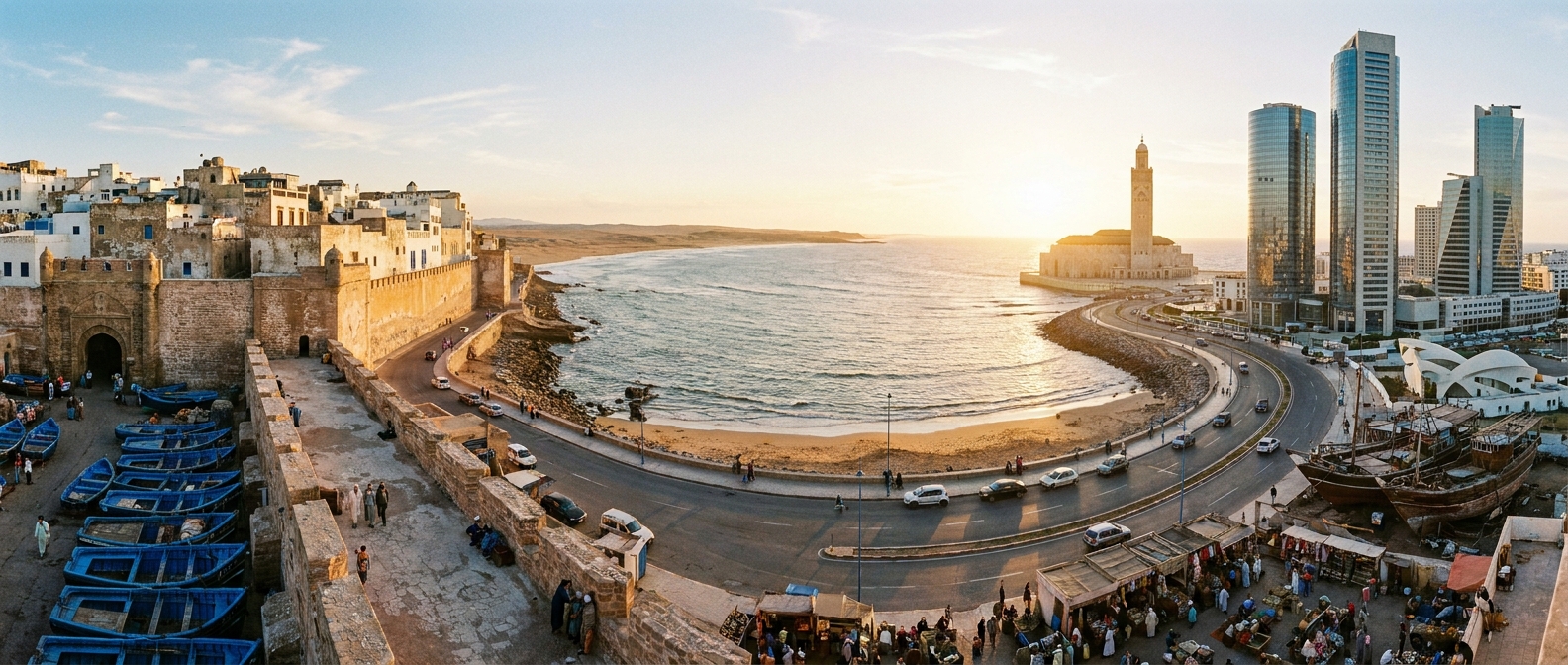
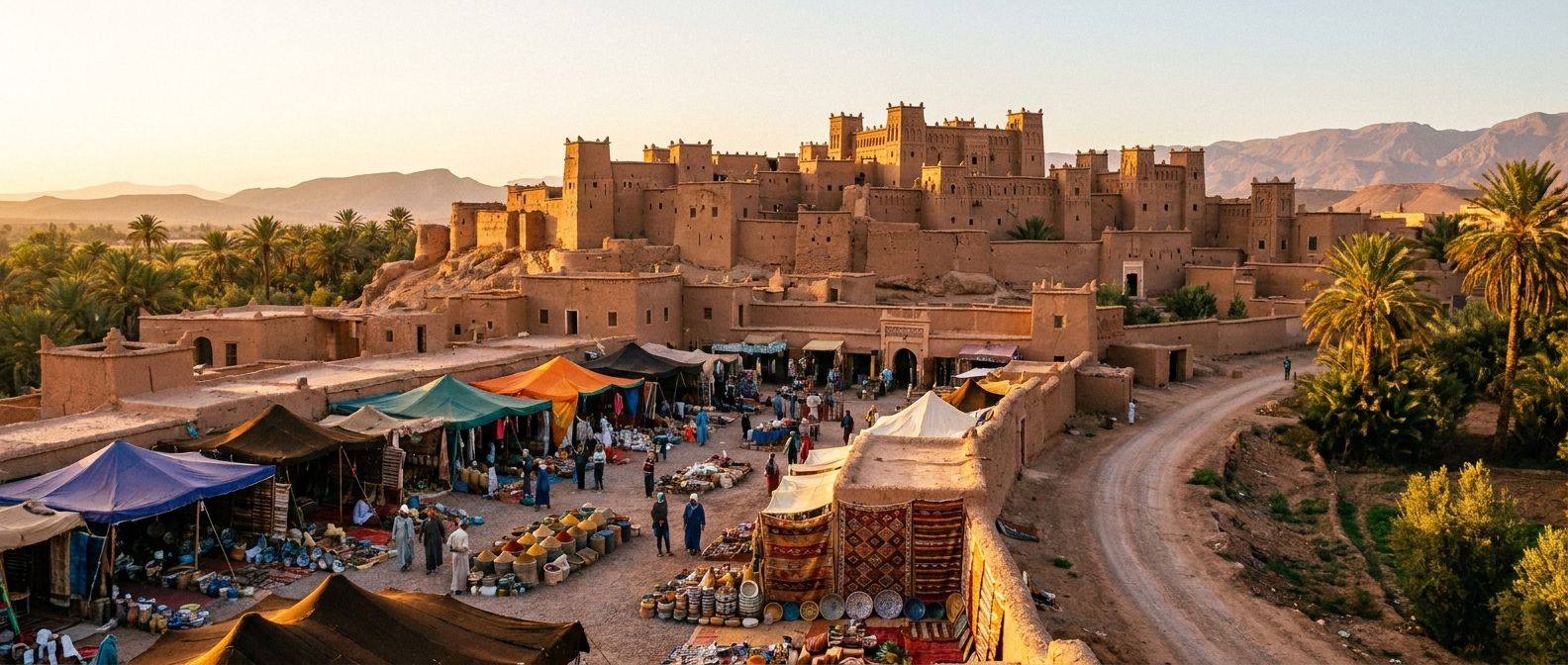
There’s something almost magical about stepping into Essaouira’s spice markets. The air hits you first — warm, complex, and utterly intoxicating. This captivating coastal city has been drawing spice lovers and curious travelers for centuries, and honestly? It’s easy to see why. The blend of Portuguese, Berber, and French influences has created a culinary landscape that’s unlike anywhere else in Morocco.
If you’re planning a visit, you’ll likely want to bring a piece of this heritage home with you. And what better souvenir than the spices that form the backbone of Moroccan cuisine? This guide will walk you through the must-try spices, share some insider tips for buying them, and point you toward the best spots for an authentic shopping experience.
The spice trade here stretches back to the late 18th century, when Essaouira thrived as a major trading port. Today, the medina — a UNESCO World Heritage site, by the way — is still lined with shops and stalls selling spices and dried herbs that tell the story of Morocco’s cultural mosaic. Those traditional blends like ras el hanout? They exist because of centuries of maritime trade and cultural exchanges with Europe and the Middle East.
Historical Significance of Essaouira’s Spice Market
Here’s the thing about Moroccan cooking: spices aren’t just ingredients. They’re essential components of health, flavor, and even identity. Each one carries stories that go way beyond the kitchen, touching on medicine, rituals, and cosmetics. The legacy of spice merchants and those ancient trade routes has kept Essaouira relevant in the global spice world for hundreds of years.
Wandering through the medina’s narrow alleyways is an experience in itself. The layout hasn’t changed much over the centuries, and those vibrant stalls — overflowing with colorful powders and dried herbs — draw locals and visitors alike. You can practically feel the history in the warm, welcoming atmosphere.
What really sets this place apart, though, is the vendors themselves. Many come from families that have been selling spices for generations. They’re not just selling products; they’re sharing wisdom passed down through their lineage. Strike up a conversation, and you’ll learn how each spice fits into daily Moroccan life. It’s the kind of insight you simply can’t get from a cookbook.
Essentials You Must Try
Okay, let’s talk specifics. When you’re in Essaouira, certain spices demand your attention.
Ras el hanout is the star of the show — a quintessential Moroccan blend that can include anywhere from 10 to 30 different ingredients. Here’s what makes it exciting: every vendor has their own secret recipe. So the ras el hanout you buy from one shop will taste noticeably different from another’s. It’s a delightful surprise each time.
Then there’s saffron, often called “Moroccan gold.” Those deep red threads with their rich aroma are a highlight in special dishes like paella and tagines. Yes, it’s one of the world’s most expensive spices — but the quality in Essaouira tends to be exceptional. Just make sure you’re buying from reputable vendors to ensure you’re getting the real deal.
Don’t overlook cumin, either. It’s a workhorse in Moroccan kitchens, valued not just for its warm, aromatic flavor but for its health benefits too — think digestive support and antioxidant properties. From stews to marinades, this spice does it all.
Shopping Tips for Spice Lovers
Want to make the most of your spice shopping adventure? Get there early. The medina’s sweet spot for shopping runs from 9 AM to 6 PM, but those morning hours are golden. Vendors are more engaging, the crowds haven’t descended yet, and you’ll have room to browse without feeling rushed.
And please — don’t be shy about talking to the vendors. This isn’t a grab-and-go situation. They have stories to tell about each spice and can guide you toward blends that match your cooking style. You might even walk away with recipes or cooking tips that’ll transform your kitchen game back home.
One more thing: always check for freshness. Bright colors and strong aromas are your friends here — they signal quality. When it comes to saffron specifically, look for deep red threads. If they appear overly dry, pale, or suspiciously cheap? Walk away. Old or adulterated saffron isn’t worth your money.
Current Trends in Essaouira’s Spice Markets
Culinary tourism is booming, and Essaouira is riding that wave beautifully. More and more cooking workshops are popping up, designed to teach visitors traditional Moroccan cooking methods. These experiences typically center around — you guessed it — the spices that define local cuisine. Imagine learning to prepare tajine or chermoula with ingredients you hand-picked from the souk that morning.
There’s also a growing appetite for organic and ethically sourced spices. Many shops have adapted to meet this demand, offering sustainable products that support local agricultural practices. It’s a win-win: you get high-quality ingredients, and local farmers get fair support.
Tourists who take cooking classes often leave with a deeper appreciation for sourcing spices directly from local vendors. It’s not just about the shopping — it’s about understanding the culture. And those lessons? They stick with you long after you’ve returned to your own kitchen.

Challenges in the Spice Trade

Let’s be real for a moment. While the spice market is a vibrant attraction, it’s not without its issues. Authenticity concerns — especially around saffron and rare varieties — are legitimate. If a price seems too good to be true, it probably is. When it comes to premium spices, quality and authenticity justify the higher cost. Don’t let a bargain tempt you into a bad purchase.
Environmental sustainability is another conversation gaining traction. The impact of spice cultivation on local ecosystems matters, and both vendors and tourists are increasingly prioritizing eco-friendly options. It’s about protecting Essaouira’s reputation as a spice destination for generations to come.
Conclusion and Key Takeaways
Honestly, a trip to Essaouira isn’t complete without losing yourself in its spice markets. The dried herbs, the unique blends, the stories behind each ingredient — it all adds up to an experience that captures Morocco’s rich culinary heritage.
Make sure to try the essentials: ras el hanout for its complex mystery, saffron for its luxurious depth, and cumin for its versatile warmth. Talk to the vendors. Ask questions. Learn how each spice is traditionally used. You’ll not only level up your cooking back home — you’ll also support the local economy and help keep Essaouira’s traditions alive.
Frequently Asked Questions
What are the must-try spices in Essaouira?
You can’t leave without trying ras el hanout, saffron, and cumin. Each one plays a unique role in Moroccan cuisine and reflects the local culture in its own way.
Where can I buy genuine saffron in Essaouira?
Stick to established vendors in the spice souk. Look for those deep red threads, and don’t hesitate to ask about sourcing practices. Good vendors are happy to share this information.
What should I consider while shopping for spices in Essaouira?
Focus on freshness, quality, and the vendor’s reputation. Take time to engage with sellers — they’re a wealth of knowledge about how to use each spice in authentic Moroccan cooking.

Are there any workshops available to learn about Moroccan cooking?

Absolutely! Essaouira has plenty of culinary workshops that focus on traditional cooking methods, often with dedicated lessons about spices. They’re fantastic for hands-on learning and make for unforgettable experiences.