


Your Essential Guide to Authentic Argan Oil Sourcing
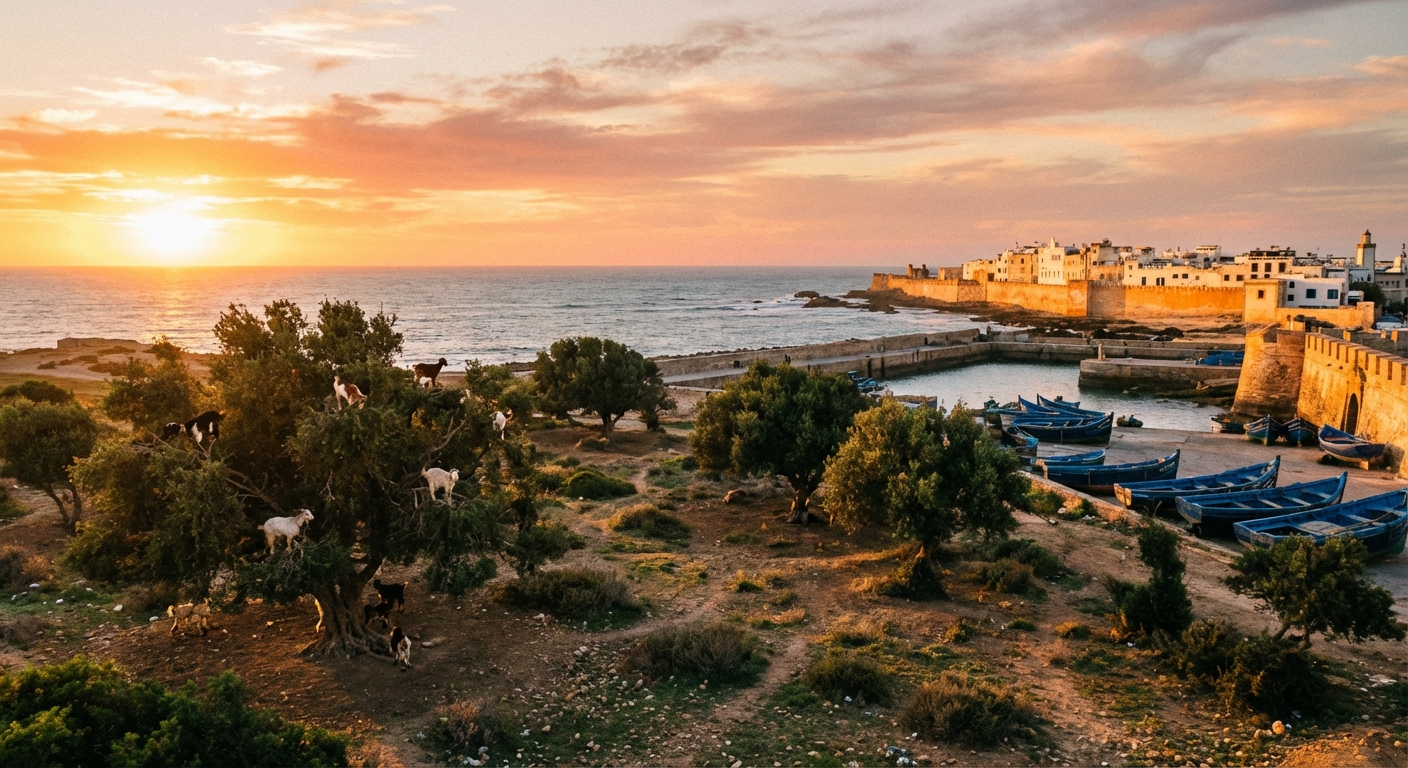
There’s something magical about Essaouira. This windswept coastal city isn’t just Morocco’s bohemian paradise — it’s also ground zero for some of the world’s finest argan oil. You’ve probably heard this golden elixir called “liquid gold,” and honestly? The nickname fits. Packed with vitamin E and essential fatty acids, pure argan oil does wonders for your skin, hair, and overall health.
But here’s the thing: with argan oil’s skyrocketing popularity comes a flood of imitations. Fake products, diluted blends, overpriced tourist traps — they’re everywhere. So how do you find the real deal in Essaouira? That’s exactly what we’re diving into today. Consider this your insider’s guide to scoring authentic argan oil, complete with the best shops, cooperative visits, and tips to spot the genuine article.
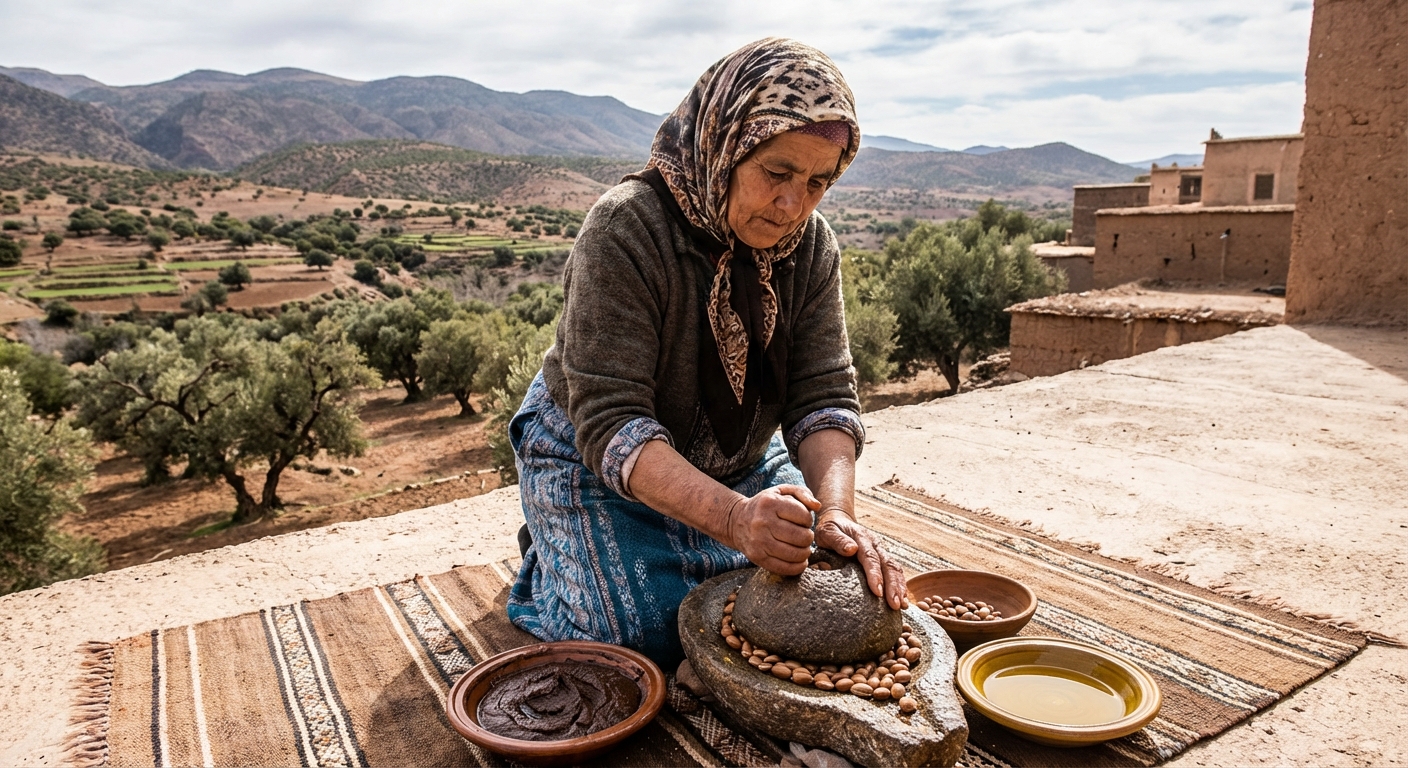
The story of argan oil stretches back centuries, deeply woven into Berber culture. The argan tree — those gnarly, wind-resistant beauties you’ll see dotting the landscape — produces the fruit that makes this precious oil possible. Traditionally, extracting argan oil was exclusively women’s work, a labor-intensive process passed down through generations. Now, with international demand exploding, cooperatives have emerged as the heart of ethical argan oil production in Essaouira. They’re protecting both the craft and the communities behind it.
The Growing Argan Oil Market
Let’s talk numbers for a second — and these are pretty eye-opening. The argan oil market is projected to grow at a compound annual growth rate of about 23.31% from 2026 to 2033. That’s massive. What’s driving this boom? A combination of sustainable production investments and consumers increasingly seeking organic products.
Morocco’s argan oil market currently sits around USD 413.17 million, with projections pushing toward USD 1.238 billion by 2034. Essaouira benefits hugely from its proximity to the argan forests, making it a natural destination for travelers who want products straight from the source — no middlemen, no mystery ingredients.
And here’s what’s interesting: as people become more health-conscious, they’re actively seeking out organic certifications before making purchases. Cold-pressed argan oil, in particular, has seen a surge in demand. This shift toward ethical consumption means understanding what makes argan oil “genuine” isn’t just nice to know — it’s essential.
Expert Insights on Argan Oil Sourcing
I recently came across some great insights from Ismail, who owns Zidrop Argan Oil. His perspective really stuck with me: “At Zidrop, we ensure that every bottle reflects the hard work of our community members and their dedication to sustainable practices.” That kind of transparency? It’s exactly what buyers should be looking for.
Then there’s Cooperative Marjana, which does incredible work empowering women through fair trade practices. When you buy from cooperatives like this, you’re doing more than picking up a skincare product. You’re supporting families, funding local schools, and investing in a community’s future. The oil’s benefits suddenly feel like the bonus, not the main event.
What becomes clear pretty quickly is that authenticity and quality can’t be separated from sustainable community practices. Your purchase isn’t just ethical — it’s helping preserve a centuries-old craft.
Trends Impacting Argan Oil Production
The consumer shift toward organic, ethically sourced products isn’t slowing down anytime soon. Argan oil is riding this wave beautifully, gaining traction in both skincare routines and kitchen pantries (yes, culinary argan oil is a thing — and it’s delicious). Health-conscious buyers want products that are effective, safe, and natural. Argan oil checks all three boxes.
Eco-tourism is also changing the game. More visitors want the full experience — not just buying a bottle, but watching it being made. Cooperatives and organizations like Arganomade now offer workshops where you can try your hand at traditional production methods. It’s part education, part adventure, and totally Instagram-worthy. Plus, you’ll understand exactly why authentic argan oil costs what it does.
Challenges in the Argan Oil Market
Now for the not-so-great news. Despite the market’s growth, authenticity remains a real problem. Walk through any tourist area, and you’ll encounter vendors selling “pure” argan oil at suspiciously low prices. Spoiler alert: it’s probably not pure. Many products are blended with cheaper oils or heavily diluted.
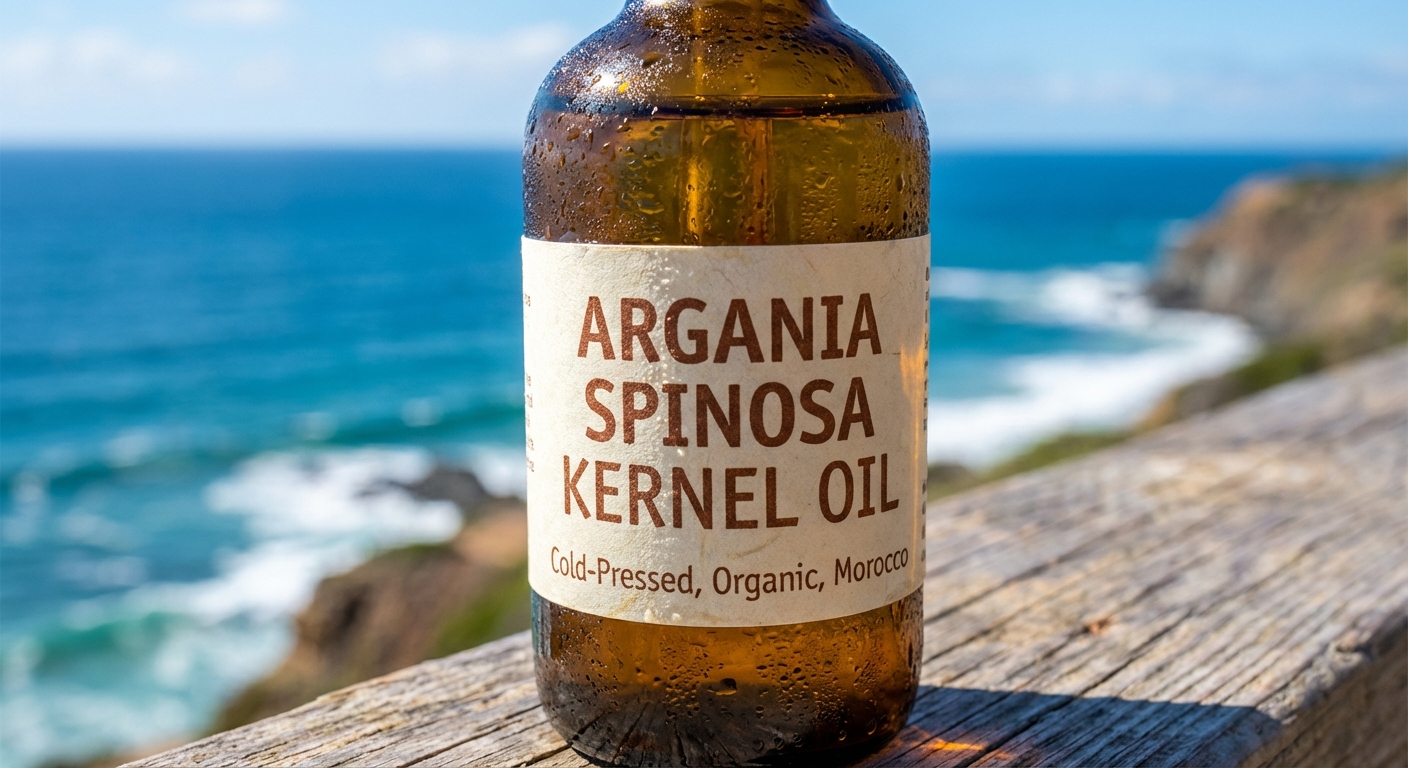
So how do you protect yourself? Start with the label — genuine argan oil should list “Argania Spinosa Kernel Oil” as the main (or only) ingredient. Trust your nose, too. Real argan oil has a subtle, nutty aroma. If it smells strongly perfumed or like nothing at all, walk away.
There’s another concern worth mentioning: sustainability. The argan tree’s habitat faces pressure from overexploitation as demand grows. Supporting cooperatives that prioritize eco-friendly harvesting isn’t just good karma — it’s essential for ensuring this resource survives for future generations.
Summary of Key Findings
If you’re heading to Essaouira with argan oil on your shopping list (and why wouldn’t it be?), prioritize places like Zidrop Argan Oil and Cooperative Marjana. Both offer authentic products backed by fair production practices. You’ll get quality while supporting something meaningful.
Don’t skip the factory tours and workshops if you have time. They transform your purchase from a simple transaction into a real connection with Moroccan culture and craftsmanship. You’ll leave understanding why argan oil matters — far beyond what it does for your skin.
The broader trend toward organic, artisanal products aligns perfectly with what ethical argan oil represents. It’s good for you, good for communities, and helps preserve a cultural legacy that deserves protection.
Frequently Asked Questions
What should I look for when buying argan oil?
Check that the label says “Argania Spinosa Kernel Oil” — that’s the key indicator. Cold-pressed versions retain the most nutrients. Real argan oil has a mild, nutty scent and tends to be thicker than you might expect. If something feels too thin or smells off, trust your instincts.
Why is argan oil called “liquid gold”?
Two reasons, really. First, argan trees only grow in a limited region of Morocco, making the oil genuinely rare. Second, producing it requires serious labor — cracking those notoriously hard nuts isn’t easy. Combine that rarity with its impressive health and beauty benefits, and the “liquid gold” nickname makes perfect sense.
Can I visit argan oil cooperatives in Essaouira?
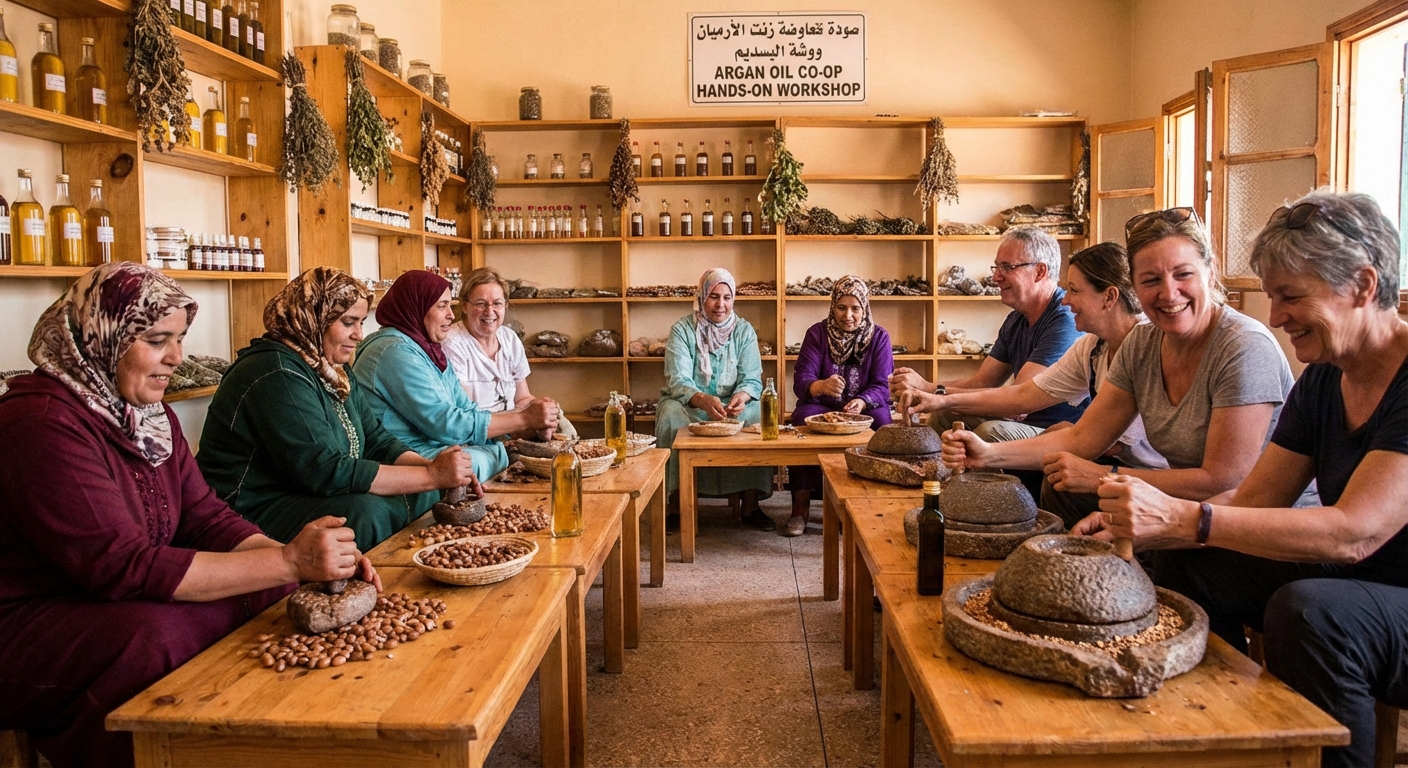
Absolutely — and you should! Many cooperatives welcome visitors for tours and hands-on workshops. You’ll see women working through the traditional production process, learn about sustainability initiatives, and gain appreciation for the skill involved. It’s one of those experiences that makes a trip memorable.
Is argan oil suitable for all skin types?
Generally, yes. Its high vitamin E content provides excellent hydration without clogging pores, so even oily skin types can benefit. That said, if you have particularly sensitive skin, do a small patch test first. Better safe than sorry, right?

