There’s something magical about watching weathered blue fishing boats bob in the harbor while seagulls circle overhead and the smell of grilled sardines fills the salty air. That’s Essaouira port for you — Morocco’s Atlantic gem that somehow manages to feel both ancient and completely alive.
This charming coastal city isn’t your typical polished tourist stop. It’s a working harbor where fishermen have been hauling in their catches for centuries, where the medina walls tell stories of Phoenician traders, and where you can eat the freshest seafood of your life for just a few dollars. Whether you’re a history buff, a foodie, or just someone who loves watching the world go by from a seaside perch, Essaouira has your name written all over it.
Historical Significance of Essaouira Port
Here’s the thing about Essaouira — it’s been important for a really, really long time. We’re talking ancient Phoenician traders stopping by before most of modern Europe even existed. But the port as we know it today? That’s thanks to Sultan Mohammed III, who transformed it into Morocco’s main commercial hub back in 1770.
During its heyday, this little port connected sub-Saharan Africa with Europe. Traders called it the “Port of Timbuktu” — and that wasn’t just fancy marketing. The caravans that passed through here carried gold, ivory, and salt along routes that shaped global commerce. Sure, Casablanca eventually stole the spotlight in the late 1800s, but Essaouira never lost its soul.
You can still see that legacy everywhere. Those ancient ramparts and coastal fortifications? They’re not just pretty backdrops for your Instagram photos (though they work great for that too). They’re physical reminders of a time when this port was a strategic powerhouse — a fascinating blend of Moroccan and European architectural influences that you won’t find anywhere else.
Take a slow walk along the harbor sometime. Watch how the historical buildings frame the bustling activity of fishermen going about their daily work. It’s like the past and present decided to share the same space — and honestly? They get along pretty well.
Current State of the Port
Today’s Essaouira port is wonderfully chaotic in the best possible way. Picture this: rows of traditional blue fishing boats, weathered by decades of Atlantic winds, tied up alongside stone quays. Stalls everywhere selling everything from sea bass to sardines. Locals haggling over prices. Cats — so many cats — hoping for scraps.
This isn’t a sanitized tourist attraction. It’s a real, working harbor where the fishing community does exactly what their grandparents did, and their grandparents before them. The contrast with Morocco’s more polished destinations is refreshing, honestly.
Want to see the port at its most alive? Show up in the morning. That’s when the fishing boats come back loaded with the night’s catch, and the whole place buzzes with energy. Chat with the fishermen if you’re feeling brave — many speak some French or English, and they’re usually happy to explain their techniques or show off a particularly impressive catch. These small interactions? They’ll stick with you long after the trip ends.
Key Statistics You Should Know
Let’s talk practical details before you start packing:
- Best Time to Visit: Spring (April to June) and autumn (September to early November) offer the sweet spot — mild weather without the summer crowds.
- Fishing Activities: Mornings are when the magic happens. The boats return with fresh catches, and you’ll get the full sensory experience.
- Dining Costs: Expect to pay anywhere from 40 to 450 MAD per person at the port’s grill stalls, depending on whether you’re grabbing sardines or splurging on lobster.
- Visitor Numbers: Over a million people visit annually, with most crowding in during peak season — so timing matters.
Armed with these numbers, you can plan a visit that hits all the highlights without fighting through tourist mobs. Trust me, Essaouira is so much better when you can actually breathe.
Expert Insights on Essaouira Port
Don’t just take my word for it. Renowned travel writer Abdul El Fassi puts it perfectly: “The true beauty of Essaouira lies in its authenticity; it is a working harbor that tells the story of Morocco’s relationship with the sea.”
That authenticity is exactly what makes this place special. You’re not visiting a museum or a reconstruction — you’re stepping into a living, breathing community that happens to have centuries of history woven into its daily routines.
Local guides consistently recommend combining your port visit with the surrounding historical sites. The UNESCO-listed medina is steps away, and those ancient fortifications offer incredible views of the harbor below. Think of it as a three-dimensional history lesson, except way more interesting than any classroom.

Trends in Maritime Tourism and Sustainability

Something interesting is happening in Essaouira. Local fishermen — the same families who’ve worked these waters for generations — are increasingly adopting sustainable fishing practices. It’s not just about protecting their livelihoods (though that matters). There’s a genuine commitment to ensuring the ocean remains healthy for future generations.
For eco-conscious travelers, this is huge. You can enjoy that grilled fish platter knowing that the local community is actively working to preserve marine resources. Several eco-tourism initiatives have sprung up around this movement, giving visitors a chance to learn about — and even participate in — conservation efforts.
Cultural festivals celebrating seafood and maritime traditions have also exploded in popularity recently. These events bring together tourists and locals in a way that feels genuine, highlighting the abundance of the sea and its central role in Essaouira’s identity. If your timing’s right, catching one of these festivals can transform a good trip into an unforgettable one.
Challenges Facing Essaouira Port
Let’s be real for a moment. Essaouira’s growing popularity isn’t without downsides.
During peak seasons, the port can get crowded — really crowded. And with crowds come the usual concerns: environmental strain, pressure on local customs, the gradual creep of over-commercialization. You might notice the tension between a thriving tourist industry and a fishing community that’s been here long before visitors started arriving with cameras and guidebooks.
There’s also the fundamental challenge of being both a working port and a tourist attraction. Fishermen need to do their jobs; tourists want to take photos and ask questions. Locals are navigating competing interests — making money from tourism while preserving the authentic character that made tourists interested in the first place.
It’s a balancing act, and nobody’s figured out the perfect solution yet. As a visitor, being respectful and mindful goes a long way. Stay out of the way when boats are unloading. Ask before photographing someone. Buy from local vendors instead of chain restaurants. Small gestures, big impact.
The Essence of Essaouira Port
So what’s the takeaway here? Essaouira port is more than a pretty harbor — it’s a living piece of Moroccan maritime history that somehow manages to stay authentic despite its popularity.
Visit in spring or autumn for the best weather and fewer crowds. Get up early to see the fishing boats return. Eat at the grill stalls — yes, the ones that look a bit rough around the edges — because that’s where the freshest seafood and the best stories are. Chat with the locals. Wander without a strict itinerary.
And maybe most importantly? Engage thoughtfully with the place. Support sustainable tourism efforts. Respect the community that calls this port home year-round, not just during vacation season.
Do all that, and Essaouira won’t just be another stamp in your passport. It’ll be the trip you keep telling people about, years later, when someone asks about your favorite places in the world.
Frequently Asked Questions
What is the best time to visit Essaouira port?
Spring (April to June) and autumn (September to early November) are your best bets. The weather’s mild, fishing activities peak, and you won’t be elbow-to-elbow with other tourists.
What activities can visitors do at Essaouira port?
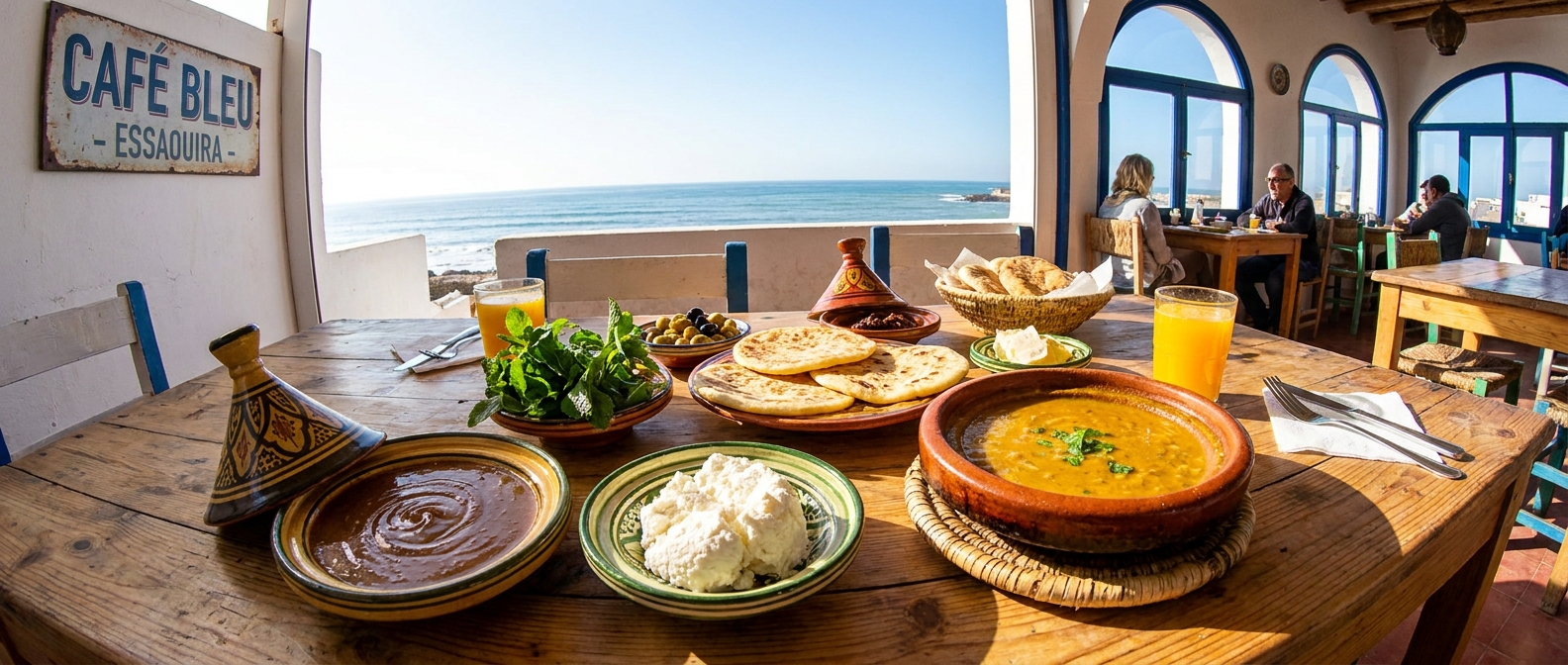
Plenty! Wander through the bustling fish market, strike up conversations with local fishermen, feast on ridiculously fresh seafood at the grill stalls, and soak in the historical sites scattered around the harbor. Photography enthusiasts will have a field day.

Are there any sustainable tourism practices in Essaouira?

Absolutely. Local fishermen have embraced environmentally-friendly methods, and several eco-tourism initiatives focus specifically on marine conservation. It’s actually one of the more encouraging sustainability stories you’ll find in Moroccan tourism.
What are the typical dining costs at Essaouira port?
Budget anywhere from 40 to 450 MAD per person at the port’s grill stalls. A simple sardine plate sits at the lower end; if you’re eyeing the lobster or prawns, expect to pay more. Either way, it’s excellent value for the freshness you’re getting.