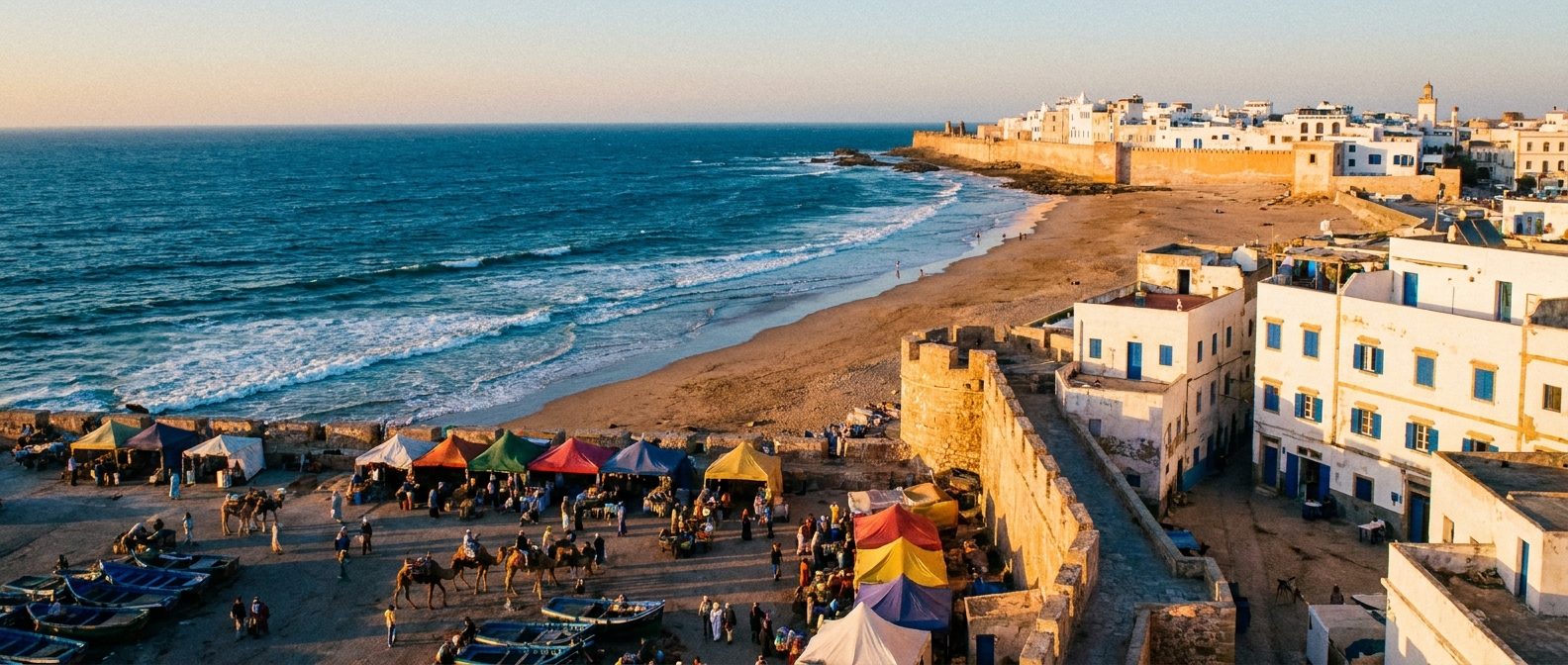
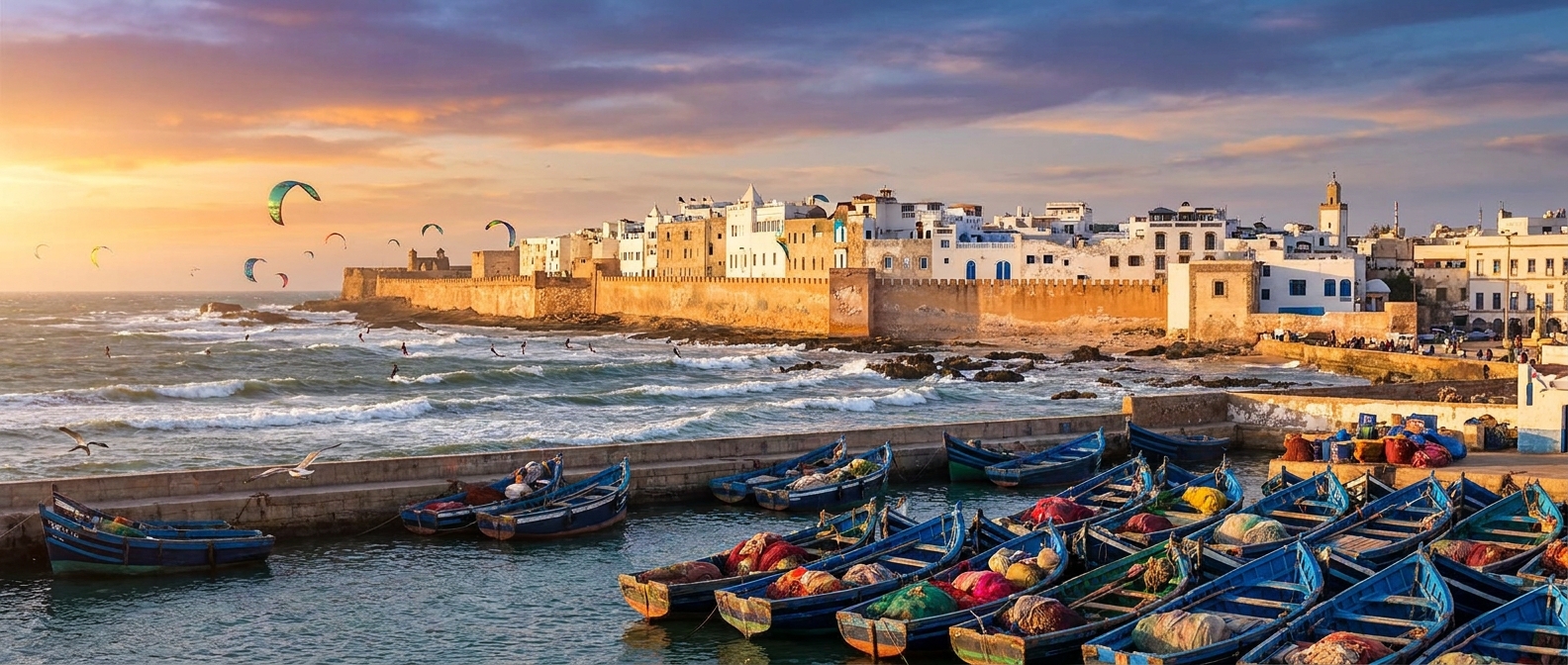
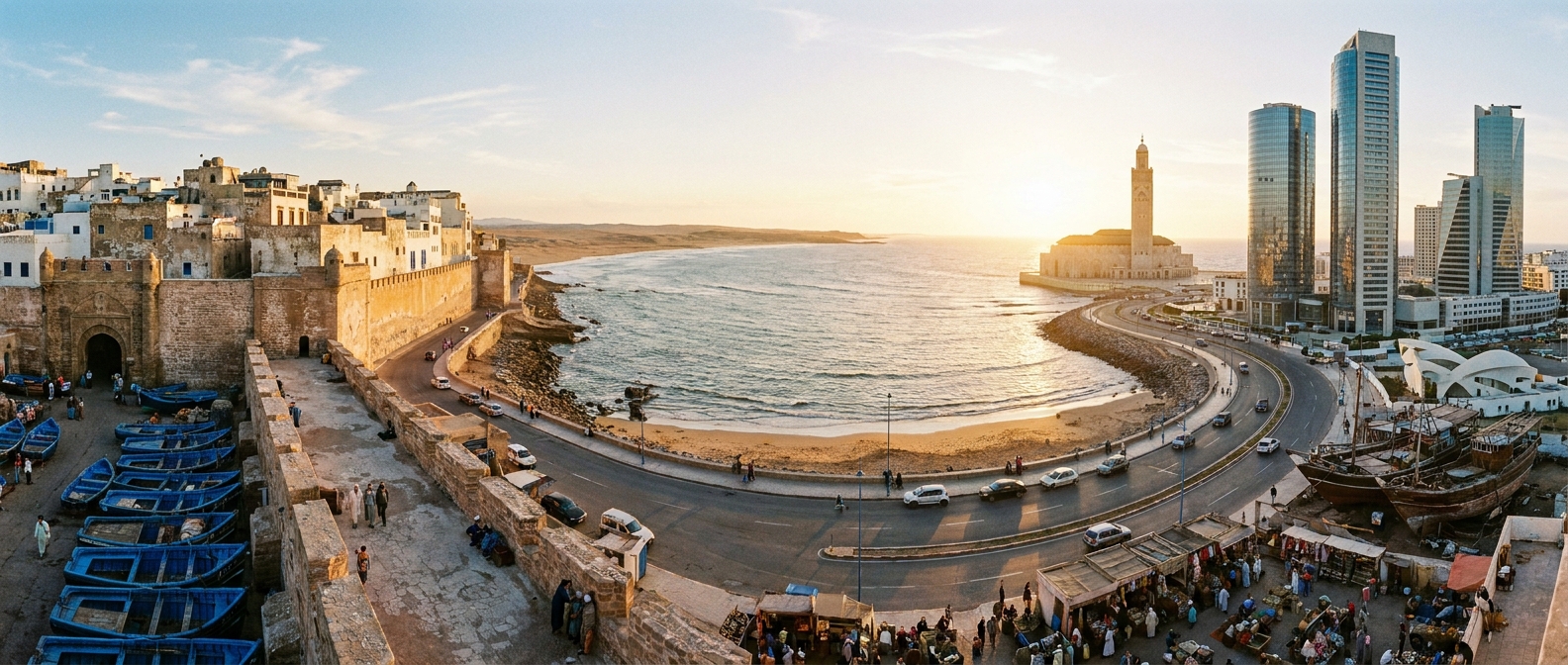
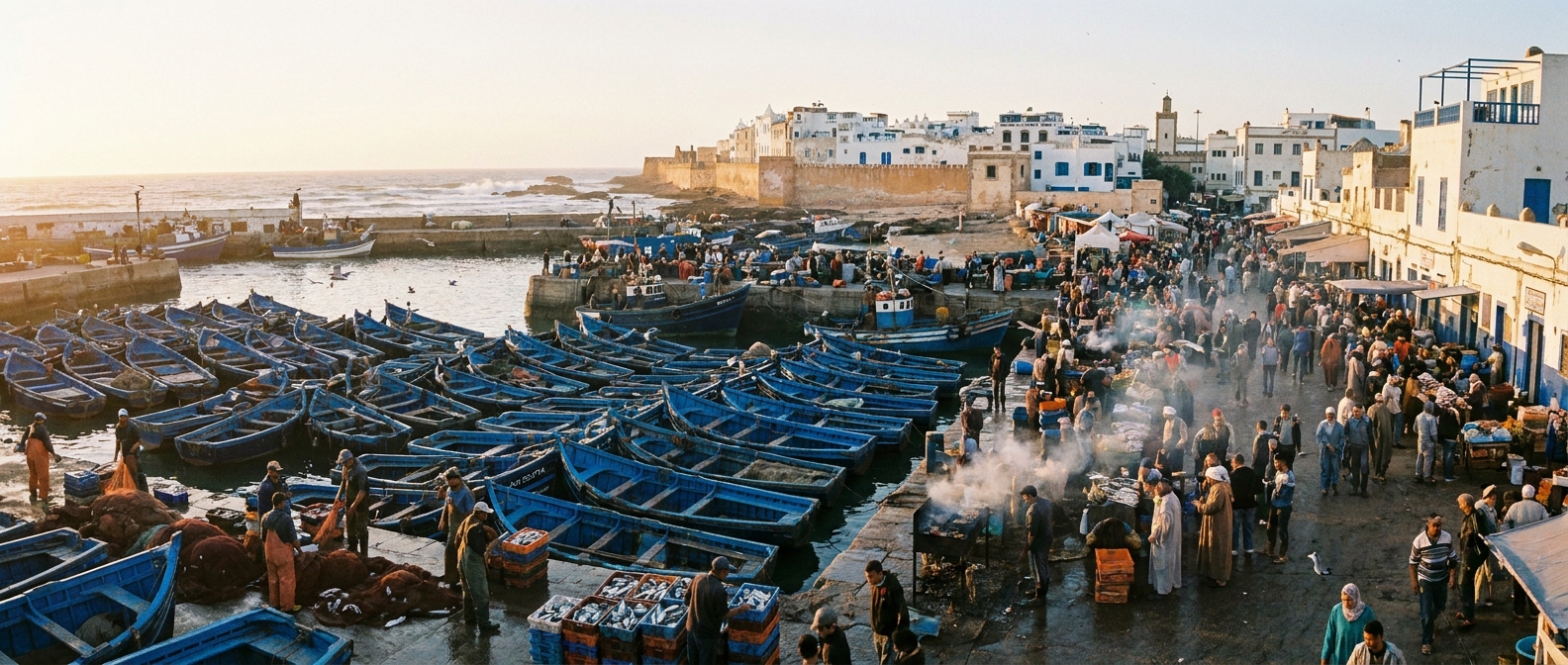
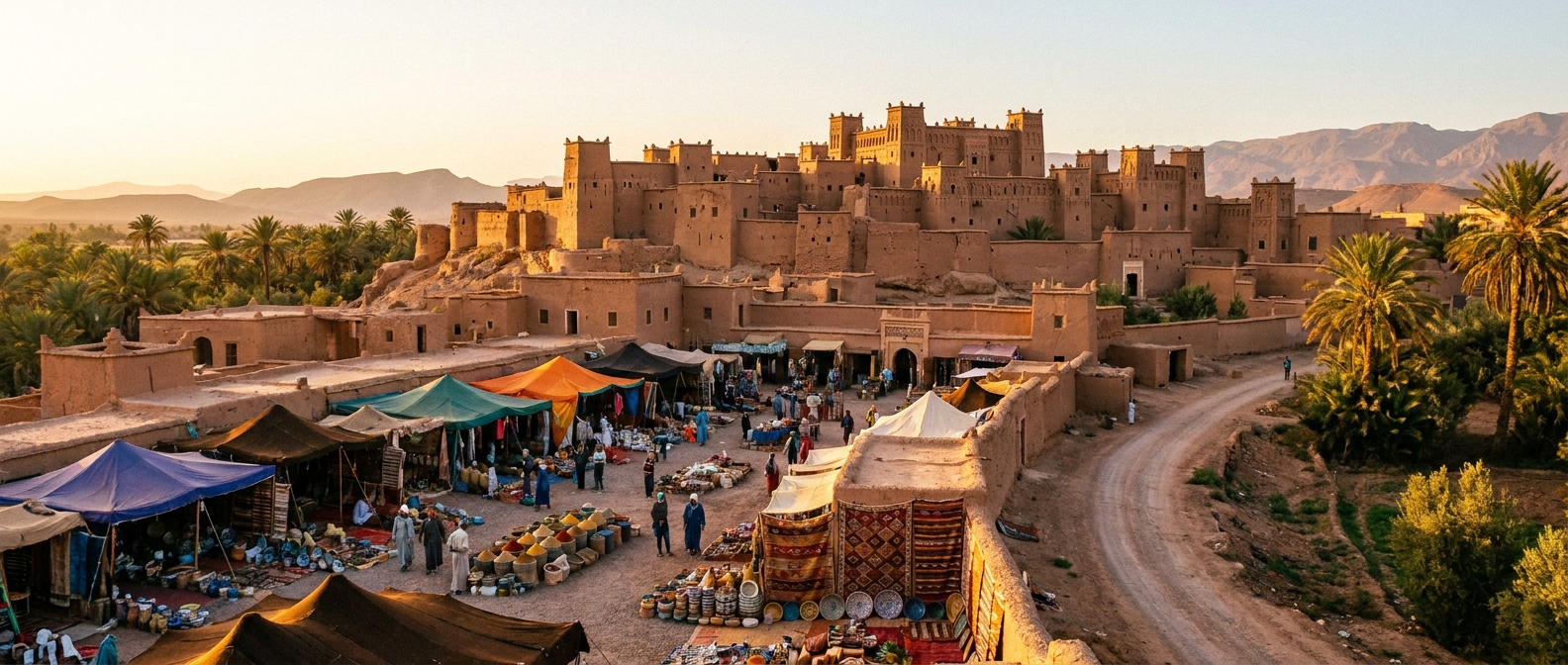
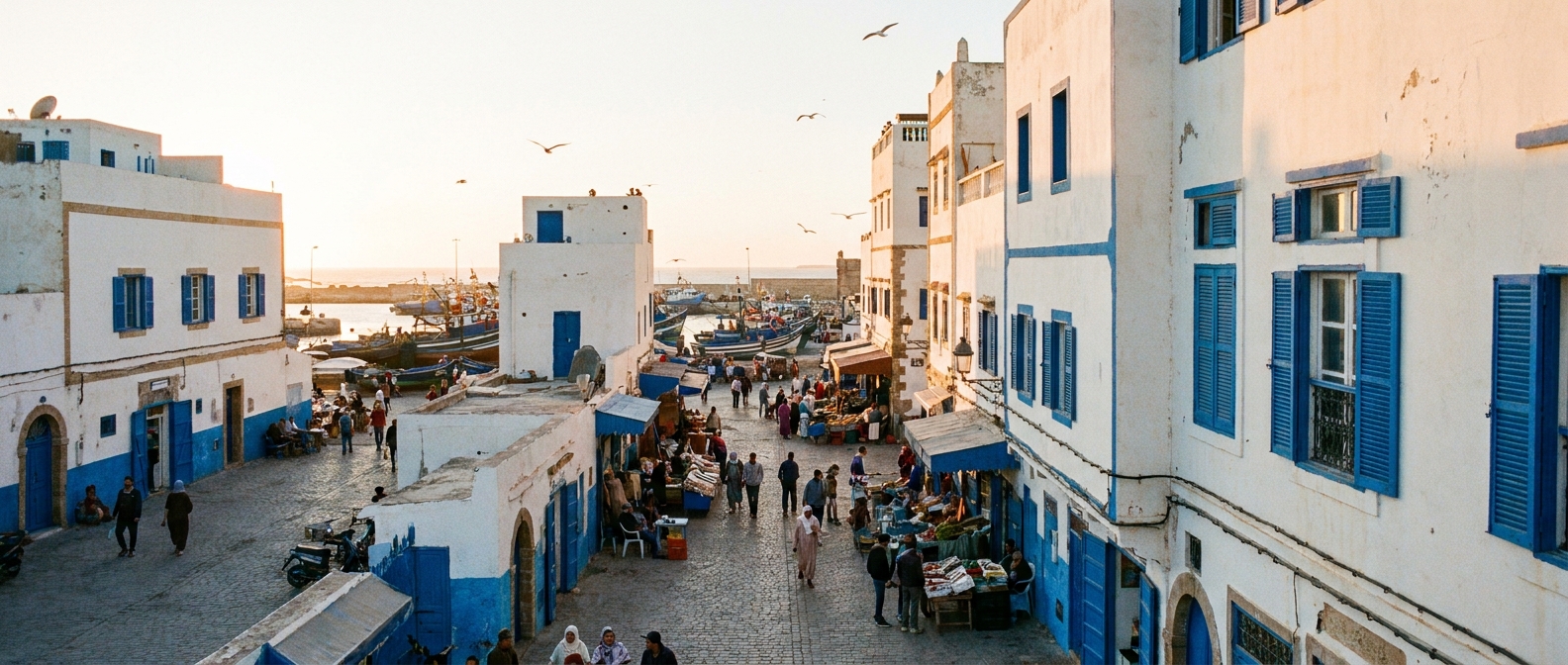
There’s something almost dreamlike about Essaouira. This coastal Moroccan city wraps you in shades of blue and white the moment you step through its ancient gates — a color palette that’s become as iconic as the city itself. As a UNESCO World Heritage Site, these vibrant hues aren’t just pretty backdrops for your Instagram feed. They’re threads in a centuries-old tapestry of history, identity, and artistic expression.
Wander through narrow, winding streets lined with whitewashed buildings. Notice those vivid blue shutters catching the Atlantic breeze. You’re walking through a living museum of Morocco’s architectural evolution — and honestly, it’s hard not to fall a little in love with the place.
But here’s the thing: Essaouira isn’t stuck in the past. Today, it’s a buzzing hub where creativity and tourism intersect in fascinating ways, drawing visitors from every corner of the globe. Let’s dive into what makes these streets so magical — the history, the current scene, and why this city keeps showing up on every traveler’s bucket list.
Historical Evolution of Essaouira
Sultan Mohammed III had a vision back in the 18th century. He wanted a fortified port that could supercharge trade with Europe and America. So he brought in French engineer Théodore Cornut to make it happen. The result? A city layout that somehow manages to be both practical and gorgeous — structured streets, impressive ramparts, and a blend of Portuguese and Spanish architectural influences that gives Essaouira its distinctive visual personality.
Then came the 1960s, and everything shifted. Artists and musicians discovered this quiet coastal gem, transforming it into a creative sanctuary. The blue and white color scheme — which had started as a practical solution using leftover paint from fishing boats — became symbolic of peace and tranquility. (And yes, those bright colors actually help keep interiors cool under the Moroccan sun. Form meets function.)
Over the decades, Essaouira held onto its soul while the world changed around it. The streets still pulse with local artisans at work, their craft traditions passed down through generations. It’s not just architecture here — it’s a way of life that’s managed to survive and thrive.
The Current Thriving State of Essaouira
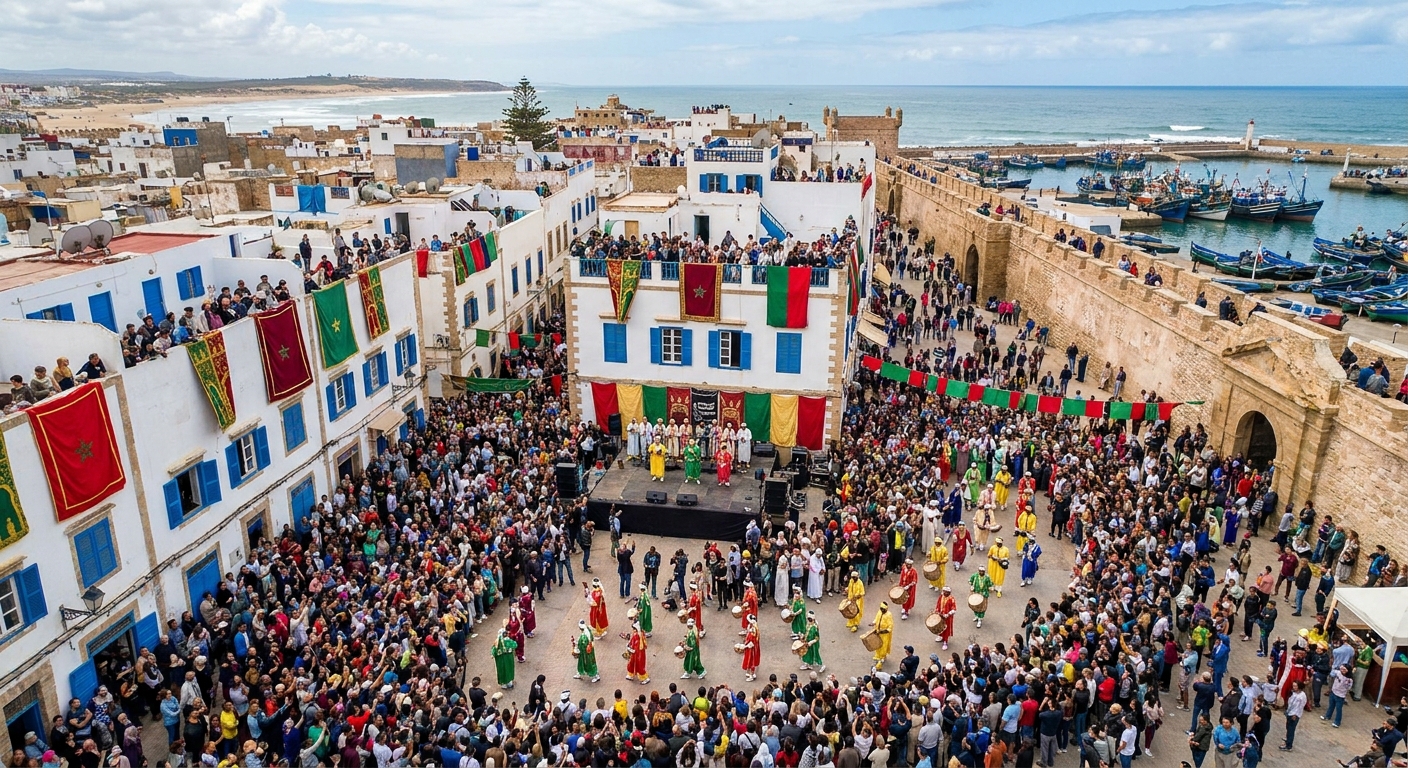
If Marrakech feels like sensory overload (and let’s be honest, it often does), Essaouira is the laid-back antidote. The pace here is gentler, the vibe more relaxed. Tourists come for the medina and stay for the beaches. Cultural festivals pump energy into the city at regular intervals. And those narrow streets? They’re basically an open-air gallery of handmade crafts and traditional Moroccan goods.
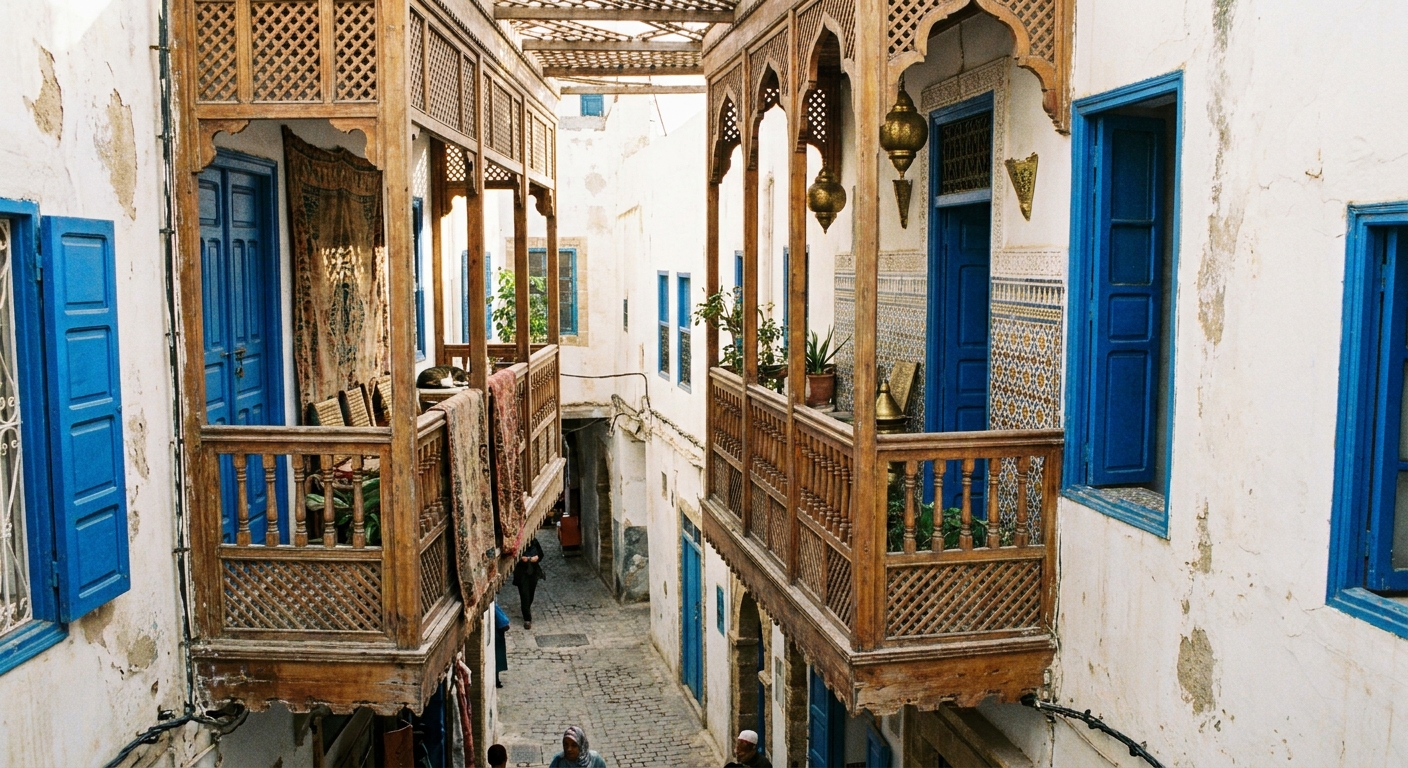
What really stands out is how well the architecture has been preserved. You’ll spot intricately designed wooden balconies, striking blue doors that practically beg to be photographed, and traditional techniques that have survived centuries. The Gnaoua World Music Festival alone pulls in over 100,000 visitors each year — that’s not a typo — celebrating the region’s musical roots with serious style.
The vibrant markets do double duty here. They keep tourists happy and cameras clicking, sure. But more importantly, they sustain the cultural spirit that makes Essaouira special, supporting local artisans while adapting to modern tourism demands. It’s a delicate balance, and somehow, they’re making it work.
Key Statistics & Insights about Essaouira
Let’s talk numbers for a moment. Essaouira is home to around 77,000 residents, but its influence punches well above that weight class. The UNESCO World Heritage inscription in 2001 put an official stamp on what locals already knew — this place matters historically and culturally.
Here’s a stat that caught my attention: tourism jumped 25% in 2022 compared to the previous year. People are clearly hungry for what Essaouira offers. The Gnaoua World Music Festival continues to be a major draw, and the city’s reputation as a street photography paradise keeps growing — partly thanks to how ridiculously photogenic every corner seems to be.
What makes Essaouira work is this seamless blend of past and present. History buffs get their fix. Culture seekers find authenticity. And everyone leaves feeling like they’ve connected with something meaningful.
Expert Insights on Essaouira’s Significance
Talk to any cultural expert about Essaouira, and one word keeps coming up: melting pot. Berber, Arab, and European influences have collided here for centuries, leaving their marks on everything from the architecture to the food to the music echoing through the streets.
Renowned travel writer Christiane Doré puts it perfectly: “In Essaouira, every corner tells a story.” She’s not exaggerating. The physical structures themselves are like history books you can touch — each blue door, each weathered wall holding generations of narratives.
Travel blogger Marie La around the world describes the experience as “stepping into a living painting.” That blue-and-white palette creates something almost surreal, a quality that draws photographers and artists like moths to flame. It’s not just pretty — it’s genuinely enchanting in a way that’s hard to articulate until you’re standing there yourself.
Emerging Trends in Essaouira
1. Sustainable Tourism: The city’s getting serious about protecting what makes it special. Eco-friendly initiatives are popping up everywhere, with a real focus on preserving cultural treasures while championing local craftspeople. Smart approach.
2. Digital Nomad Destination: Plot twist — Essaouira has become a hotspot for remote workers. The tranquil environment and jaw-dropping scenery make it perfect for anyone looking to escape urban chaos while still getting work done. Wi-fi with a view of the Atlantic? Yes, please.
3. Evolving Culinary Scene: Traditional Moroccan flavors are getting a Mediterranean remix these days. Fresh seafood takes center stage — makes sense for a coastal city — and the fusion results are genuinely exciting for food lovers.
4. Rise of Street Photography: With so many visitors drawn specifically to capture the city’s aesthetics, street photography has become a thing unto itself. The blue doors, the whitewashed walls, the play of light through narrow alleys — it’s basically a photographer’s playground.
Challenges Facing Essaouira
Now for the harder truth. Essaouira’s popularity comes with complications. Balancing tourist influx against cultural preservation isn’t easy — and the city’s wrestling with exactly that tension right now.
Commercialization is creeping in. Some worry that authentic artisan shops might eventually get squeezed out by businesses laser-focused on tourist dollars rather than traditional craftsmanship. That would be a real loss.
Then there’s the environmental angle. More visitors mean more foot traffic, more waste, more pressure on coastal ecosystems. Degradation is a genuine concern that can’t be ignored if the city wants to protect the natural beauty that draws people in the first place.
The solution? It’ll take collaboration between local authorities and communities to build a sustainable tourism model. One that welcomes visitors while fiercely protecting Essaouira’s identity. Not simple — but essential.
Conclusion: The Timeless Allure of Essaouira
Those blue and white streets aren’t going anywhere. They remain the beating heart of Essaouira’s identity — a visual testament to centuries of artistic heritage and cultural exchange. The UNESCO recognition confirms what any visitor figures out within hours: this city matters.
Looking ahead, Essaouira seems well-positioned to maintain its beloved status. The growing focus on sustainable tourism, the rich culinary evolution, the creative energy — it all points to a city that’s evolving thoughtfully rather than just chasing tourist money.
Whether you’re a seasoned traveler with passport stamps from fifty countries or someone planning their very first Moroccan adventure, Essaouira has a story waiting for you. The charm is real. The streets are calling. And honestly? They’re even more magical than the photos suggest.
Frequently Asked Questions
What are the must-see attractions in Essaouira?
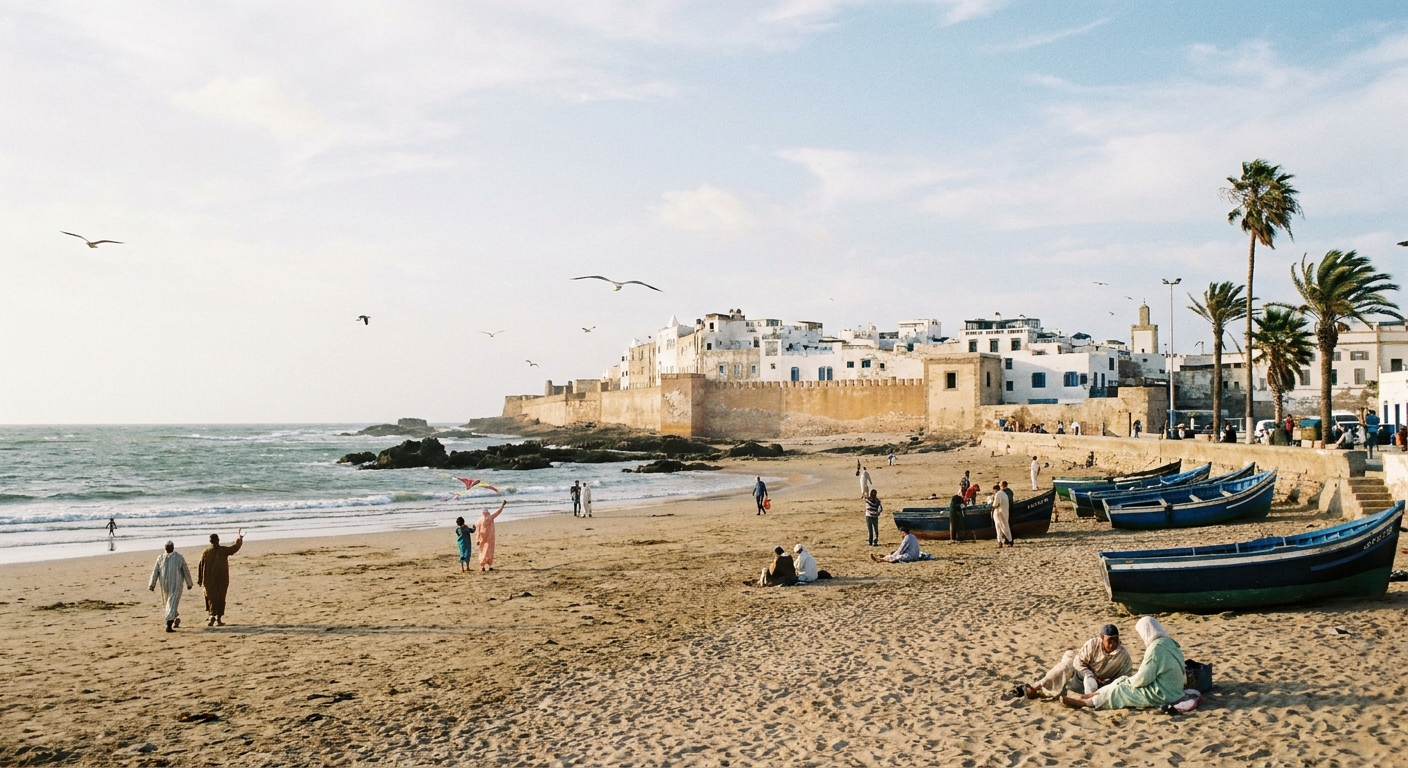
Start with the historic medina — it’s the heart of everything. The ramparts offer incredible views, and you’ll want to lose yourself in the local artisan shops for a few hours. The fish market is chaotic in the best possible way. If your timing lines up with the Gnaoua World Music Festival, don’t miss it. And save time for the beaches — they’re worth the sandy feet.
When is the best time to visit Essaouira?
Spring (March through May) and fall (September to November) hit the sweet spot weather-wise. Pleasant temperatures, comfortable for walking, ideal for outdoor exploring. Summer can get windy — which is great for kitesurfers but less ideal if you just want to lounge on the beach.
How can I get to Essaouira?
Most travelers arrive by bus from Marrakech or Agadir — the routes are scenic and affordable. There’s also a small airport serving various destinations if you prefer to fly. The journey from Marrakech takes about 2.5 to 3 hours by road, and the landscape along the way is gorgeous.
Is Essaouira safe for tourists?
Generally, yes — very much so. The local community tends to be friendly and welcoming, and the atmosphere feels relaxed rather than intimidating. That said, standard travel smarts still apply. Keep an eye on your belongings in crowded areas, stay aware of your surroundings, the usual stuff.