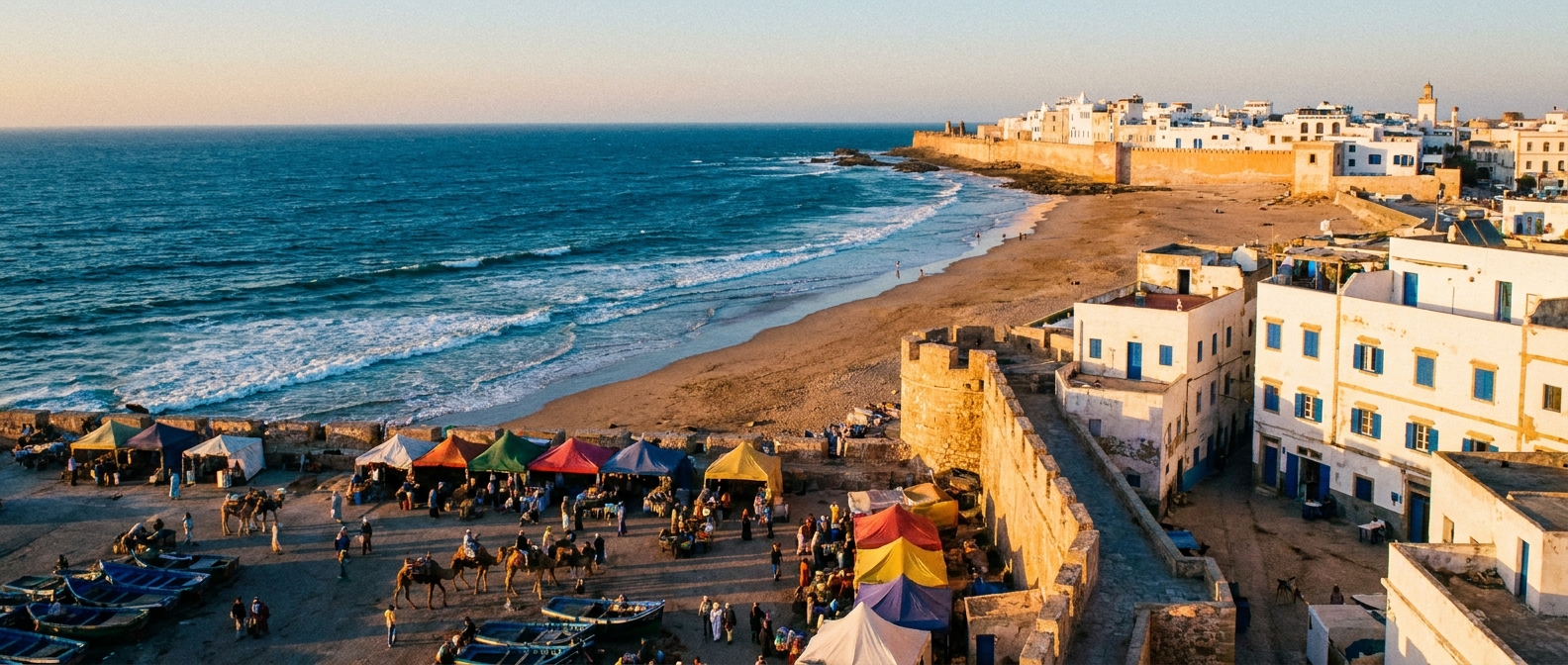
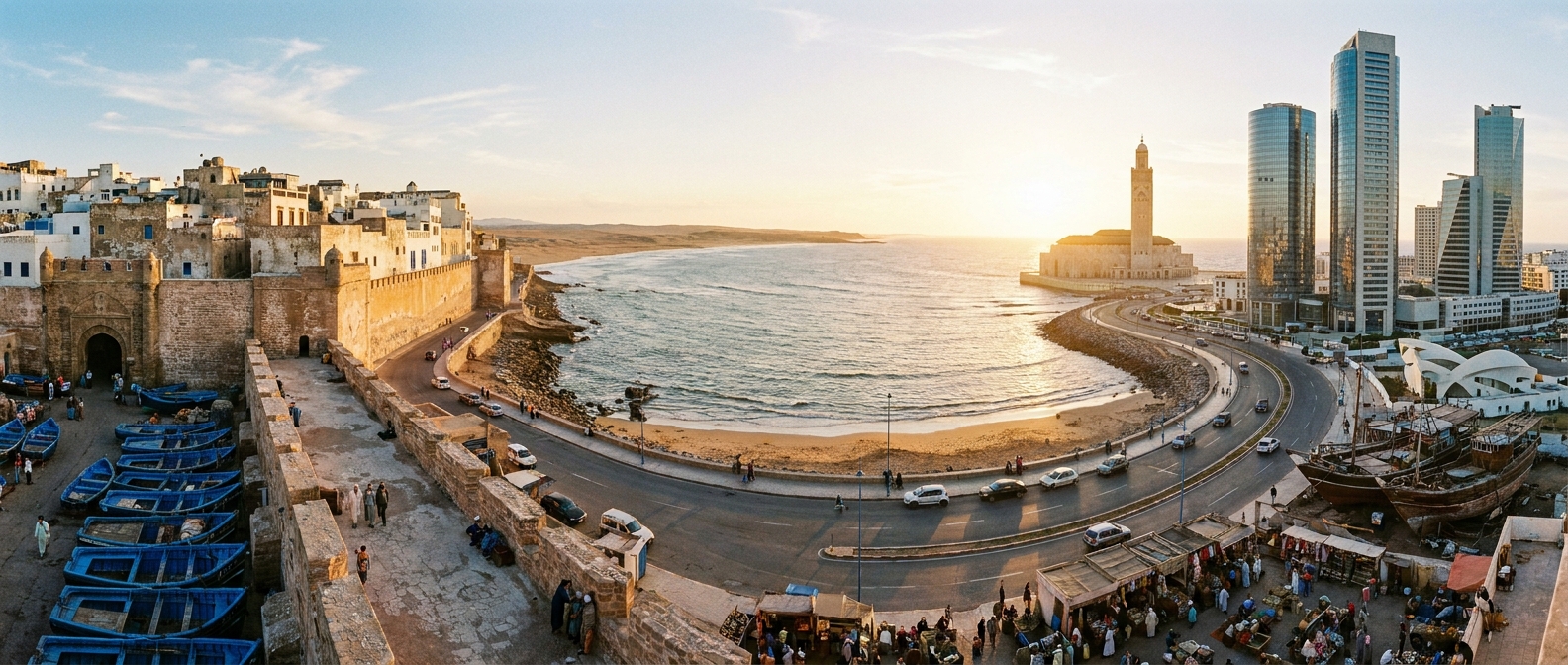
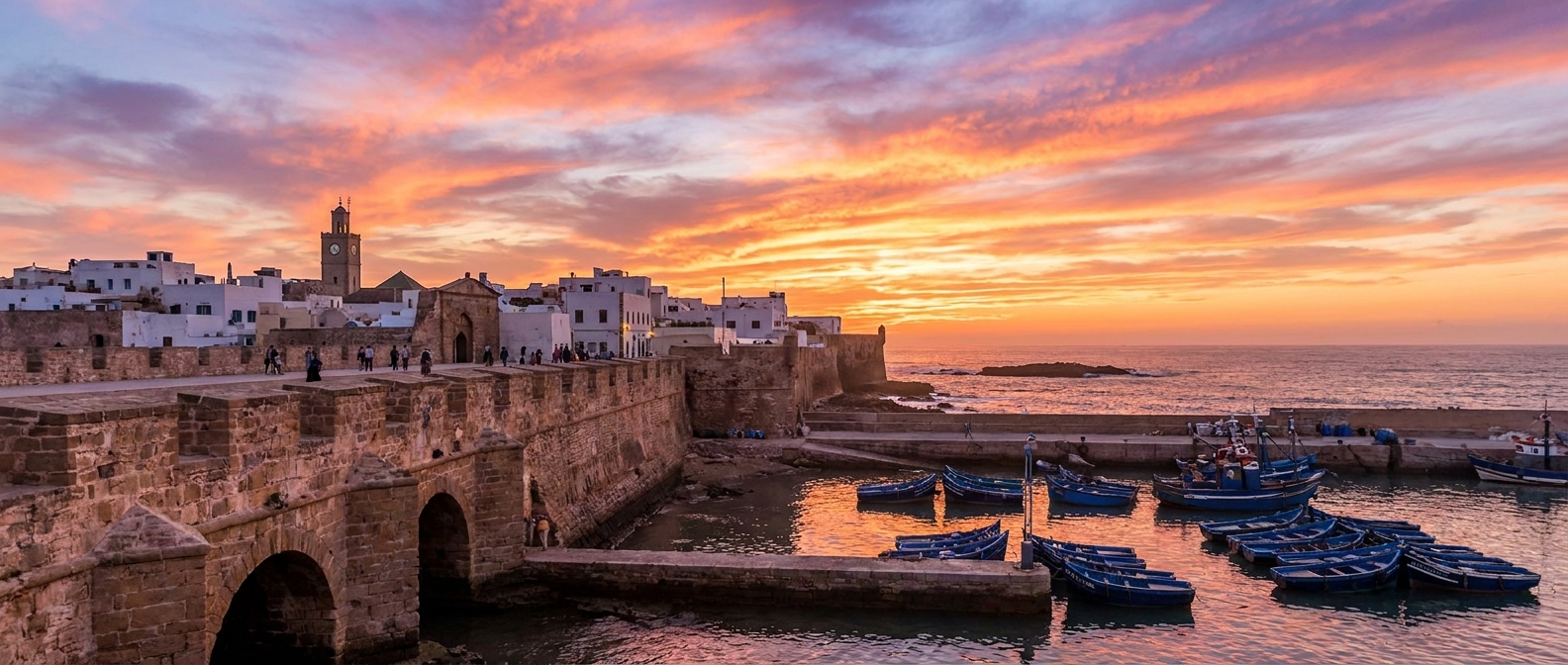
Here’s something that catches most visitors off guard: Essaouira gets surprisingly cool after dark. This wind-swept coastal city — famous for its UNESCO-listed medina and laid-back artistic vibe — sits right on the Atlantic, and trust me, the ocean makes its presence known once the sun dips below the horizon.
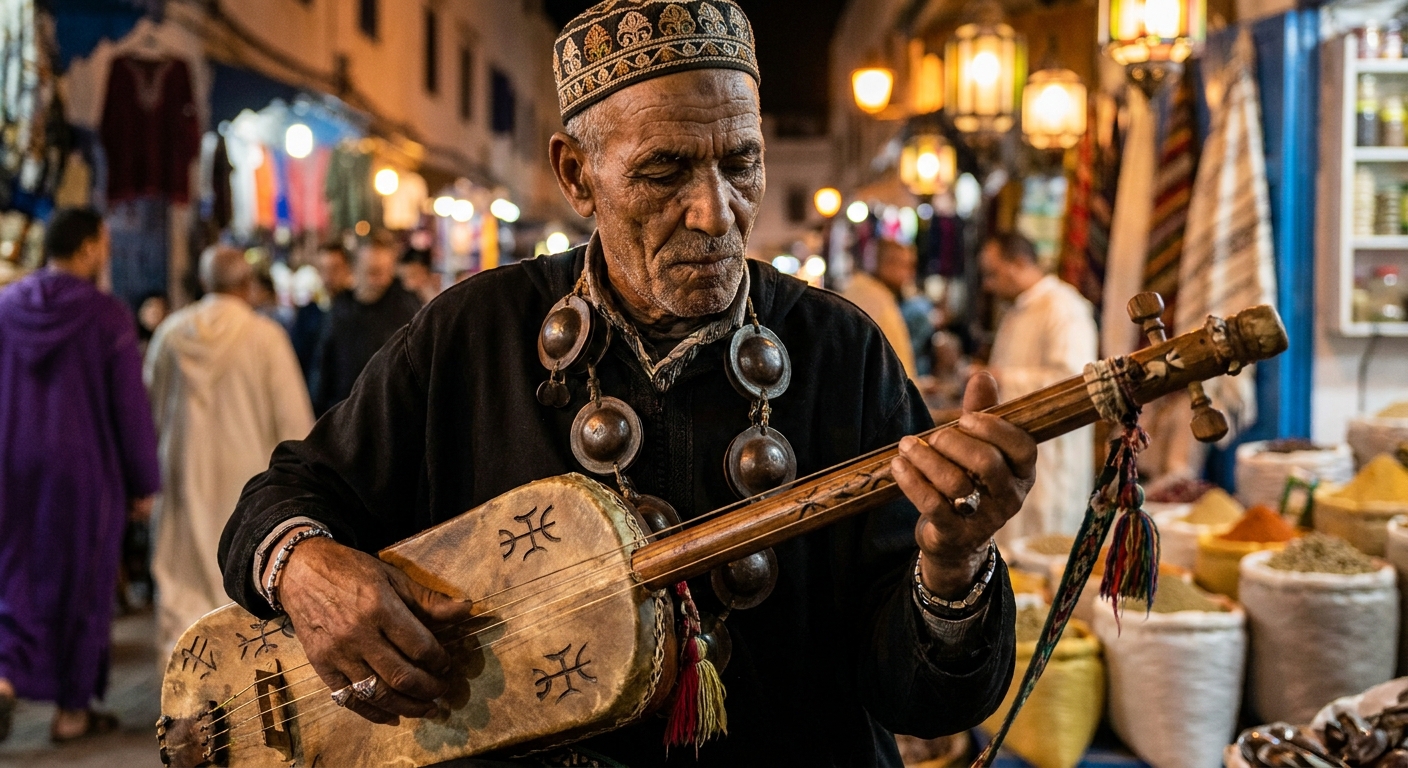
Whether you’re planning romantic evening strolls through the blue-and-white streets or hoping to catch some late-night live Gnawa music, knowing what to expect temperature-wise can make or break your experience. So let’s break down exactly what those Essaouira nights have in store for you.
The Charm of Essaouira: A Historical Overview
Essaouira’s story is a fascinating blend of Moroccan tradition mixed with Portuguese and French influences. Built in the late 18th century, this place served as a crucial trading post — and you can still feel that cosmopolitan energy today. The historic ramparts, the bustling souks, the fishing port… it all comes together in a way that’s distinctly Essaouira.
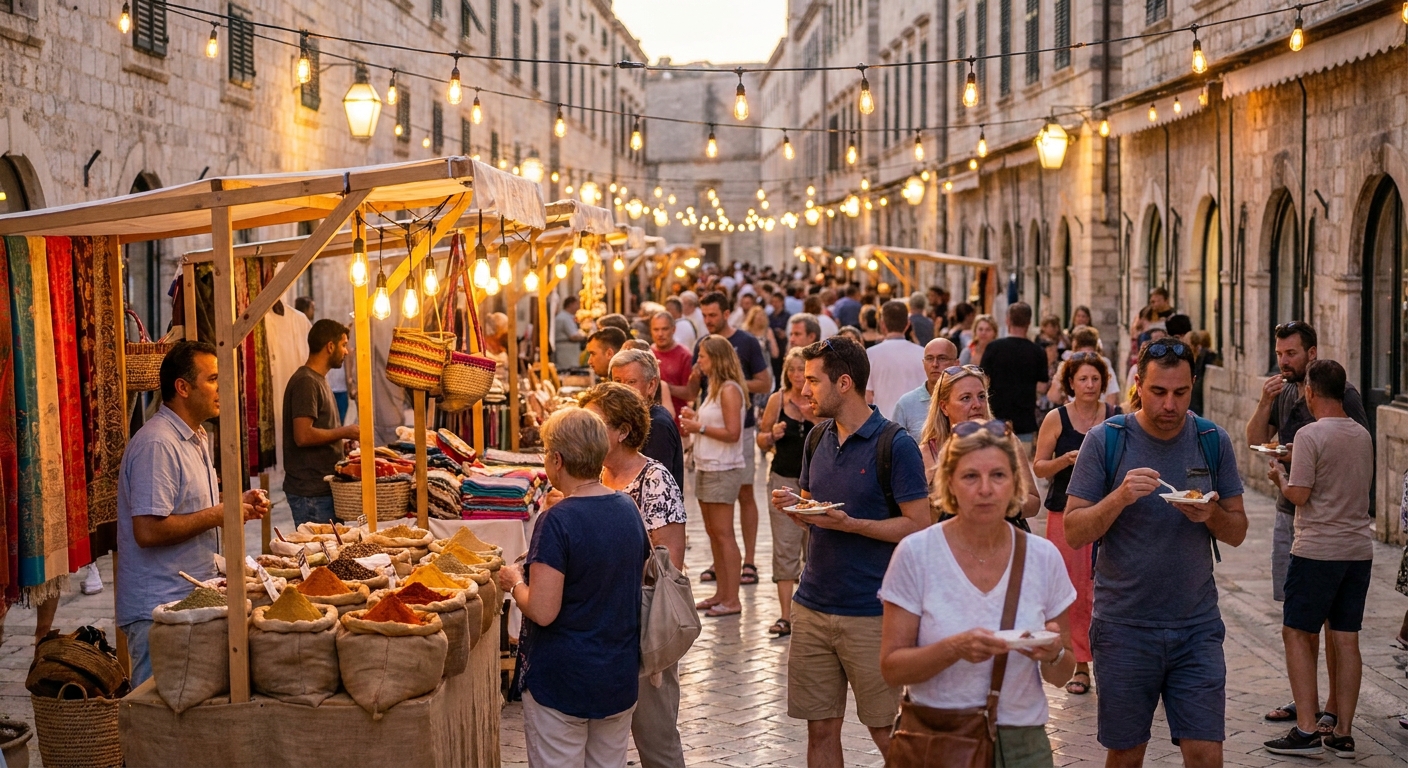
But here’s the thing about coastal cities: the weather plays by different rules. Night temperatures can swing dramatically from those warm afternoon highs, which means you’ll want to plan ahead for evening adventures. There’s something magical about wandering the medina as cool Atlantic air sweeps through the narrow streets — but only if you’re dressed for it.
Current Climatic Conditions
Essaouira enjoys what locals proudly call “eternal spring” weather. It’s mild, it’s consistent, and it’s honestly pretty ideal for most of the year. That said, evenings tell a different story depending on when you visit.
Summer days can get quite warm, but nights cool down to something genuinely pleasant. Winter? Those evenings get properly chilly. The famous trade winds — known locally as the alizées — never really take a break, and they’re particularly noticeable after sunset. Understanding this rhythm is key to actually enjoying the city’s nightlife and evening culture rather than just surviving it.
Statistical Insights into Night Temperatures
Let’s look at the actual numbers. Here’s what you can typically expect:
| Month | Average Night Temperature (°C) | Average Night Temperature (°F) |
|---|---|---|
| January | 8–12°C | 46–54°F |
| February | 10–12°C | 50–54°F |
| March | 11–14°C | 52–57°F |
| April | 13–15°C | 55–59°F |
| May | 14–17°C | 57–63°F |
| June | 16–19°C | 61–66°F |
| July | 17–21°C | 63–70°F |
| August | 18–21°C | 64–70°F |
| September | 17–20°C | 63–68°F |
| October | 16–18°C | 61–64°F |
| November | 12–15°C | 54–59°F |
| December | 10–13°C | 50–55°F |
Notice how even the warmest summer nights rarely crack 21°C? That coastal breeze works overtime, pulling heat away from the land and keeping things refreshingly cool — sometimes a bit too cool if you’re caught unprepared.
Expert Insights on Dressing for Essaouira’s Nights
Local climate experts will tell you that Essaouira’s evenings surprise almost everyone on their first visit. You might arrive thinking “Morocco = hot,” but then 8 PM rolls around and suddenly you’re shivering in your linen shirt.
“Pack a light sweater or windbreaker — the breeze really does make a difference,” advises one local climatologist. It’s not just about temperature; it’s about that constant wind cutting through.
And while we’re talking about what to wear: keep it modest, especially around the medina and near religious sites. Covering shoulders and knees isn’t just respectful — it actually works in your favor when those evening temperatures drop. Win-win.

Trends in Climate Patterns
Good news: despite all the climate change concerns affecting coastal areas worldwide, Essaouira has stayed remarkably consistent in recent years. The weather patterns you read about today will likely hold true for your visit.
Want the sweet spot? Aim for spring (March through May) or fall (September to October). These shoulder seasons offer that perfect balance — warm enough during the day for beach time, cool enough at night for comfortable exploring. You’ll also dodge the peak summer crowds and those particularly gusty winter winds.
Challenges for Visitors
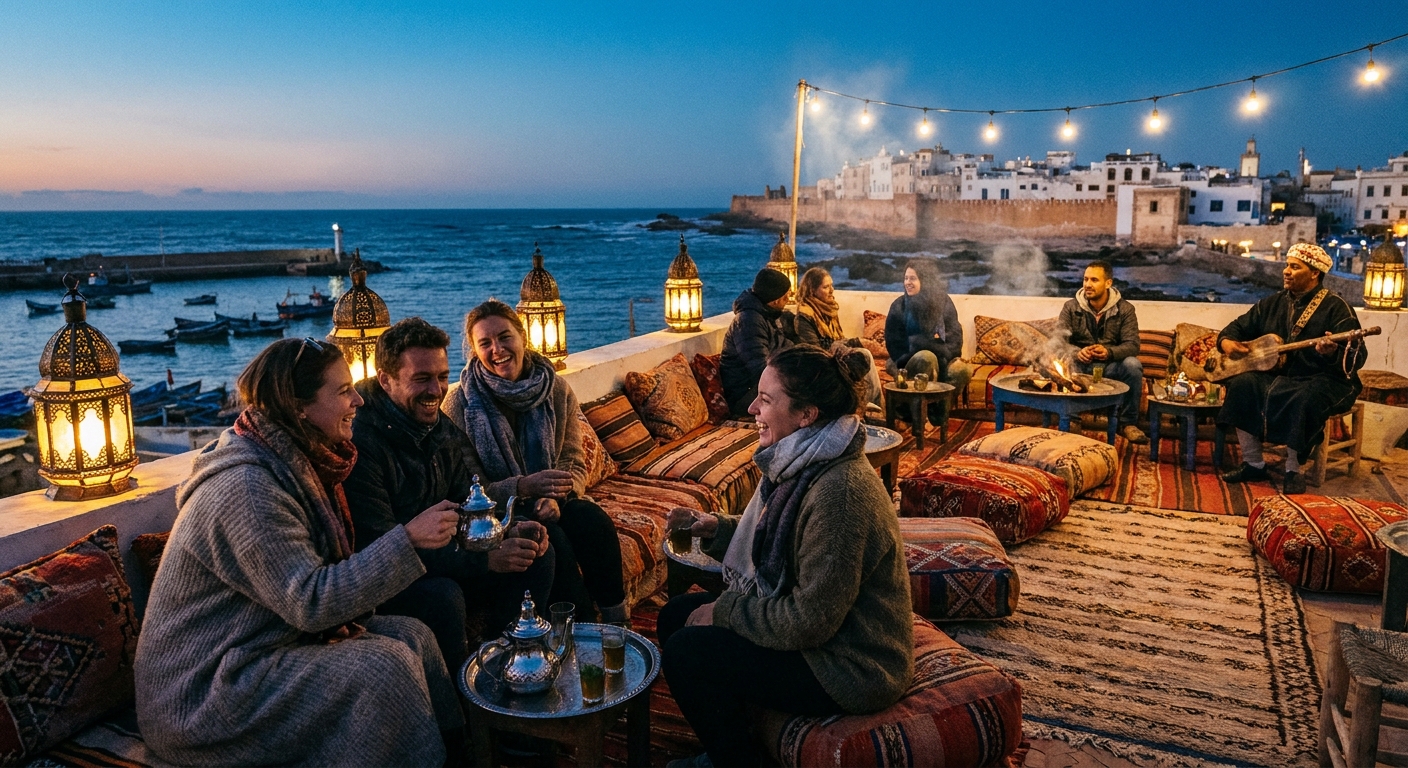
Here’s where people trip up: they pack based on “Morocco in summer” expectations without accounting for Essaouira’s unique microclimate. They show up in shorts and sandals, spend a glorious day soaking up the sun, and then find themselves absolutely freezing during dinner on a rooftop terrace.
The temperature swing catches people off guard. Sure, a July afternoon might hit 25°C, but that same night can drop to 17°C — and with the wind chill, it feels even cooler. It’s not extreme, but it’s enough to ruin an evening if you’re not prepared.
The fix is simple: do your homework before you pack, and always bring layers. Your future self, sipping mint tea on a breezy terrace at 10 PM, will thank you.
Key Takeaways
So what’s the bottom line? Essaouira’s night temperatures range from roughly 8°C in the winter months up to about 21°C at the height of summer. That Atlantic breeze is constant, and it changes everything about how temperatures actually feel.
Layers are your best friend here — think light jackets, cardigans, or windbreakers that you can throw on when the sun sets. The optimal visiting window runs from March through October, giving you the best of both worlds.
Don’t underestimate the wind chill factor, and do embrace the modest dress code. You’ll stay warmer, show respect for local customs, and honestly? Those evening temperatures make covered-up dressing pretty comfortable anyway.
Frequently Asked Questions
What is the average night temperature in Essaouira?
You’re looking at anywhere from 8°C (46°F) during winter nights to around 21°C (70°F) in summer. The coastal breezes keep things cooler than you’d expect for Morocco, so those numbers often feel a few degrees lower.
What should I wear at night in Essaouira?
Layers, layers, layers. A light sweater or windbreaker is essential — even in summer. The sea breeze can make it feel surprisingly chilly once the sun goes down, and you’ll want something to throw on.
When is the best time to visit Essaouira?
Spring (March to May) and fall (September to October) hit the sweet spot. Temperatures stay comfortable around the clock, the winds are manageable, and you’ll avoid the summer rush.
How does the sea breeze affect night temperatures?
It’s a game-changer, honestly. The breeze can make a 19°C evening feel more like 14°C or 15°C. It’s refreshing during hot days but can catch you off guard after sunset — especially if you’re dining outdoors or walking along the ramparts.