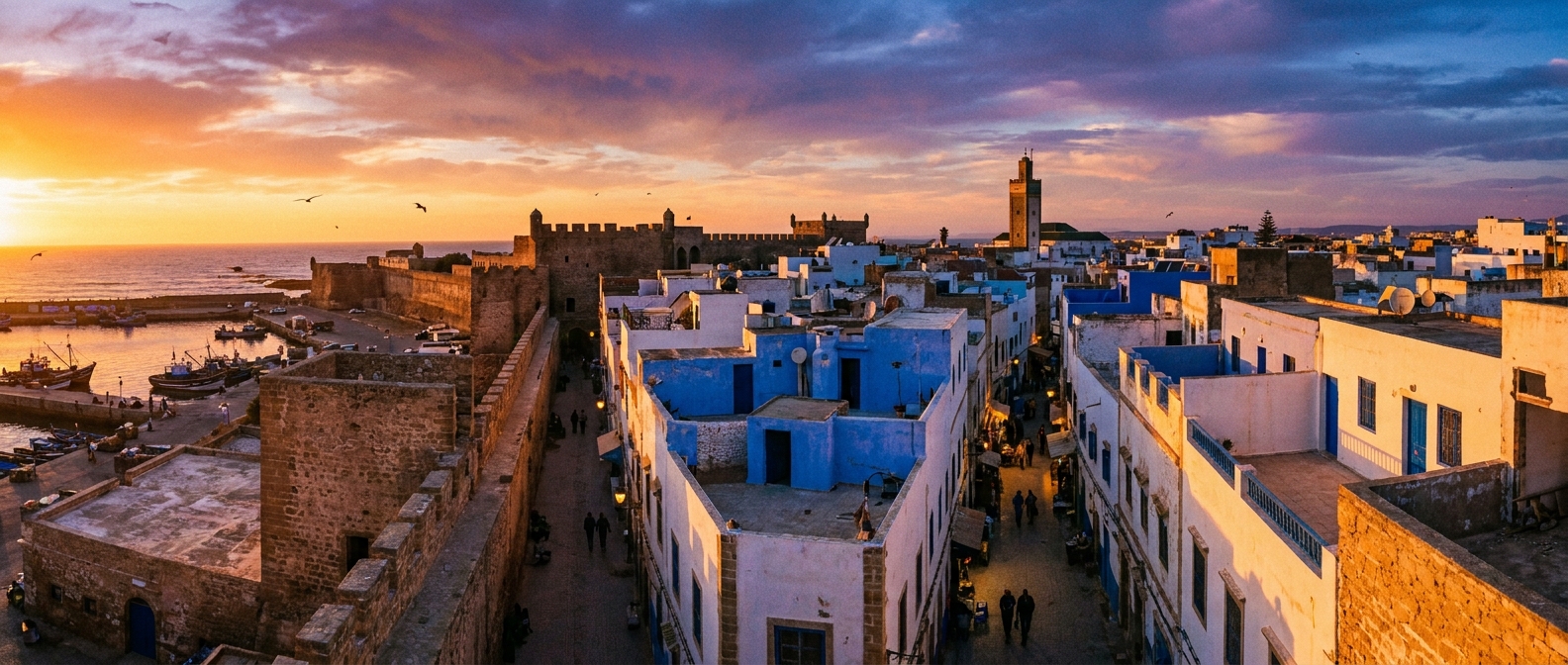
There’s something magical about wandering through Essaouira’s sun-drenched streets, the Atlantic breeze carrying hints of cedar and spice. This coastal gem — often called the “Wind City of Africa” — isn’t just another pretty UNESCO World Heritage site. It’s a living, breathing showcase of Moroccan craftsmanship that’s been perfected over centuries.
What makes shopping here different from other Moroccan cities? The authenticity runs deeper. You’re not just buying souvenirs; you’re taking home pieces of a culture that’s been shaped by Berber traditions, Arab artistry, and even Spanish and Portuguese influences. And let’s be honest — that’s way more meaningful than grabbing something mass-produced from a tourist trap.
So what should you actually spend your dirhams on? That’s exactly what we’re diving into. From the famous “liquid gold” argan oil to intricately carved thuya wood boxes, this guide covers everything you need to know about Essaouira’s best local treasures.
Historical Roots and Cultural Significance
Here’s the thing about Essaouira — its history as a bustling port city didn’t just shape its architecture. It created a melting pot of artisanal traditions that you can still see today. Berber craftspeople, Arab traders, and European merchants all left their mark on what locals create with their hands.
The town’s economy has always revolved around two things: what grows here naturally (hello, argan trees!) and what skilled hands can transform raw materials into. This isn’t some recently invented tourist economy. Families have been perfecting these crafts for generations.
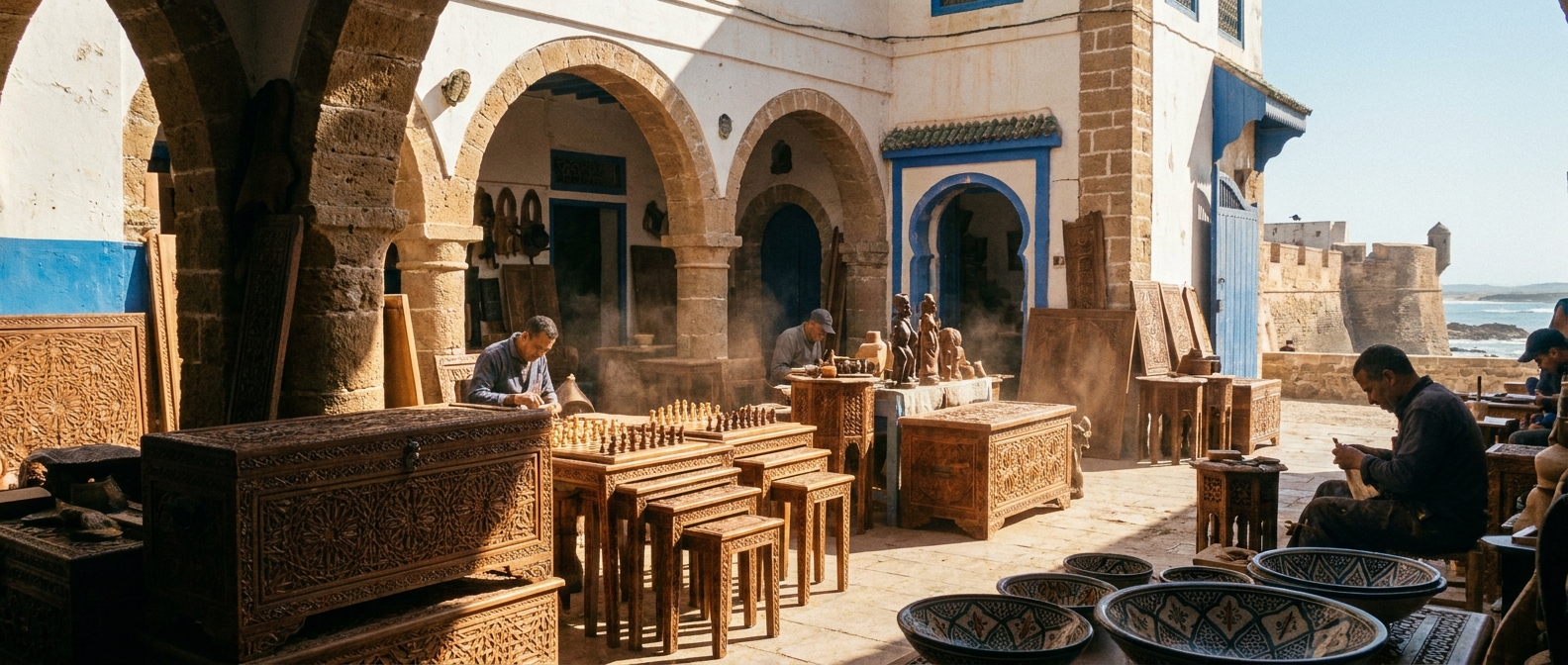
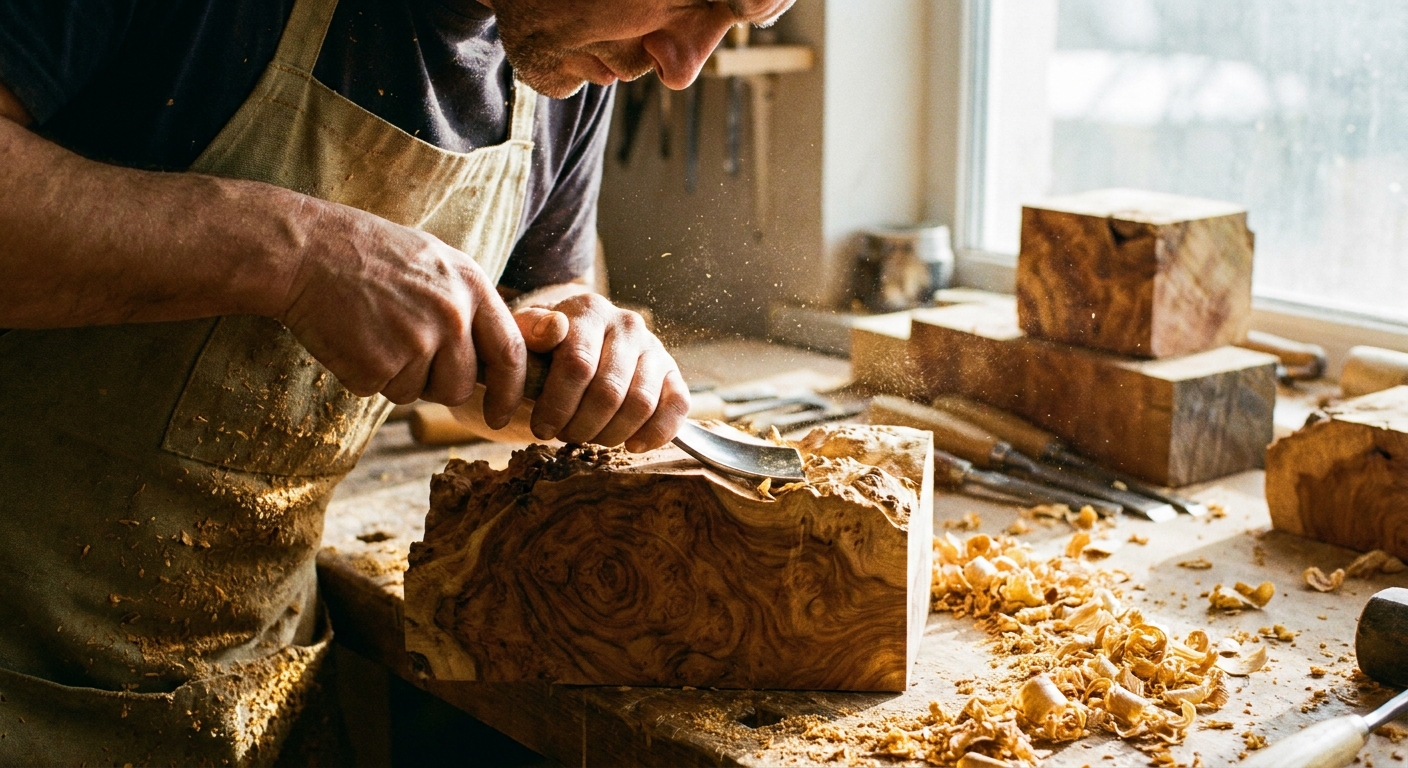
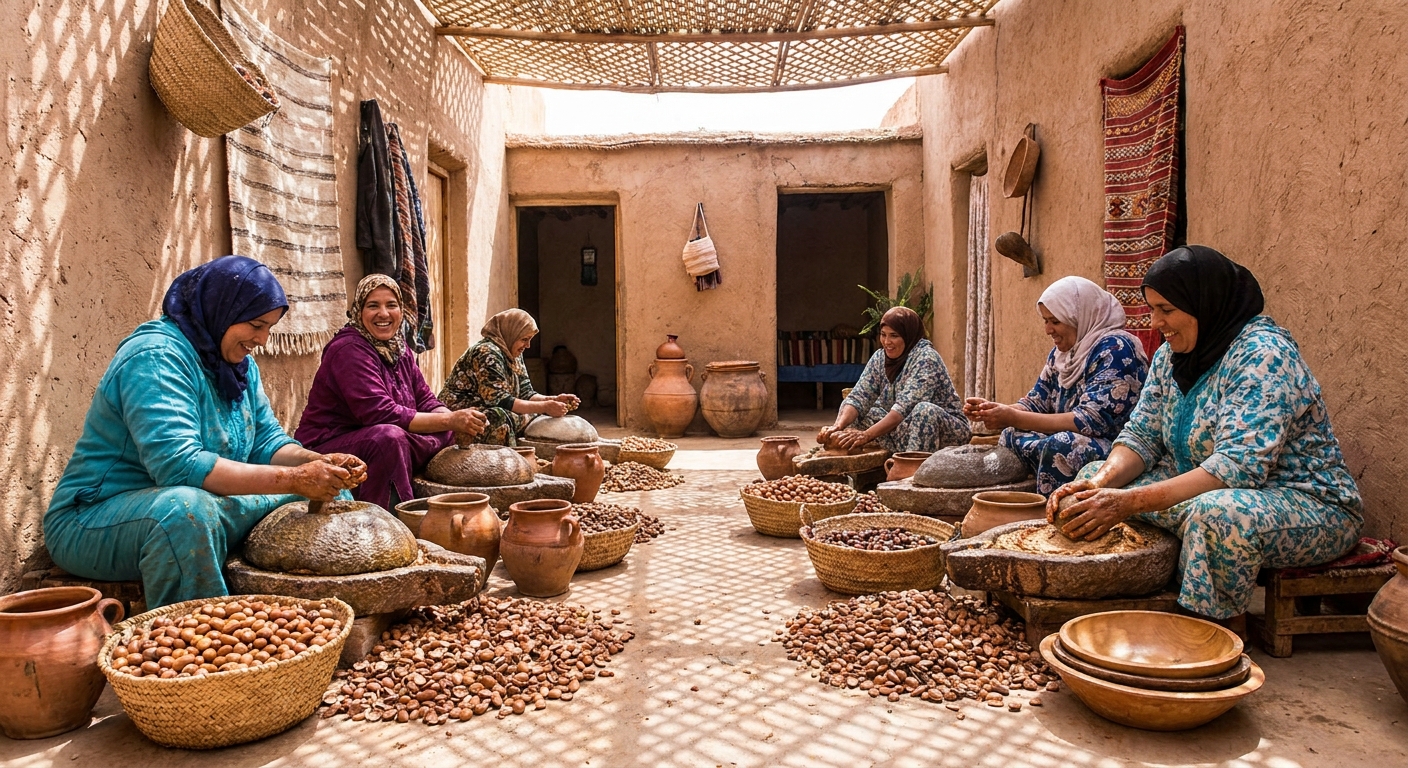
Walk through the medina and you’ll likely spot artisans at work — a woodcarver carefully shaping thuya, a silversmith hammering out delicate patterns, a woman grinding argan nuts the traditional way. These aren’t staged performances for tourists. This is daily life, and each piece they create carries stories passed down through countless hands.
Popular Artisanal Products
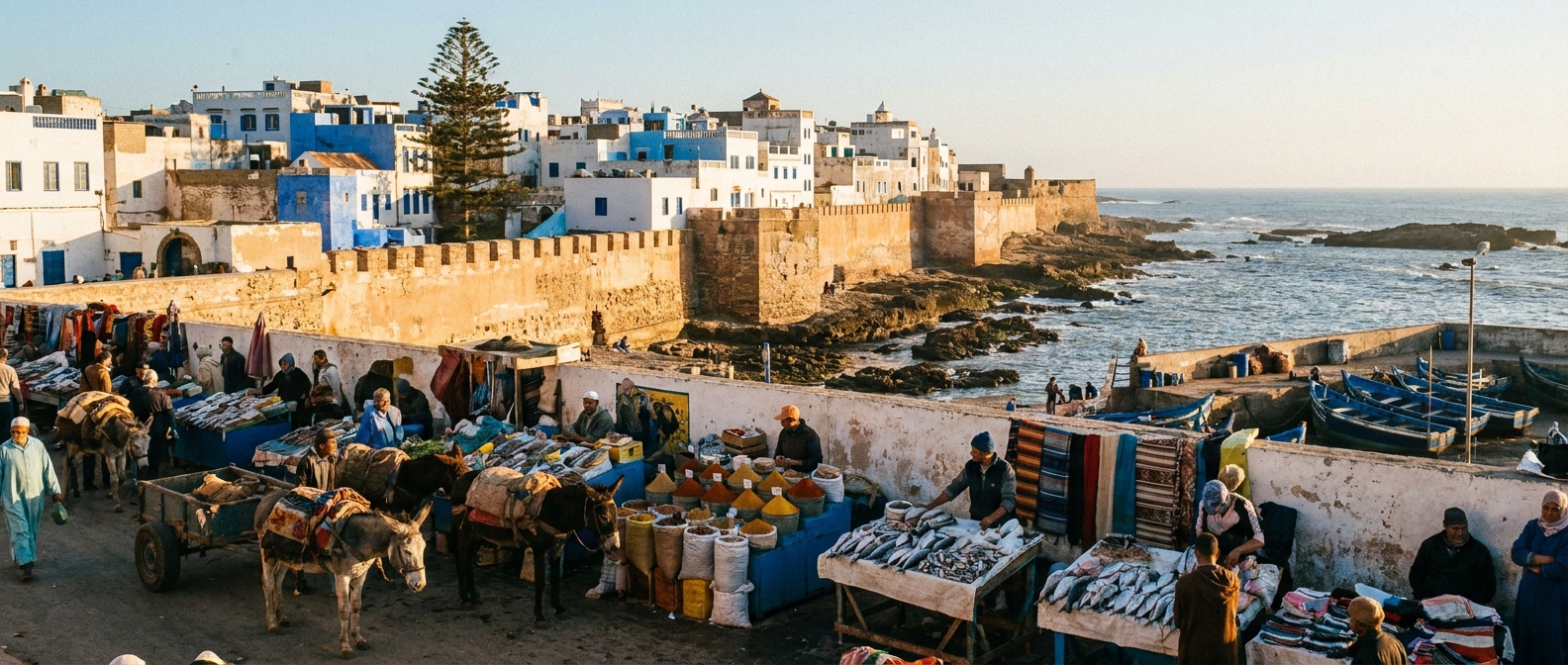
The medina’s winding alleyways can feel overwhelming at first. Shops spill over with colorful textiles, gleaming pottery, and mysterious jars of spices. Where do you even start?
Don’t worry — we’ve got you covered. The standout products here reflect what Essaouira does best: working with local resources and centuries-old techniques. Think argan oil (obviously), stunning thuya wood pieces, and silver jewelry that tells a story with every curve and detail.
Among all these offerings, argan oil absolutely dominates. And for good reason — over 60% of the world’s supply comes from this region. The best part? Women-led cooperatives produce much of it, meaning your purchase directly supports local communities. That’s a souvenir you can feel genuinely good about.
The Allure of Argan Oil
“Liquid gold” might sound like marketing speak, but once you’ve tried authentic Essaouira argan oil, you’ll understand the hype. This stuff is packed with Vitamin E and fatty acids that work wonders for skin and hair. And in the kitchen? It transforms simple dishes into something special.
Now, a quick reality check: quality varies dramatically. Look for products labeled “pure” and — this is important — buy from local cooperatives whenever possible. You’ll pay around 800 MAD per liter for the good stuff, but trust me, it’s worth every dirham. Those suspiciously cheap bottles at tourist shops? Probably cut with cheaper oils.
Want to really appreciate what you’re buying? Take a cooperative tour. Watching the entire extraction process — from cracking the notoriously tough nuts to the final golden product — gives you a whole new respect for this labor-intensive craft. Plus, you’ll have a great story to tell when someone asks about that beautiful bottle in your kitchen.
Thuya Wood: A Unique Craft
If argan oil is Essaouira’s liquid treasure, thuya wood is its solid one. This aromatic tree only grows in a small region of Morocco, and local craftspeople have been transforming it into stunning pieces for centuries.
What makes thuya special? Run your fingers across a finished piece and you’ll feel it — that incredibly fine, swirling grain pattern that’s almost hypnotic. Open a thuya box and you’re hit with this wonderful cedar-like scent that lasts for years. Artisans create everything from tiny decorative items to full furniture sets.
Prices range wildly depending on size and complexity. A small jewelry box might cost the same as a nice dinner out, while an elaborate chess set could set you back considerably more. But here’s what matters: you’re not just buying wood. You’re buying someone’s time, skill, and cultural heritage wrapped up in something beautiful and functional.
Silver Jewelry and Ceramic Art
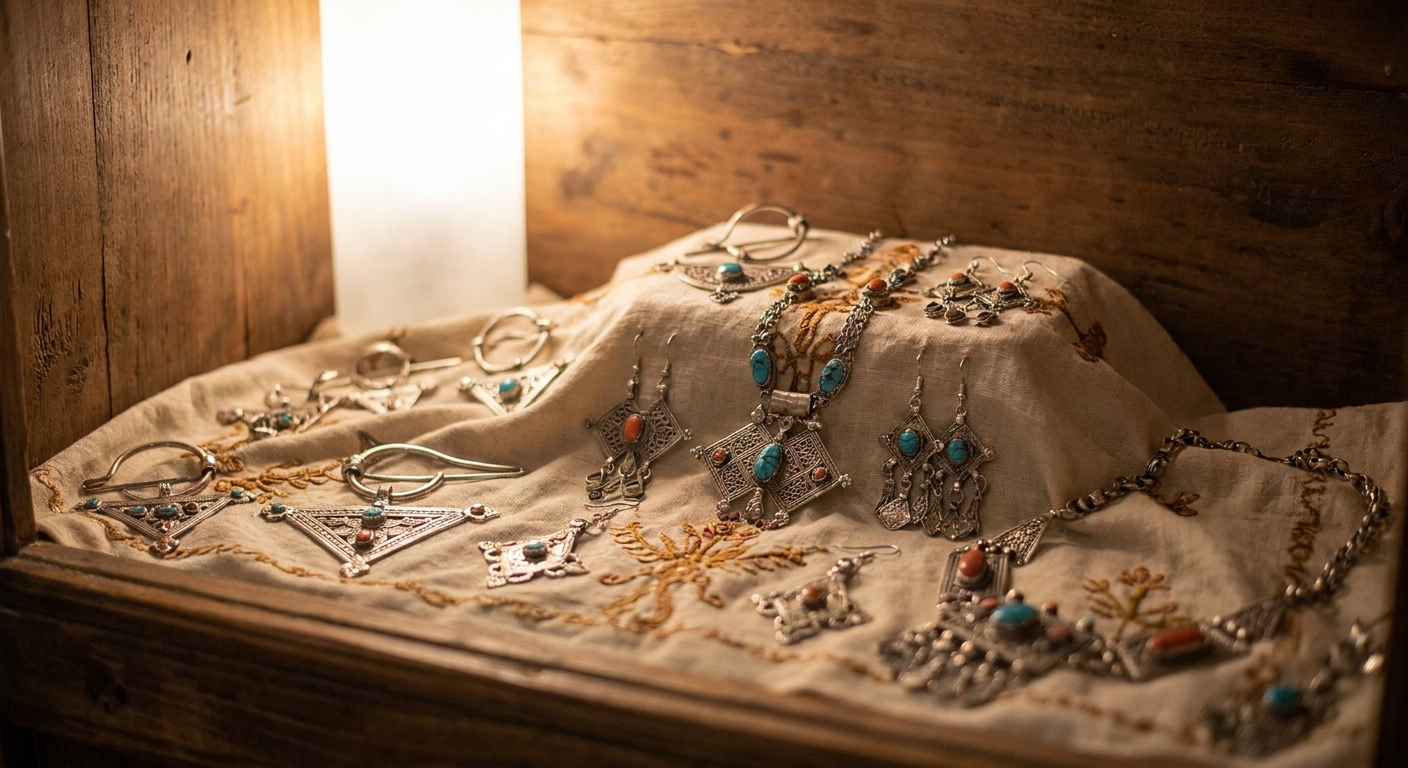
Essaouira’s silver jewelry is the kind of stuff you’ll actually wear, not just shove in a drawer and forget about. Each piece tends to be unique — local jewelers incorporate traditional Berber motifs with more contemporary designs, often adding semi-precious stones that catch the light beautifully.
Pro tip: take time to chat with the jewelers themselves. They love explaining the symbolism behind different patterns and the stories their designs tell. That ring you’re considering? It might represent protection, fertility, or good fortune in Berber tradition. Suddenly it’s not just jewelry — it’s wearable culture.
Then there’s the ceramic scene. These aren’t your grandmother’s dusty collectibles. Essaouira ceramics burst with those quintessential Moroccan colors — deep blues, vibrant yellows, earthy reds — and range from purely decorative to totally functional. Some workshops even let you try your hand at making your own piece. Fair warning: it’s harder than it looks, but incredibly satisfying.

A Taste of Essaouira: Culinary Delights
You can’t eat jewelry or wood carvings (well, you shouldn’t), but you can absolutely bring Essaouira’s flavors home. And honestly? Food might be the most underrated souvenir category here.
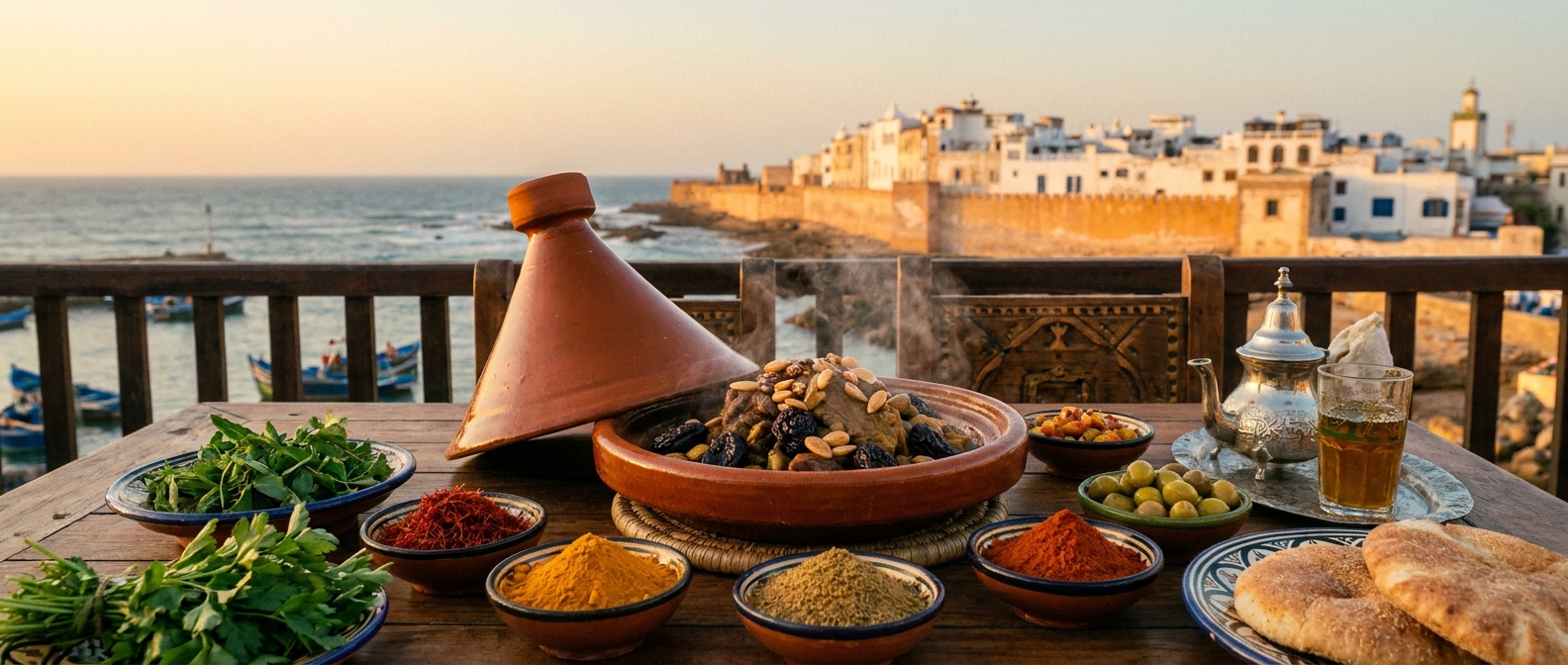
Amlou is the local spread you didn’t know you needed — imagine a Moroccan version of nut butter, made from argan oil, crushed almonds, and honey. It’s absolutely addictive on bread, drizzled over yogurt, or eaten straight from the jar (no judgment). Each cooperative has their own recipe, so it’s worth trying a few before committing to your take-home jar.
Don’t skip the spice stalls, either. Look for saffron (the real deal, not the dyed stuff), ras el hanout blends that’ll transform your home cooking, and preserved lemons if you’re feeling adventurous with customs. Many vendors now offer tourist-friendly packages specifically designed to survive the journey home.
Challenges Facing Local Artisans
Here’s the less glamorous reality: not everything sold in Essaouira’s markets is what it claims to be. Mass-produced imitations have flooded in, and some shops prioritize profit over authenticity. Local artisans — the ones keeping these traditions alive — genuinely worry about their craft being diluted.
How do you spot the difference? Look for imperfections. Handmade items have slight variations; factory products are suspiciously uniform. Ask questions. Real artisans love talking about their work. And if a price seems too good to be true? It probably is.
There’s also the sustainability question. Increased tourism means increased demand, which can strain local resources — particularly those argan trees. The good news? Many cooperatives and artisans are actively working toward ethical, sustainable practices. Supporting them isn’t just good for your conscience; it helps ensure these crafts survive for future generations.
Conclusion: Bringing a Piece of Essaouira Home
Essaouira delivers what so many tourist destinations only promise: genuinely authentic products that carry real cultural weight. Whether you’re drawn to that bottle of golden argan oil, a thuya wood piece with its intoxicating scent, or silver jewelry that tells an ancient story, you’re not just shopping. You’re participating in traditions that have survived centuries.
Take your time in the medina. Talk to artisans. Ask questions. Touch things. Smell things. The best souvenirs aren’t the ones you grab quickly — they’re the ones that find you when you’re genuinely present and curious.
And when you’re home, unpacking that carefully wrapped purchase? You won’t just remember what you bought. You’ll remember the hands that made it, the story behind it, and the salty Atlantic breeze that was blowing when you found it. That’s the kind of souvenir worth bringing home.
Frequently Asked Questions
What are the top products to buy in Essaouira?
The essentials include argan oil, thuya wood crafts, silver jewelry, handmade ceramics, and culinary treasures like amlou. Each represents a different facet of local tradition and craftsmanship.
Where can I find authentic argan oil in Essaouira?
Your best bet is heading directly to women-led cooperatives or established artisan shops in the medina that emphasize fair trade. They’re usually happy to show you how they make their products — a good sign of authenticity.
Are there any ethical concerns in buying local crafts in Essaouira?
Unfortunately, yes. Mass-produced imitations do exist, and they undercut local artisans. The solution? Buy from verified artisans and cooperatives, ask questions, and be willing to pay fair prices for genuine handwork.
Can I participate in workshops to create my own crafts in Essaouira?
Absolutely! Several workshops offer hands-on pottery and ceramic experiences. It’s a fantastic way to appreciate the skill involved — and you might even make something worth keeping.
What is the price range for thuya wood crafts?
Expect significant variation based on size, detail, and craftsmanship. Small items are quite affordable, while elaborate furniture pieces command much higher prices. There’s genuinely something for every budget.