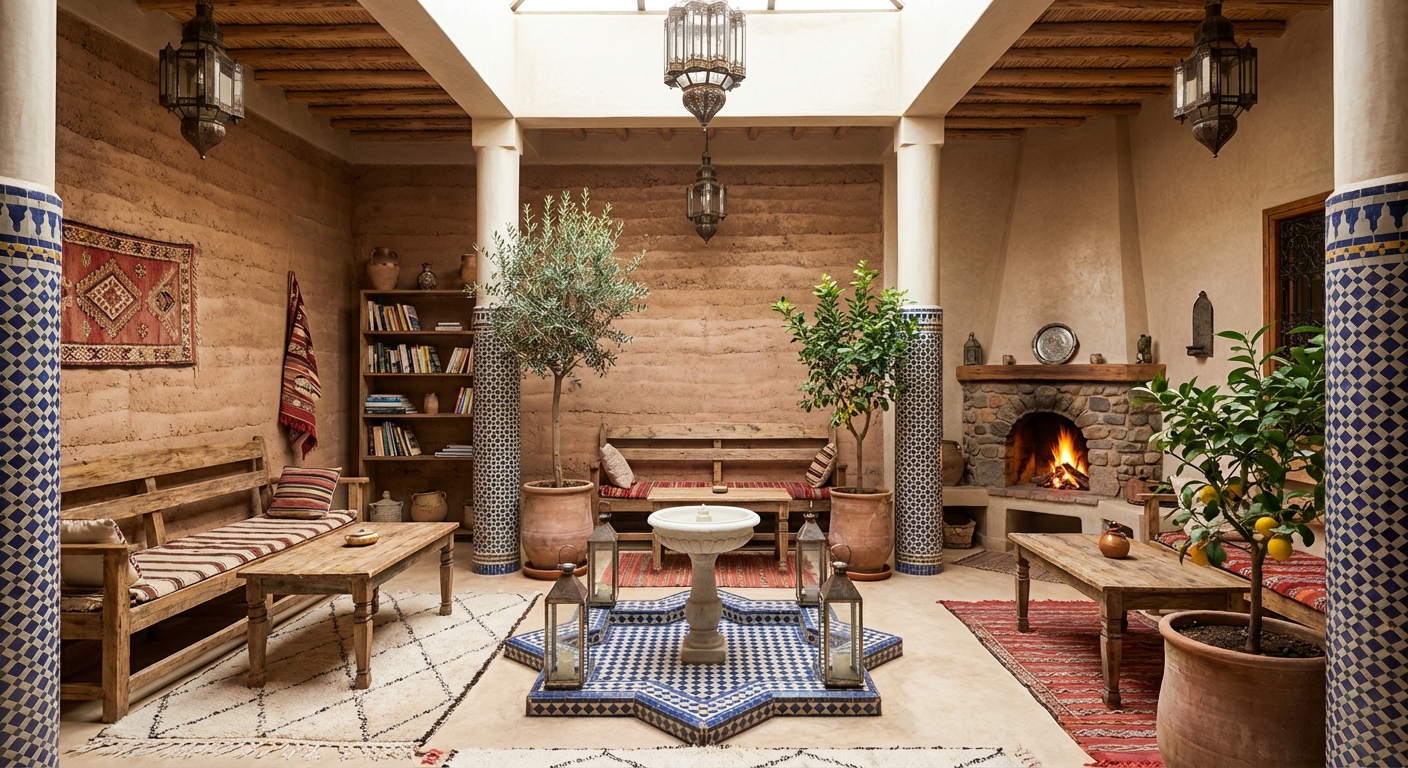
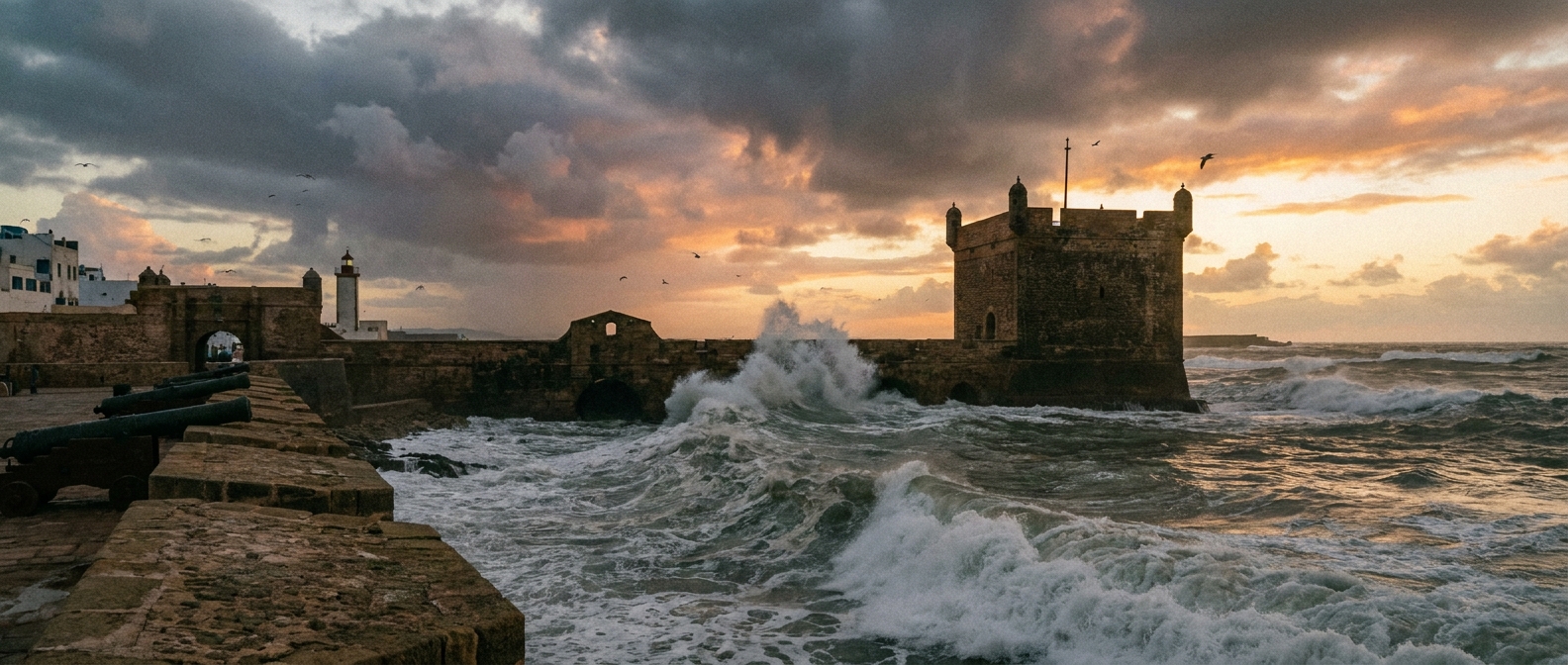
If you’ve ever watched Daenerys Targaryen command her Unsullied army and thought, “Where is that stunning coastal fortress?” — well, you’re looking at Essaouira. This wind-swept Moroccan gem doubled as the slave city of Astapor during Season 3 of *Game of Thrones*, and honestly? The real thing is even more impressive than what made it to screen.
There’s something magical about standing where dragons once soared (well, CGI dragons anyway). Essaouira doesn’t just offer breathtaking Atlantic views and centuries of rich history — it gives *Game of Thrones* fans a chance to literally walk in Daenerys’s footsteps. And let’s be real: that’s pretty cool. The city has cleverly embraced its Hollywood moment, transforming into a must-visit spot for anyone who binged the series and dreamed of visiting Westeros.
The Historical Significance of Essaouira
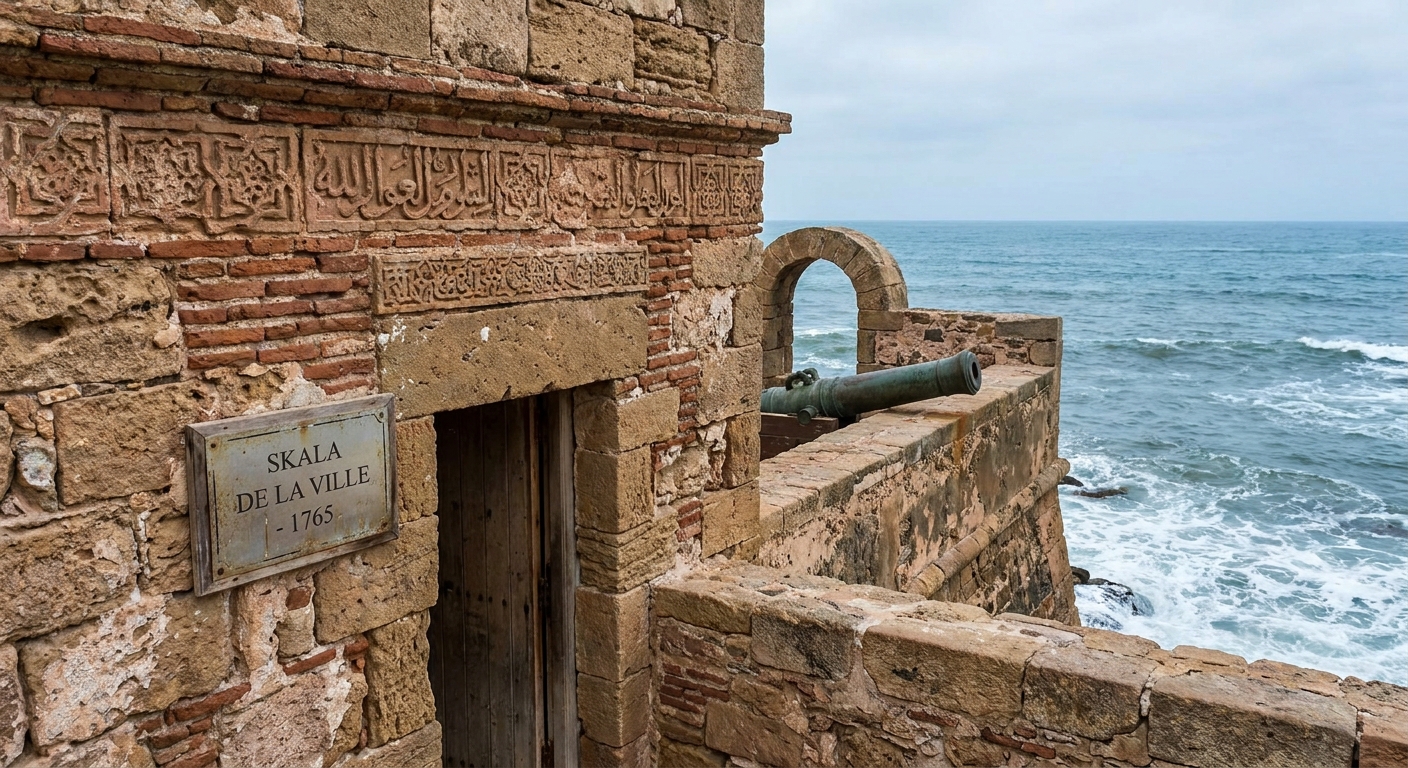
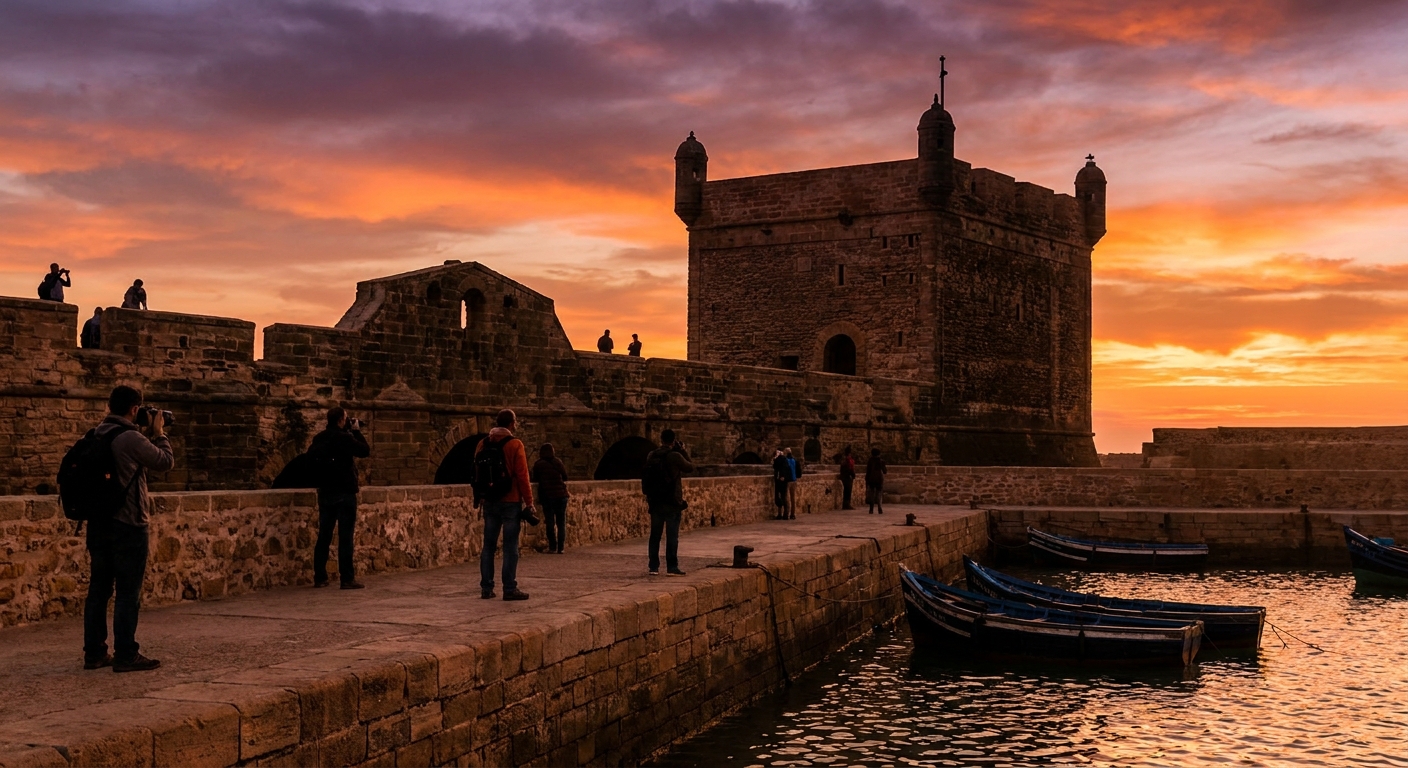
Here’s the thing about Essaouira — it was fascinating long before HBO showed up. Originally called Mogador, this fortified coastal town has been shaped by Portuguese, French, and Berber influences since the 18th century. It served as a crucial trading port, and its ramparts — the Skala de la Ville and Skala du Port — weren’t built for television. They were designed for actual defense, with strategic positioning and commanding ocean views that happen to look absolutely cinematic.
When the *Game of Thrones* production team needed a location for Daenerys’s pivotal journey to acquire her army, Essaouira was a no-brainer. That striking coastal environment, those weathered fortifications, the dramatic interplay of sea and stone — it practically screamed “ancient slave city.” No green screens needed.
Tourism Surge Post-Game of Thrones
You probably won’t be surprised to hear that *Game of Thrones* changed everything for Essaouira’s tourism scene. Fans from around the globe now make pilgrimages to the exact ramparts where Daenerys delivered her iconic “Dracarys” moment. It’s become a thing — and the city has leaned into it.
Guided tours have popped up everywhere, and they’re actually quite good. These aren’t your standard “look left, look right” experiences. The best ones weave storytelling into the walk, helping you visualize exactly which scenes were filmed where. Local authorities have caught on too, working to develop and promote these heritage sites to keep the momentum going. Smart move, honestly.
Key Statistics: Impact on Local Tourism
The numbers tell an interesting story. Travel data suggests that over 40% of visitors to Essaouira now cite *Game of Thrones* as a key reason for their trip. That’s… significant. The Skala de la Ville and Sqala du Port consistently top the “must-see” lists in travel guides, and niche tour packages targeting fans have become a legitimate industry.
A typical *Game of Thrones* tour runs about two to three hours — enough time to explore the ramparts, snap some photos for Instagram, and maybe grab some local food. It’s this combination of pop culture pilgrimage and authentic cultural immersion that makes the experience work. You get your fandom fix while actually learning something about Moroccan history. Win-win.
Experts Weigh In: Insights from Travel Enthusiasts
Don’t just take my word for it. The travel community has plenty to say about Essaouira’s unique charm. One local tourism expert put it perfectly: “Once you walk along the ramparts where Daenerys commanded her army, the connection to the show becomes immediate and palpable — it’s not just a visit; it’s an experience rooted in film history.”
Travel vlogger Kendyl adds another perspective: “Essaouira’s blend of history and stunning vistas makes it a perfect filming location for *Game of Thrones*. It’s authentic without much special effect alteration.” And that’s exactly the point. The city didn’t need Hollywood magic to look otherworldly — it already was.
Emerging Trends in Essaouira’s Tourism
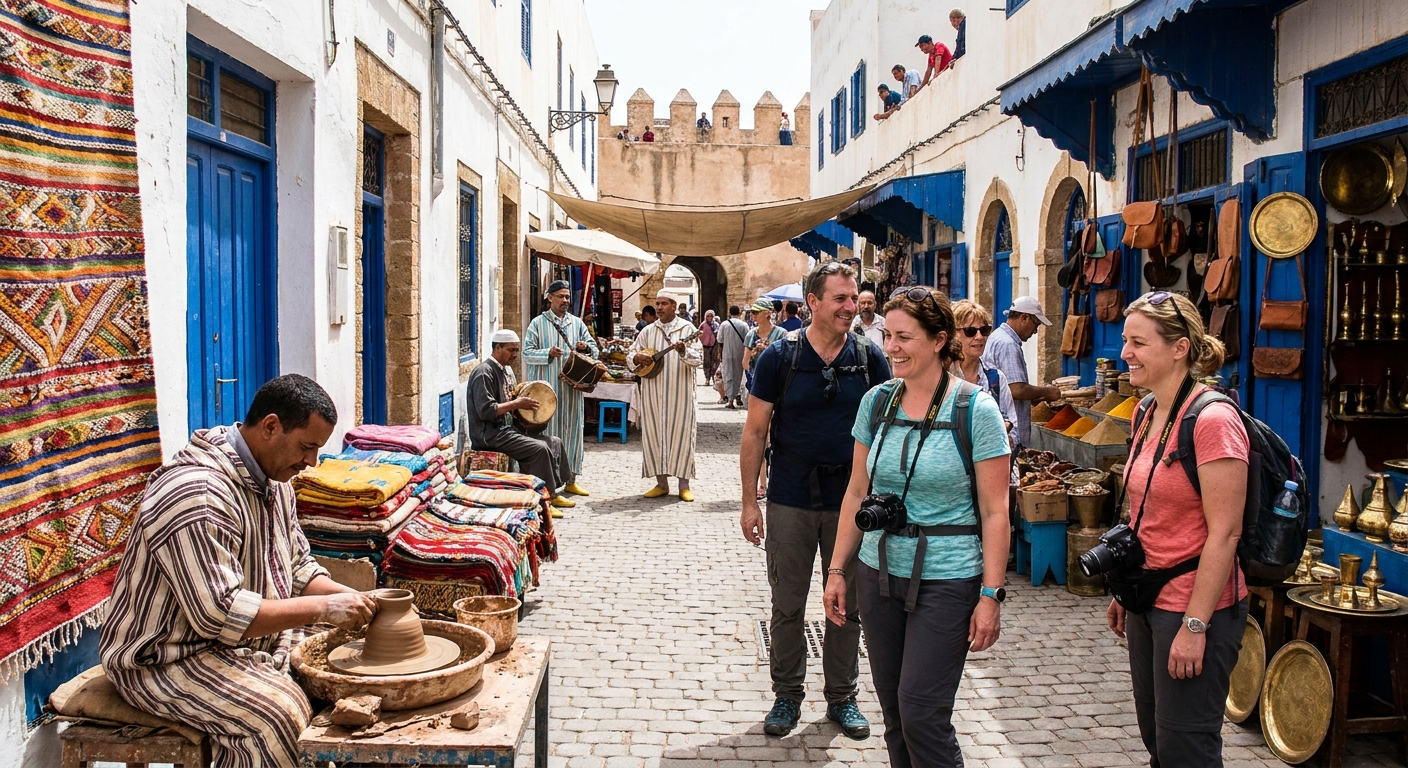
Post-*Game of Thrones*, the tourism landscape here keeps evolving. Themed guided tours are now standard, but they’ve gotten more sophisticated. The best ones blend visits to filming locations with deeper dives into local culture — think traditional music, artisan crafts, and Moroccan cuisine alongside your Astapor photo ops.
Social media has supercharged this trend too. Influencers regularly feature Essaouira in their content, using the *Game of Thrones* angle to hook younger travelers. Those dramatic rampart shots perform incredibly well on Instagram (shocking, right?). The result? Essaouira is becoming something more than a filming location — it’s a destination that bridges historical significance with modern pop culture appeal.
Challenges in Balancing Tourism and Heritage
But — and there’s always a but — this tourism boom comes with complications. Locals have started voicing concerns about crowds disrupting their daily lives. The city’s peaceful character, one of its biggest draws, risks getting lost in the shuffle of tour groups and selfie sticks.
There’s also an ongoing debate about identity. Should Essaouira be known primarily as “that *Game of Thrones* place”? Some worry this branding might overshadow the city’s broader historical importance and authentic cultural appeal. It’s a tricky balance: how do you capitalize on Hollywood’s spotlight while preserving what made the place special in the first place? Local authorities are still figuring that out.
Summarizing the Journey of Essaouira
So what’s the takeaway here? Essaouira gave us Astapor during *Game of Thrones* Season 3 — specifically those unforgettable scenes where Daenerys acquired the Unsullied. The Skala de la Ville and Sqala du Port served as the primary backdrops, and today they’re bona fide tourist attractions drawing fans from everywhere.
The economic impact has been real and positive, spawning niche travel packages and specialized tours. That said, the city faces genuine challenges in managing growth while protecting its cultural heritage. The experts seem to agree on one thing though: Essaouira offers something authentic, an experience that connects visitors to both television history and centuries of Moroccan culture. And in a world of manufactured tourist experiences, that authenticity counts for a lot.
Frequently Asked Questions
What filming locations in Essaouira were used in *Game of Thrones*?
The Skala de la Ville and Sqala du Port were the main filming spots. These historic ramparts transformed into Astapor, the slave city where Daenerys acquired her Unsullied army.
How has *Game of Thrones* impacted tourism in Essaouira?
Pretty dramatically, actually. Over 40% of visitors now say the show is their primary reason for coming. This surge has sparked new tour companies, niche travel packages, and noticeable economic growth in the area.
Are there guided tours specifically for *Game of Thrones* fans in Essaouira?
Absolutely. Several companies offer bespoke tours that take you through the filming locations while connecting the scenes to local history and culture. They typically run two to three hours and are worth the investment.
What challenges does Essaouira face regarding tourism?
The main issues revolve around preserving historical integrity, managing crowd impacts on local residents, and finding the right balance between commercial tourism interests and authentic cultural heritage preservation.