Discover the Charm and Culture of Diabat, Morocco
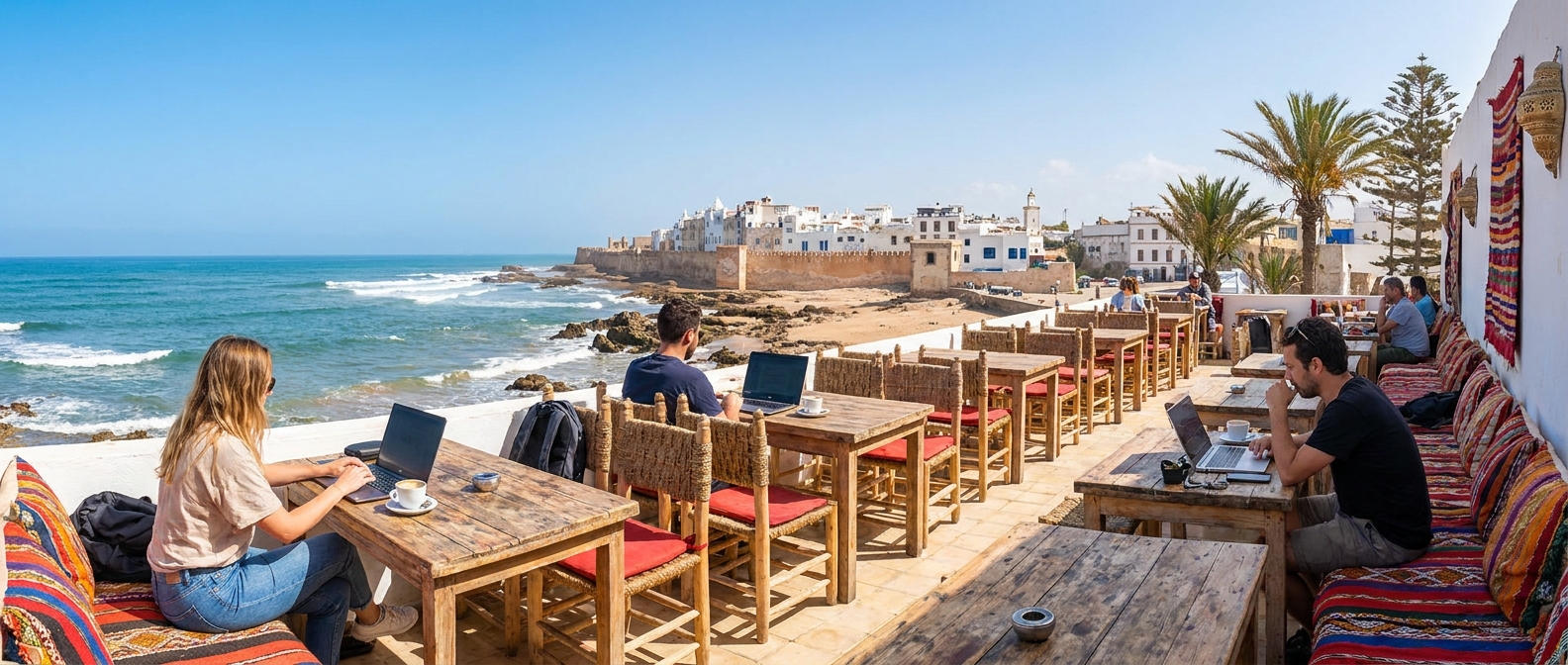
There’s something magnetic about Diabat. This small fishing village sits just 5 kilometers south of Essaouira on Morocco’s windswept Atlantic coast, and honestly? It feels like stepping into another era entirely. Known for its layered history, wild beaches, and that famous connection to Jimi Hendrix, Diabat delivers a mix of cultural intrigue and raw natural beauty that’s hard to find elsewhere.
Back in the 1960s, this place was a magnet for hippies seeking escape and inspiration. Today, it still carries that bohemian energy — you’ll spot it in the rustic buildings, the vibrant street art, and the unhurried pace of life. If you’re craving tranquility away from Essaouira’s medina buzz, Diabat is your answer.
From crumbling palace ruins to engaging local characters, this village offers a genuinely different perspective on Moroccan heritage. Let’s dive in.
Historical Significance of Diabat
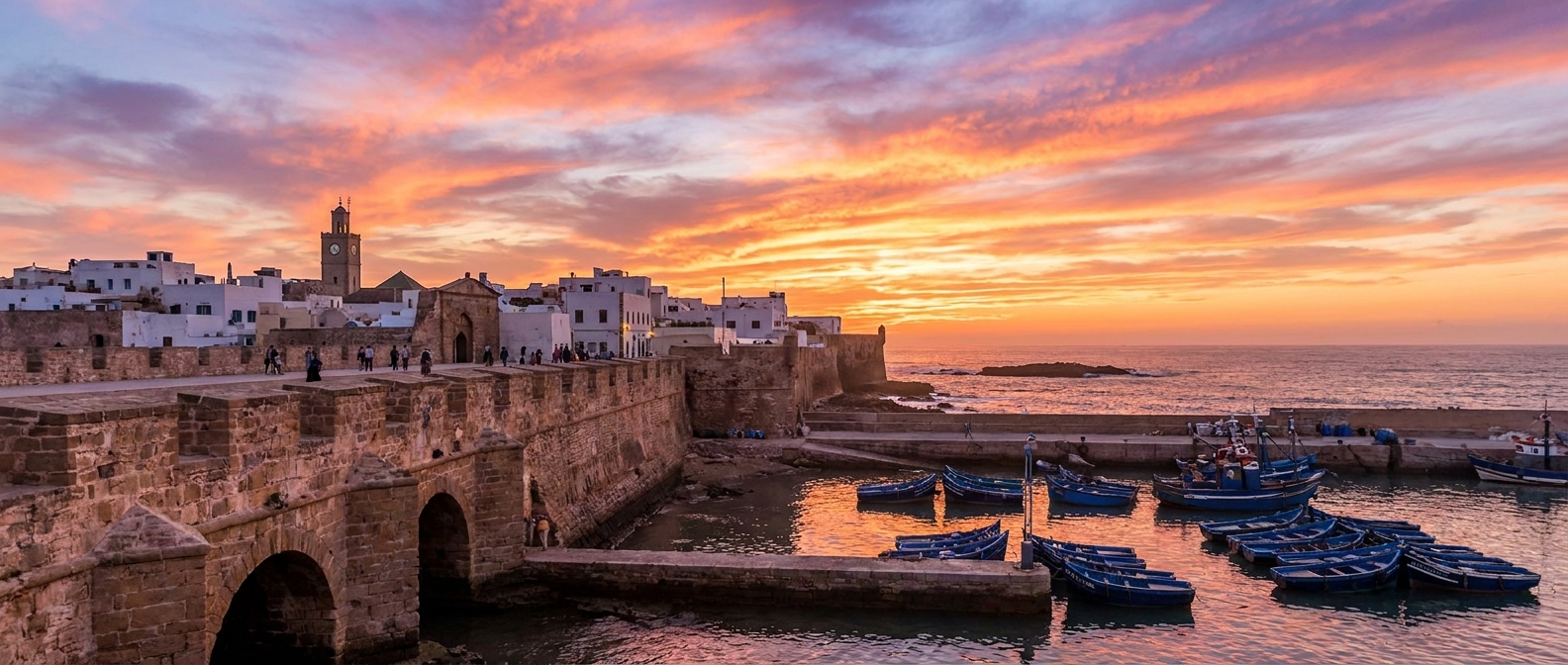
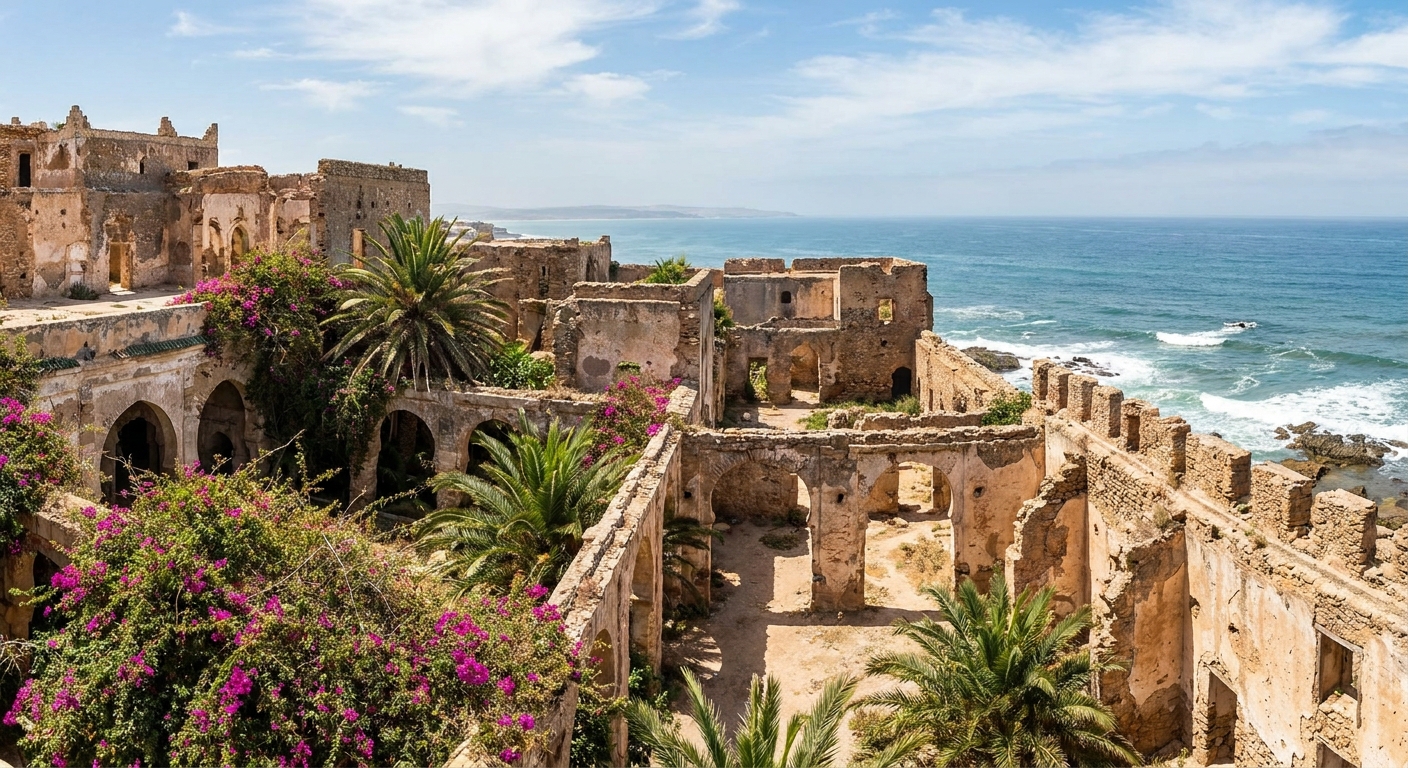
Diabat’s story stretches back to the 17th century — much further than most visitors realize. Sultan Muhammad bin Abdullah established it as a defensive outpost, designed to protect nearby Essaouira (then called Mogador) from potential threats. The ruins of Dar Soltane, the Sultan’s Palace, along with the remains of a fortress from that period, still stand today. Walking among them, you get a tangible sense of the village’s former strategic importance.
But here’s the thing — Diabat’s modern fame comes from a very different source. Jimi Hendrix reportedly visited in 1969, drawn by tales of artistic communities and that ineffable hippie spirit. Local legend insists he wrote “Castles Made of Sand” here, inspired by the crumbling ruins and endless Atlantic views. Romantic story, right? The only problem is the song was actually released in 1967, two years before his visit. So while the myth has been thoroughly debunked, it’s become inseparable from the village’s identity — and honestly, that blend of fact and folklore only adds to Diabat’s mystique.
Take time to wander through these historical remnants. They tell a story of transformation: from military outpost to artistic sanctuary.
The Modern-Day Vibe of Diabat
These days, about 500 people call Diabat home. Most are fishing families who’ve lived here for generations, though you’ll also find a handful of expat artists who’ve settled into the village’s creative rhythm. The historical charm hasn’t faded — if anything, it’s been enhanced by colorful street murals that pop up on weathered walls, created by both locals and visiting artists.
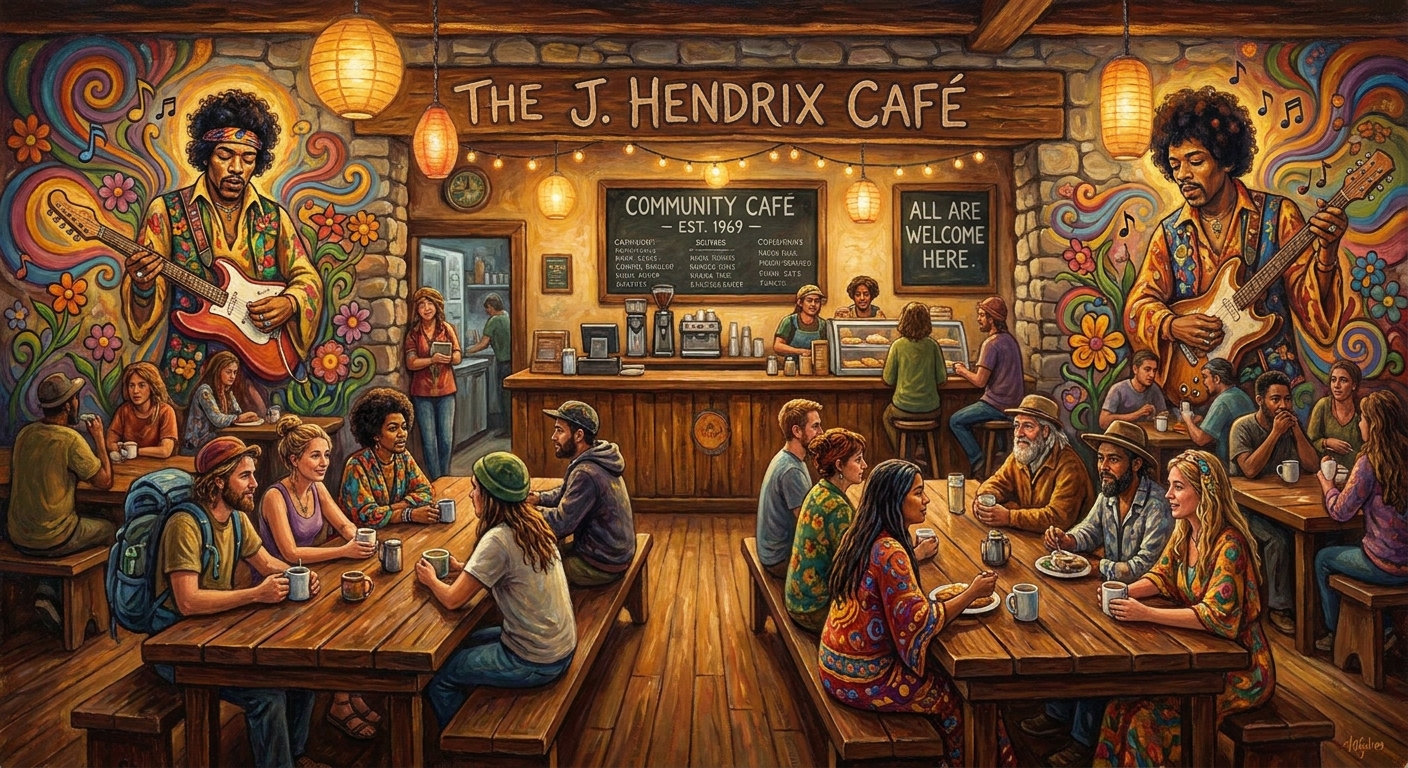
The Jimi Hendrix Café has become something of an institution here. It’s not just a place to grab a mint tea (though you should definitely do that). It functions as a genuine community gathering spot where fishermen, artists, and curious travelers end up sharing tables and trading stories. There’s no pretense, no tourist-trap energy — just authentic connection.
That free-spirited atmosphere? It’s real, and visitors pick up on it immediately. People come expecting to stay an hour and end up lingering all afternoon, soaking in the unhurried pace.
Key Statistics & Visitor Insights
Before you go, these quick facts will help you get oriented:
- Location: 5 kilometers south of Essaouira, Morocco
- Population: Around 500 residents
- Historical Sites: Dar Soltane palace ruins, Bordj El Berod fortress
- Musical Connection: Hendrix’s rumored 1969 visit — debunked but still shaping local tourism and folklore
Travel experts often describe Diabat as a cultural crossroads. It’s evolved dramatically from its origins as a military outpost into something entirely different: a destination where history, music, and art converge in unexpected ways. The takeaway? Come ready to appreciate both the natural beauty and the mythology that’s grown around this place.
Trends and Developments in Tourism
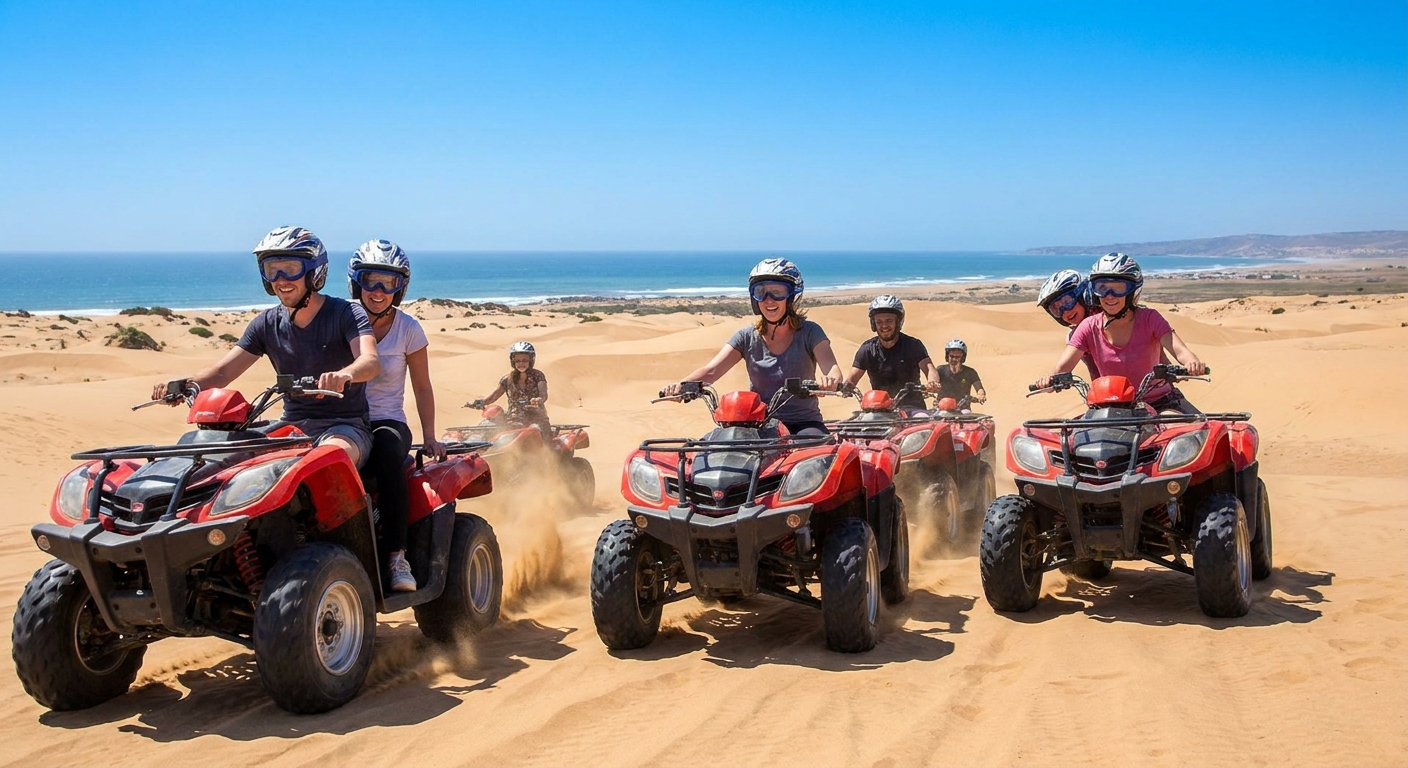
Tourism here has been growing steadily — not explosively, which is probably a good thing. The attractive beaches, rich history, and easy day-trip distance from Essaouira have all contributed to increasing visitor numbers. Local entrepreneurs have noticed, naturally, and you’ll now find guided tours, quad biking excursions through the dunes, and horseback riding along the coast.
What’s encouraging is how the community has approached this growth. Artists and musicians continue settling here, and there’s a growing focus on eco-friendly initiatives aimed at protecting what makes Diabat special in the first place.
The key will be keeping that balance as more people discover the village.
Challenges Facing Diabat
Let’s be honest — Diabat isn’t perfect. The infrastructure hasn’t quite caught up with tourist interest yet. Dining options within the village itself are pretty limited, which means most visitors end up heading back to Essaouira when hunger strikes.
There are environmental concerns too. More foot traffic along the coastal areas puts pressure on fragile ecosystems, and finding the sweet spot between welcoming visitors and protecting the landscape isn’t simple. The community is aware of these tensions, but solutions take time.
Visitors can help by practicing responsible tourism — sticking to established paths, supporting local businesses, and leaving no trace.

Activities and Attractions in Diabat
Don’t let the village’s small size fool you. There’s plenty to keep you busy:
- Quad Biking: Guided tours through the expansive sandy dunes — perfect if you’re craving a bit of adrenaline.
- Horseback Riding: Scenic coastal rides, often timed to catch the sunset. Trust me, it’s worth it.
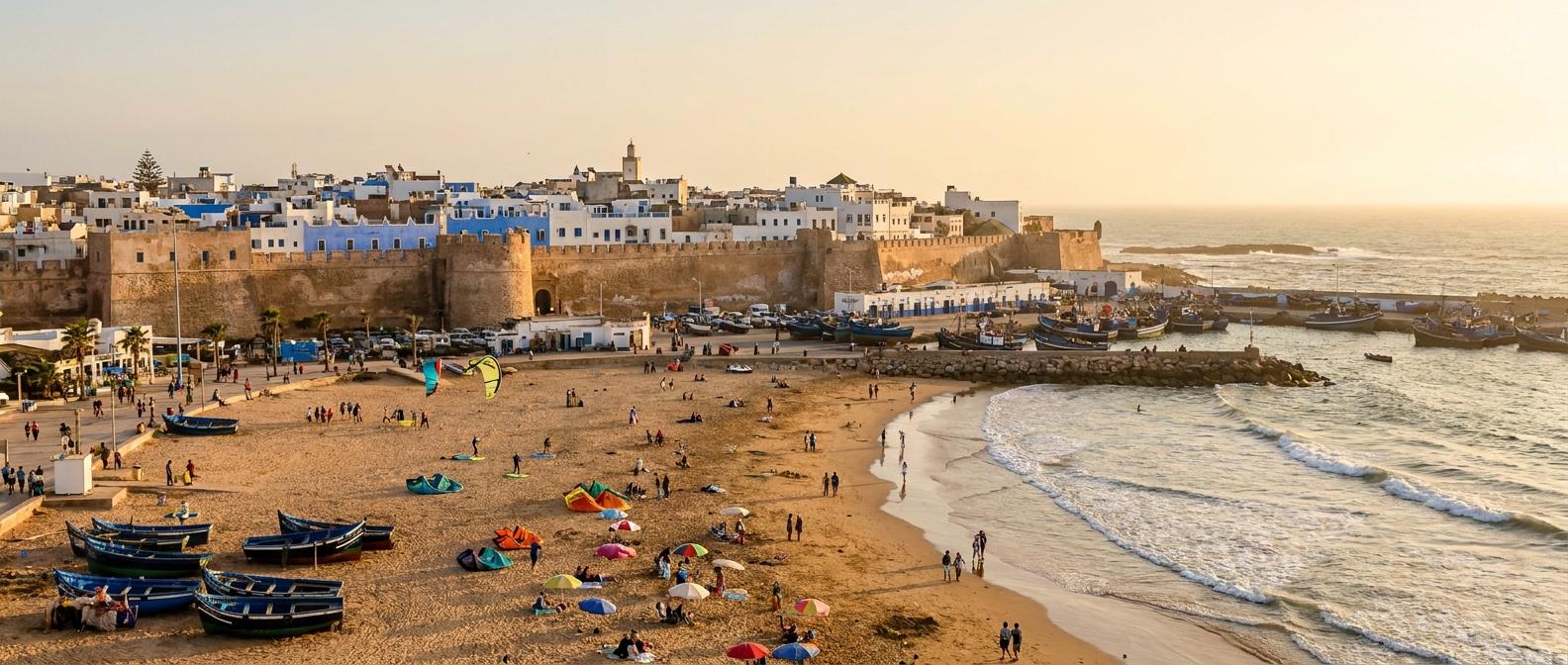
- Beach Activities: Diabat Beach invites long walks, lazy sunbathing, or surfing if you’ve got intermediate skills.
- Cultural Exploration: The Bordj El Berod ruins and Dar Soltane Palace offer atmospheric glimpses into the past.
- Café Culture: Pull up a chair at the Jimi Hendrix Café, soak in the vibe, and see who you end up talking to.
Whatever draws you here — adventure, history, or simply the chance to slow down — you’ll find something that clicks.
Dining Options in Diabat
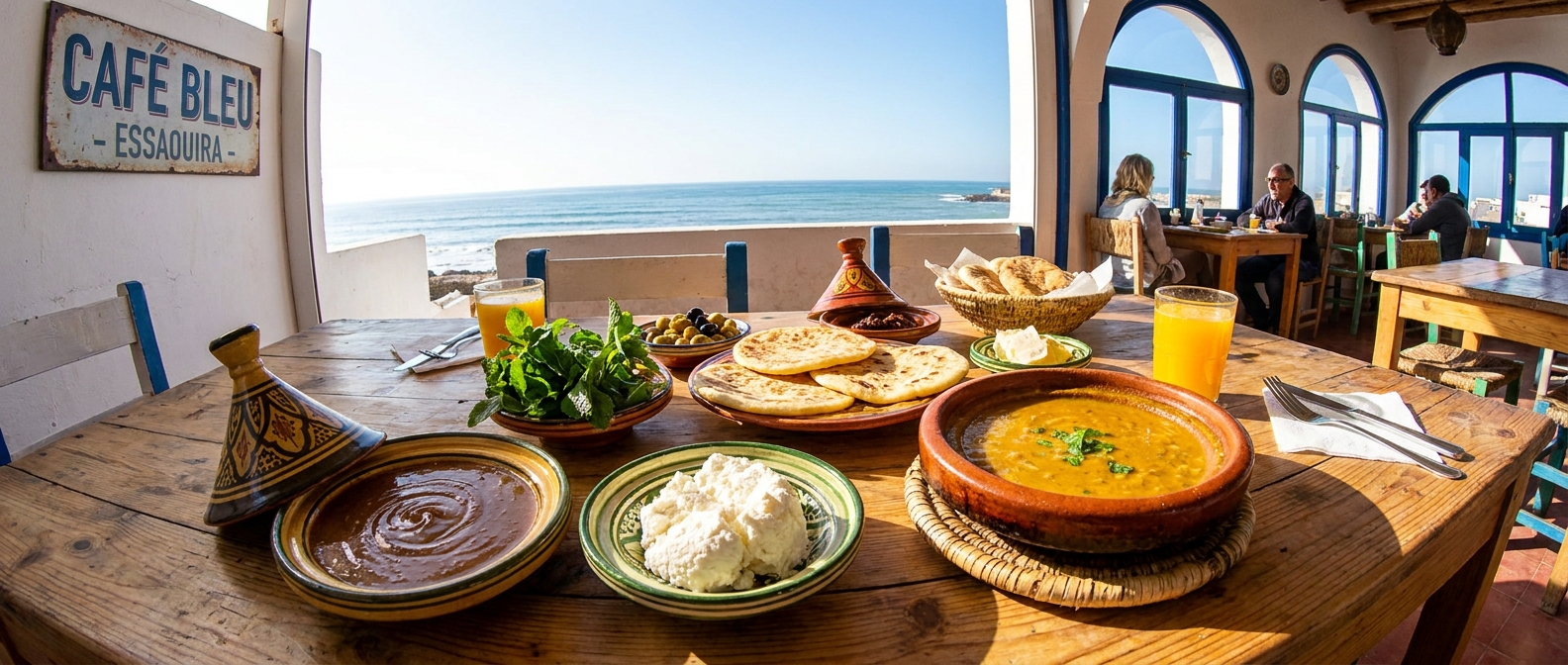
Fair warning: Diabat’s food scene is limited. The Jimi Hendrix Café is really the main game in town, serving casual food and drinks (no alcohol, though). It’s charming and fits the village perfectly, but variety isn’t its strong suit.
When you want more options, Essaouira is just a short ride away. Zahra’s Grill and Restaurant Le Corail both serve excellent Moroccan dishes, and you’ll find everything from seafood to tagines in the medina.
Surfing in Diabat
If you surf, pay attention. Diabat has an intermediate-level break that’s notably less crowded than Essaouira’s main beach. The waves here form nice A-frame sandbars, and the vibe is more relaxed — fewer people competing for sets, more room to enjoy yourself.
Prime season runs from September through May, when consistent swells roll in from the Atlantic. Whether you’re working on your skills or just want a mellow session, this spot delivers.
Traveling to Diabat
Getting here is straightforward. Pick your preferred approach:
- Taxi: Quick and easy from Essaouira, with fixed fares around 30 DH.
- Walking: A scenic 4 km beach stroll from Essaouira — beautiful way to arrive if you’ve got time.
- Public Transport: Regular buses from Essaouira stop near the village if you’re watching your budget.
Each option works for different travel styles. The beach walk is particularly memorable if weather cooperates.
Conclusion
Diabat is one of those rare places that manages to be both historically significant and genuinely relaxing. The Hendrix connection might be partly myth, but the artistic atmosphere it helped create is absolutely real. Add stunning beaches, adventure activities, and that unmistakable bohemian energy, and you’ve got a destination worth seeking out.
Yes, challenges exist — limited dining, infrastructure gaps, environmental pressures. But that’s part of visiting somewhere still finding its footing with tourism. The authenticity hasn’t been polished away yet.
Whether you’re drawn by the history, the waves, or simply the promise of a slower pace, Diabat rewards the visit. It’s a small village with an outsized personality — and once you’ve wandered its sandy streets, you’ll understand why people keep coming back.
Frequently Asked Questions
What is the best time to visit Diabat?
September through May offers the most pleasant weather, ideal for surfing, horseback riding, and exploring without the intense summer heat.
Are there dining options in Diabat?
Honestly, options are limited. The Jimi Hendrix Café is your main choice in the village itself — for variety, you’ll want to head to Essaouira.
Can I surf in Diabat?
Absolutely. The break here suits intermediate surfers and offers a quieter alternative to Essaouira’s more popular spots.
How can I get to Diabat from Essaouira?
Taxis run for about 30 DH, or you can walk the scenic 4 km beach route. Buses also stop nearby if you prefer public transport.