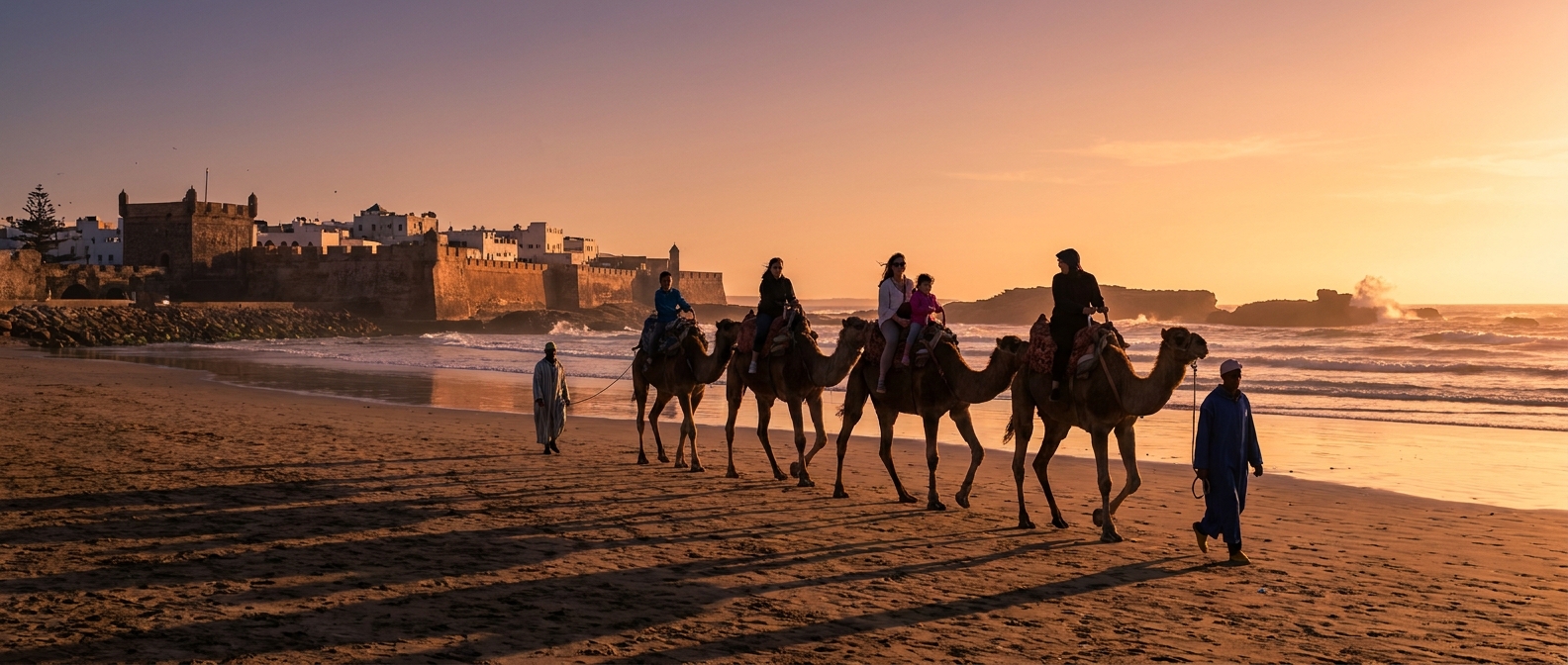
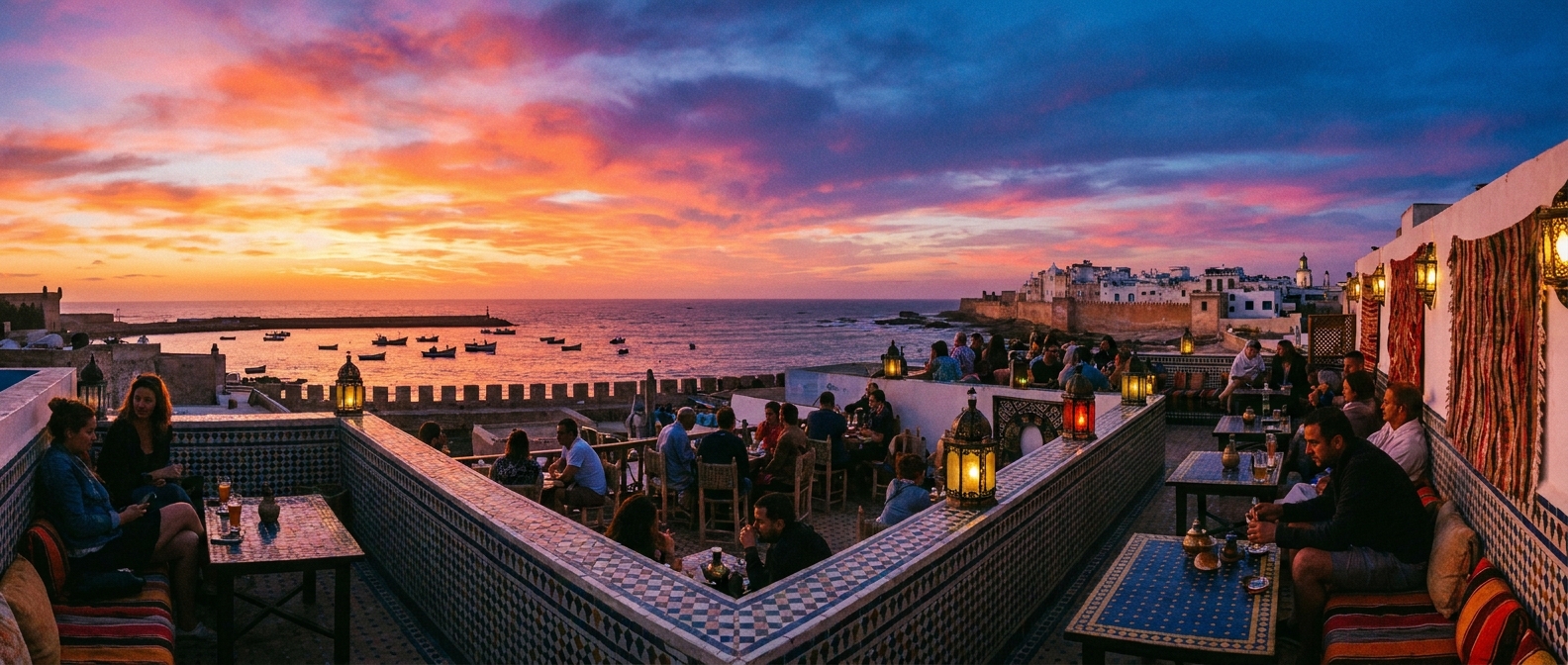
Essaouira, a charming coastal gem in Morocco, is a city bursting with cultural richness and an artistic flair. One of its standout features? The remarkable leather goods crafted by talented local artisans. These products are not just items for sale; they embody a fusion of time-honored techniques and modern designs, captivating both locals and visitors alike. From stylish bags and shoes to beautifully crafted belts and jackets, the leather items from Essaouira showcase an exceptional level of quality and creativity. When you dig into why Essaouira is famous for its leather goods, you uncover a tapestry woven with culture, history, and artisan skills. This makes it a significant player not only in the Moroccan market but also on the global stage.
This article will take you on an exciting journey through the history of leather craftsmanship in Essaouira. We’ll look at the current landscape of the industry and showcase some key statistics that underscore its importance. Plus, we’ll share expert insights into the cultural significance of these treasured items, discuss the latest trends, and touch on the obstacles local artisans face. By the time you finish reading, you’ll have a richer appreciation for the artisanal leather scene in Essaouira and its essential role in preserving the heritage of Morocco.
The Historical Roots of Moroccan Leather Craftsmanship
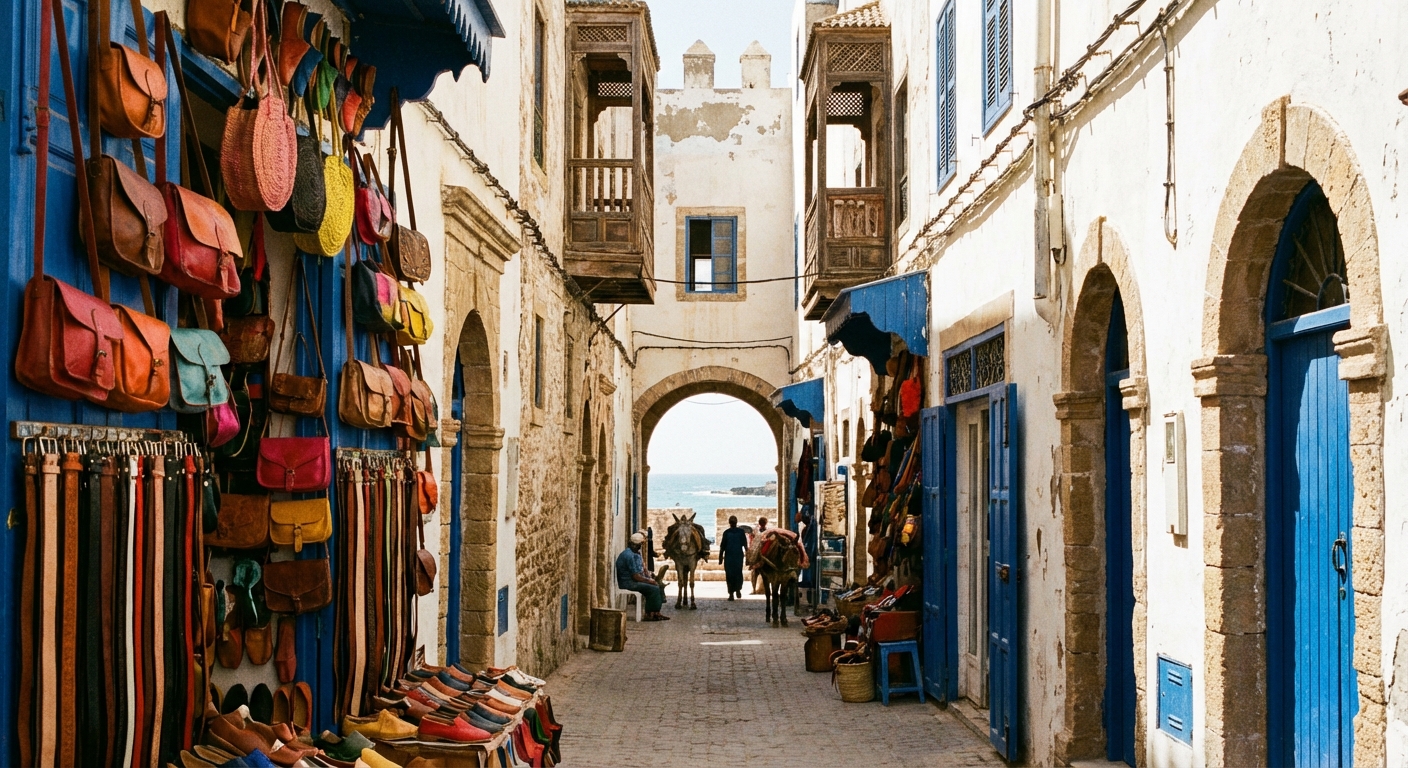
Let’s take a step back—Moroccan leather craftsmanship has an impressive history that stretches back over a thousand years, rooted in the artistry of the Berber people. These early artisans produced practical items like shoes, saddles, and bags using techniques perfected through countless generations. The craft really began to flourish during the Islamic Golden Age, becoming highly sought after in Europe by the 17th century, celebrated for its unparalleled quality and durability.
Now, while cities like Fez and Marrakech are often the go-to names for expansive tanneries and busy leather markets, Essaouira has carved out its own unique space. It’s earned a reputation for high-quality handmade leather products that reflect local culture and craftsmanship. Here, creating leather goods isn’t just about commerce; it’s about storytelling—each piece showcases the artisan’s skills and the deep-rooted legacy of Moroccan artistry.
Essaouira’s Vibrant Leather Market Today
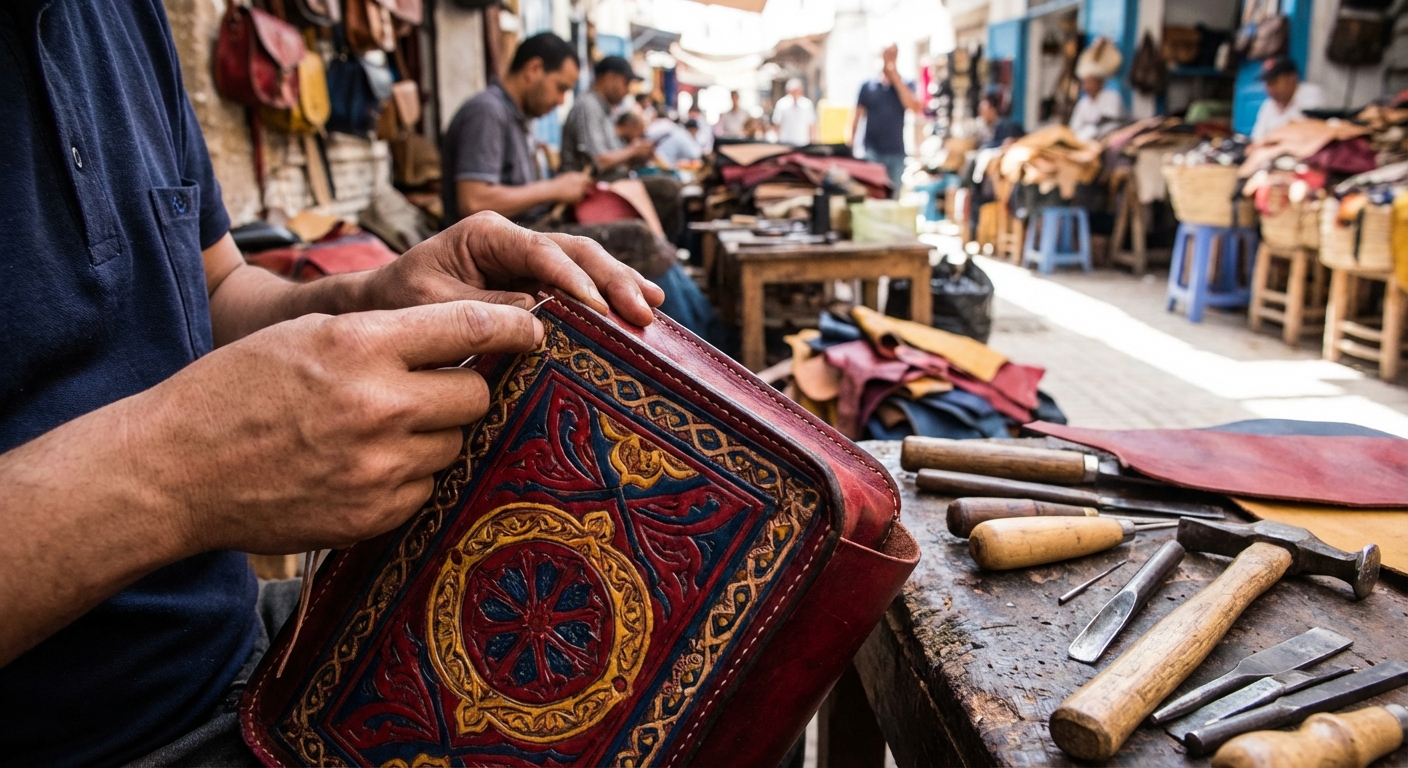
Today, Essaouira’s medina buzzes with life, offering an array of leather goods crafted by local artisans in countless small shops and stalls. Unlike bigger cities, which typically emphasize mass production, Essaouira prides itself on smaller-scale production. This approach ensures that each item carries the signature of quality and craftsmanship that defines the area’s reputation.
When you stroll through the medina, you can expect an authentic shopping experience that lets you connect directly with the artisans. This personal interaction adds depth to the purchase, enabling shoppers to learn about the tales behind their finds. So, you’re not just bringing home a unique item—you’re also helping to sustain the local economy and preserving cherished traditional techniques.
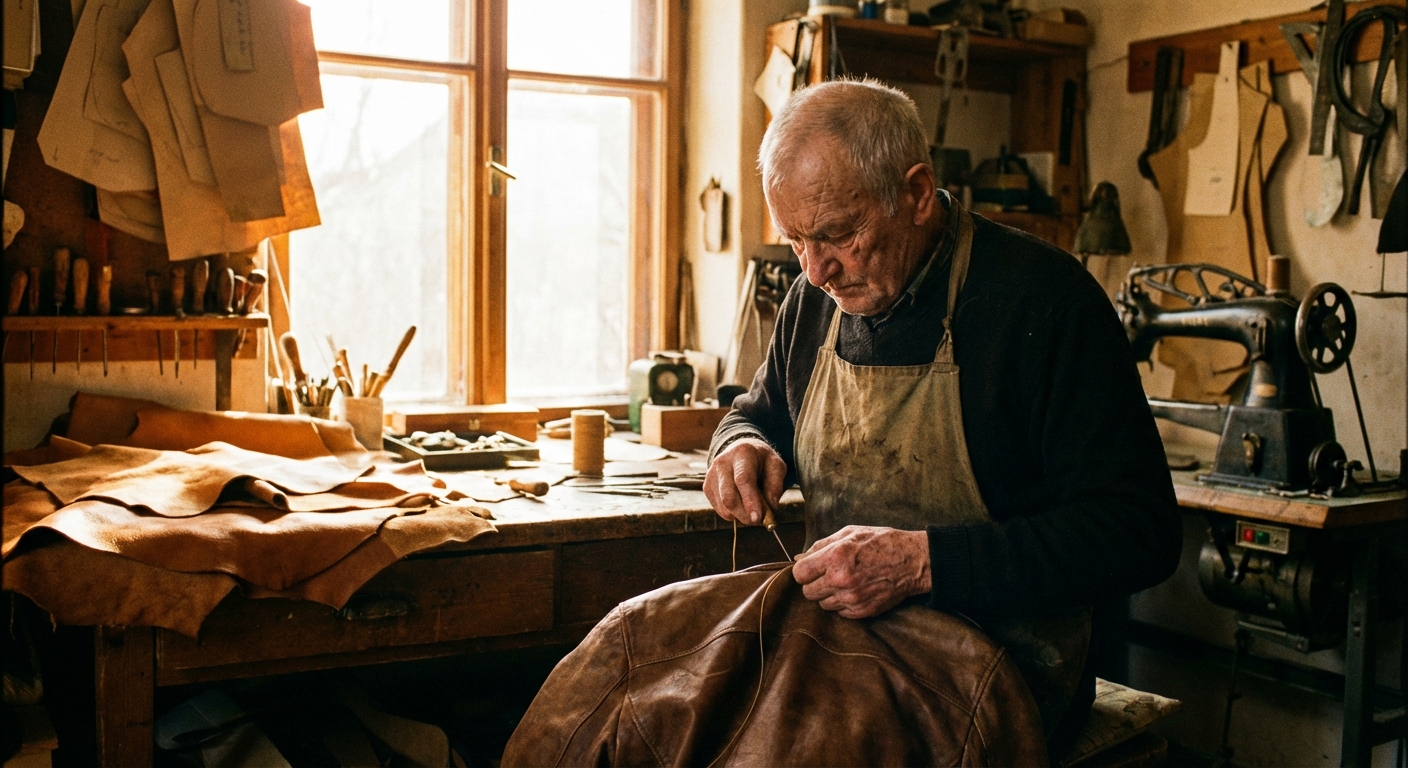
As you meander through the narrow alleys, the alluring scents of vegetable-tanned leather and the vibrant displays of shops draw you into the world of Moroccan artisanship. You might even catch a craftsman in action, meticulously crafting a product right before your eyes. It’s a mesmerizing sight.
Statistics That Speak Volumes
Let’s look at some eye-opening statistics about Moroccan leather goods:
- There are approximately 86 traditional tanneries throughout Morocco, with major hubs in Fez and Marrakech; however, Essaouira stands out for its commitment to high-quality handcrafted offerings.
- Leather exports make up a significant chunk of Morocco’s economy. The country ranks among the world’s top suppliers of premium leather, and Essaouira contributes substantially through its artisan shops.
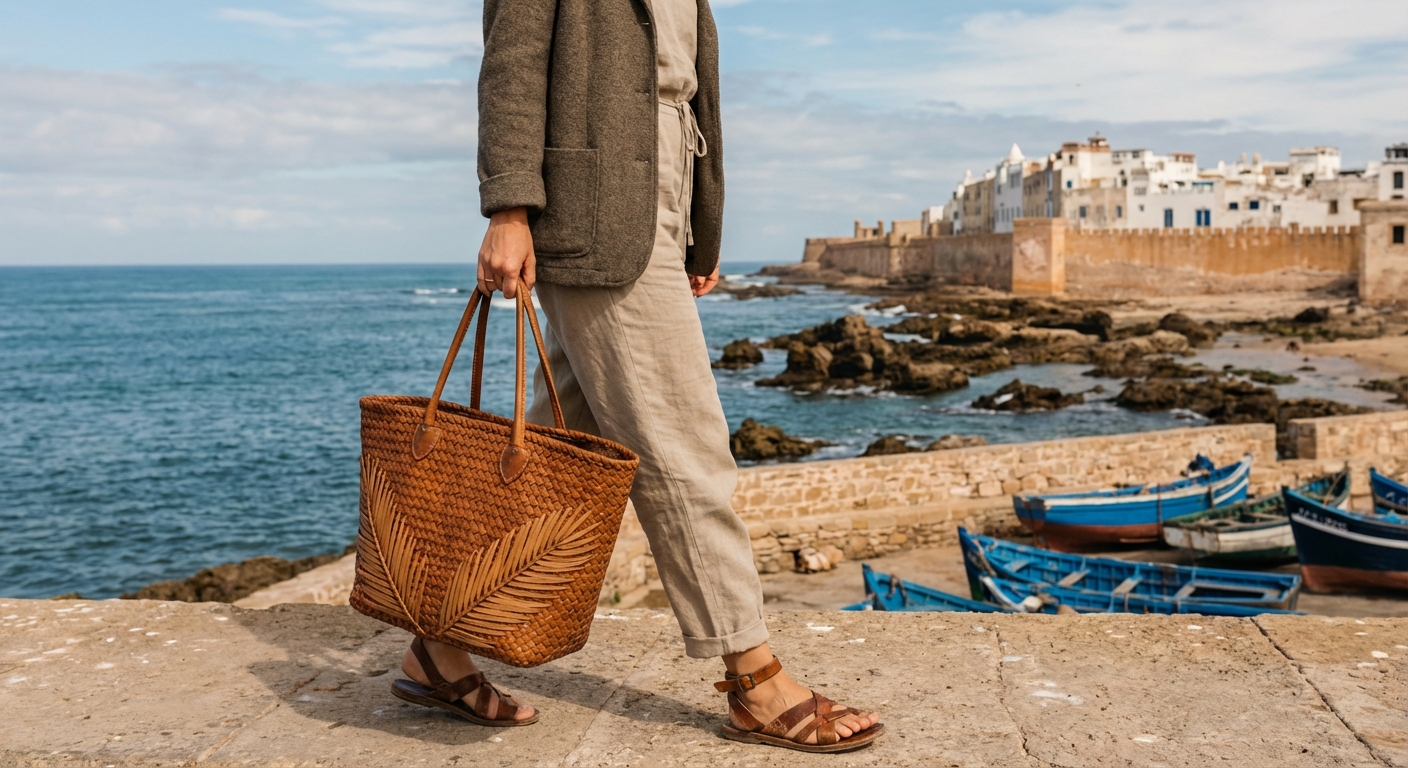
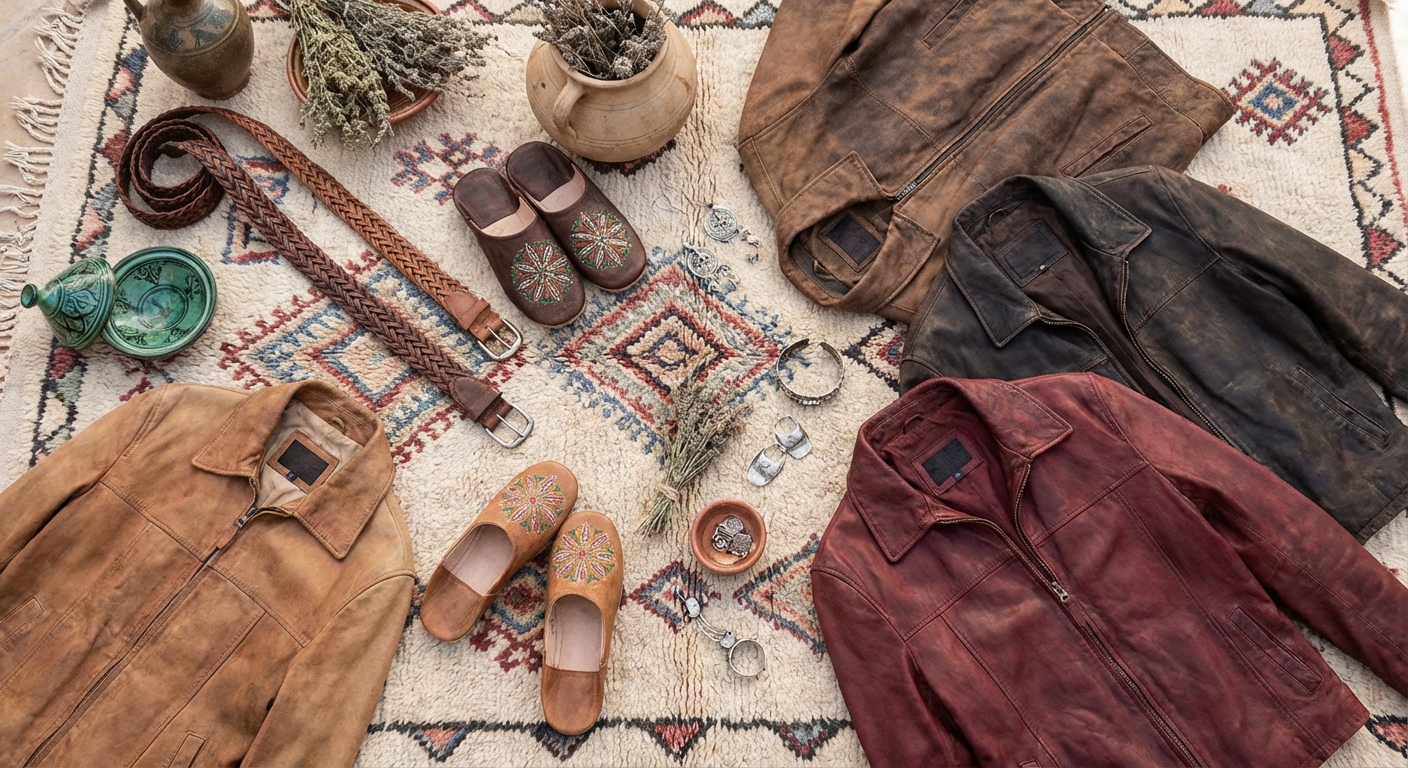
- Handbags, shoes, and jackets are hot items in Essaouira’s leather market, often priced lower than those in European marketplaces because of direct sales from the makers.
Expert Insights on the Cultural Significance
Industry experts stress that leather goods in Essaouira carry profound cultural weight. Local artisans emphasize that their creations are more than just fashion accessories; they embody the traditions and identity of the community. One artisan remarked, “Every piece of leather tells a story of the craft and the land it comes from.”
This focus on natural materials and traditional techniques is essential. By holding onto these methods, they ensure that each item maintains its distinct character and quality, aligning with an artisanal philosophy that values sustainability and eco-friendliness—something increasingly important in today’s market. In a world leaning toward ethical consumption, Essaouira’s leather offerings shine as genuine representations of Moroccan craftsmanship.
Trends Influencing the Leather Industry
Recent changes in Essaouira’s leather landscape mirror broader global trends. There’s been a noticeable increase in the demand for sustainable and ethically sourced products. This growing interest has prompted many artisans to adopt organic tanning practices and eco-friendly materials, leading to a fresh wave of products aimed at eco-conscious consumers.
What’s more, the rise of e-commerce is allowing local artisans to connect with customers far beyond Moroccan borders. While traditional leather items remain valuable, there’s a growing appeal for contemporary styles that blend modern aesthetics with traditional Moroccan heritage. This trend helps to expand the market for Essaouira’s leather goods, especially among younger shoppers.
Challenges Facing Local Artisans
Despite the thriving market scene, the leather crafting industry in Essaouira faces some hurdles. Competition from mass-produced leather goods, particularly from international brands, poses a real threat to local artisans who are dedicated to maintaining traditional techniques. Plus, while the charm of shopping in vibrant souks is alluring, issues like quality assurance and pricing inconsistencies can create trust issues for tourists who may not be familiar with local practices.
It’s crucial for artisans to receive improved training and support to adapt to new market demands without compromising their authenticity. Those involved in the leather craft community are actively discussing these challenges, stressing the need to preserve traditional values in a rapidly evolving marketplace.
Key Takeaways About Essaouira’s Leather Goods
Essaouira is famous for its handmade leather goods, rooted in centuries of artisanal craftsmanship. Visitors to this coastal city will find a lively medina that offers an authentic shopping experience filled with local artistry. The flourishing market is underpinned by a commitment to sustainability and ethical sourcing, aligning with both local customs and global trends.
As artisans grapple with the pressures of mass production and market competition, their unwavering dedication to preserving traditional methods remains a hallmark of their craft. Engaging with local craftsmen not only bolsters the economy but also plays a vital role in safeguarding the rich cultural heritage of Essaouira. So, if you’re in search of unique leather treasures infused with the spirit of Morocco, this city is an absolute must-visit.