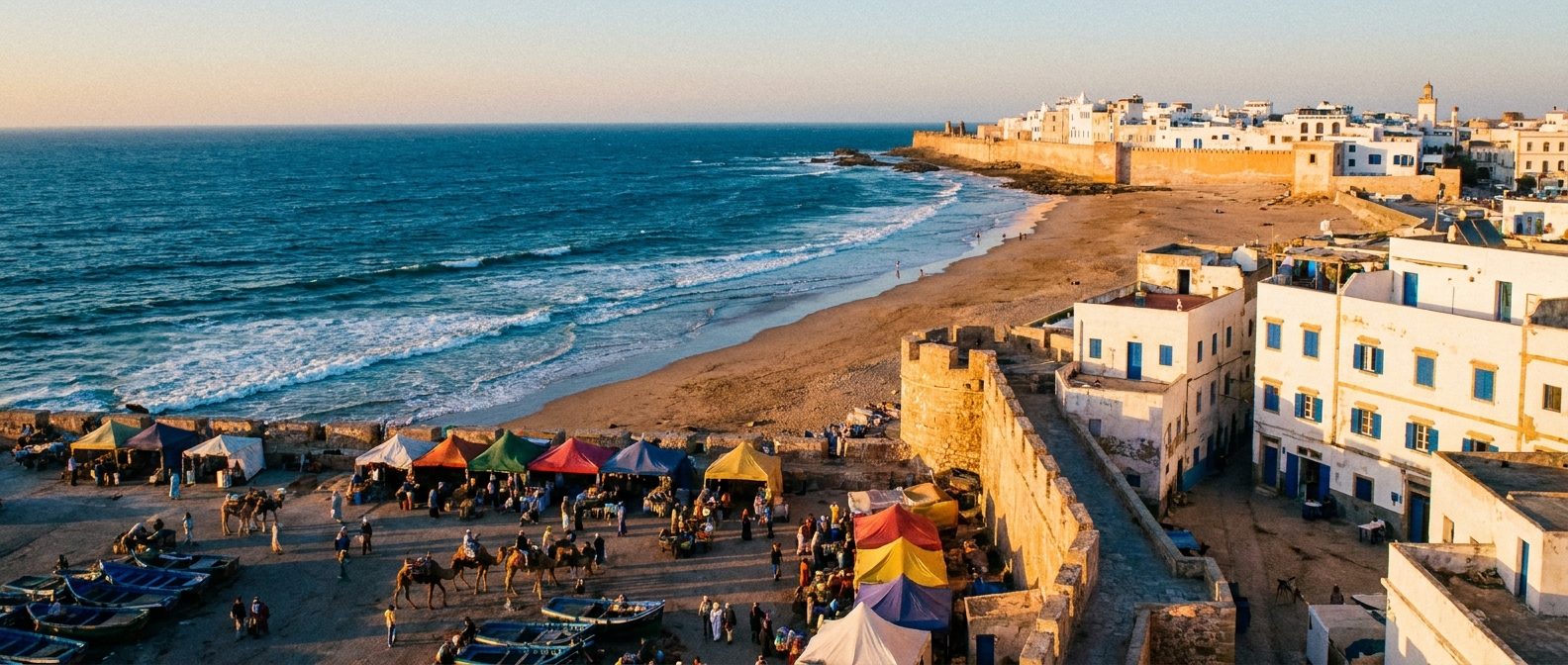
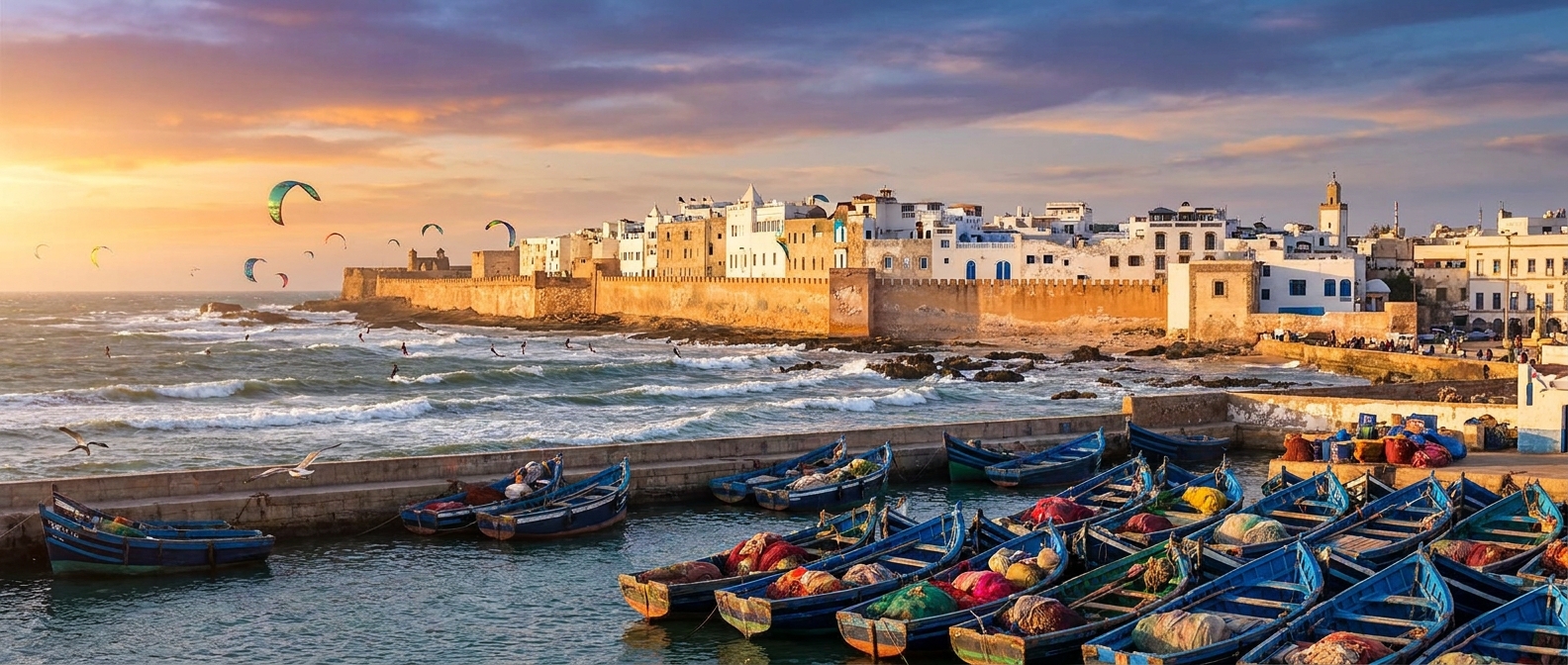
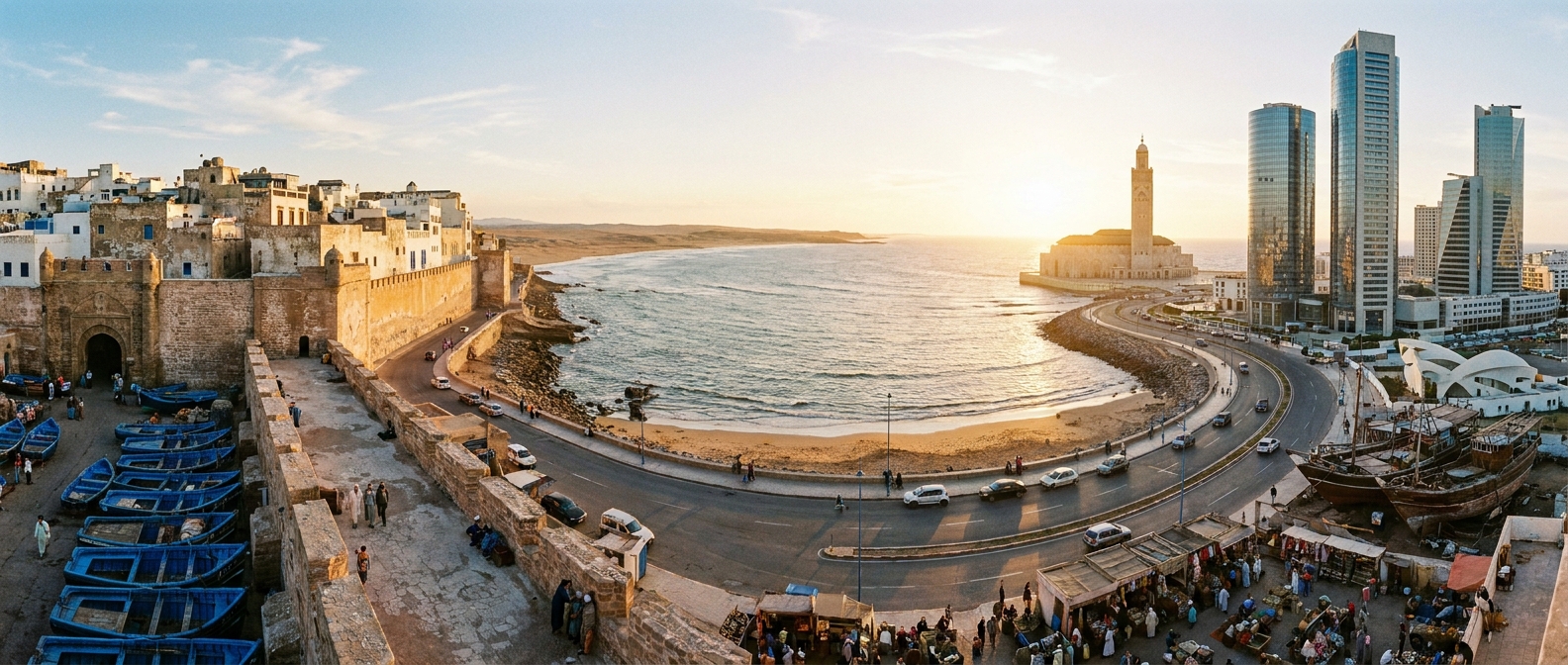
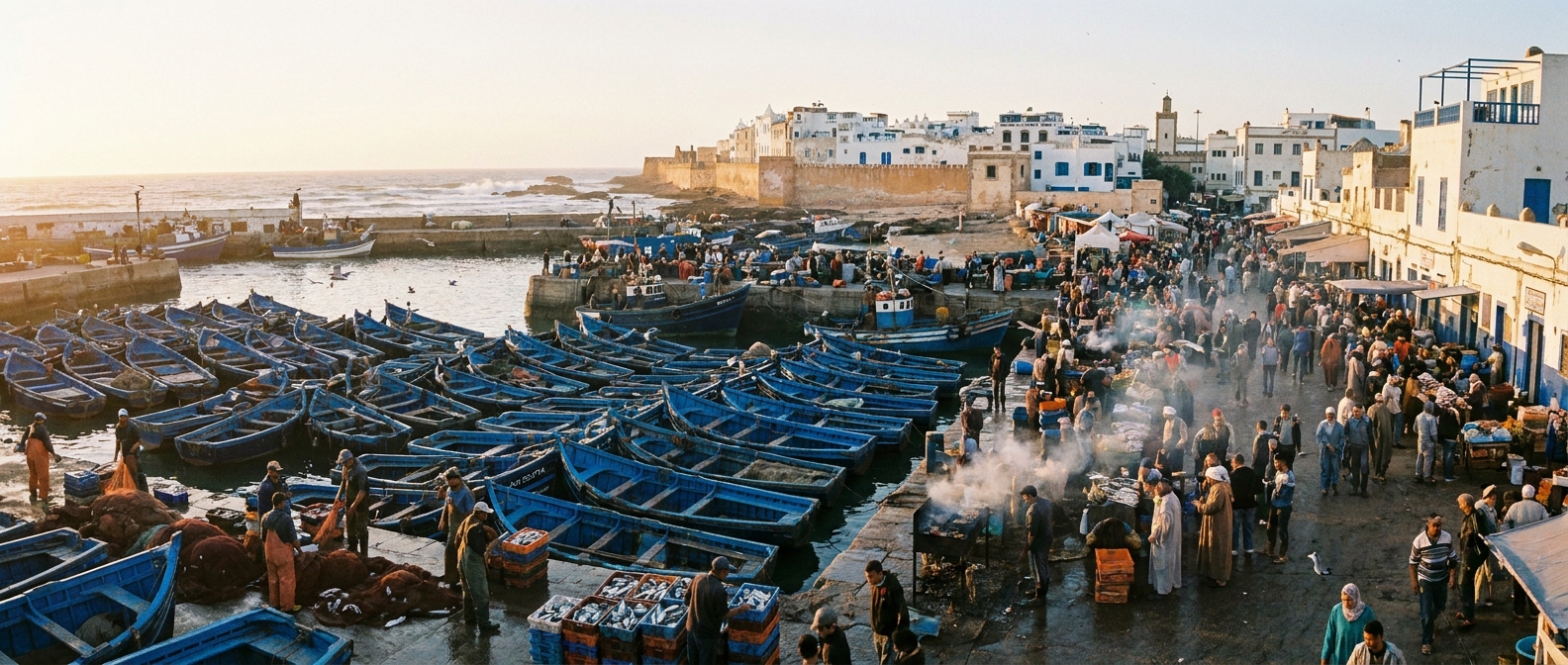
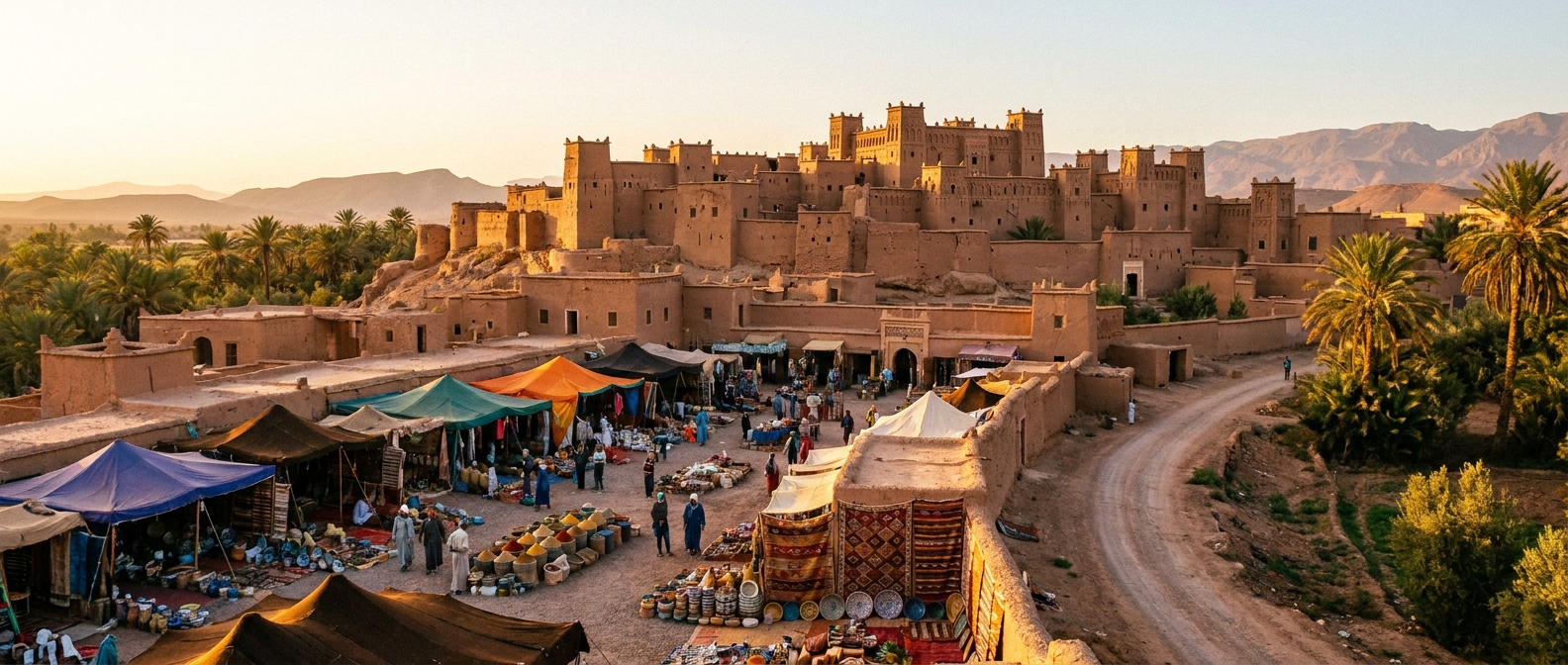
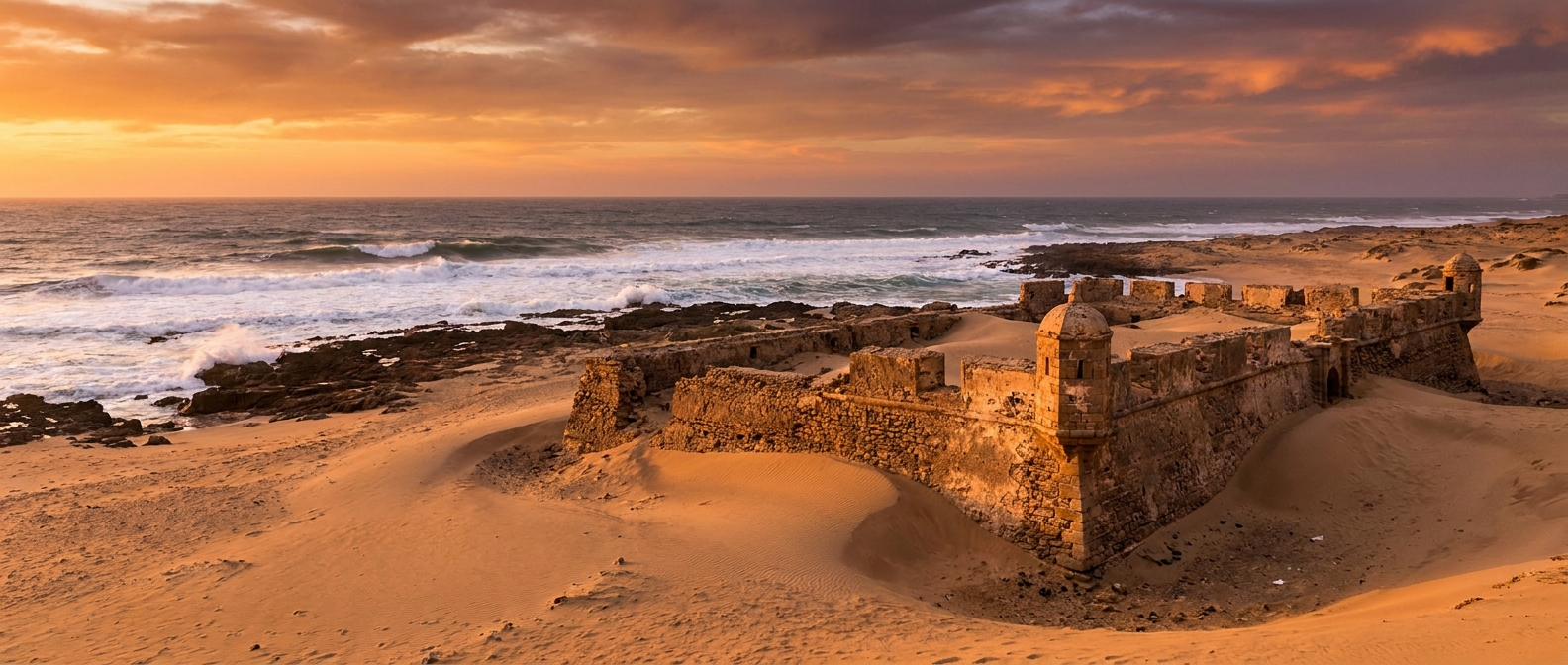
Picture this: an ancient stone fortress half-swallowed by golden sand, waves crashing against the Atlantic shore just beyond, and not a tour bus in sight. Sounds like something out of a dream, right? Well, it’s real — and it’s called Borj El Baroud.
Tucked away near the coastal town of Essaouira, this 18th-century fortification doesn’t show up in most guidebooks. That’s precisely what makes it so special. Here, you’ll find Morocco’s rich history colliding with raw natural beauty, minus the crowds that flock to more famous landmarks. Ready to uncover what makes this place so captivating? Let’s dive in.
Historical Significance of Borj El Baroud
Sultan Mohammed ben Abdallah built this coastal fortress back in the 18th century, and he wasn’t messing around. The whole point? Protect Morocco from maritime attacks — especially from the Portuguese, who had their eyes on this stretch of coastline. “Borj” means watchtower or fort in Arabic, while “baroud” translates to gunpowder. So yeah, this wasn’t just some decorative outpost.
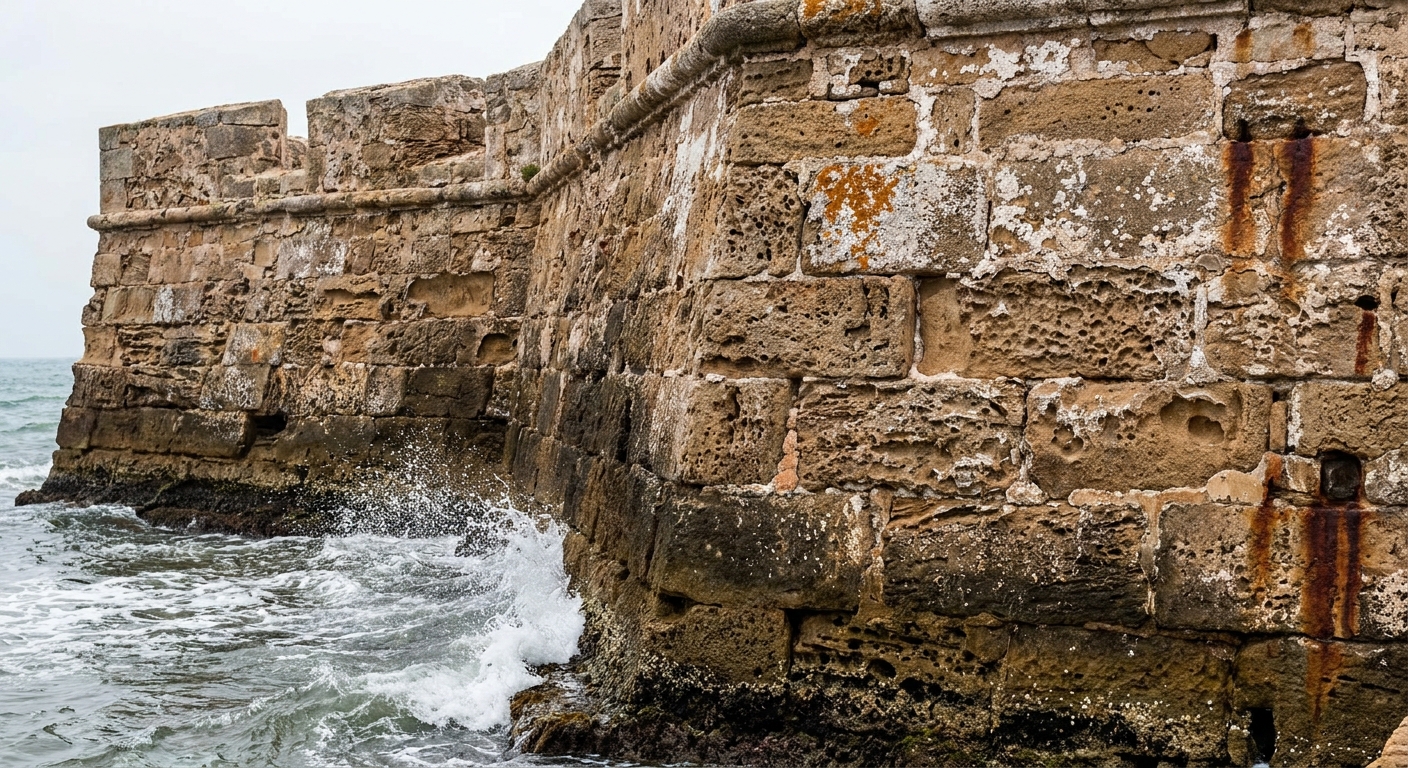
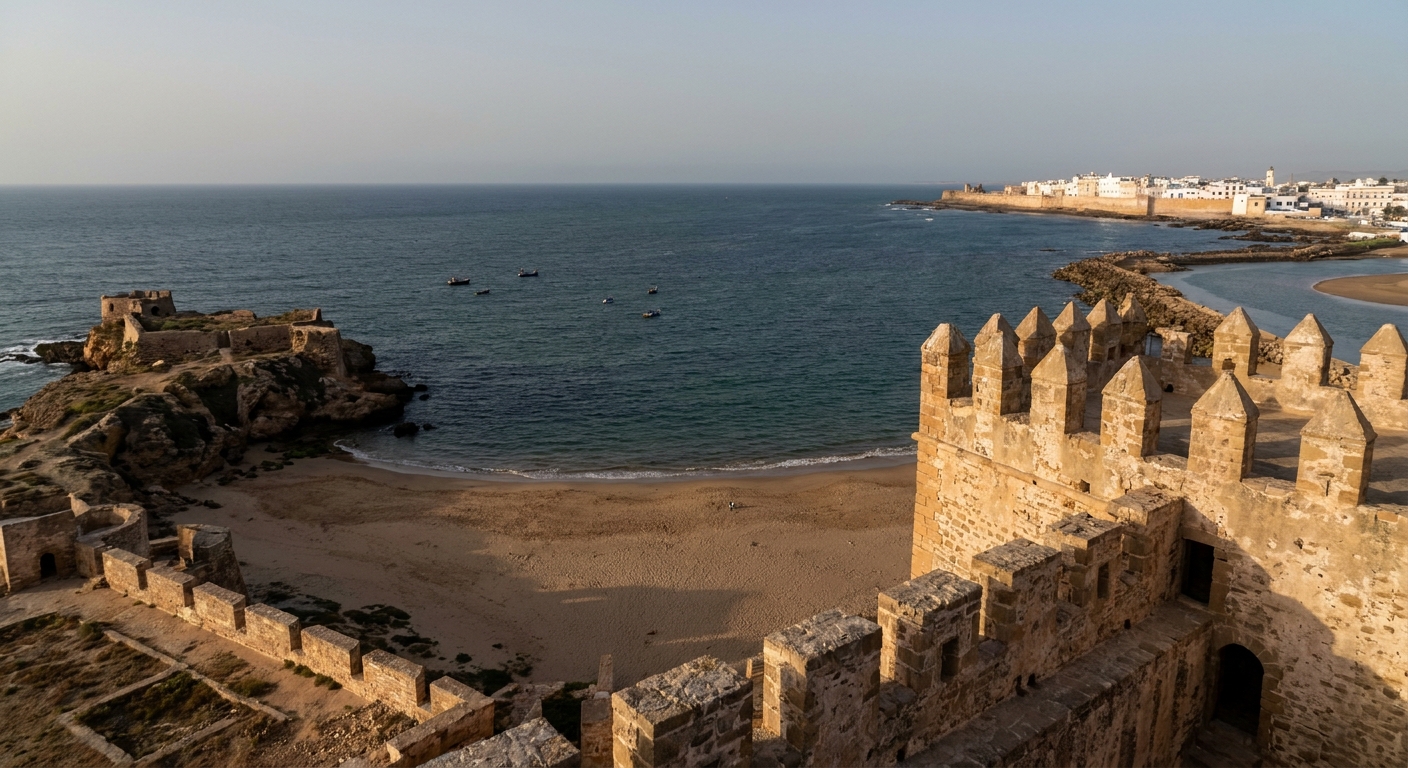
The location was strategic genius. Perched where it could monitor the mouth of the Oued Ksob river and overlook Diabat Beach, the fort gave defenders a commanding view of anything approaching by sea. Those thick stone walls you see today? They’ve survived centuries of salt air, pounding waves, and general neglect. Pretty impressive engineering, if you ask me.
What strikes most visitors is the atmosphere. There’s something almost haunting about walking through these weathered ruins — you can practically feel the weight of history pressing in around you.
The Current State of Borj El Baroud
Here’s the good news: you can visit Borj El Baroud anytime, and it won’t cost you a single dirham. The fort sits partially buried beneath shifting sands, which honestly makes it even more photogenic. It’s like nature is slowly reclaiming what humans built, creating this mesmerizing blend of stone, sand, and sea.
Getting there isn’t complicated. From the village of Diabat, just follow the coastal paths that wind past pristine beaches. The walk itself is half the adventure — think windswept dunes and the constant rhythm of crashing waves.
Now, here’s where things get interesting. Local legend connects this spot to none other than Jimi Hendrix. The story goes that the legendary guitarist spent time here in the late 1960s and was inspired to write “Castles Made of Sand” while gazing at the fort. Is it true? Nobody knows for sure. But standing there with the wind whipping around you, watching sand slowly consume ancient walls — well, you can understand why the myth persists.
Key Statistics and Visitor Information
Before you head out, here’s what you need to know:
- Location: Diabat village, a short trip from Essaouira, Morocco.
- Built: 18th century under Sultan Mohammed ben Abdallah.
- Access: Open 24/7, completely free.
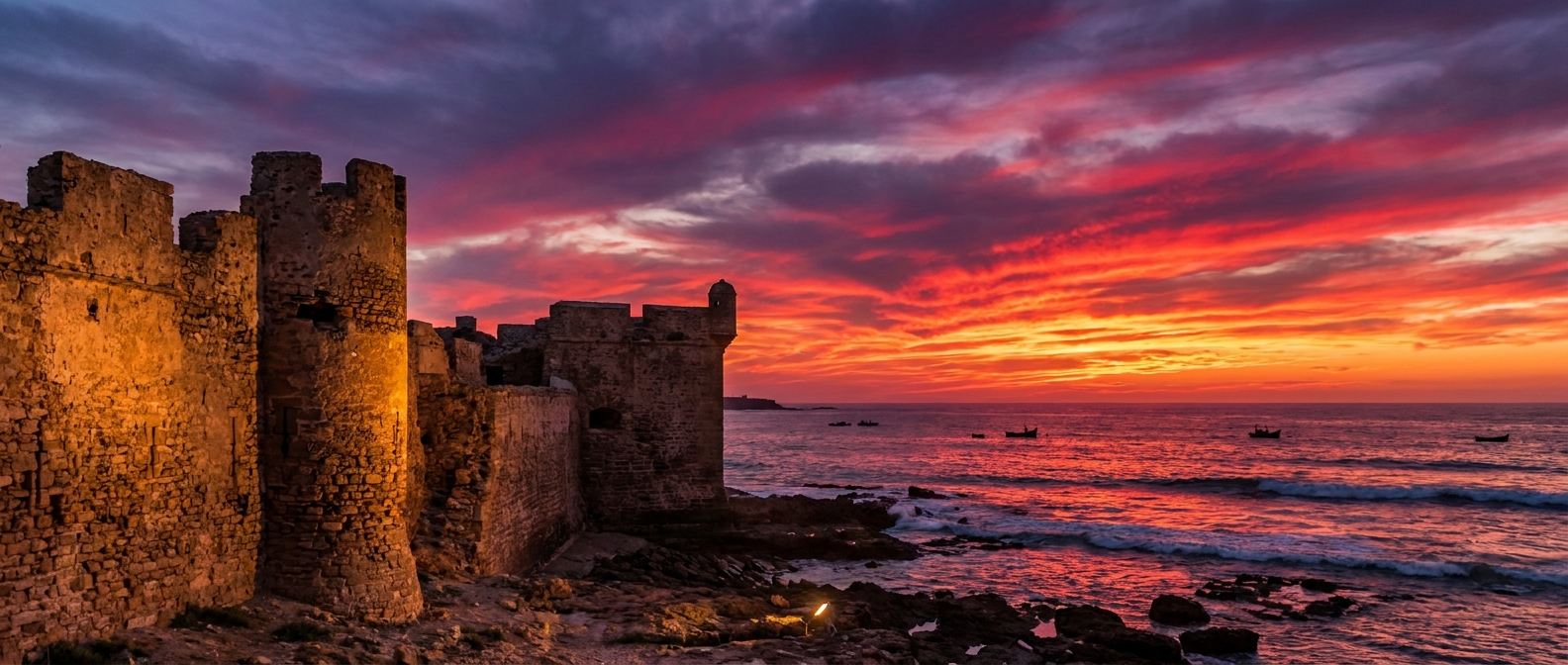
- Pro tip: Show up at sunrise or sunset. Trust me on this one — the light is absolutely magical.
Pack some water, wear comfortable shoes, and give yourself plenty of time to explore. This isn’t a place to rush through.
Expert Insights and Recommendations
Travel photographers absolutely love this place, and it’s easy to see why. The combination of crumbling stone, golden sand, and dramatic coastal light creates endless possibilities for stunning shots. Whether you’re toting a professional DSLR or just your phone, you’ll find amazing angles around every corner.
A local historian put it perfectly: “Borj El Baroud feels like a portal to another era. You can almost hear the soldiers keeping watch, scanning the horizon for approaching ships.” That kind of atmosphere? You can’t manufacture it.
The site rewards patience. Wander slowly. Let your imagination run. And don’t forget to look up — the sky out here puts on quite a show, especially as the sun dips toward the Atlantic.
Trends and Growing Popularity
Word is getting out about Borj El Baroud. More travelers are actively seeking these off-the-beaten-path experiences instead of checking off the usual tourist spots. And this fort delivers exactly that — authenticity without the crowds.
Instagram and travel blogs have definitely played a role in putting this place on people’s radar. Those dramatic photos of sand-buried ruins? They stop scrollers in their tracks. Local guides are also organizing more educational tours that highlight Morocco’s architectural heritage and coastal defense history.
But let’s be real — increased attention is a double-edged sword. More visitors means more wear and tear on a site that’s already weathering naturally. It’s a delicate balance between sharing these hidden gems and protecting them for future generations.
Challenges and Controversies Surrounding Borj El Baroud
Okay, let’s talk about the elephant in the room. Borj El Baroud isn’t officially maintained or restored. There’s no protective fence, no entrance booth, no preservation program in place. And as more people discover it? Foot traffic takes its toll.
Some argue that exposure is essential — how else will people care about preserving something they don’t know exists? Others worry we’re loving this place to death. It’s an ongoing debate without easy answers.
Then there’s the historical confusion. Some local guides mistakenly call it “the Portuguese Castle,” which isn’t accurate. The Portuguese never built this fort — the Moroccans did, specifically to defend against Portuguese naval threats. Small detail, but history matters. If you’re booking a guide, do your homework and stick with reputable sources.
Understanding these complexities makes your visit more meaningful. You’re not just seeing old stones; you’re witnessing a place caught between preservation and erosion, fame and obscurity, myth and documented history.
Conclusion: An Unforgettable Visit to Borj El Baroud
Borj El Baroud isn’t just another historical site — it’s an experience. The kind that stays with you long after you’ve shaken the sand from your shoes. Free to visit, hauntingly beautiful, and steeped in stories both documented and legendary, it deserves a spot on any Essaouira itinerary.
So next time you find yourself on Morocco’s Atlantic coast, do yourself a favor. Step away from the medina crowds, follow those coastal paths to Diabat, and let Borj El Baroud work its quiet magic on you. Some places you visit; others you discover. This one’s firmly in the second category.
Frequently Asked Questions
What is Borj El Baroud?
It’s an 18th-century Moroccan fortification built to defend the coast against maritime threats, located near Essaouira. Think military watchtower meets Atlantic Ocean views.
How do I get to Borj El Baroud?
Head to the village of Diabat, then walk along the coastal paths toward the beach. The fort is hard to miss once you’re close — just look for ancient walls rising from the sand.
Are there any entry fees to visit Borj El Baroud?
Nope, it’s completely free and open around the clock. No tickets, no schedules, no restrictions.
When is the best time for photography at Borj El Baroud?
Golden hour is your friend here. Sunrise and sunset bathe the ruins in warm, dramatic light that makes everything look incredible. Midday works too, but the magic happens at the edges of the day.