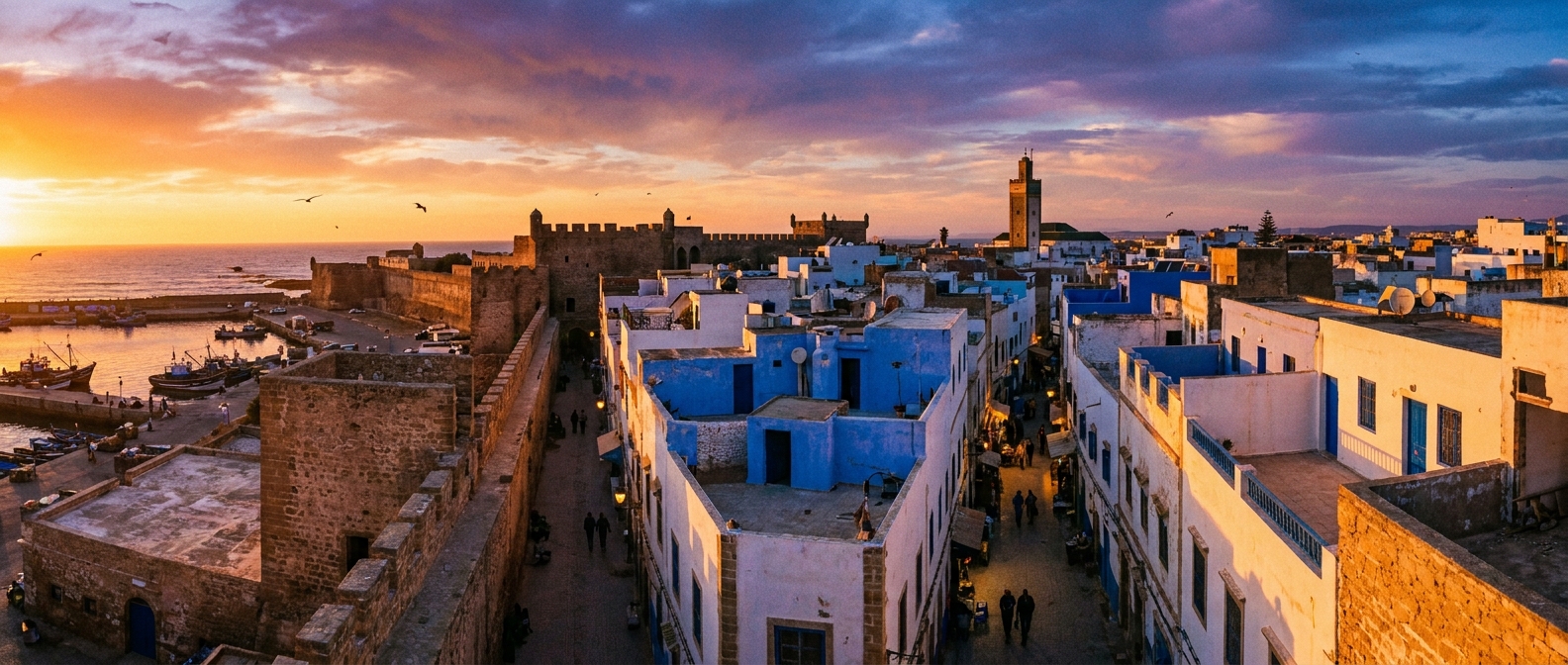
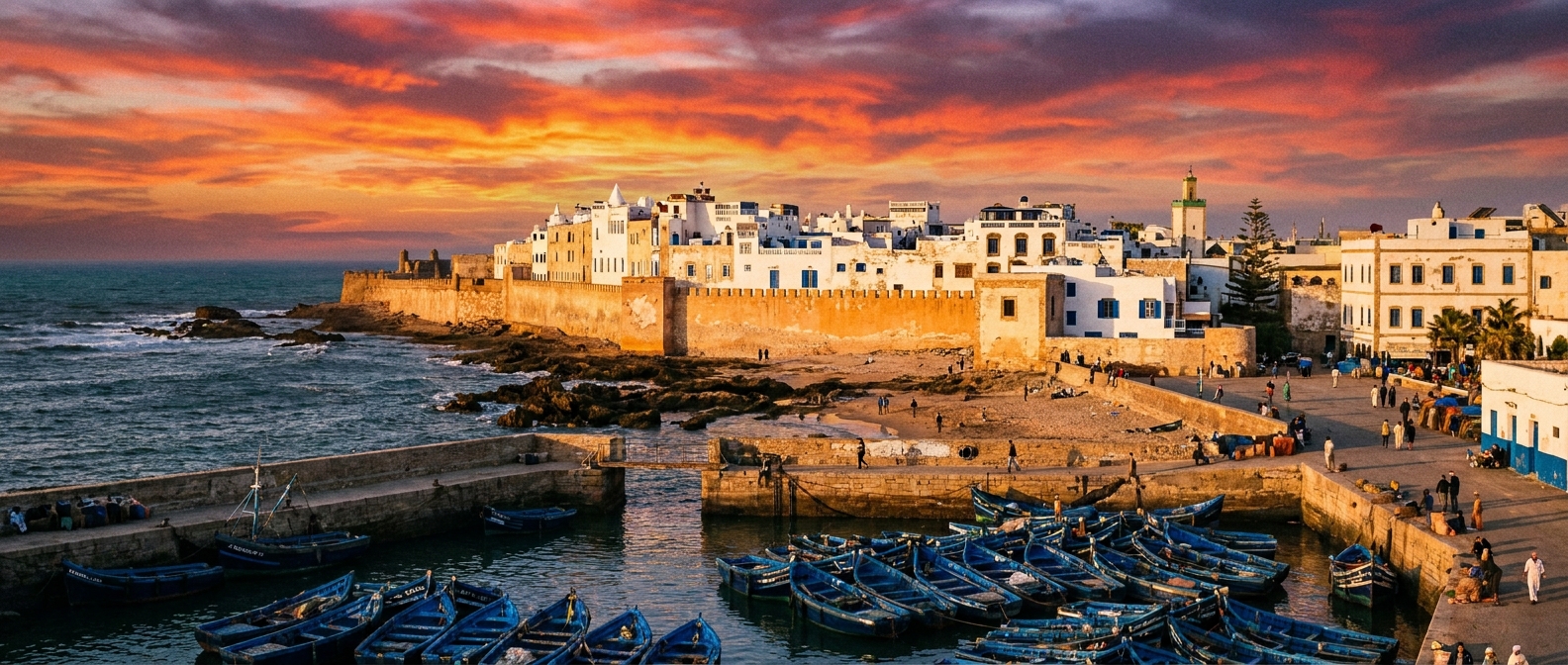
So you’re heading to Essaouira — excellent choice. This windswept Moroccan coastal gem offers stunning Atlantic views, maze-like markets, and the kind of authentic cultural experience that travel dreams are made of. But here’s something that catches many visitors off guard: Essaouira runs on cash. Like, really runs on cash.
Sure, you’ll find modern amenities scattered throughout the city. But once you step into those bustling souks or grab a seat at a local cafe, your credit card becomes about as useful as a chocolate teapot. Understanding how much cash to carry in Essaouira isn’t just helpful — it’s essential for actually enjoying your trip without those awkward “I thought they took cards” moments.
Here’s the thing: the cash needed for an Essaouira trip varies wildly depending on how you travel. Whether you’re backpacking on a shoestring or treating yourself to something more luxurious, having the right amount of dirhams in your pocket makes everything smoother. Let’s break down exactly what you need to know.
Historical Background of Essaouira
Essaouira’s story goes back centuries — the Portuguese established it as a trading settlement in the 1700s, and it quickly became a crossroads for civilizations. Merchants from across the globe passed through here, exchanging goods, ideas, and cultures. That trading heritage? You can still feel it today.
The city evolved into the tourist destination we know now, famous for its working fishing port, artisan workshops, and that gorgeous UNESCO-listed medina. But despite welcoming visitors from around the world, something interesting happened: the cash-based economy stuck around. It’s not a bug — it’s a feature.
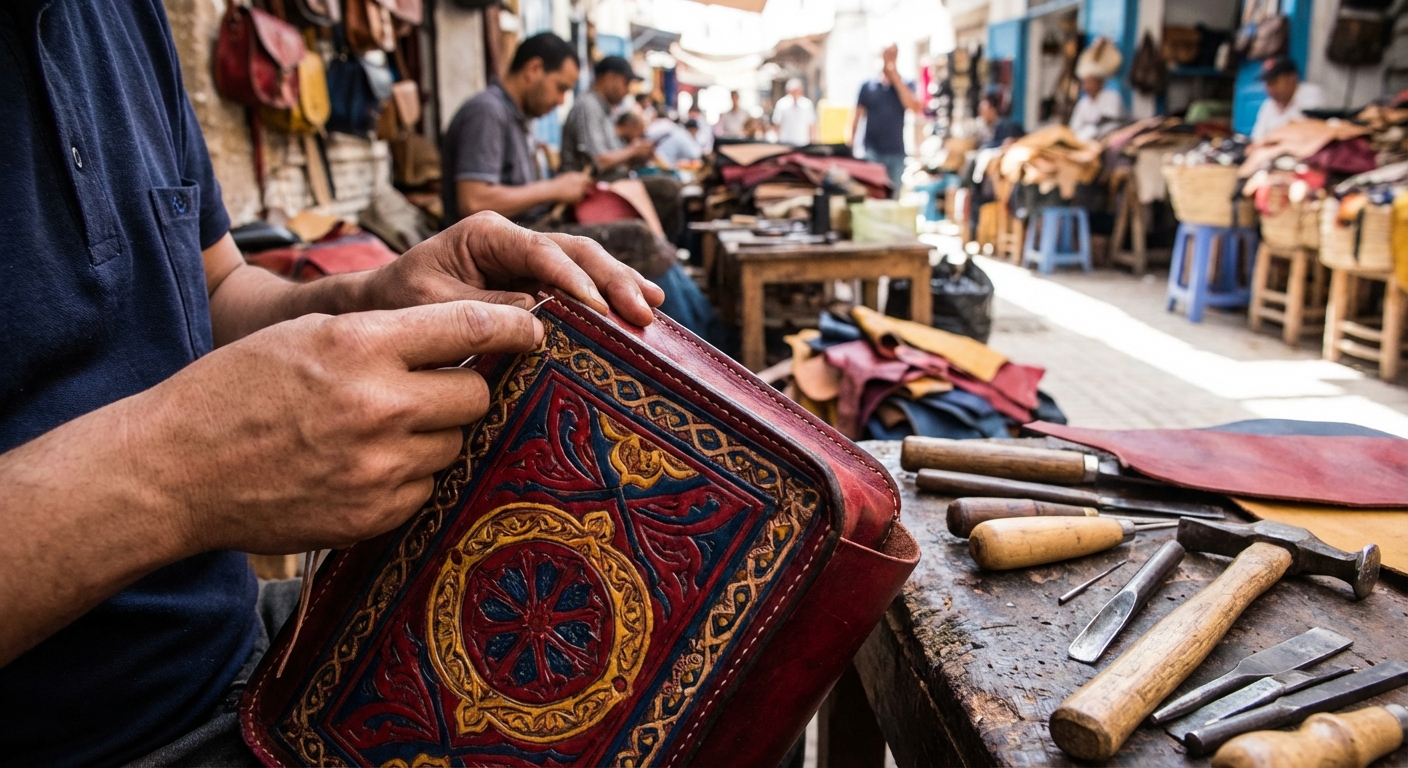
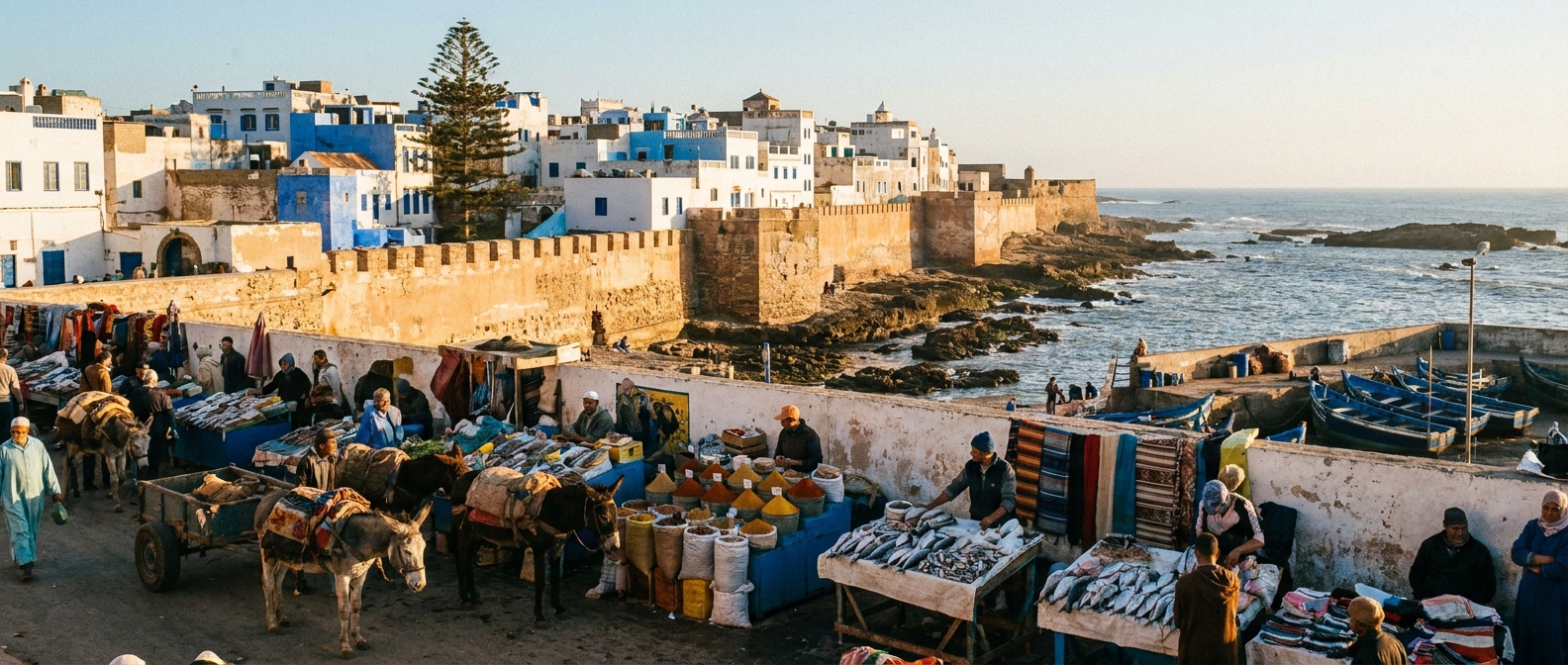
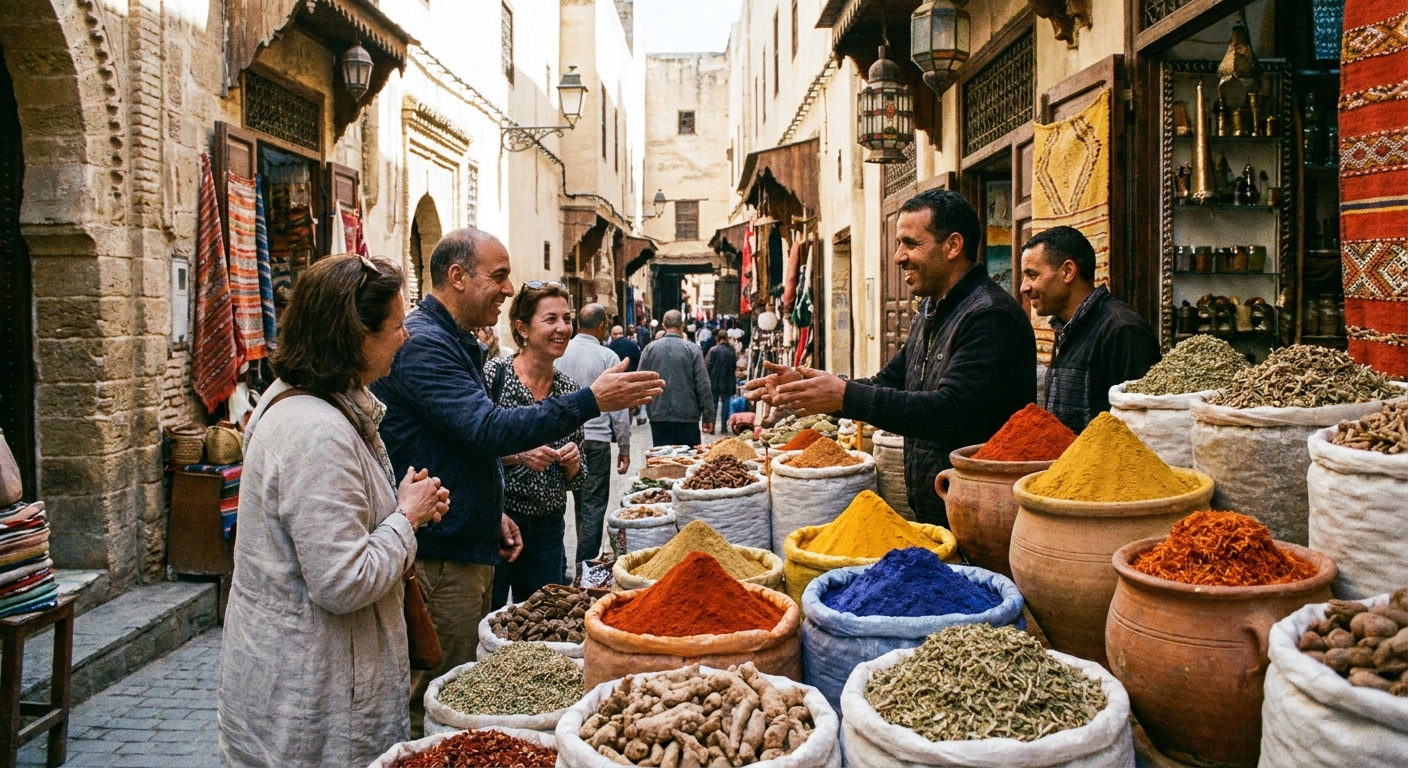
Walking through those ancient streets, you’ll notice that cash transactions aren’t just practical here; they’re woven into the fabric of daily life. Haggling with a vendor over a handwoven rug, paying for fresh-caught fish at a beachside grill, picking up spices by the handful — these moments feel more genuine when paper changes hands. Understanding this context helps you appreciate why coming prepared matters.
The Current Cash Landscape in Essaouira
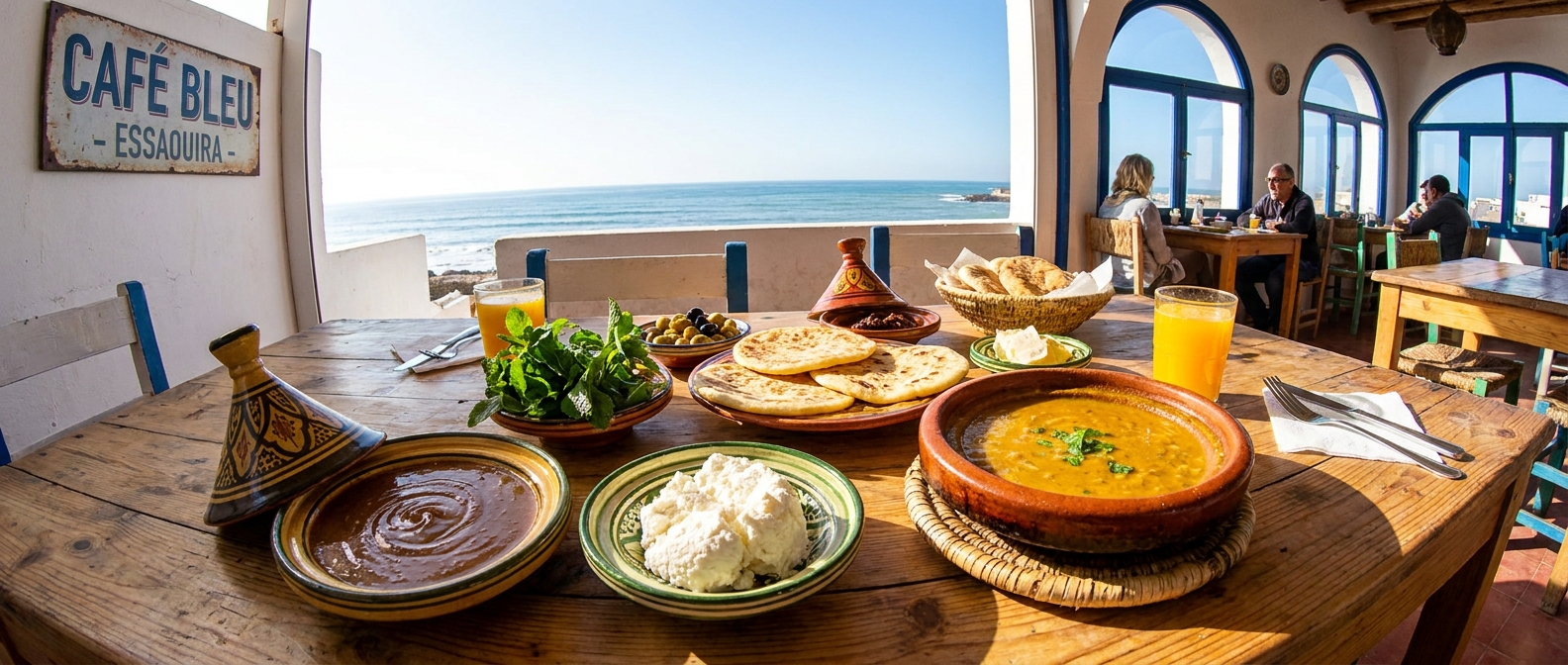
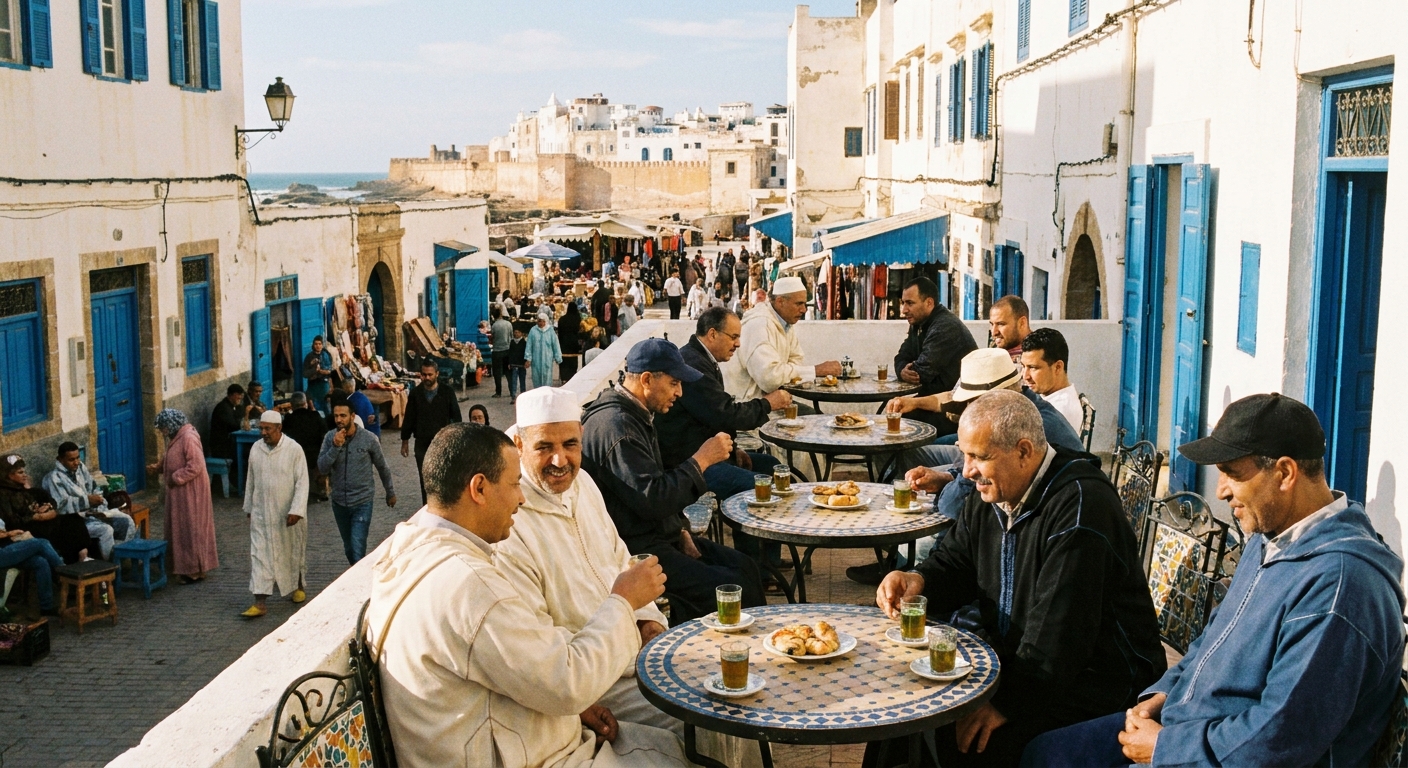
Fast forward to 2026, and not much has changed on the payment front. Cash still dominates everyday transactions in Essaouira. Yes, you’ll find ATMs dotted around. And yes, some larger hotels and established restaurants will happily swipe your Visa. But step into a street vendor’s stall, grab mint tea at a hole-in-the-wall cafe, or browse artisan crafts in the medina? Cash only.
What does this mean for your wallet? Based on traveler feedback and local experience, plan for somewhere between 150 and 450 MAD daily — though that range stretches considerably depending on your style. Budget travelers can get by comfortably on 150-300 MAD per day. Mid-range to luxury travelers? You’re looking at 700 MAD or more to cover nicer meals, activities, and accommodations.
Key Statistics on Daily Spending in Essaouira
Numbers don’t lie, and they’re incredibly helpful when you’re trying to figure out how many dirhams to stuff in your money belt. Here’s what typical daily spending looks like:
- Budget Travel: Roughly 250-450 MAD per day gets you basic accommodation, simple but delicious meals, and enough left over for a few small treats.
- Mid-Range Travel: Between 600-1,200 MAD daily opens up nicer riads, restaurant meals, and room for a few activities.
- Luxury Travel: 1,800 MAD+ per day for premium dining, beautiful accommodations, and whatever catches your eye.
Beyond daily spending, keep roughly 150-300 MAD handy for meals, snacks, and those impulse purchases you didn’t plan on (but absolutely don’t regret). Planning to shop seriously or book excursions? A reserve of 500–1,000 MAD gives you breathing room.
Expert Insights on Cash Flow
Don’t just take my word for it. Seasoned travelers consistently echo the same advice: bring cash, then bring a little more.
“Cash is king in Essaouira, especially in the medina and local markets. You’ll find it hard to enjoy the local cuisine and shopping if you don’t have cash on hand,” says Jacqueline, who’s visited multiple times and learned this lesson firsthand.
Mohamed, a local guide who’s shown hundreds of tourists around, puts it simply: “For smaller purchases like street food or artisan crafts, you won’t be able to pay with cards, so always have some dirhams handy.”
The bottom line? Cash management isn’t just a travel tip here — it’s the difference between fully experiencing Essaouira and watching from the sidelines.
Trends and Developments in Essaouira’s Cash Landscape
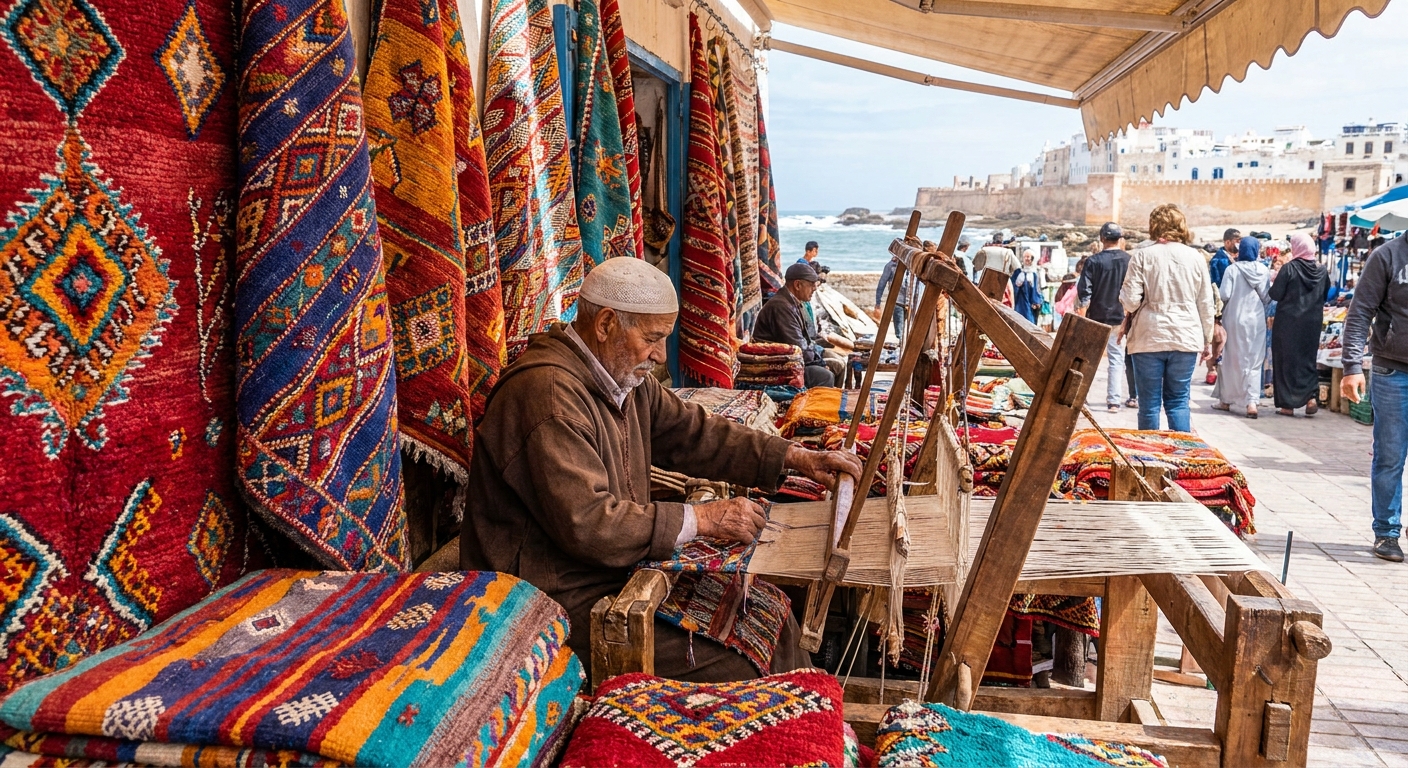
Things are slowly shifting. More upscale restaurants and shops have started accepting cards, and digital payment methods are gaining some traction. But — and this is important — the traditional cash economy still dominates tourist areas. That charming medina shop with the beautiful ceramics? Cash. The guy selling the best grilled sardines you’ve ever tasted? Definitely cash.
ATMs exist, but they’re not everywhere. Stick to machines at banks or near popular spots for safety. And here’s a pro tip: withdraw when you find a working ATM, because the next one might be out of cash or reject your card entirely.
Will Essaouira eventually go digital? Probably. Eventually. But for now, cash remains your best friend.
Common Challenges and Controversies
Let’s talk about what can go wrong — because forewarned is forearmed.
ATM troubles top the list. Machines run dry. International cards get rejected. Sometimes you’ll walk to three different ATMs before finding one that cooperates. Frustrating? Absolutely. Avoidable? Mostly — if you plan ahead and withdraw when you can rather than when you must.
Card fraud is relatively rare here, but basic precautions still apply. Don’t flash large wads of cash in crowded areas. Consider a money belt for carrying larger amounts. Stay aware of your surroundings in busy markets.
And then there’s haggling. Cash negotiations are standard practice in the medina, and prices aren’t always what they seem. Knowing rough price ranges for common items helps you negotiate confidently without feeling like you’ve been taken for a ride. (Spoiler: everyone overpays a little at first. It’s practically a rite of passage.)
Conclusion and Key Takeaways
Ready to tackle Essaouira’s cash economy like a pro? Here’s your cheat sheet:
- Budget 150-300 MAD daily for regular expenses — meals, snacks, small purchases.
- Keep 500-1,000 MAD in reserve for shopping or activities you don’t want to miss.
- Expect most transactions to be cash-only, especially in local markets and smaller venues.
- Handle your cash carefully — stay aware in crowded spaces and don’t advertise what you’re carrying.
Get your cash situation sorted, and you’re free to focus on what really matters: soaking in that Atlantic breeze, getting lost in the medina’s winding alleys, and discovering why Essaouira captures so many hearts.
Frequently Asked Questions
How much cash should I carry for a day in Essaouira?
It depends on how you like to travel. Budget-conscious visitors typically spend 150-300 MAD daily, while those preferring mid-range to luxury experiences might go through 700 MAD or more. When in doubt, err on the higher side — it’s better to have extra than to run short.
Are credit cards accepted in Essaouira?
In some places, yes. Larger hotels, upscale restaurants, and established shops often accept cards. But most local markets, street vendors, and smaller businesses? Cash only. Plan accordingly.
What is the primary currency used in Essaouira?
The Moroccan Dirham (MAD) is the only currency accepted for transactions. Exchange your money before arriving or at the airport — trying to pay in euros or dollars won’t get you far.
What should I do if I can’t find an ATM?
This happens more often than you’d think. The best strategy? Withdraw cash whenever you spot a working ATM in a safe area, rather than waiting until you’re desperate. Keep enough on hand to get through a day or two without needing a machine.