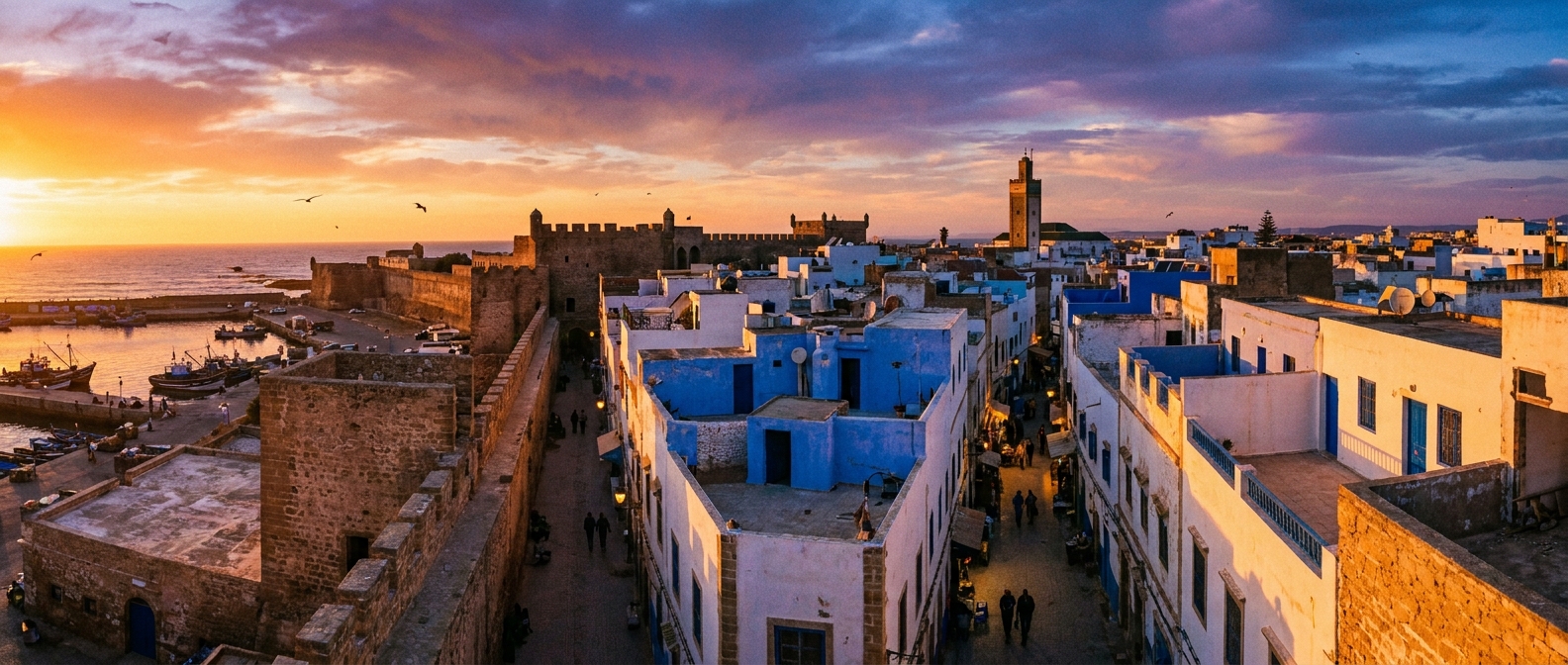
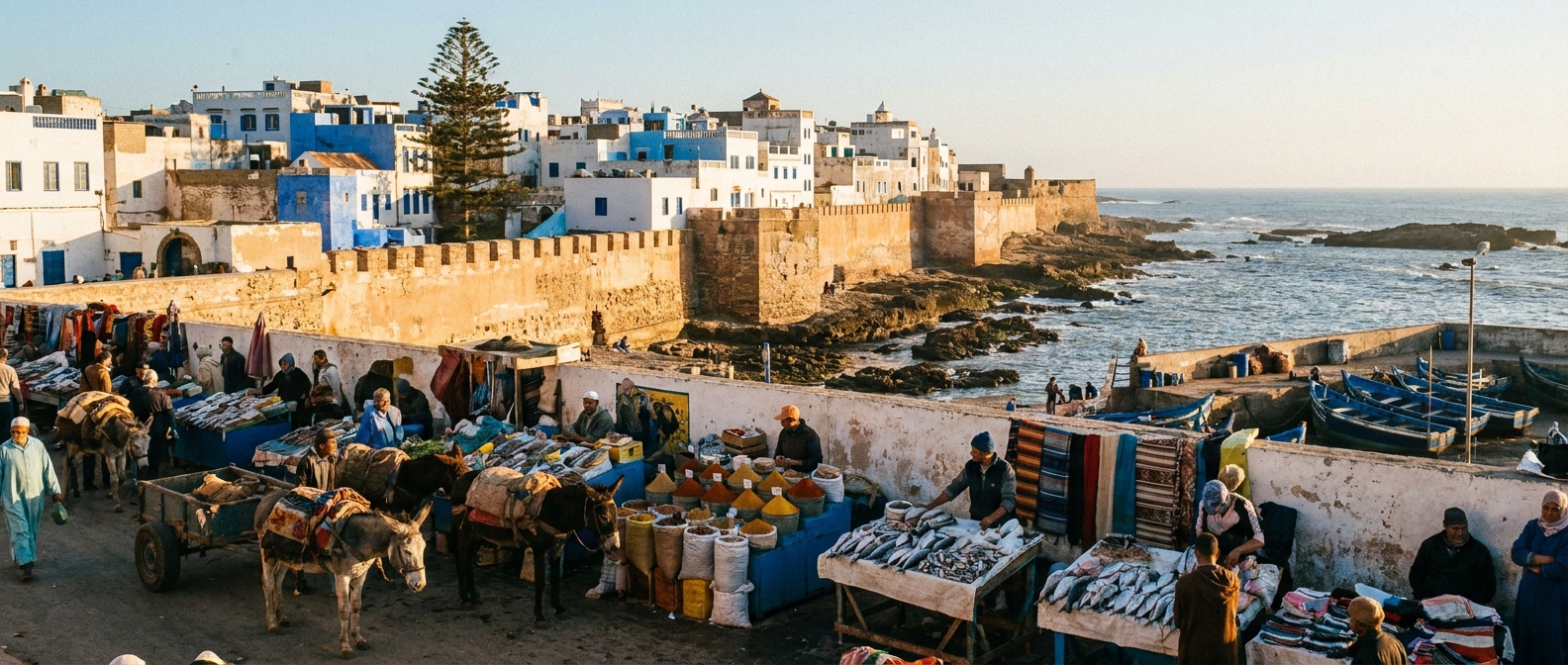
There’s something magical about wandering through Essaouira’s winding streets, where the salt-tinged Atlantic breeze mingles with the call to prayer echoing from ancient minarets. This coastal gem has captivated travelers for centuries — and it’s easy to see why. But here’s the thing: those stunning mosques you’ll encounter aren’t just architectural eye candy. They’re living, breathing centers of faith and community.
So, can non-Muslims visit mosques in Morocco? The short answer is: it’s complicated. And understanding Essaouira mosque etiquette before you go will save you from awkward moments while showing genuine respect for the people who call this place home. Trust me, a little cultural homework goes a long way.
Historical Significance of Essaouira Mosques
Essaouira wasn’t always called that, actually. Back in the 18th century, it went by Mogador — a bustling port city where traders, artists, and dreamers from across the world collided. This melting pot of cultures gave rise to some truly remarkable mosques, each one telling its own story through intricate tilework and soaring minarets.
Take the Grand Mosque, for instance. It’s not just a place of worship; it’s the spiritual heartbeat of the medina. The elaborate carvings, the geometric patterns, the way light plays across centuries-old stonework — it’s genuinely breathtaking. But (and this is important) the Grand Mosque remains closed to non-Muslims. You can admire it from outside, photograph its stunning exterior, but stepping inside? That’s reserved for those practicing the faith.
Current Mosque Policies for Non-Muslims
Let’s be honest about what you can and can’t do. As of 2023, the rules haven’t changed much: most mosques throughout Morocco remain off-limits to non-Muslim visitors. The one major exception? The Hassan II Mosque in Casablanca, which offers guided tours and is absolutely worth the detour if you’re craving that interior experience.
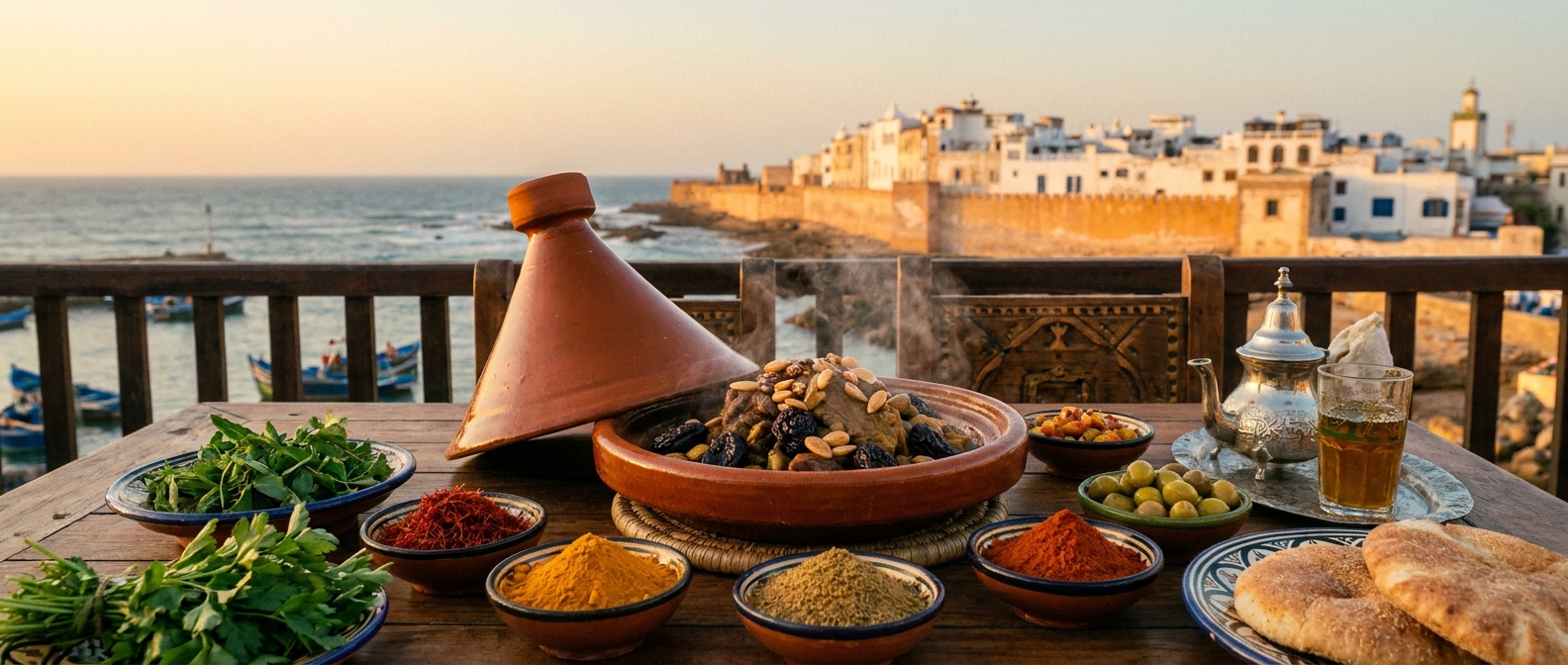
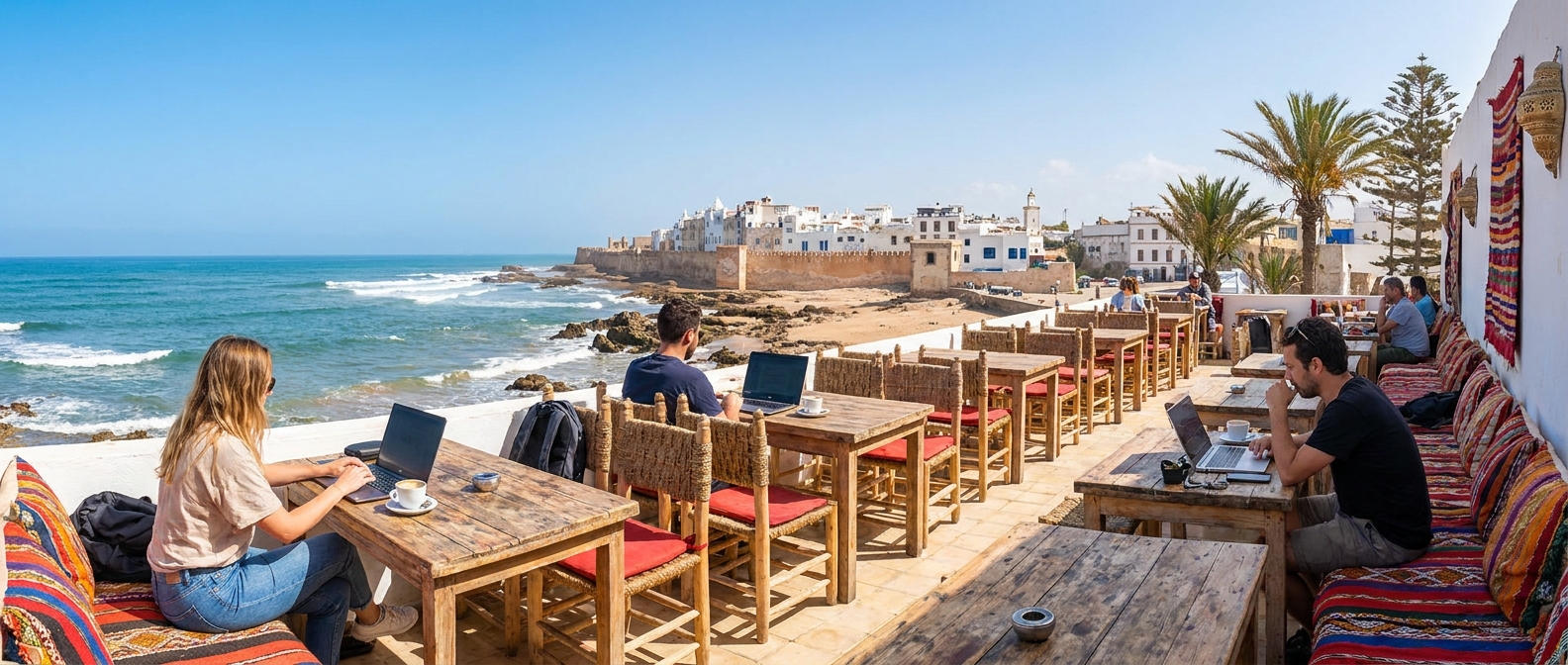
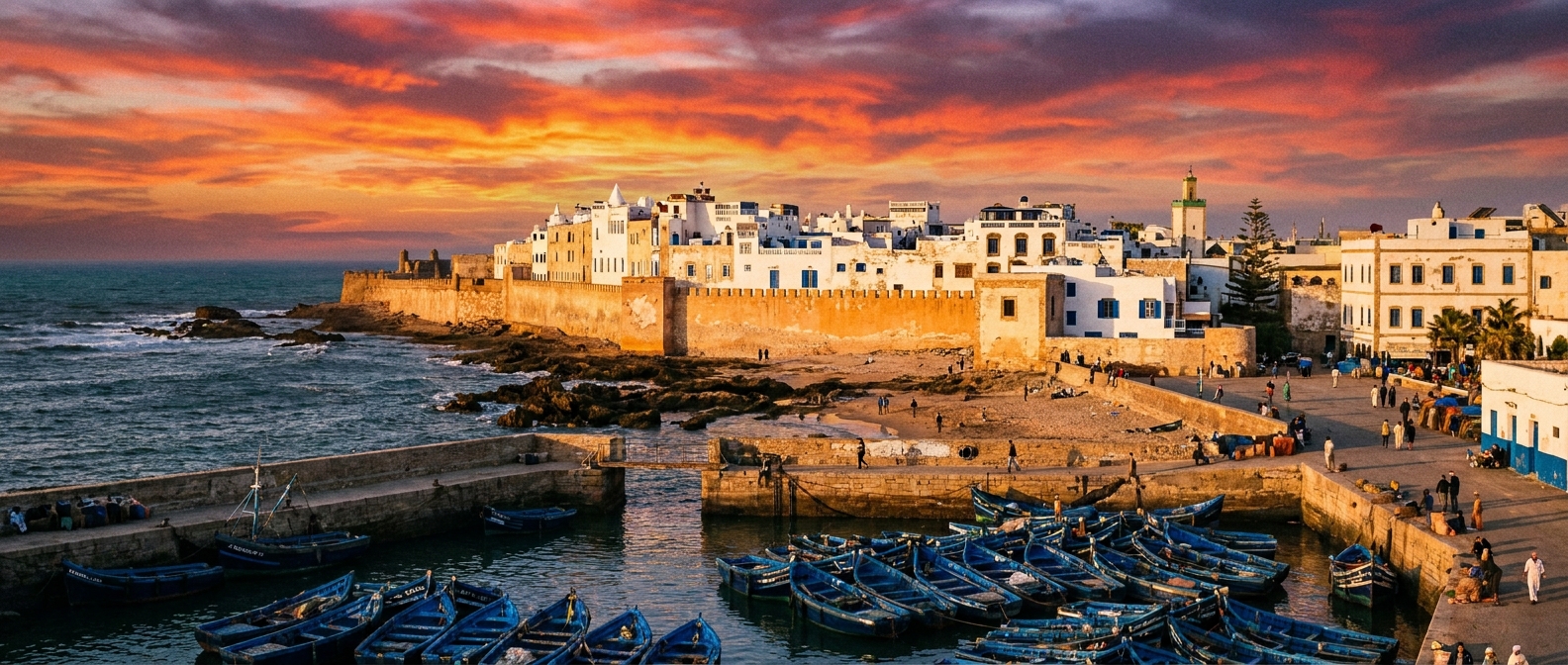
In Essaouira specifically, your mosque experiences will be exterior ones. And you know what? That’s okay. The medina offers countless other ways to immerse yourself — incredible seafood, artisan workshops, those famous blue boats bobbing in the harbor. Sometimes the best travel experiences come from embracing what’s available rather than fixating on what isn’t.
Essential Mosque Etiquette Guidelines
Even if you’re just passing by or admiring from the street, there are some ground rules worth knowing. They’ll help you blend in respectfully and maybe even earn an appreciative nod from locals.
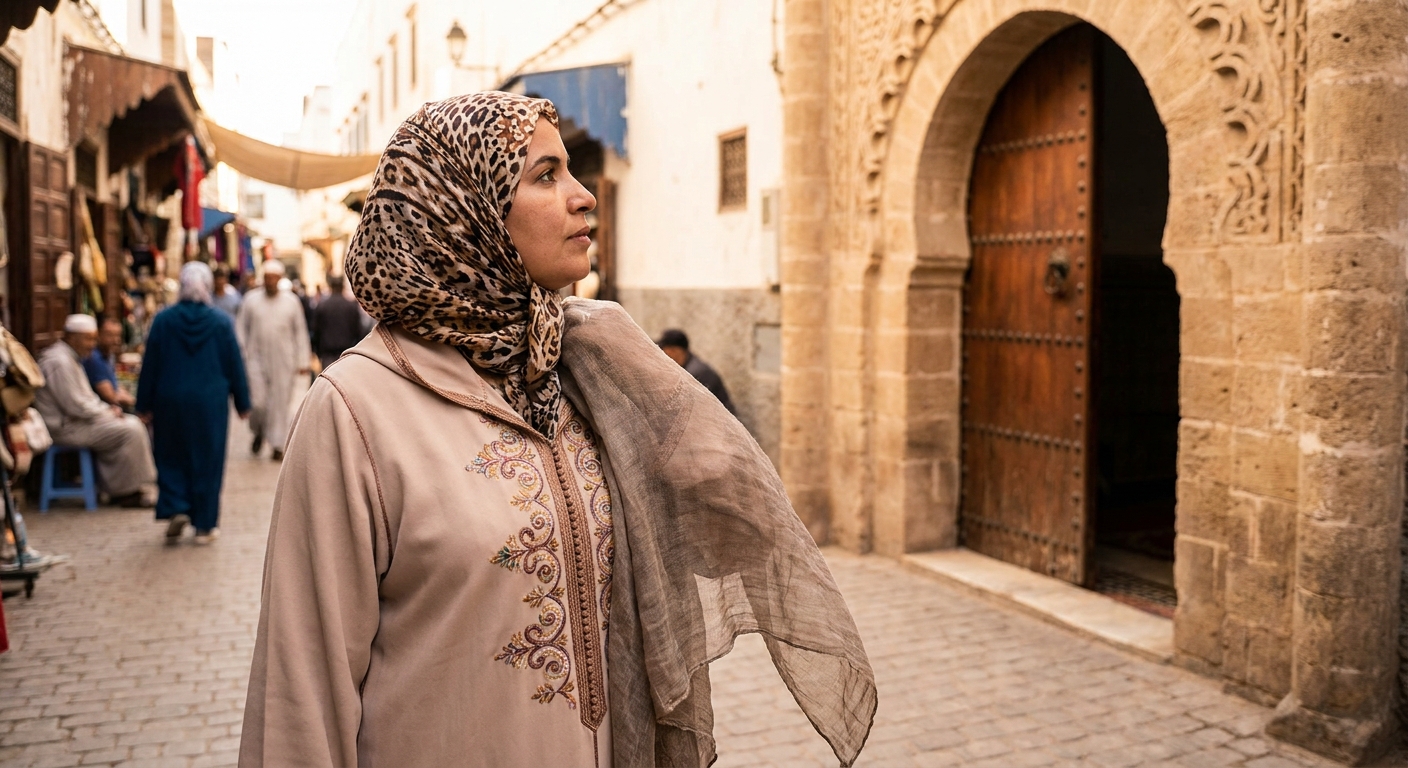
Dress matters. Cover your shoulders. Cover your knees. Women should consider carrying a lightweight scarf — not necessarily to wear constantly, but to have handy when passing sacred spaces. Think of it as your cultural courtesy kit.
Beyond clothing, it’s about demeanor. Keep your voice down near mosque entrances, especially during prayer times (five times daily, so you’ll likely encounter at least one). Skip the selfie poses in front of worshippers entering for prayer — it comes across as tone-deaf, even if that’s not your intention. And photography inside? Don’t even think about it. Even from doorways.
Expert Opinions on Cultural Respect
“Understanding the local customs, especially around sacred spaces, opens the door to meaningful interactions,” explains Claudia M., a travel cultural consultant who’s spent years studying Moroccan traditions. She’s onto something real there.
Local historian Moulay Hassan puts it more directly: “Mosques are not just buildings; they are the heart of community and tradition in Morocco. Observing respectful behavior is paramount.”
What they’re both getting at is this — it’s not about following rules for rules’ sake. It’s about recognizing that you’re a guest in someone else’s sacred space. That shift in perspective changes everything about how you experience a place.
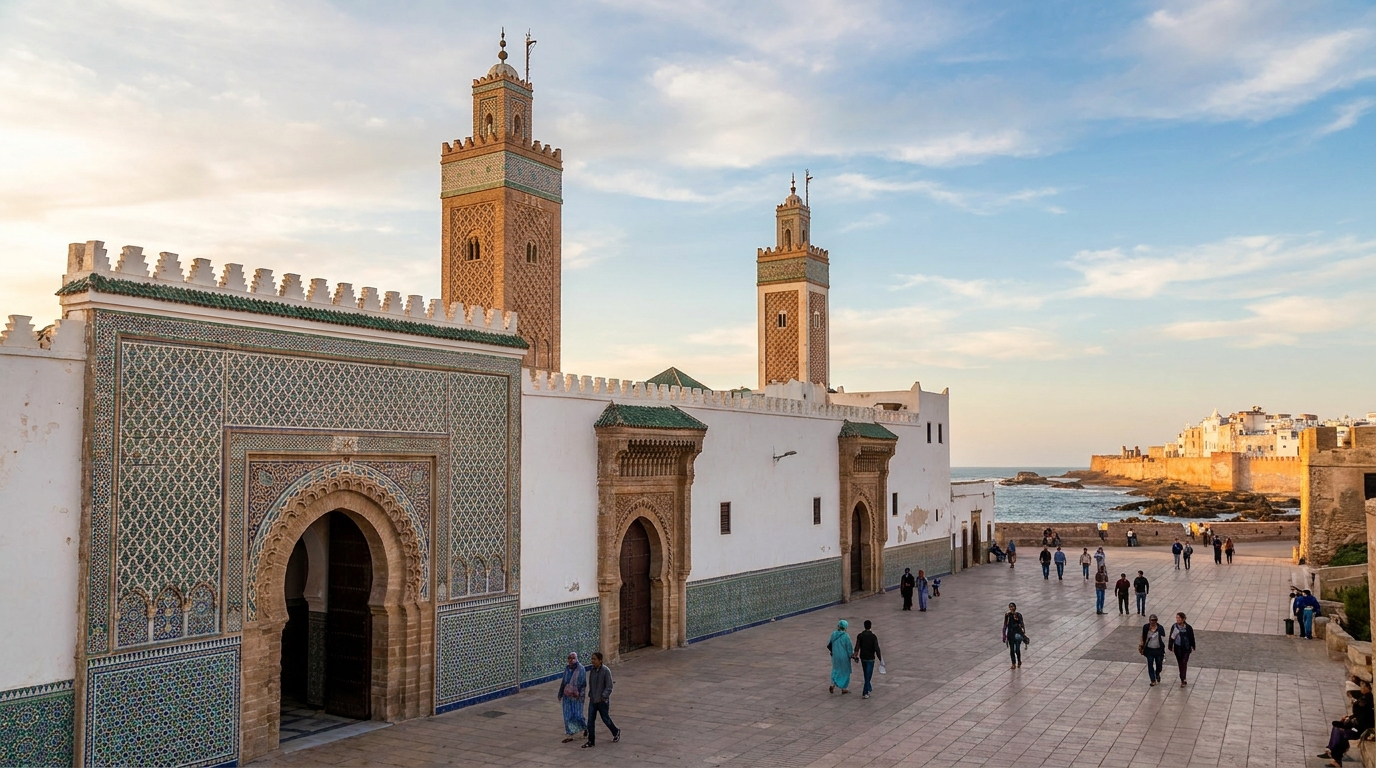
Emerging Trends in Cultural Sensitivity

Here’s something encouraging: travelers are getting better at this. Really. Over the past few years, there’s been a noticeable shift toward what some call “conscious travel” — actually researching cultural norms before arriving, asking questions, listening to local voices.
Travel blogs, guidebooks, even social media influencers are increasingly emphasizing mosque etiquette and religious sensitivity. Some interfaith dialogue initiatives are even exploring more inclusive approaches to cultural tourism. Could this eventually lead to broader access for non-Muslims at certain mosques? Maybe. But for now, the traditional boundaries remain — and honestly, that’s perfectly reasonable.
Addressing Challenges and Misunderstandings
I won’t sugarcoat it: sometimes things get awkward. Travelers arrive expecting the open-door policies they’ve experienced at churches in Europe or temples in Southeast Asia. When they discover most Moroccan mosques operate differently, frustration can bubble up.
But think about it from the community’s perspective. These aren’t museums or tourist attractions — they’re active places of worship where people pray, celebrate, mourn, and connect with their faith. The restrictions exist to preserve that sanctity, not to exclude visitors out of hostility.
Local authorities walk a delicate tightrope here, balancing Morocco’s tourism-friendly reputation with the genuine need to protect religious practices. It’s a conversation that continues to evolve, and travelers who approach it with curiosity rather than entitlement tend to have much richer experiences.
Summary of Key Findings
So, what’s the bottom line? Non-Muslims generally can’t enter mosques in Morocco — the Hassan II Mosque being the notable exception. Dress conservatively (shoulders and knees covered; headscarves for women when appropriate). Stay quiet near sacred spaces, especially during prayer times. Leave your camera in your bag when it comes to interior or worship photography.
Most importantly? Embrace this as part of the cultural experience rather than an obstacle to overcome. The respect you show will be noticed and appreciated — and that genuine connection is worth far more than any interior photograph.
Frequently Asked Questions
Can non-Muslims visit mosques in Essaouira?
Unfortunately, no. Most mosques in Essaouira, including the Grand Mosque, don’t permit non-Muslim visitors inside. You’re welcome to admire the architecture from outside, though — and it’s genuinely stunning.
What should I wear when visiting a mosque in Morocco?
Keep it conservative: cover your shoulders and knees at minimum. Women should bring a headscarf, even if you’re just passing by. Loose, comfortable clothing works best in Morocco’s climate anyway.
Are there any mosques in Morocco that allow non-Muslims to enter?

Yes! The Hassan II Mosque in Casablanca offers guided tours for non-Muslim visitors. It’s spectacular and well worth including in your Morocco itinerary.
What behavior is expected inside a mosque?
Quiet voices, respectful demeanor, no disruptive actions, and absolutely no photography during prayer or worship. Essentially: be the kind of visitor you’d want in your own sacred spaces.