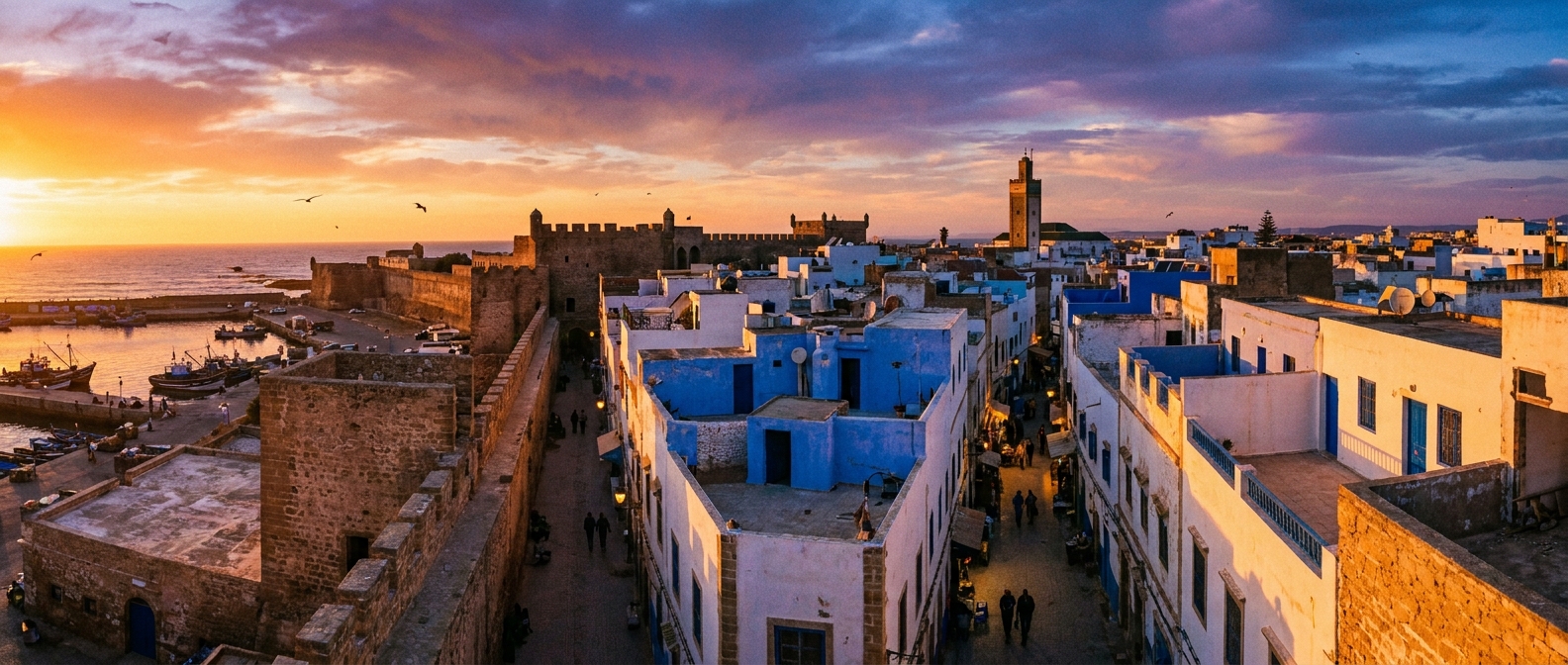
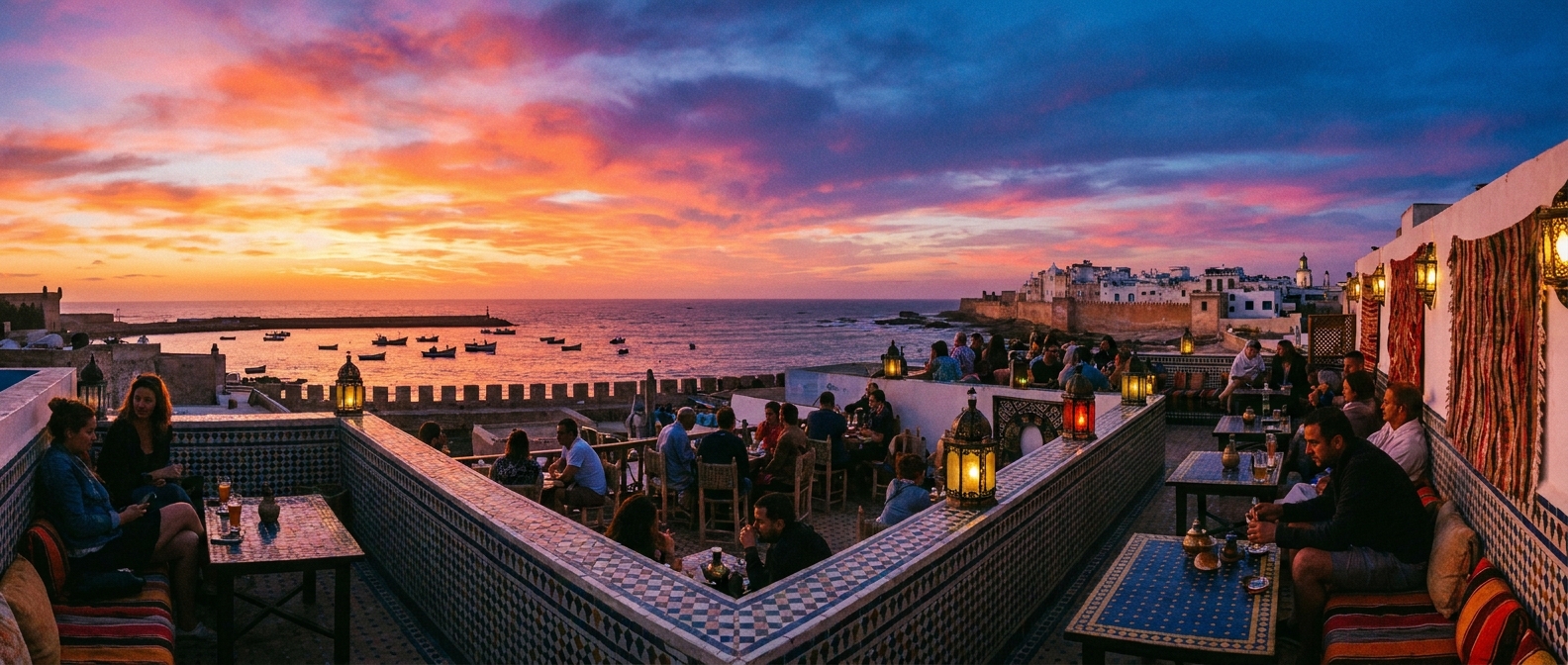
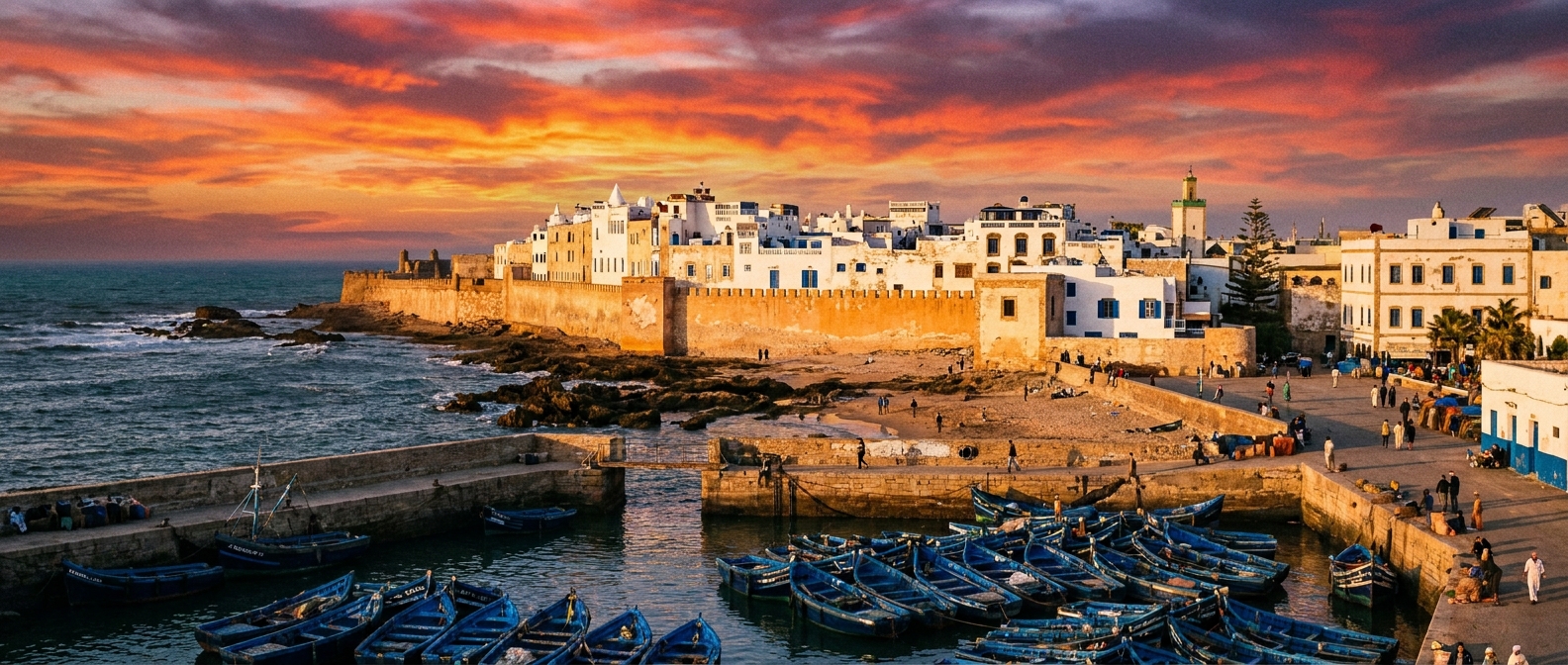
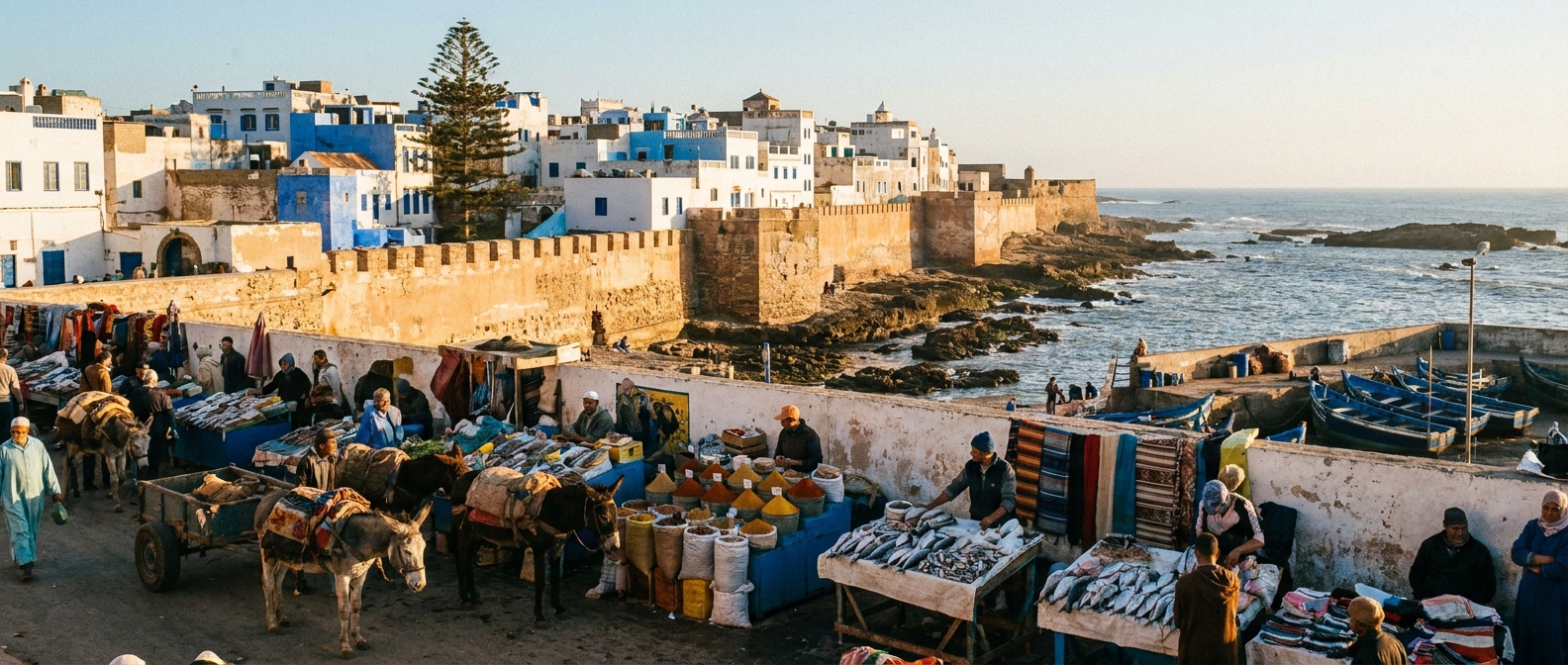
There’s something magical about learning to cook in a place where the Atlantic breeze carries the scent of cumin and saffron through ancient medina streets. Essaouira — Morocco’s windswept coastal gem — has quietly become one of the country’s most rewarding destinations for culinary adventurers. And honestly? It’s not hard to see why.
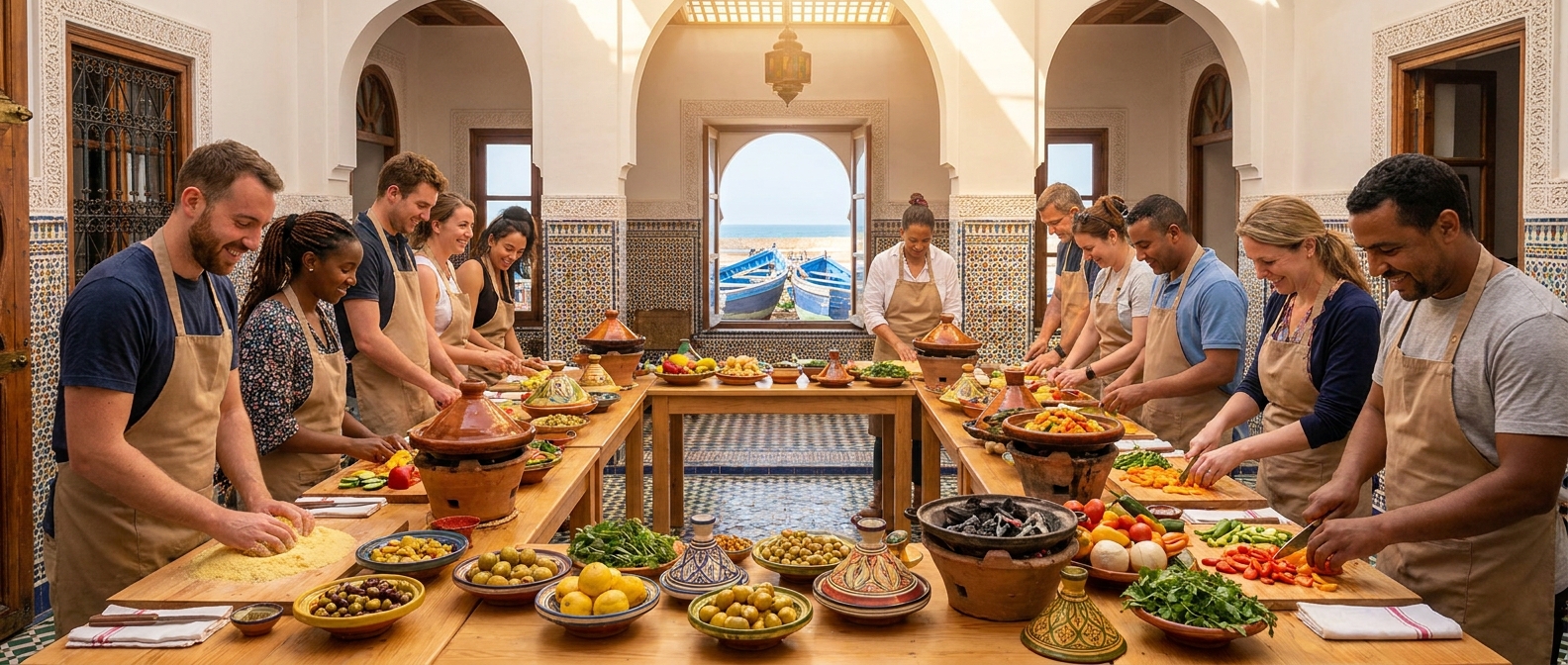
These aren’t your typical cooking classes where you stand back and watch. They’re full-on immersive experiences that pull you into the heart of Moroccan food culture. You’ll learn how to build flavor in a traditional tagine, sure, but you’ll also pick up on the subtle customs and rituals that make Moroccan dining so special. With ingredients sourced from both the sea and the surrounding countryside, classes here cover everything from time-honored recipes to fresh, creative approaches. Whether you’re a kitchen novice or a seasoned home cook, there’s something here for you.
What’s driving all this interest? Travelers are hungry for more than just sightseeing these days. They want to get their hands dirty, learn something real, and bring a piece of their travels home with them. Cooking classes in Essaouira deliver exactly that.
Historical Roots of Essaouira’s Culinary Scene
The food here tells a story that spans centuries. Essaouira’s position as a historic trading port meant that spices, techniques, and culinary traditions from across the Mediterranean, the Arab world, and Berber communities all found their way into local kitchens. That tagine you’ll learn to make? Its slow-cooking method traces back through generations of Moroccan cooks who perfected the art of coaxing maximum flavor from simple ingredients.
Local cooking celebrates what’s fresh and seasonal — a reflection of Morocco’s diverse agricultural landscape. And as food tourism continues to boom, Essaouira has emerged as a destination that honors these deep roots while welcoming curious cooks from around the world.
Here’s what makes these classes different: you’re not just following a recipe. You’re uncovering the historical layers behind every dish. That connection to heritage transforms a cooking class into something closer to cultural storytelling. Pretty powerful stuff, when you think about it.
Current Offerings in Essaouira Cooking Classes
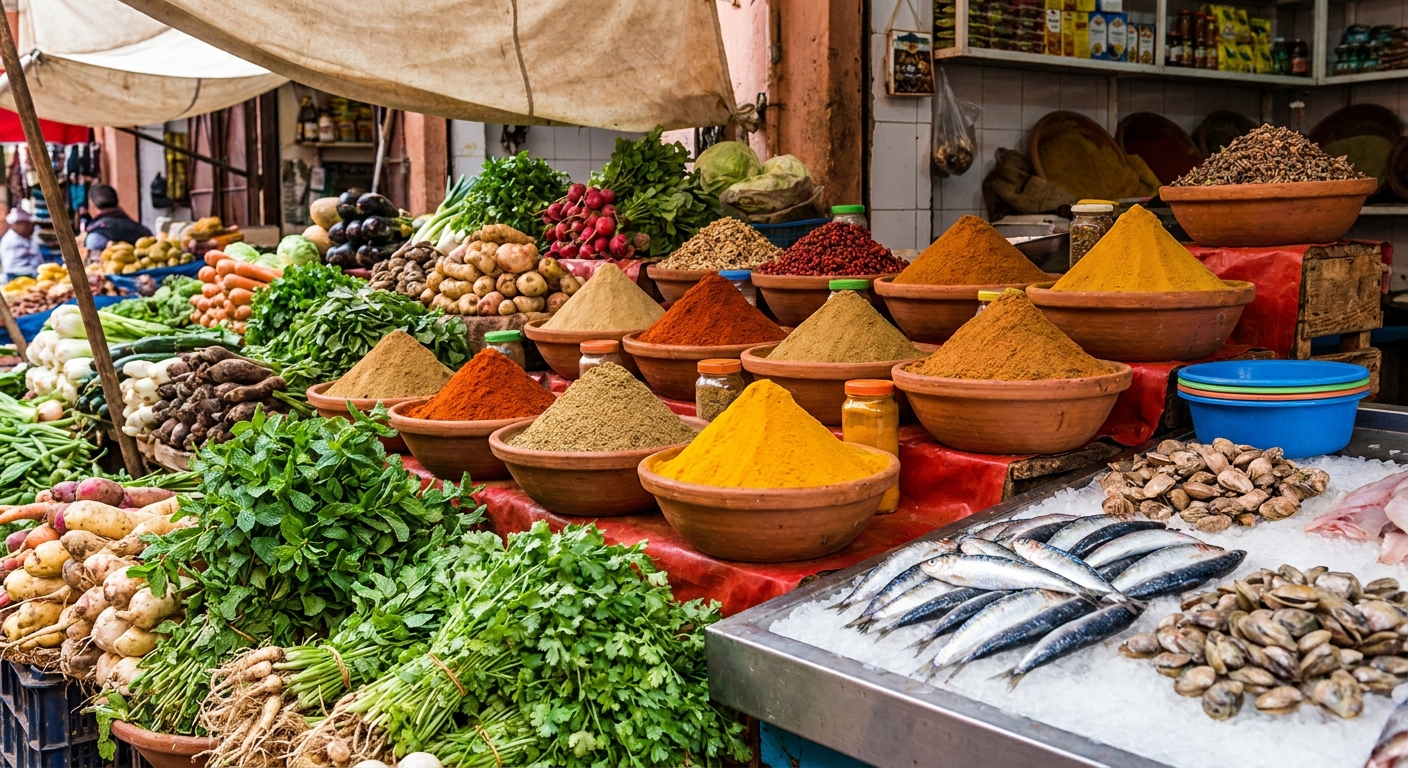
Today’s workshops are designed with real people in mind — whether you’ve never chopped an onion or you could hold your own on a cooking competition. Popular options like Latifa Cooking Classes, l’Atelier, and Essaouira Cooking Classes typically kick things off with a trip to the souk. Picture yourself wandering through the market stalls, hand-selecting spices and vegetables alongside your instructor. That experience alone is worth the price of admission.
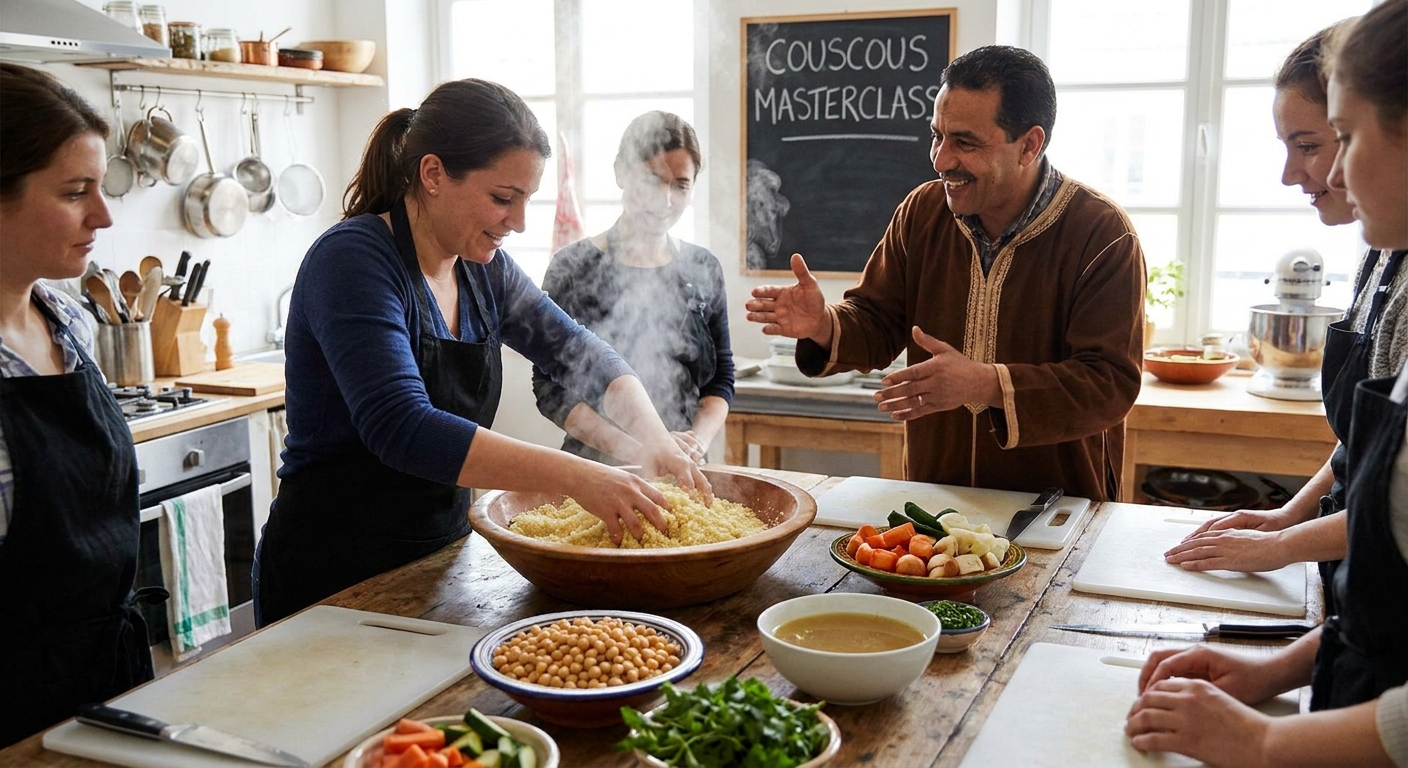
Most sessions run about three to four hours, giving you plenty of time to prepare multiple dishes. You might tackle a fragrant chicken tagine, learn the proper technique for fluffy couscous, whip up vibrant Moroccan salads, or even attempt pastilla — that incredible sweet-savory pie that catches first-timers off guard (in the best way).
Given Essaouira’s reputation for incredible Atlantic seafood, many classes now focus specifically on fish and shellfish preparations. You’ll discover how locals transform the day’s catch into something extraordinary.
But the real magic? Sitting down afterward to enjoy everything you’ve made with fellow participants. There’s something about sharing a meal you’ve cooked together that breaks down barriers and sparks genuine connection.
Statistics on Essaouira’s Culinary Classes
Let’s talk specifics — because planning any trip requires knowing what you’re working with:
- Prices: Expect to pay around 600 MAD (roughly $60 USD) per session. This typically includes lunch and that market tour we mentioned.
- Duration: Classes generally run 3 to 4 hours — enough time to prep, cook, and actually savor your creations.
- Types of Dishes: Here’s what you’re likely to learn:
- Tagine: The iconic slow-cooked stew, named after the conical clay pot that makes it possible.
- Couscous: Morocco’s national dish, often piled high with tender meat and seasonal vegetables.
- Pastilla: A flaky layered pastry traditionally filled with pigeon, almonds, and warm spices.
- Salads and Berber bread, showcasing local produce and traditional baking methods.
Knowing these details upfront makes it much easier to budget your culinary adventures and fit them into your Essaouira itinerary.
Insights from Culinary Experts
Local instructors bring a perspective you simply can’t get from a cookbook. One culinary teacher at Latifa Cooking Classes put it this way: “Teaching someone to choose the right spices or pick the freshest fish at the souk — that’s just as important as the cooking itself. It’s the Moroccan way: start with quality, and the dish will take care of itself.”
Another longtime presence on Essaouira’s culinary scene added something that stuck with me: “People don’t just leave with recipes. They leave with stories. They understand why a dish matters, where it comes from, what it means to the families who’ve made it for generations.”
That’s the difference between learning a technique and truly understanding a cuisine. These classes offer both — and that combination is what keeps travelers coming back.
Trends in Culinary Education
The shift toward experiential travel has completely reshaped what people want from a vacation. Sitting in a restaurant, as nice as that can be, doesn’t quite scratch the itch anymore. Today’s travelers crave interaction. They want to roll up their sleeves, make mistakes, and learn something they can replicate at home.
Cooking workshops in Essaouira have adapted beautifully to this shift. Many now weave in cultural context — local dining etiquette, the history behind certain spices, the role food plays in Moroccan celebrations. It’s education wrapped in entertainment.
The growing focus on seafood cooking also positions Essaouira perfectly within global trends around sustainable eating. As international interest in Moroccan cuisine continues to climb, local workshops keep raising the bar on quality and variety.
Bottom line? Travelers today want more than skills. They want immersion — an experience that genuinely connects them to a place and its people. And Essaouira delivers.
Challenges Facing Essaouira’s Culinary Scene
It’s not all smooth sailing, though. With so many cooking classes now available, competition has intensified. For individual workshops, standing out requires constant innovation while somehow staying true to traditional roots. That’s a tricky balance to strike.
There’s also an ongoing tension between tourist expectations and culinary authenticity. Some visitors want the dishes they’ve seen on Instagram; local chefs want to preserve recipes their grandmothers taught them. Finding the sweet spot takes real skill.
And yes, the aftermath of COVID-19 still lingers. Tourism took a hit, and rebuilding hasn’t been instantaneous. Providers continue navigating health protocols while trying to deliver the warm, intimate experiences that made these classes popular in the first place.
These challenges underscore something important: authenticity and adaptability both matter. The workshops that thrive will be the ones that honor tradition while staying nimble.
Conclusion and Key Takeaways
So what’s the takeaway here? Essaouira’s cooking classes offer far more than just a few new recipes. They’re windows into Morocco’s rich culinary heritage — from the slow-simmered perfection of a tagine to the delicate layers of pastilla to the freshest Atlantic seafood you’ll ever taste.
Many classes begin where good cooking should: at the market, selecting ingredients with care. That emphasis on quality runs through everything, connecting you to traditions that have shaped Moroccan tables for centuries.
The rise of experience-driven travel means these hands-on workshops are only getting more popular. Yes, challenges exist — but the passion and dedication of local chefs ensure that Essaouira’s culinary scene will keep thriving. If you’re planning a trip, do yourself a favor: book a class. You won’t regret it.
Frequently Asked Questions
What types of dishes can I expect to learn in cooking classes in Essaouira?
You’ll dive into traditional Moroccan favorites — think tajines, couscous, pastilla, and fresh salads. Many classes also feature local seafood dishes, given Essaouira’s coastal location.
How long do cooking classes typically last?
Plan for about 3 to 4 hours. That includes prep time, actual cooking, and (the best part) sitting down to enjoy everything you’ve made with your fellow participants.
Are the classes suitable for beginners?

Absolutely. Whether you’re brand new to cooking or you’ve spent years in the kitchen, these workshops are designed to meet you where you are. No experience required.
Do cooking classes include a market visit?
Many do, yes. You’ll stroll through local souks, hand-picking fresh ingredients with guidance from your instructor. It’s a fantastic way to understand how ingredient selection shapes Moroccan cooking.