


Explore the Authentic Charm of Morocco’s Enchanting Cities
There’s something magical about getting lost in a Moroccan medina — and I mean that literally. Marrakech and Tetouan are two cities that reward those willing to wander off the beaten path, away from the selfie sticks and tour groups, into the heart of what makes Morocco so captivating.
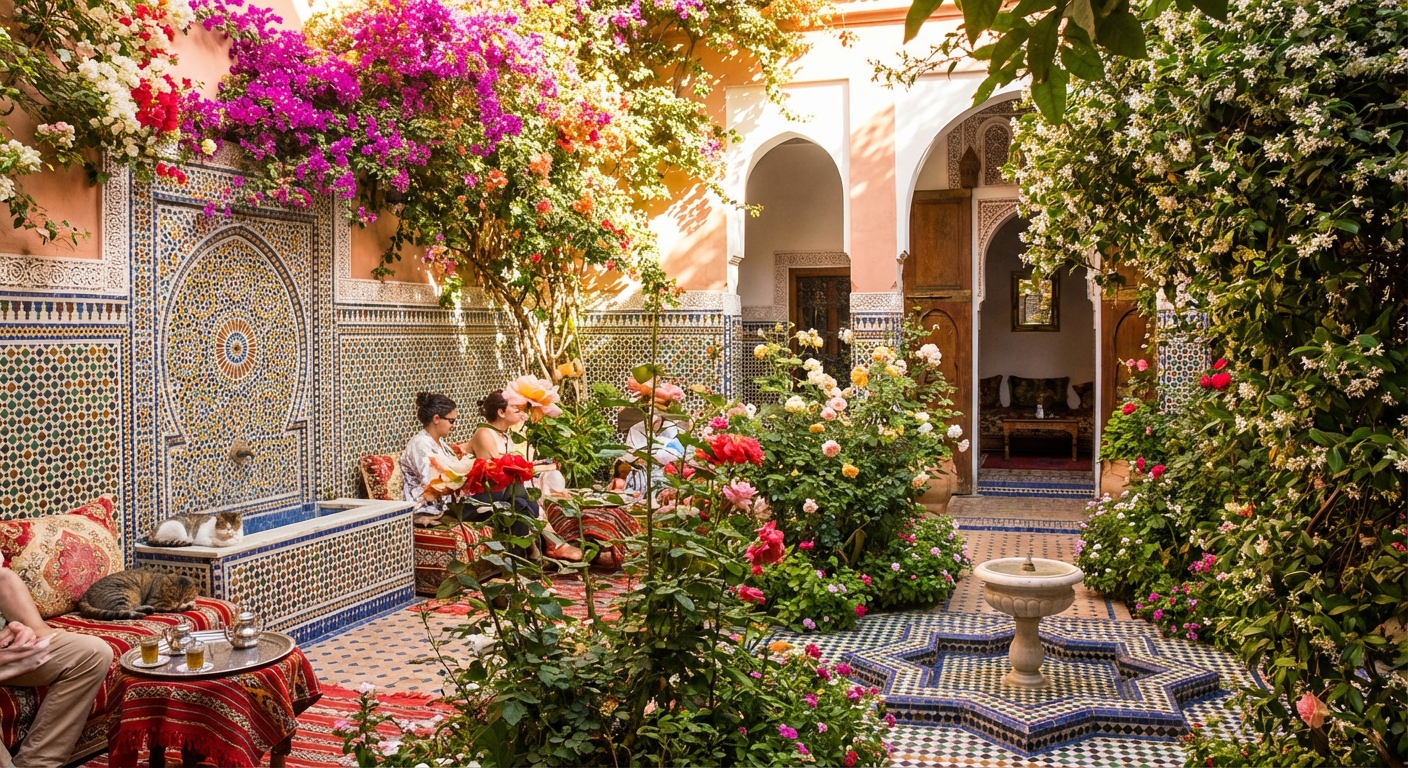
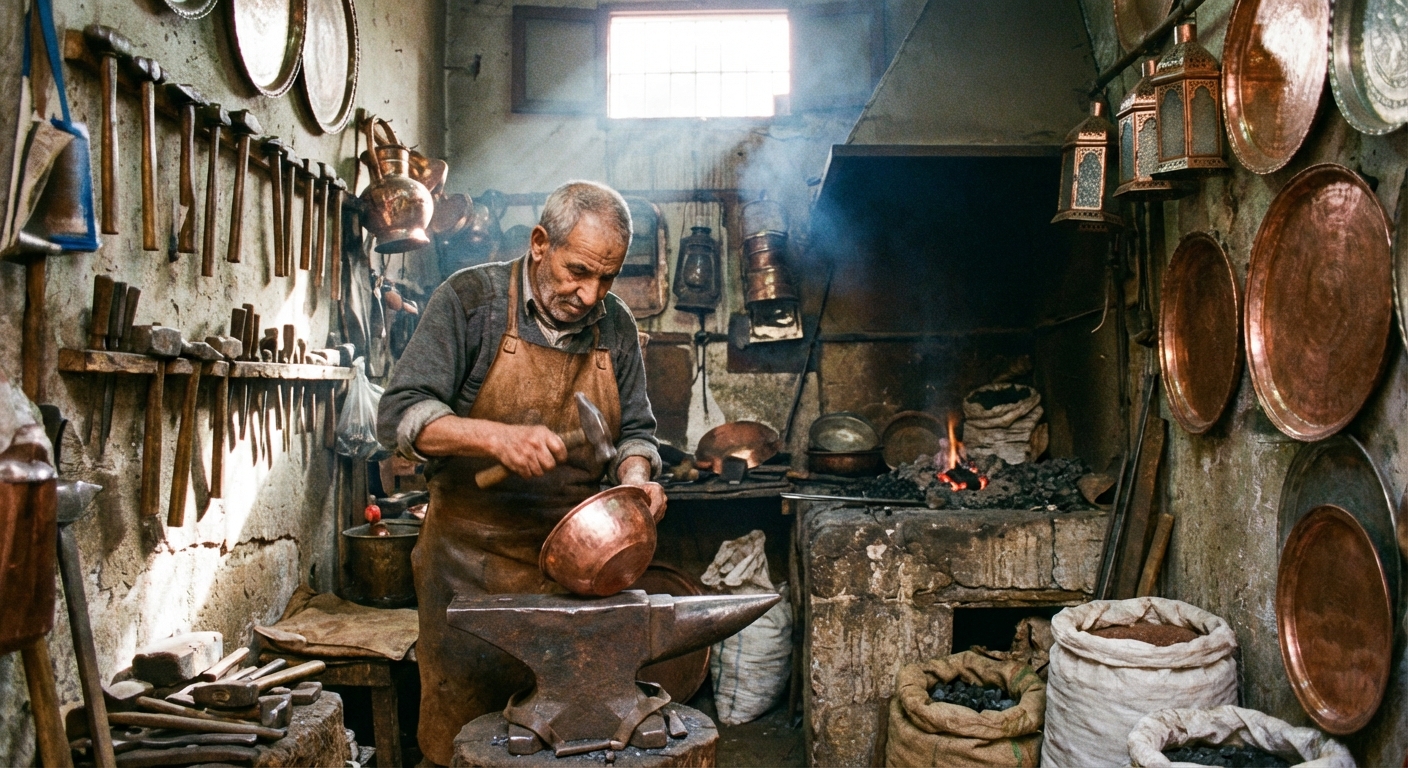
The old towns of these cities aren’t just historical relics. They’re living, breathing neighborhoods where daily life unfolds in a rhythm that hasn’t changed much over centuries. Duck into a quiet alley in Marrakech, and you might stumble upon a hidden riad garden. Take a wrong turn in Tetouan, and suddenly you’re watching a coppersmith at work, the same way his grandfather did decades ago. These are the moments that stick with you long after you’ve returned home.
Understanding Marrakech’s Rich History
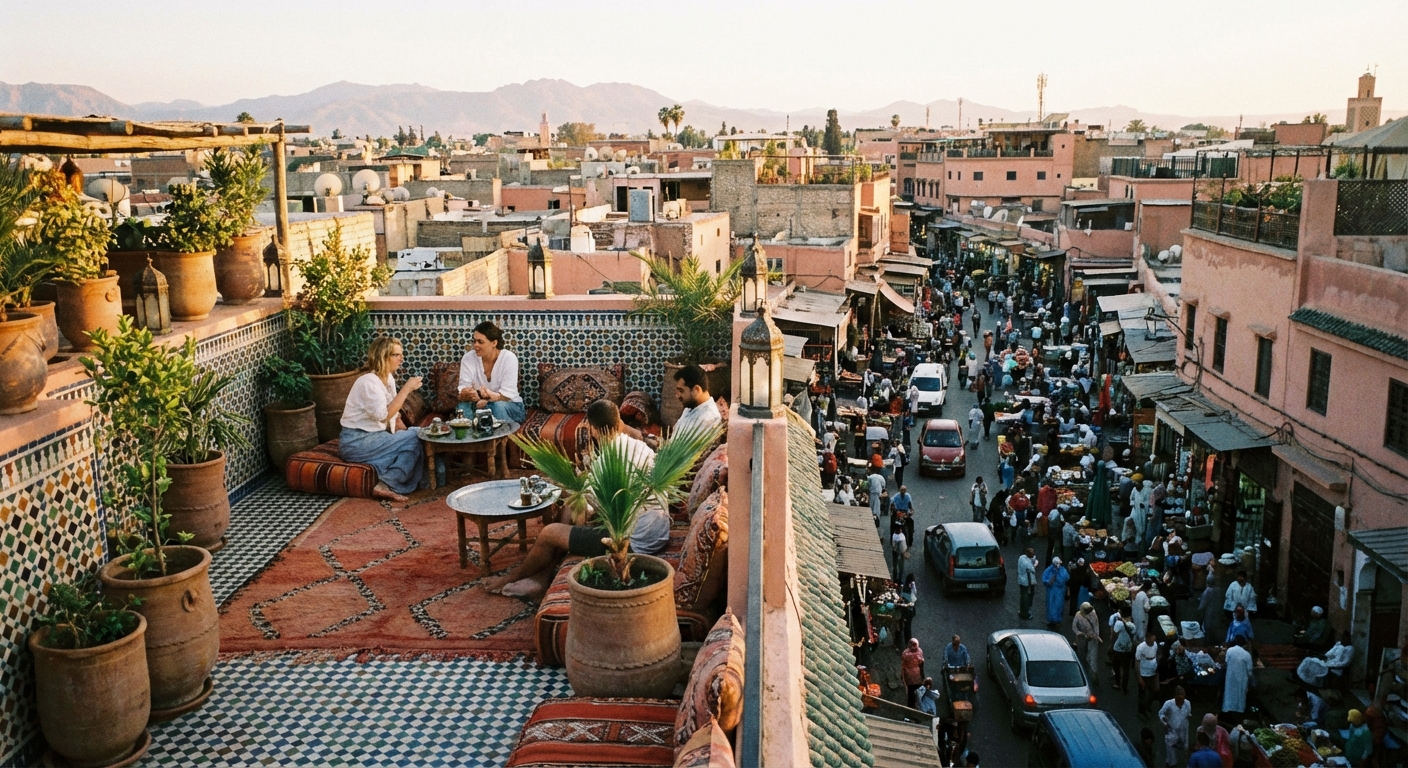
Marrakech didn’t earn its nickname “the Red City” just for its terracotta walls — though those certainly help. Since the 11th century, this place has been a crossroads of commerce, culture, and power. The Almoravids built it up. The Almohads made it magnificent. And today? It’s still that same magnetic mix of chaos and beauty.
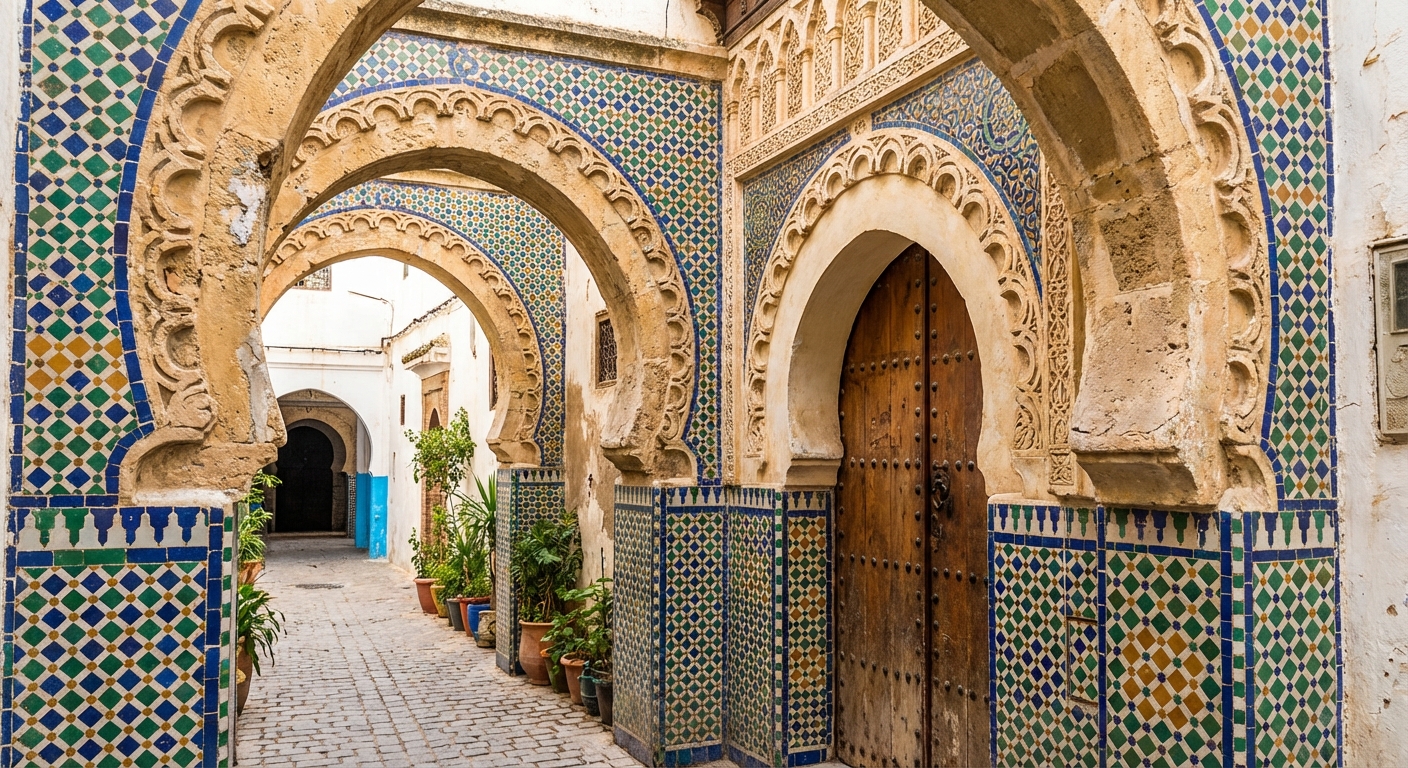
Tetouan tells a different story. After the Spanish Reconquista, waves of Andalusian immigrants settled here, bringing with them architectural sensibilities that feel distinctly Mediterranean. Walk through its medina — a UNESCO World Heritage site, by the way — and you’ll notice how Moorish arches blend seamlessly with Spanish tilework. It’s like two cultures having a centuries-long conversation in stone and plaster.
Here’s what’s fascinating about Marrakech: it’s managed to evolve into a modern commercial hub without bulldozing its soul. That balancing act between preservation and progress? It’s something Morocco seems to have figured out better than most places.
Current State of Tourism
Both cities are seeing a shift in the type of traveler they attract. Sure, Jemaa el-Fnaa square in Marrakech still draws massive crowds — and it should, honestly. But more visitors are seeking out what lies beyond the obvious. They want the unmarked doorway that leads to a rooftop café with views over the entire medina. They want to know where locals actually eat.
Tetouan offers something increasingly rare: space to breathe. Its medina feels intimate rather than overwhelming. You can actually watch artisans work without being jostled by crowds. There’s a slower pace here that invites genuine connection rather than rushed photo ops.
And let’s be honest — the local economy depends on tourism. But there’s a growing awareness that the golden goose needs protecting. Initiatives focused on preserving cultural heritage while keeping visitors happy are becoming more common, and that’s a good thing for everyone.
Statistics and Key Facts
Numbers tell part of the story. Marrakech’s medina has held UNESCO World Heritage status since 1985, and roughly 2 million visitors flood through annually. That’s a lot of feet on ancient cobblestones — which is wonderful for the economy but presents real challenges for preservation.
Tetouan joined the UNESCO list in 1997 and remains considerably quieter, with a population of about 400,000. The city’s cultural identity has been shaped by its diverse history — Jewish communities, Berber influences, and that unmistakable Andalusian imprint all woven together.
Places like the Dar Si Said Museum offer windows into artistic traditions that mainstream tourism often breezes past. And the local eateries tucked away from tourist menus? Those are where real culinary discoveries happen.
Expert Insights on Exploring the Medinas
Local historian Amina Ziani puts it perfectly: “The authentic charm of Marrakech and Tetouan lies in the lesser-known paths and the stories embedded in their walls.” She’s right. The main attractions have their place, but the magic hides in the margins.
Travel writer Michael Smith echoes this sentiment, urging visitors to slow down and actually connect. “Take the time to engage with local artisans,” he suggests. “Explore the quieter corners. These experiences offer a deeper understanding of Moroccan life than any guidebook can provide.”
Consider booking guided tours that focus specifically on these hidden aspects. Good local guides know doorways that don’t appear on maps and can introduce you to craftspeople who’ve never advertised a day in their lives. Plus, your money goes directly into the community.
Emerging Trends in Tourism
The cookie-cutter tour is dying — and not a moment too soon. Today’s travelers increasingly want personalized experiences that go deeper than surface-level sightseeing. Culinary workshops, artisan apprenticeships, even overnight stays in traditional homes are replacing the standard checklist approach.
Social media deserves some credit here (and yes, some blame too). Instagram and TikTok have put previously obscure spots on the map, driving interest in locations that tour buses used to skip entirely. Local guides now use these platforms to showcase their knowledge and build connections with potential visitors before they even arrive.
With this shift comes responsibility, though. How do you promote authentic experiences without turning them into performances? It’s a conversation happening across the tourism industry, and Morocco is very much part of it.
Challenges Facing Marrakech and Tetouan
Here’s the tension nobody likes to talk about: tourism brings money, but it also brings disruption. Residents in popular medina neighborhoods sometimes find their daily routines interrupted by visitors who forget they’re walking through someone’s actual home, not a museum exhibit.
Environmental concerns are mounting too. More tourists mean more strain on water resources, more waste, more pressure on infrastructure that was built for a different era. These aren’t insurmountable problems, but they require honest discussion and thoughtful solutions.
The good news? Both communities are increasingly vocal about what they need. Responsible tourism isn’t just a buzzword here — it’s becoming a framework for how these cities envision their future.
Key Takeaways on Hidden Gems
Both Marrakech and Tetouan reward curiosity. Serene gardens hide behind unremarkable doors. Tiny shops sell handcrafted goods that put mass-produced souvenirs to shame. Family-run restaurants serve dishes you won’t find in any tourist guidebook.
The medinas aren’t just pretty backdrops for photos — they’re living narratives of Moroccan history. Every carved doorway, every worn tile, every winding passage has a story. Taking time to engage with artisans, to wander without a destination, to simply sit and observe — these are the experiences that transform a trip into something meaningful.
Take Le Jardin Secret in Marrakech, for example. This restored garden showcases sustainable preservation at its finest, blending horticultural beauty with historical insight. It’s exactly the kind of place that reminds you why you traveled in the first place.
Frequently Asked Questions
What are the best hidden gems to explore in Marrakech?
Start with the Dar Si Said Museum for an incredible look at Moroccan decorative arts, then make your way to Le Jardin Secret for botanical beauty and historical context. Both offer experiences that feel worlds away from the crowded main squares.
How does Tetouan compare to Marrakech in terms of local culture?
Tetouan feels more intimate and less overwhelming. Its unique blend of Moorish and Spanish influences creates an atmosphere quite different from Marrakech’s intensity. If you’re looking to really immerse yourself in local traditions without fighting through crowds, Tetouan delivers.
Are there any culinary experiences to try in these cities?
Absolutely — and please don’t stick to tourist restaurants. In Tetouan, Hashi Basha serves dishes like camel meat and Arabian rice that’ll expand your understanding of Moroccan cuisine. Ask locals where they eat; the best meals often happen in the most unassuming places.
How can I engage with local artisans while visiting?
Guided tours focusing on artisan workshops are your best bet. You can also seek out cooperative shops in the medinas where craftspeople sell directly. Buying here means your money supports traditional skills — and you’ll probably get a better product too.
What initiatives support sustainable tourism in Marrakech and Tetouan?
Local governments and cultural organizations are increasingly focused on community engagement and guide training programs. The goal is enhancing visitor experiences while protecting what makes these places special in the first place.

