


Your Guide to Finding Pure Argan Oil and Supporting Local Cooperatives
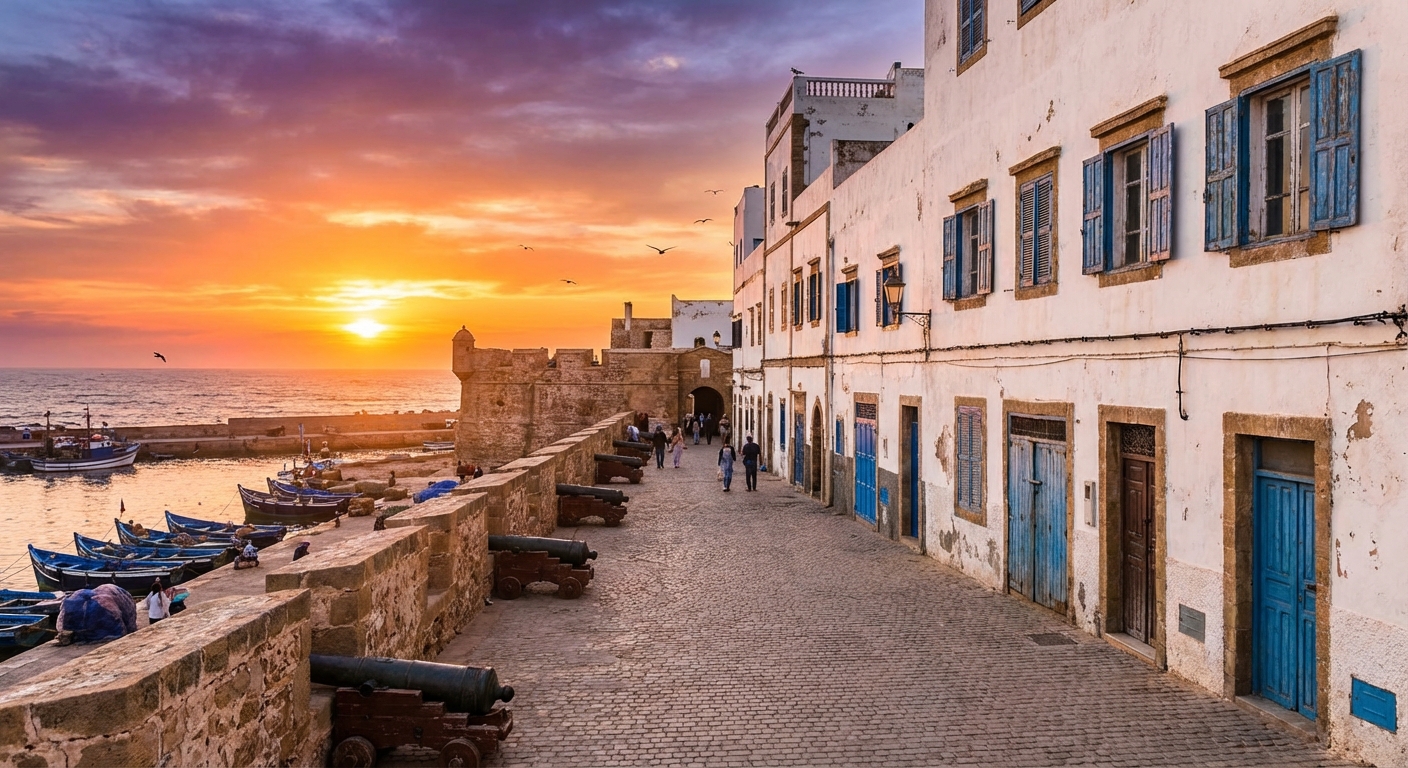
There’s something magical about Essaouira. This windswept port city on Morocco’s Atlantic coast draws visitors with its blue-shuttered buildings, ancient ramparts, and that unmistakable ocean breeze. But here’s what many travelers don’t realize until they arrive — Essaouira sits at the heart of the world’s finest argan oil production. We’re talking about “liquid gold,” extracted from the argan tree (Argania spinosa), and finding the real deal here can transform your skincare routine and kitchen alike.
The catch? With argan oil’s skyrocketing popularity, the market has become flooded with products that range from genuinely exceptional to, well, questionable at best. Knowing where to buy authentic argan oil in Essaouira isn’t just about getting a quality product — it’s about making sure your money actually reaches the communities who’ve been perfecting this craft for generations. Let’s dive into the best places to find the genuine article, why supporting local cooperatives matters, and how to spot the real thing from a mile away.
The Rich History of Argan Oil
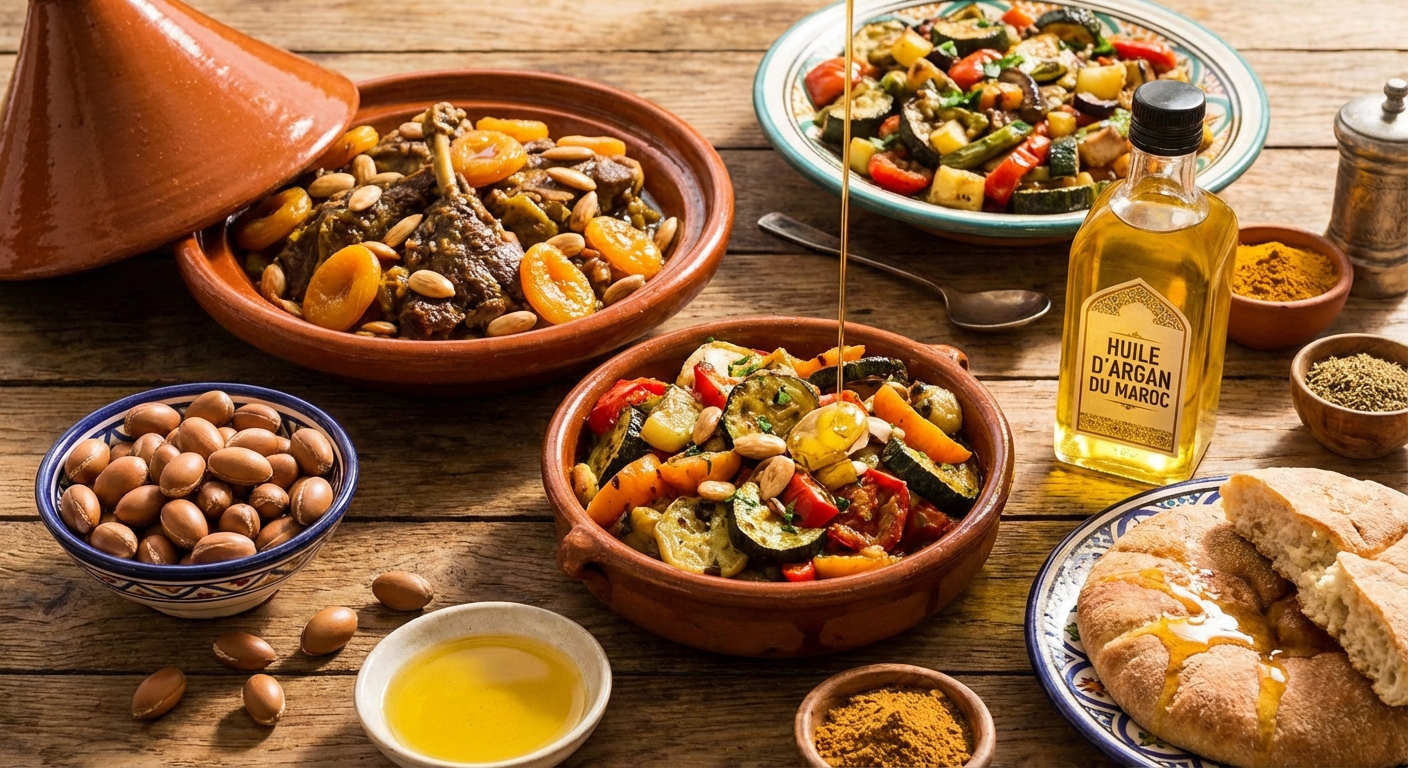
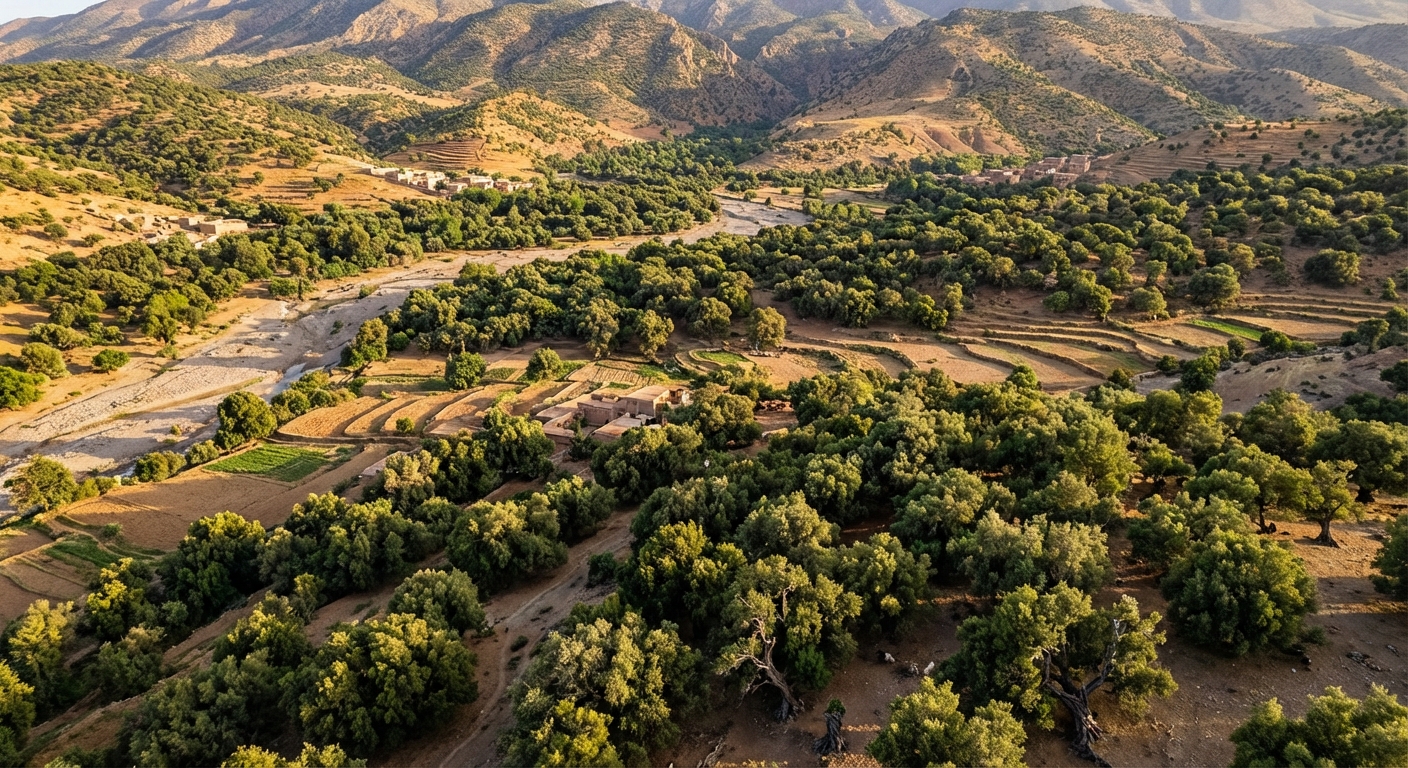
Argan oil isn’t some trendy wellness fad that popped up overnight. It’s been woven into Moroccan daily life for centuries — drizzled over couscous, massaged into skin, used to treat everything from dry hair to minor wounds. The argan tree itself grows nowhere else on Earth quite like it does here, which is precisely why UNESCO designated these forests as a Biosphere Reserve. Pretty remarkable when you think about it.
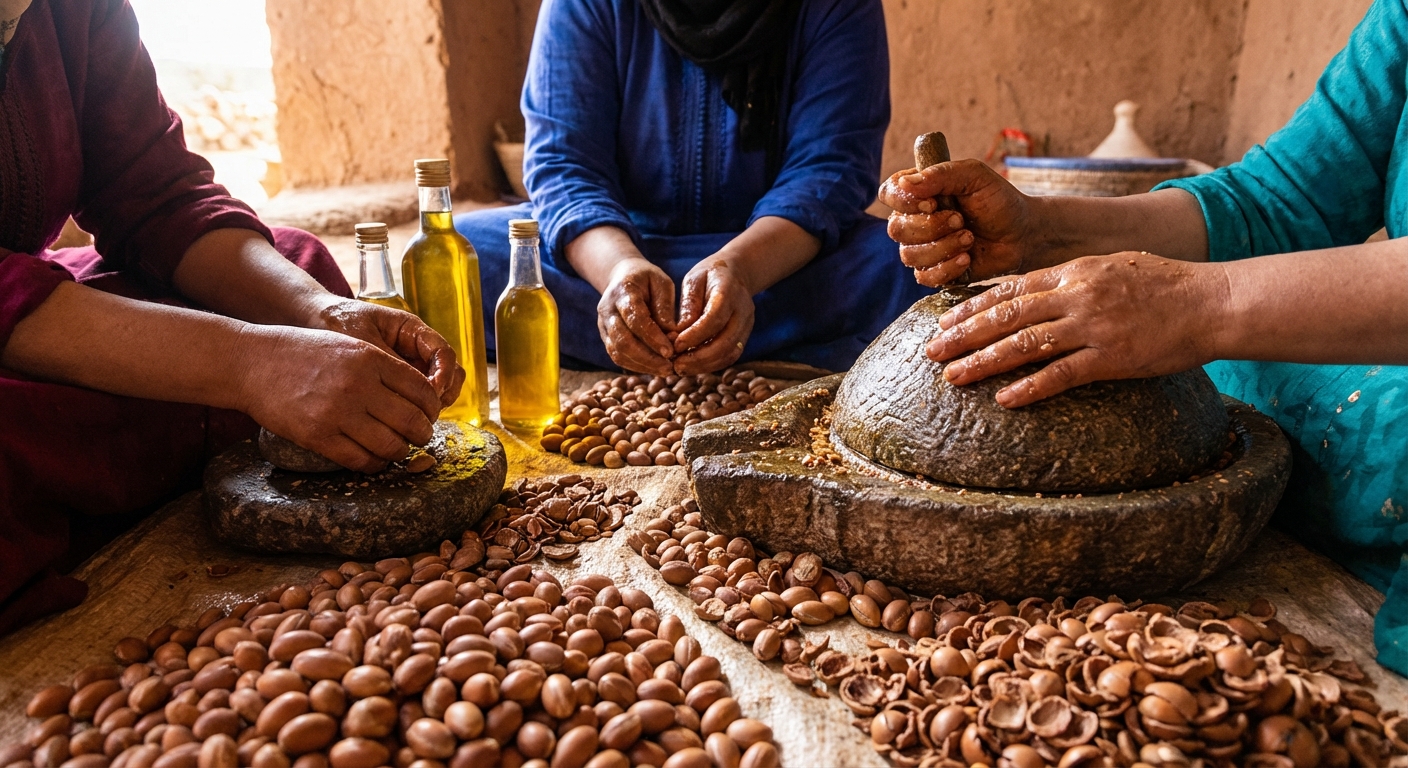
What’s changed in recent decades, though, is who’s driving the industry forward. Women’s cooperatives have completely transformed argan oil production, creating economic lifelines for rural communities where opportunities were once scarce. These cooperatives do double duty — they maintain traditional production methods while giving women financial independence and a voice in their communities. When you buy from them, you’re purchasing more than oil. You’re investing in a movement.
The Flourishing Argan Oil Market Today
Walk through Essaouira’s medina today and you’ll notice argan oil everywhere. In tiny shops tucked into ancient walls. At cooperative storefronts with women demonstrating the grinding process. Even at popup stalls near the harbor. The demand has exploded, driven by tourists who want to take home something authentic from the source.
Cooperatives like Marjana have become destinations in themselves, blending top-tier production with genuine community impact. The range of products might surprise you — pure cosmetic oil, culinary versions with that distinctive nutty flavor, infused blends with added essential oils. But here’s what really matters: when you understand the story behind each bottle, your purchase becomes more than a transaction. You’re supporting sustainable practices and fair wages. That’s the kind of souvenir worth bringing home.
Key Statistics about Argan Oil
Let’s talk numbers for a moment. The global argan oil market hit roughly $580 million back in 2020, and it’s been climbing steadily since — particularly in European and North American markets where natural beauty products are having their moment.
Here’s a statistic that stopped me in my tracks: it takes approximately 30 kg of argan fruit to produce just one liter of oil. Think about that. All those nuts, cracked by hand, pressed carefully to extract every precious drop. Suddenly the price tag makes a lot more sense, doesn’t it? And perhaps most importantly, around 75% of Morocco’s argan oil producers are women. This industry has become one of the most powerful engines for women’s economic empowerment in rural Morocco — a fact that adds another layer of meaning to every purchase.
Expert Recommendations for Authentic Argan Oil
So how do you separate the genuine article from the knockoffs? Experts are pretty unanimous on this: look for cold-pressed and organic options, ideally purchased directly from cooperatives. Real argan oil has a distinctive light, nutty scent — pleasant but not overpowering. The color should be a rich, warm gold. If something smells off or looks suspiciously pale (or too dark), trust your instincts and walk away.
Certifications help too. Labels like ECOCERT or USDA Organic signal that a producer has jumped through serious hoops to verify their quality and sustainability practices. These aren’t just marketing badges — they’re your shortcut through a confusing marketplace where everyone claims to sell “pure” and “authentic” products.
Emerging Trends in Argan Oil Consumption
Today’s argan oil shoppers want more than a pretty bottle. They’re asking questions. Where did this come from? Who made it? Were they paid fairly? This shift toward ethical consumption has been a game-changer for cooperatives, finally giving them visibility and the chance to share their stories directly with customers.
Brands have noticed. The smart ones now emphasize transparency about their entire supply chain — from harvest to bottle. They’re posting videos of production processes, introducing the women who do the work, and providing traceability that would have been unthinkable a decade ago. For conscious consumers, this information isn’t optional anymore. It’s expected.
Challenges and Controversies in the Argan Oil Industry
Not everything in the argan oil world is rosy, though. The industry faces real problems. Product adulteration — mixing pure argan oil with cheaper oils — remains frustratingly common. Mislabeling tricks even savvy shoppers. These practices hurt everyone: consumers who pay premium prices for diluted products, and honest producers whose reputations suffer by association.
There’s a bigger concern looming too. As global demand intensifies, pressure on argan forests grows. Unsustainable harvesting could threaten the very ecosystem that makes this oil possible in the first place — and devastate the communities that depend on it. The lesson here? Stay vigilant. Buy from verified sources. Ask questions. Your choices matter more than you might think.
Conclusions and Key Takeaways
The argan oil market is booming, and for good reason — this stuff genuinely works. But the growth brings responsibility. Women’s cooperatives remain the backbone of production, preserving traditions while building economic futures for their members.
When you’re shopping, remember: cold-pressed, organic, and cooperative-sourced are your keywords. Certifications offer peace of mind. And as awareness around fair trade continues growing, your purchasing decisions carry real weight — benefiting not just your skin or your cooking, but entire Moroccan communities.
Wandering through Essaouira’s bustling marketplace, every bottle of argan oil you consider tells a story. A story of ancient trees, skilled hands, generational knowledge, and women building better lives. Make your purchase part of that story.
Next time you find yourself in Essaouira, skip the tourist traps. Visit a local cooperative instead. Chat with the women who make the oil. Watch the process unfold. Then take home a bottle of something truly authentic — and discover why they call it liquid gold.


