


Your Guide to Eco-Friendly Shopping for Morocco’s Liquid Gold
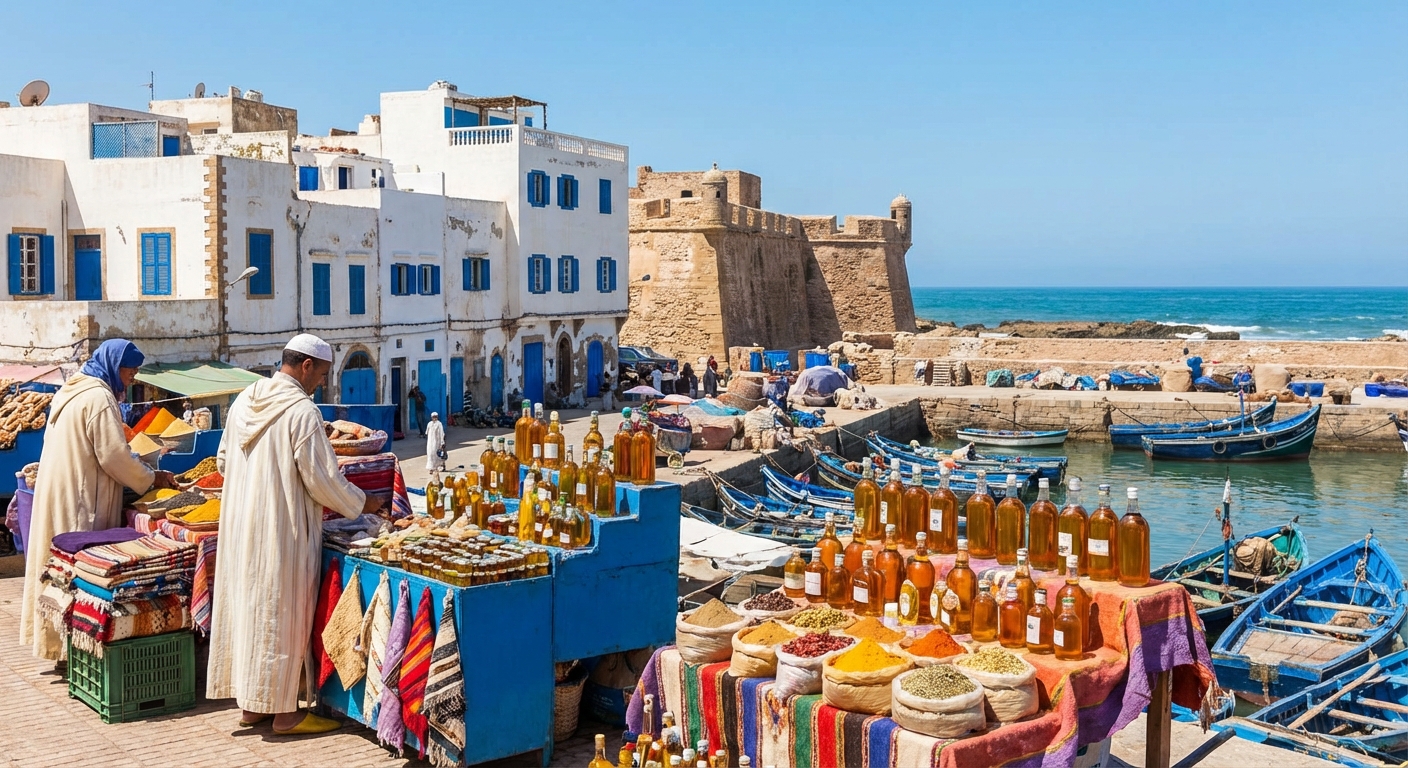
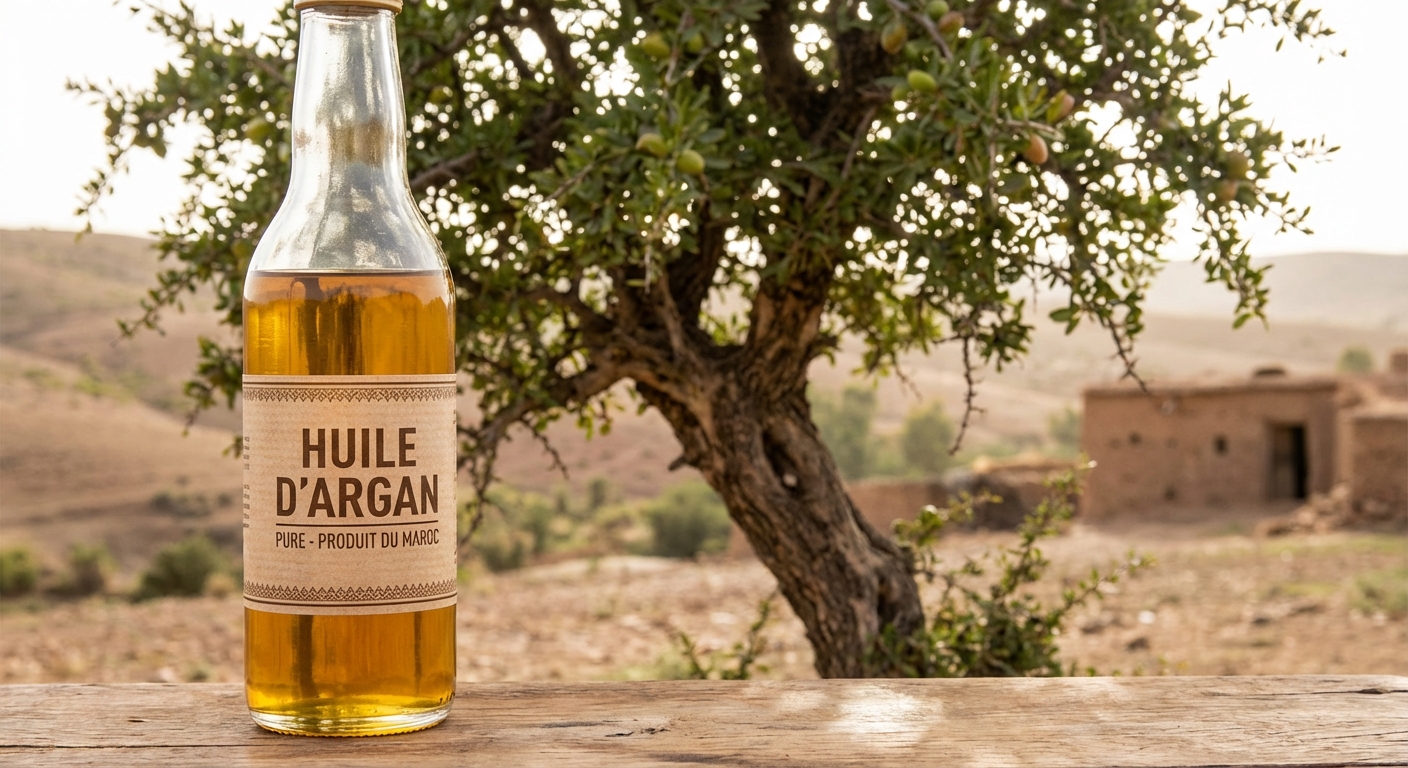
There’s something magical about holding a bottle of real argan oil in your hands — especially when you’re standing in Essaouira, just miles from where those precious nuts were harvested. This windswept coastal city isn’t just a pretty postcard destination. It’s the beating heart of Morocco’s argan oil industry, and finding the genuine article here can be one of the most rewarding shopping experiences you’ll ever have.
But here’s the thing: not all argan oil is created equal. The streets of Essaouira are lined with vendors promising “pure” and “authentic” products, yet the quality varies wildly. What makes shopping here truly special are the women’s cooperatives that have transformed this ancient tradition into a sustainable livelihood for thousands of Berber women. Understanding where to buy — and why it matters — can turn a simple purchase into something much more meaningful.
{{image_1}}
The Rich History of Argan Oil Production
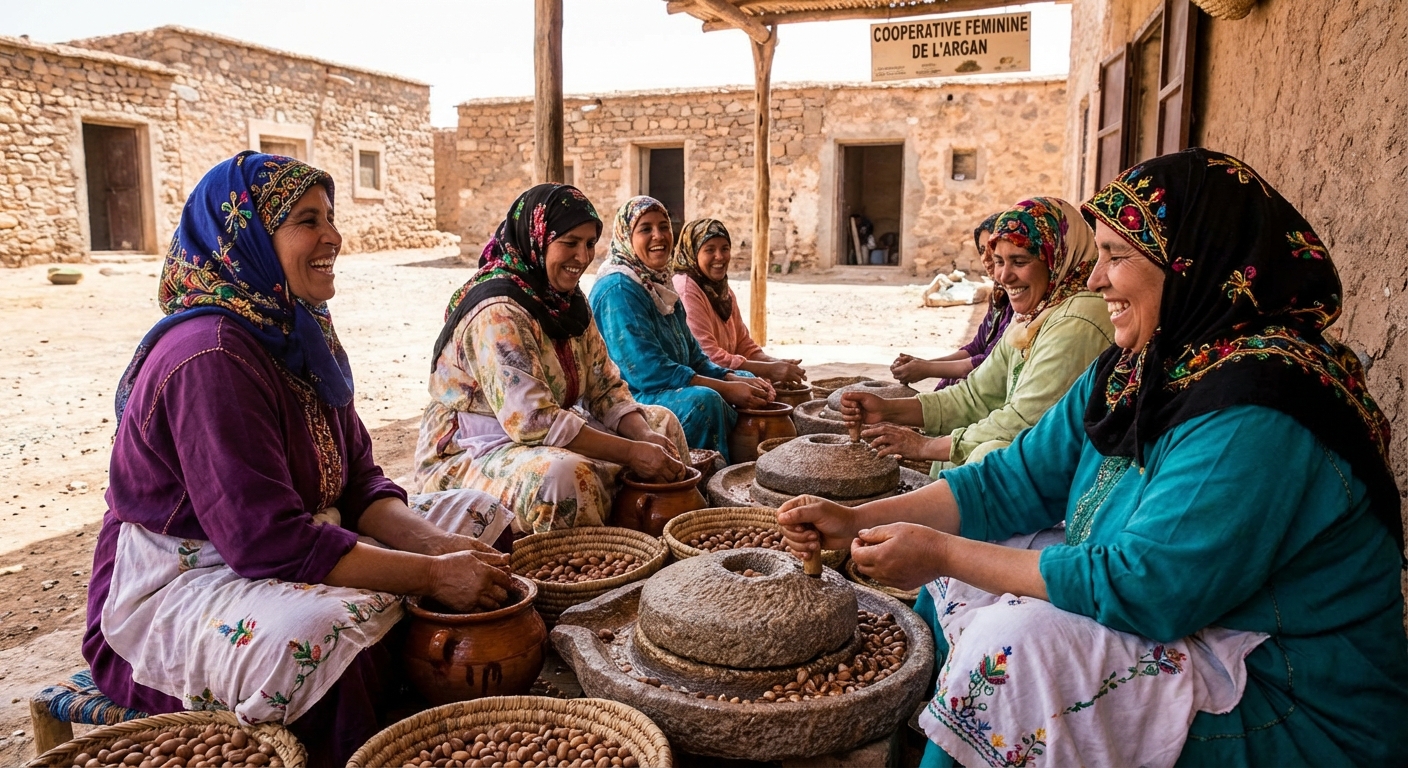
The argan tree (*Argania spinosa*) has roots in this region that stretch back centuries. Long before Instagram influencers discovered its skin-smoothing powers, Berber women were cracking open those stubborn nuts by hand, extracting oil for everything from cooking tagines to moisturizing sun-weathered skin. It was a family tradition, passed down through generations.
Everything changed in the 1990s. Global interest in natural cosmetics exploded, and suddenly the world wanted what Moroccan women had known about all along. The first cooperatives emerged around this time — not just as business ventures, but as lifelines for rural communities. Organizations like Marjana and Zidrop Argan Oil became pioneers, proving that quality production and fair wages could go hand in hand. These weren’t just factories; they were movements.
{{image_2}}
The Thriving Market for Argan Oil in Essaouira
Walk through Essaouira today, and you’ll find over 50 cooperatives dotting the landscape. That’s not a typo — fifty. The local market is absolutely booming, riding a wave of consumer demand for organic, ethically sourced products. Industry analysts project the global argan oil market will grow at a staggering 23.31% compound annual growth rate between 2026 and 2033. People aren’t just buying argan oil anymore; they’re buying into a story.
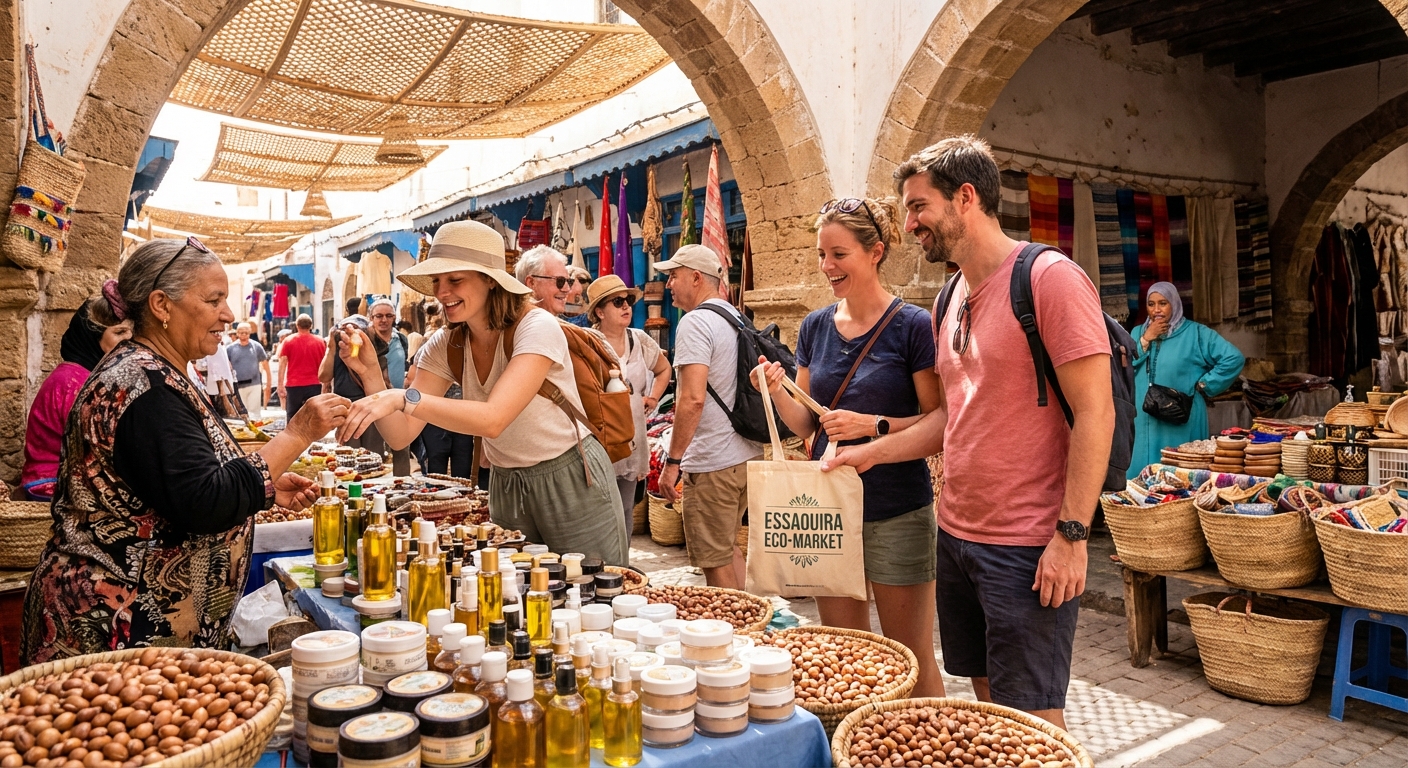
What makes purchasing directly from cooperatives so powerful? Simple — your money goes straight to the women doing the work. No middlemen skimming profits. No corporate headquarters in distant cities. When you hand over those dirhams at a cooperative, you’re literally putting food on a family’s table that evening. That’s something a department store purchase just can’t offer.
{{image_3}}
Statistics Highlighting Argan Oil’s Importance
Let’s talk numbers for a moment (and yes, they’re pretty impressive). The global argan oil market is projected to hit USD 872 million by 2032. That’s not pocket change — it reflects genuine, sustained interest in natural personal care products. Consumers are voting with their wallets, and they’re choosing ethical.
But these statistics tell a deeper story than just market growth. Each percentage point represents real change in real communities. More women-led cooperatives are opening their doors to meet demand. More families are achieving financial stability. More young women are seeing entrepreneurship as a viable path forward. The cooperatives of Essaouira aren’t just surviving; they’re thriving as examples of what sustainable development can actually look like.
Expert Insights on Economic and Environmental Sustainability
“Cooperatives have transformed the lives of countless women in Essaouira by providing stable income and fostering community development,” explains a local cooperative spokesperson. And she’s not exaggerating. These organizations have become economic anchors in communities where opportunities — especially for women — were once scarce.
There’s an environmental angle too. Supporting cooperatives means supporting sustainable harvesting practices. The argan forests depend on responsible management, and cooperatives have a vested interest in protecting their source. When you buy from them, you’re essentially investing in the ecosystem itself. That’s a pretty good return on a skincare purchase, don’t you think?
{{image_4}}
Emerging Trends in the Argan Oil Market
Social media has changed everything — and argan oil is no exception. Influencer partnerships and viral skincare routines have introduced the oil to audiences who’d never heard of Essaouira before. Suddenly, everyone wants that natural glow. The result? A more informed (and more demanding) consumer base.
Cooperatives are adapting quickly. Many now offer e-commerce options, shipping directly to customers worldwide. Can’t make it to Morocco? No problem. You can still support these communities from your couch. It’s a win-win: authentic products for you, direct income for producers. The traditional and the modern, working together surprisingly well.
Challenges Facing Argan Oil Cooperatives
It’s not all smooth sailing, though. Large corporations have noticed argan oil’s popularity, and competition is fierce. Mass-market brands can undercut prices, making it tempting for consumers to grab a cheaper bottle at the drugstore. But those low prices often come at a cost — sometimes involving illegal harvesting or exploitative labor practices.
The argan forests themselves face pressure. Unsustainable harvesting threatens the very trees that make this industry possible. Without careful management, we could see this unique ecosystem degraded within a generation. Supporting legitimate cooperatives isn’t just nice to do; it’s necessary for the long-term survival of both the communities and the forests they depend on.
{{image_5}}
Final Thoughts on Buying Argan Oil
So where should you actually buy? Cooperatives like Marjana and Zidrop Argan Oil remain excellent choices — their commitment to fair trade and quality is well-documented. Look for transparency about sourcing, meet the women who produce the oil if you can, and don’t be afraid to ask questions. Authentic sellers welcome curiosity.
Whether you’re wandering Essaouira’s medina or shopping online from halfway around the world, your purchase matters. Choose well, and you’re not just getting a fantastic product — you’re supporting women’s economic empowerment, sustainable agriculture, and centuries of Moroccan heritage. That little bottle of golden oil carries a lot more than meets the eye. And honestly? That makes it worth every penny.

